

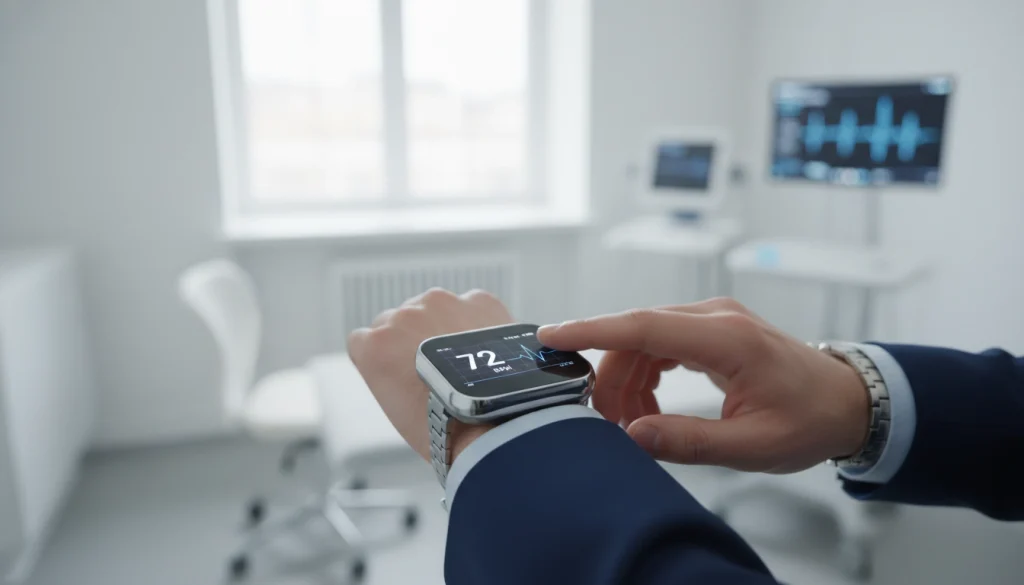
How Wearable ECG Devices Are Revolutionizing Heart Monitoring?Ever thought if your daily habits really protect your heart? Or are you just guessing how you feel? Today, medical science is moving fast, closing the gap between doctor’s visits and everyday life. A big change is happening…
How Wearable ECG Devices Are Revolutionizing Heart Monitoring?
Ever thought if your daily habits really protect your heart? Or are you just guessing how you feel? Today, medical science is moving fast, closing the gap between doctor’s visits and everyday life. A big change is happening in heart health. With a Wearable ECG, people can now see their heart health anytime. This lets them take charge of their own health. We’re all about using new tools to help patients. A Wearable ECG gives us real-time heart data. This helps us give each patient the care they need.
- Advanced technology is bridging the gap between home monitoring and clinical diagnostics.
- Patients now have direct access to vital cardiovascular data for better health management.
- Institutional commitment to innovation ensures higher standards of patient care.
- Real-time monitoring supports proactive instead of reactive medical interventions.
- Sustainable healthcare infrastructure relies on the integration of modern digital tools.
The Evolution of Cardiac Diagnostics
Modern heart monitoring has changed a lot. It now focuses on portable, patient-centered technology. For years, heart checks needed big machines in hospitals. These machines were good for quick heart checks but missed some heart issues.
Now, we’re moving toward proactive healthcare models. This means doctors focus on keeping an eye on patients all the time. It helps catch problems early and tailor treatments to each person.
New tech has made sensors smaller but just as accurate. A big step was the loop recorder. It lets doctors monitor patients with ongoing symptoms for longer. This marks a shift from old hospital machines to highly accessible wearables.
This change shows how far we’ve come in medicine. We’ve moved from just reacting to problems to a dynamic, data-driven future. With these advanced tools, doctors can keep a closer eye on patients. This keeps patient safety at the heart of medical progress.
Understanding Wearable ECG Technology
Wearable ECGs are amazing because they can measure heart activity with great accuracy. They work by picking up the tiny electrical signals from each heartbeat. Special sensors on the device stay in touch with your skin to get the right data.
The tech behind wireless ECG technology lets these signals be processed and sent out without cables. Thanks to tiny circuits, these devices turn heart signals into digital data. But, they need to filter out noise from muscle movements or other things around you.
It’s very important for wearable ECG devices to meet high standards. They must be set up to spot normal heartbeats and any problems. This is key to making sure the data is reliable for users.
The table below shows what makes up modern wireless ECG technology and how it helps with heart monitoring:
| Component | Primary Function | Clinical Impact |
|---|---|---|
| Dry Electrodes | Signal acquisition | High-fidelity data capture |
| Signal Processor | Noise reduction | Improved diagnostic clarity |
| Bluetooth Module | Data transmission | Real-time monitoring capability |
| Power Management | Energy efficiency | Extended continuous usage |
By following strict design rules, makers make sure these devices are trustworthy. They aim to mix user-friendly features with the need for accurate medical data. As tech gets better, they keep working on making the devices more sensitive while keeping them comfortable to wear.
Clinical Significance of Continuous ECG Monitoring
Identifying intermittent arrhythmias requires a shift from snapshot diagnostics to long-term data collection. Traditional clinical visits often fail to capture transient cardiac events that occur outside of a medical facility. By utilizing continuous ECG monitoring, clinicians can observe heart rhythm patterns over days or weeks. This significantly increases the probability of detecting underlying conditions.
This extended observation period is vital for patients who experience symptoms such as palpitations or dizziness. These symptoms do not manifest during a standard physical examination. The ability to correlate these symptoms with specific electrical activity in the heart provides a definitive diagnostic advantage. This leads medical institutions to move away from reactive care toward a more precise, data-driven approach.
The integration of a real-time heart rate monitor into daily life allows for a density of data that was previously unattainable. This high-fidelity information enables healthcare providers to distinguish between benign variations and clinically significant arrhythmias. Such clarity is essential for developing effective, personalized treatment plans that improve long-term patient outcomes.
Ultimately, the shift toward continuous ECG monitoring represents a commitment to excellence in cardiovascular diagnostics. By capturing the full spectrum of a patient’s cardiac performance, we ensure that no critical event goes unnoticed. This technological evolution empowers both the provider and the patient to manage heart health with unprecedented confidence and accuracy.
Key Features of Modern Portable ECG Monitors
Today, a compact ECG device lets patients track their heart activity easily. These tools make it simple to get vital heart data at home. They ensure that heart health is always in check.
A top portable ECG monitor has an easy-to-use interface. It turns complex medical data into clear, easy-to-understand insights. This makes it simple for patients to stick to their monitoring plans.
For a portable ECG monitor to be reliable, it needs a long battery life and secure data storage. Patients need devices that work all day without needing to be recharged. Also, being able to send encrypted data to doctors helps them make better decisions.
The table below shows what makes a compact ECG device great today:
| Feature Category | Primary Benefit | Technical Requirement |
|---|---|---|
| User Interface | Ease of Use | Touchscreen or One-Button Operation |
| Battery Performance | Continuous Monitoring | Minimum 48-Hour Runtime |
| Data Connectivity | Provider Access | Encrypted Cloud Synchronization |
| Storage Capacity | Historical Tracking | On-Device Memory for 50+ Readings |
How Wearable ECG Devices Are Revolutionizing Heart Monitoring
We’re seeing a big change in how we monitor hearts. Now, heart monitoring is moving from hospitals to our daily lives. This change is thanks to wearable ECG technology, which gives us detailed heart data anytime, anywhere.
With a real-time heart rate monitor in our daily items, we can spot heart issues early. This makes it easier for people to keep an eye on their heart health all day. Proactive management of health is now possible for many.
Our team is all in on this digital shift. We know the real power of wearable ECG isn’t just in the device. It’s in the systems that keep medical info safe and useful. We make sure this data helps doctors help patients.
The table below shows how traditional heart monitoring differs from today’s portable tech. It shows why real-time heart rate monitors are key for heart health in the future.
| Feature | Traditional ECG | Wearable ECG |
|---|---|---|
| Monitoring Duration | Short-term (Minutes) | Continuous (Days/Weeks) |
| Environment | Clinical Setting | Daily Life/Home |
| Data Accessibility | Physician-only | Patient and Physician |
| Primary Benefit | High Diagnostic Accuracy | Early Anomaly Detection |
Accuracy and Reliability in Consumer-Grade Devices
Creating devices that track heart rhythms well is key. They must be as precise as professional tools. This is important for health tracking.
An ECG smartwatch needs lots of testing. It must show heart activity clearly. Tests compare it to traditional heart tests.
This makes sure it can spot heart problems like irregular beats. It’s important for real-life use.
Trust in these tools comes from clear, tested results. When a device passes these tests, it becomes a valuable clinical asset. Here’s what’s important for these devices:
| Evaluation Metric | Clinical Standard | Consumer Device Goal |
|---|---|---|
| Sensitivity | High detection rate | Minimize false negatives |
| Specificity | Low false alarm rate | Minimize false positives |
| Signal Quality | Clear waveform tracing | Reduce motion artifacts |
| Data Validation | Peer-reviewed studies | Regulatory clearance |
The main goal is to give patients useful health info. By following strict rules, we help make healthcare better. We promise to keep these devices accurate for heart health.
Integration with Healthcare Ecosystems
Seamless integration of patient data into clinical workflows is key in modern cardiovascular care. Wearable technology now sends high-fidelity diagnostic info directly to electronic health records (EHR). This makes continuous ECG monitoring data easily accessible to the patient’s primary care team for quick decisions.
For this integration, strong technical standards and secure communication are needed. Our institution works on sustainable data pipelines that keep patient privacy safe and data integrity high. Standardizing information intake reduces administrative work for doctors and makes health records more accurate over time.
The main aim is to make continuous ECG monitoring a proactive tool, not just a data point. When diagnostic insights flow smoothly into current systems, doctors can spot cardiac trends early. This early detection is key for managing chronic conditions and better patient outcomes.
We’re dedicated to creating a space where technology enhances the human side of medicine. By linking consumer devices with clinical systems, we make continuous ECG monitoring useful. This integrated approach helps our medical team provide top-notch care with more precision and confidence.
Patient Empowerment and Behavioral Change
Using a heart rhythm tracker, patients become more involved in their heart health. They get meaningful insights into their habits and body’s responses. Seeing how their choices affect their heart health motivates them to live healthier.
Real-time cardiac data makes patients more engaged than ever before. They notice patterns they might have missed. Informed patients work better with doctors, leading to better care plans.
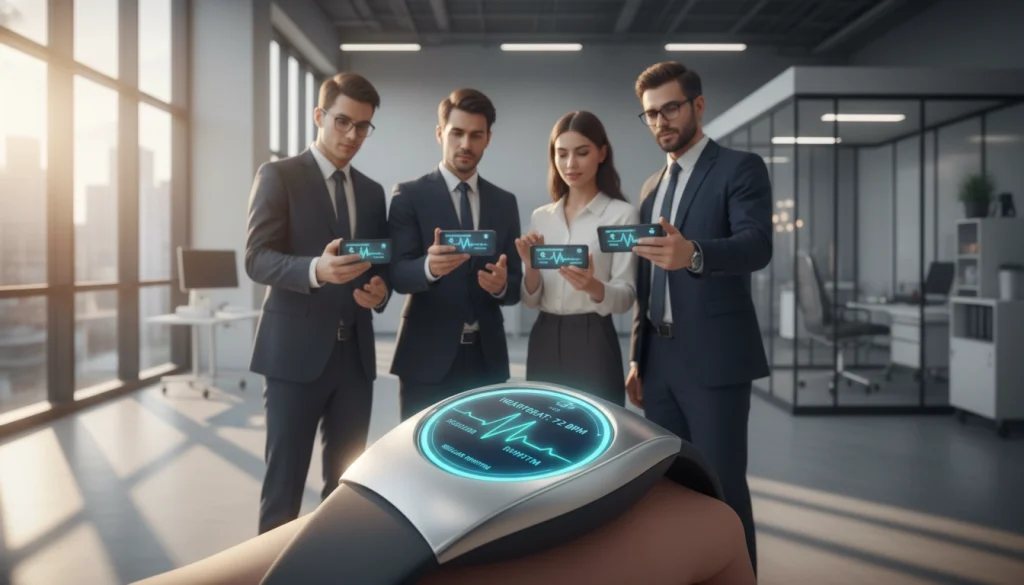
A reliable heart rhythm tracker connects daily life with medical care. Patients share accurate data with doctors, giving a full picture of their heart activity. This helps manage chronic conditions and catch problems early.
The aim is to help patients manage their health proactively. With the right tools, they feel more confident in monitoring their health. This confidence is key to modern healthcare, helping everyone keep a healthy heart rhythm tracker routine.
Regulatory Frameworks and Data Privacy
Understanding medical regulations is key for the safe use of mobile ECG devices. Bodies like the FDA in the U.S. have strict testing rules. These rules help make sure these tools give accurate health data. Following these rules is not just legal; it’s a promise to keep patients safe.
Using digital health tools every day means we need strong data protection. Makers must use top-notch encryption to keep heart health info safe. This focus on security helps build trust, making these tools more widely accepted.
Every mobile ECG device is tested hard to meet top quality standards. These rules check if the device works well in different situations. We follow these global rules to keep our healthcare top-notch.
Keeping patient privacy is our main goal. As we keep improving, we make sure each mobile ECG device follows new privacy laws. This way, our users get reliable, safe, and top-notch heart monitoring services always.
Challenges in Widespread Adoption
Getting advanced heart monitoring tools to everyone is tough. The mobile ECG device has changed how we check heart rhythms. But, getting it to all patients is a big challenge. We know that just technology can’t fix all healthcare problems.
One big problem is that not everyone knows how to use these tools. Many people find it hard to use the mobile ECG device or understand the data. So, we think it’s key to teach people how to use it well.
Another challenge is making sure doctors can quickly understand the data. When there’s a lot of data, doctors need to be fast and accurate. They need to know what’s normal and what’s not to help patients right away.
Money and access are also big issues. We want to make sure everyone can get these tools, no matter their background. By working on these problems, we hope to make heart care better for everyone.
| Barrier Category | Primary Challenge | Strategic Solution |
|---|---|---|
| Technical | User interface complexity | Simplified, intuitive design |
| Clinical | Data interpretation overload | Automated triage algorithms |
| Socioeconomic | Limited device affordability | Subsidized access programs |
| Educational | Lack of patient training | Comprehensive digital literacy |
Comparative Analysis of Leading ECG Smartwatch Models
The world of health tech is filled with top-notch devices that bring medical insights to your wrist. Picking the best ECG smartwatch means understanding how sensors and software impact your health tracking. These tools offer great convenience but perform differently for everyone.
Top brands have made the compact ECG device better for quick heart rhythm checks. The Apple Watch Series 9, Samsung Galaxy Watch 6, and Fitbit Sense 2 can spot atrial fibrillation. They aim to mix fitness tracking with medical diagnostics.
It’s key to see wearables as screening tools, not full medical tests. Unlike clinical ECGs, wearables only give a single-lead trace. Yet, they help track heart health over time.
| Device Model | Sensor Sensitivity | Software Integration | Primary Use Case |
|---|---|---|---|
| Apple Watch | High | Excellent (iOS) | General Health |
| Samsung Galaxy | High | Excellent (Android) | Proactive Monitoring |
| Fitbit Sense | Moderate | Good (Cross-platform) | Wellness Tracking |
Software is a big deal for any compact ECG device. Being able to share data with doctors makes the ECG smartwatch useful in healthcare. As tech gets better, these devices aim to be more accurate outside of clinics.
Future Innovations in Wireless ECG Technology
The future of heart health is looking bright. Wireless ECG technology is getting better, becoming less noticeable and more comfortable. This change is making medical tools more user-friendly.
Engineers are working hard to make these devices smaller. They want a portable ECG monitor that you can wear all day. This way, patients can keep track of their heart health without any hassle. It’s all about making these tools feel like a part of you.
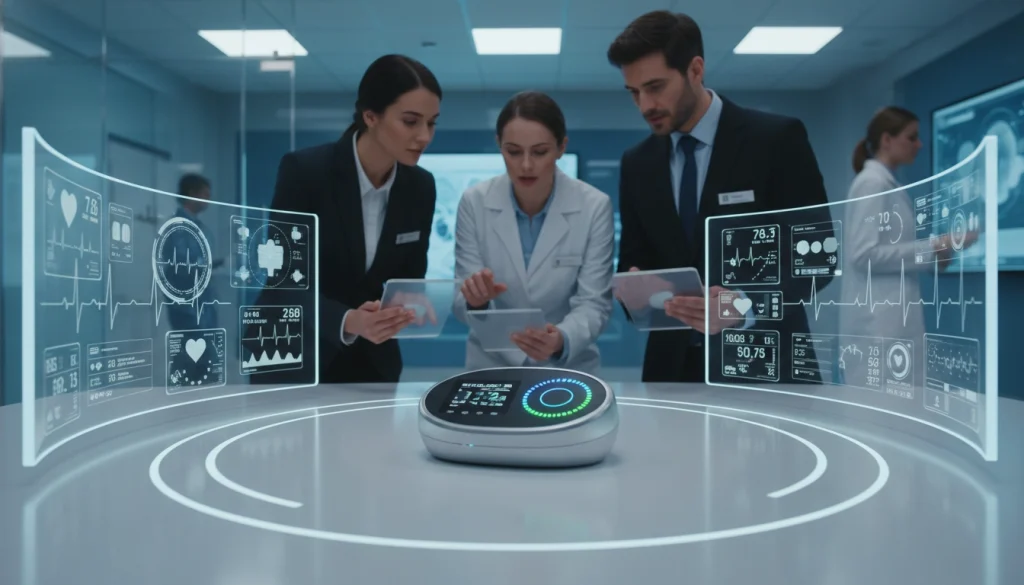
Another big step is using AI-driven signal analysis. This technology can spot heart issues that doctors might miss. It’s all about getting accurate information fast, so doctors can act quickly.
We’re all about making these advancements for a better future. With wireless ECG technology, we’re making heart health easier to manage. Our goal is to improve patient care with every new innovation.
The Future of Proactive Cardiovascular Health Management
Wearable diagnostics are changing how we care for our health. These tools help us stay ahead of health issues instead of just treating them after they happen.
We’re all about making these devices a key part of healthcare. Our goal is to give patients the best care possible with the latest technology. This way, we can help more people for a long time.
Big names like Apple, Withings, and Fitbit are making their devices even better. This means people can keep an eye on their heart health easily. We’re working hard to make sure technology helps doctors and patients work together better.
Using these digital tools helps patients take control of their health. We want to show you how these innovations can improve your health journey. Let’s work together to make heart health monitoring easy, accessible, and focused on the patient.
FAQ
Q: What distinguishes a wearable ECG from a standard real-time heart rate monitor?
A: A wearable ECG tracks the heart’s electrical activity, unlike a standard heart rate monitor. Devices like the Apple Watch Series 9 or AliveCor KardiaMobile offer detailed heart activity readings. This lets doctors spot heart rhythm problems like Atrial Fibrillation, which regular monitors can’t.
Q: How does wireless ECG technology ensure clinical-grade accuracy in a consumer device?
A: Wireless ECG tech uses advanced signal processing and high-quality electrodes. Brands like Samsung and Fitbit test their smartwatches to ensure they meet strict standards. This ensures the data is trustworthy for medical use.
Q: Why is continuous ECG monitoring preferred over occasional spot checks?
A: Many heart rhythm issues happen suddenly and rarely. Continuous monitoring gives a full picture of heart health over time. It catches patterns and problems that brief checks might miss.
Q: Is a compact ECG device difficult for non-technical patients to use?
A: Today’s ECG devices are easy to use, thanks to simple designs. Devices like the Withings ScanWatch start with just one touch. They show clear results right away, making them easy for everyone to use.
Q: How does a portable ECG monitor integrate with my existing healthcare providers?
A: Top portable ECG monitors work well with other health systems. They let patients share reports or sync data with doctors’ records. This makes it easy for your healthcare team to keep up with your heart health.
Q: What measures are taken to protect my privacy when using a heart rhythm tracker?
A: We follow strict privacy and security rules, like HIPAA and GDPR. Your ECG data is encrypted to keep it safe. We’re dedicated to protecting your health information, even when using cloud services.
Q: Can a mobile ECG device replace a traditional hospital-grade EKG?
A: Mobile ECG devices are great for monitoring and screening, but they’re not a full replacement for a hospital EKG. They’re a key tool for early detection, helping identify issues that need more attention. We see them as a vital part of healthcare, working together with clinical tests.
Clinical Expertise & Trust Center
Healthcare decisions often involve more than a single treatment option. The experts, technologies and centers presented here reflect areas of expertise that are commonly associated with this topic, helping patients better understand available care pathways across the Acibadem Healthcare Group network.