

Treatment Snapshot
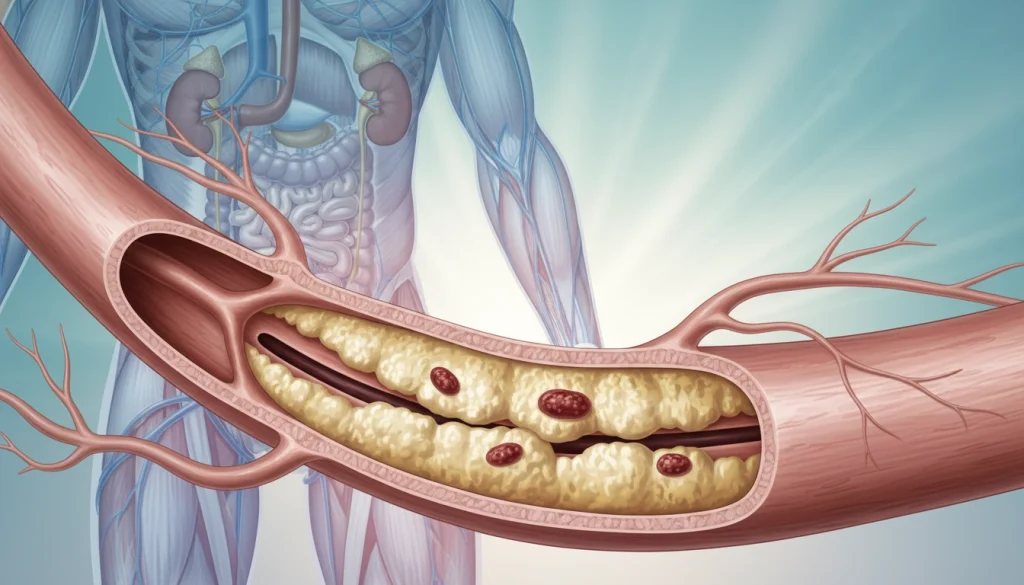
When we talk about vascular health, we often think of sudden events. But some conditions develop slowly, needing a special care approach. A chronic occlusion happens when an artery stays blocked for three months or more.
This long-term blockage limits blood flow. It can affect your heart and overall health. Knowing how these blockages work is key to managing your health.
We want to help you understand this journey better. By knowing the basics, we can look at the tools and treatments available today. Your path to recovery starts with informed choices.
Key Takeaways
- A blockage is long-term if it lasts for at least three months.
- These conditions change how blood moves through the body.
- Finding it early helps in making a better plan.
- We focus on teaching patients to support better health.
- Today’s medicine offers many ways to tackle these vascular issues.
Understanding the Pathophysiology of Chronic Occlusion
Chronic occlusion quietly changes our arteries over time. It’s not like sudden health issues. Knowing how it forms shows why we need to care for our arteries long-term.
The Formation of Arterial Plaque
A blockage starts with atherosclerosis. This is when fatty deposits and cholesterol build up inside an artery. These deposits harden into plaque, making the artery narrower and blood flow harder.
Many things help this buildup grow, including:
- Chronic inflammation in the artery walls.
- High levels of LDL cholesterol.
- Long-term high blood pressure that damages the artery lining.
- Genetic factors that affect lipid metabolism.
Distinguishing Acute from Chronic Vascular Blockages
It’s key to tell the difference between sudden and chronic blockages. An acute blockage happens suddenly, like when plaque ruptures and causes a blood clot. This needs quick emergency care to fix.
Chronic occlusion, on the other hand, gets worse slowly over years. It’s a gradual narrowing. The body tries to adapt to less oxygen, which is important for managing heart health over time.
The Role of Collateral Circulation
When a big artery narrows, the body tries to help by growing smaller blood vessels. This is called collateral circulation. These new vessels create a bypass around the blockage.
These vessels help keep blood flowing to important tissues, even with a blockage. While this is a strong survival mechanism, it might not be enough during hard work. Knowing this helps us find the right treatments for your heart’s needs.
Clinical Presentation and Symptom Recognition
The signs of a chronic occlusion are often hard to spot early on. These blockages grow slowly, so the heart finds other ways to get blood. But as the heart’s need for oxygen grows, it starts to send out warning signs.
Identifying Stable Angina Patterns
Chronic occlusion usually shows up as stable angina. This is chest pain or pressure that happens when you’re active or stressed.
People say it feels like a tight band or heavy feeling in their chest. It goes away when they rest or take their meds, showing the heart’s struggle.
Recognizing Atypical Symptoms in High-Risk Patients
Not everyone gets the usual chest pain. Those at high risk, like people with diabetes, might have different symptoms.
These signs can be:
- Feeling very tired after doing little.
- Being short of breath even when not trying hard.
- Feeling pain in the jaw, neck, or back instead of the chest.
- Feeling queasy or dizzy when exercising.
These symptoms are often ignored because they’re not clear. But they’re just as important as chest pain for a chronic occlusion.
The Impact of Reduced Blood Flow on Daily Function
Having less blood flow can really change your life. Many people avoid activities to avoid pain, which makes them weaker.
We want our patients to talk to their doctors about these limits. Keeping a record of when and how symptoms happen helps doctors manage a chronic occlusion better. Talking openly is key to keeping your heart healthy.
Diagnostic Modalities for Chronic Occlusion
When we face a chronic occlusion, seeing clearly is key. Accurate diagnosis is the base for a treatment plan that fits your needs.
The Role of Coronary Angiography
Coronary angiography is top for checking blocked arteries. We use a contrast dye to make blood vessels show up on X-ray.
This lets us pinpoint where and how long the blockage is. It’s the map we need for any next steps.
Advanced Imaging Techniques
We also use advanced tools for a deeper look. These tools help us understand the blockage’s makeup, key for managing a chronic occlusion.
Computed Tomography Angiography Utility
CT angiography is a non-invasive way to see the heart. It scans to make detailed 3D images of your arteries.
This is great for those needing a detailed look without invasive risks. It shows calcium and vessel details clearly.
Intravascular Ultrasound Applications
Intravascular ultrasound (IVUS) looks inside the artery. We use a small probe on a catheter to get high-res images from inside.
This method is essential for seeing a chronic occlusion from the inside. It helps us plan the best treatment for each case.
Risk Factors and Preventative Strategies
Keeping your arteries healthy is key to avoiding chronic occlusion. Taking care of your health early can prevent serious vascular problems. By watching important health signs, we can keep your blood flow smooth.
Managing Hypertension and Lipid Profiles
High blood pressure and high cholesterol can harm your arteries. If not controlled, they can lead to chronic occlusion. Regular health checks are important to keep these levels in check.
Managing these conditions often means using medicine and regular check-ups. Keeping your blood pressure low helps your arteries. Also, controlling your cholesterol prevents fatty buildup that blocks blood flow.
The Influence of Diabetes Mellitus on Vascular Health
Diabetes can make your blood vessels stiffen faster. High blood sugar damages your artery lining, making blockages more likely. Keeping your blood sugar in check is vital for your artery health.
Stable blood sugar levels are key for your health. When sugar levels are controlled, the risk of chronic occlusion drops. We help patients work with their healthcare team to manage sugar levels and stick to their treatment plans.
Lifestyle Modifications for Long-Term Arterial Maintenance
Making lasting lifestyle changes is essential for a healthy heart and clear arteries. Small, consistent changes can make a big difference. We focus on these key areas to support your arteries:
- Eating a diet full of fiber, fruits, and veggies.
- Staying active to boost circulation and heart health.
- Staying away from tobacco to protect your arteries.
- Managing stress through relaxation techniques.
By making these changes, you build a strong defense against vascular disease. Every healthy choice you make helps prevent chronic occlusion. We’re here to help you make these changes for a healthier life.
The Evolution of Chronic Occlusion Treatment
The shift from old open surgery to new, less invasive methods has changed heart health care. Over the years, how we treat blocked arteries has greatly improved. This change aims to make treatments less harsh and recovery times shorter.
Historical Perspectives on Surgical Intervention
Before, treating chronic occlusion meant big open-heart surgery. Doctors used bypass grafts to bypass blocked arteries. Though these surgeries saved lives, they kept patients in the hospital for a long time and took a lot to recover from.
These old methods laid the groundwork for today’s vascular care. But, the harm caused by such surgeries led to a search for safer, quicker ways. We respect the past while using today’s advanced medical tools.
Modern Advancements in Percutaneous Coronary Intervention
Now, we use advanced PCI to fix blocked arteries. This method uses thin tubes called catheters to reach the blockage without big cuts. Special tools guided through blood vessels help restore blood flow with great precision.
These new methods let us tackle tough cases that were once out of reach. High-tech imaging lets us watch every step of the procedure live. This makes our treatments safer and more successful.
The Shift Toward Minimally Invasive Approaches
Today, we focus on making patients comfortable and keeping them healthy for the long term. Less invasive chronic occlusion treatments lower risks and let patients get back to their lives faster. We believe less harm means better healing and a better life.
| Feature | Traditional Surgery | Modern Intervention |
|---|---|---|
| Incision Size | Large (Open) | Minimal (Puncture) |
| Recovery Time | Weeks to Months | Days |
| Anesthesia | General | Local/Sedation |
| Hospital Stay | Extended | Short-term |
Knowing about these advances helps patients trust in today’s care. We keep working to make these methods better. Our goal is to use our knowledge and care to help you get better heart health.
Patient Selection and Procedural Planning
We start with a plan before you even get to the operating room. Every person has a unique vascular profile. So, we tailor our approach to manage chronic occlusion effectively.
Assessing the Complexity of Lesions
We begin by analyzing the blockage in your arteries. Advanced imaging helps us understand the plaque’s length, location, and density. This tells us if a chronic occlusion can be treated with less invasive methods or if surgery is needed.
Knowing the vessel’s anatomy is key to success. We look for calcification and side branches that might make the procedure harder. Early identification helps us choose the right tools and strategies for the best results.
Evaluating Patient Comorbidities and Surgical Risk
Your overall health matters as much as your arteries. We review your health history, including diabetes, hypertension, and heart issues, to assess your surgical risk. This approach ensures we consider all factors that could affect your recovery or long-term health.
We categorize patients based on their ability to handle certain procedures. This helps us weigh the benefits of revascularization against the risks. Our goal is to improve your quality of life while keeping you safe.
The Importance of the Heart Team Approach
Collaboration is at the heart of our care model. The “Heart Team” includes interventional cardiologists, cardiac surgeons, and imaging specialists. They discuss your case in detail to find the safest way to manage your chronic occlusion.
This team-based approach ensures your treatment plan is well-rounded. It reflects a consensus from experts who prioritize your long-term well-being. The table below shows the key factors our team considers during planning:
| Assessment Factor | Clinical Focus | Impact on Strategy |
|---|---|---|
| Lesion Anatomy | Severity and length | Determines device selection |
| Patient Comorbidities | Diabetes and kidney health | Influences surgical risk |
| Functional Status | Daily activity levels | Guides recovery goals |
| Heart Team Review | Multidisciplinary consensus | Ensures personalized care |
Technical Challenges in Revascularization
Fixing Chronic Occlusion is a tough job. It needs advanced tech and expert doctors. We face special challenges when dealing with long-term blockages. Our goal is to make every procedure safe and precise.
Navigating Calcified and Tortuous Vessels
Heavily calcified or twisted vessels are big challenges. Calcium makes the walls hard, making it hard for wires to get through. Tortuous paths make it even harder to navigate.
We use special imaging and strong guidewires to tackle these issues. These tools help us move through tight spots safely. Whether it’s the heart or legs, we aim to avoid damage to the arteries.
Strategies for Crossing the Occluded Segment
Getting past a Chronic Occlusion needs a careful plan. We start with a soft wire and move to stronger ones if needed. Microcatheters help support the wire through tough tissue.
Sometimes, we go in from the back to meet the wire at the blockage. This teamwork boosts our success rate in tough cases. By combining these methods, we can open even the toughest segments.
Managing Complications During Complex Procedures
Keeping patients safe is our top goal. We’re always ready for any problems, like vessel damage or sudden blood pressure changes. Our teams act fast, using special tools to fix issues right away.
| Challenge | Technical Impact | Clinical Solution |
|---|---|---|
| Heavy Calcification | Reduced vessel flexibility | Rotational atherectomy |
| Vessel Tortuosity | Difficult wire navigation | Supportive microcatheters |
| Total Blockage | Complete flow obstruction | Retrograde wire crossing |
| Procedural Risk | Potential for injury | Real-time imaging guidance |
We’re ready for these challenges to give patients the best care for Chronic Occlusion. Our dedication to excellence drives us to keep improving our methods for better results and comfort.
Pharmacological Management Strategies
Effective medical therapy is key for treating complex arterial blockages. We tailor treatments to match each patient’s needs. This ensures they get the right drugs to support their vascular health.
This approach is vital for preparing for and maintaining vessel patency after a Chronic Occlusion procedure.
Antiplatelet Therapy Protocols
Antiplatelet medications prevent dangerous blood clots in arteries. They stop platelets from sticking together, keeping blood flowing. We use a dual antiplatelet therapy to protect during the healing phase.
Statins and Lipid-Lowering Agents
Managing cholesterol is key for heart health. Statins lower LDL cholesterol, stabilizing plaque and slowing Chronic Occlusion progression. We often add other lipid-lowering agents to reach the best targets.
- High-intensity statin therapy for plaque stabilization.
- Regular monitoring of liver enzymes and lipid panels.
- Lifestyle integration to support pharmacological efforts.
Managing Co-existing Cardiovascular Conditions
Many patients with Chronic Occlusion also have heart failure or arrhythmias. Our team coordinates medications to avoid negative impacts. This approach protects the heart and improves function.
We focus on clear communication about medications and side effects. Working together, we keep your treatment safe and effective. Sticking to these protocols is essential for long-term benefits of Chronic Occlusion treatment.
The Role of Drug-Eluting Stents
Modern medicine has changed how we deal with chronic occlusion thanks to drug-eluting stents. These devices keep the artery open and release medicine to help it heal.
They provide both support and targeted treatment. This makes them key in today’s vascular care. They help patients who need help to get blood flowing right again.
Technological Innovations in Stent Design
New engineering breakthroughs have made stents better. Today’s stents are thinner and more flexible. They can move through tight spaces in arteries more easily.
These new designs fit perfectly with the artery’s shape. This reduces irritation and helps the stent blend in with the artery wall.
Reducing Restenosis Rates in Chronic Cases
One big challenge in treating chronic occlusion is restenosis. Drug-eluting stents fight this by releasing medicine at the site of the blockage.
This medicine stops tissue from growing back and blocking the artery again. Studies show these stents are better than older ones at preventing this.
Long-Term Durability and Vessel Healing
Patients worry about the safety of stents over time. But today’s stents are made to last and work well with the body’s healing.
- They have special coatings that help healthy cells grow over them faster.
- They are tested to make sure they can handle the body’s blood pressure.
- Monitoring shows they are safe for patients with chronic occlusion.
These improvements give patients confidence in their treatment. We aim to give every patient the best care available today.
Recovery and Post-Procedural Care
Your journey to better vascular health doesn’t stop after the treatment. We know the time after treatment is just as important. Our team is here to help you feel comfortable and succeed in the long run.
Immediate Post-Operative Monitoring
Right after your procedure, you’ll be in a special cardiac unit. Our nurses watch your vital signs and the access site closely. This immediate observation helps us fix any small issues or discomfort quickly.
We work to keep your blood flow stable while your body gets used to the changes. Before moving on, you’ll get clear instructions on what activities to do and how to take your meds.
Cardiac Rehabilitation Programs
Being part of a cardiac rehab program is key to your recovery. These programs help you get stronger and more confident in your heart health. You’ll learn how to manage your condition through exercise and education.
- Personalized exercise plans tailored to your fitness level.
- Nutritional counseling to support vascular health.
- Stress management techniques to improve overall well-being.
Monitoring for Recurrent Symptoms
Even with great results, it’s important to watch for any signs of problems. Look out for chest pain, unusual shortness of breath, or fatigue. If you notice these, call your care team right away.
Spotting these signs early helps us help you faster. We want you to feel informed and in control of your recovery.
| Recovery Phase | Primary Focus | Expected Outcome |
|---|---|---|
| Immediate (0-24 hrs) | Vascular site stability | Safe discharge |
| Short-term (1-4 weeks) | Medication adherence | Symptom management |
| Long-term (Ongoing) | Chronic Occlusion maintenance | Improved quality of life |
Quality of Life Improvements After Intervention
Recovery is more than just a medical success. It’s about getting back to daily life. Fixing a chronic occlusion means more than just opening a blocked vessel. It’s about giving patients back their freedom.
When a procedure works, it opens the door to a more active life. People often say they can do more than they could before. This change is huge for them.
Functional Capacity and Exercise Tolerance
Getting blood to the heart muscle boosts physical strength. Many can now walk, climb stairs, or exercise without trouble.
This boost in physical ability shows a procedure worked well. It lets the heart handle daily activities without pain.
Psychological Benefits of Symptom Relief
Heart symptoms can affect more than just the body. Fear of chest pain or trouble breathing can cause a lot of stress and tiredness.
When these symptoms lessen, patients feel a huge relief. This mental boost is key to feeling better overall.
Long-Term Prognostic Outcomes
The future looks bright for those who get treatment early. Fixing a chronic occlusion helps keep the heart strong and prevents more damage.
It’s important to keep up with follow-up care. Staying on track with lifestyle changes and treatments helps keep health good for a long time.
Comparing Surgical Bypass and Percutaneous Intervention
When treating a chronic occlusion, we look at two main options: surgical bypass or percutaneous intervention. Picking the right path is key to your recovery. Each method has its own benefits, depending on your heart’s specific needs.
When Coronary Artery Bypass Grafting is Preferred
Coronary Artery Bypass Grafting (CABG) is often chosen for complex blockages. It’s best for those with diabetes or big blockages in the left main artery.
This surgery creates a new blood path, ensuring long-term heart health. It’s great when the heart needs more oxygen than a stent can give.
Comparing Success Rates and Recovery Times
It’s important to know the differences between these two methods. Percutaneous intervention is less invasive, but surgical bypass might last longer for some chronic occlusions.
| Feature | Percutaneous Intervention | Surgical Bypass (CABG) |
|---|---|---|
| Invasiveness | Minimally Invasive | Major Surgery |
| Recovery Time | 1 to 3 Days | 4 to 8 Weeks |
| Primary Goal | Stent Placement | Vessel Rerouting |
Individualizing the Treatment Plan
We tailor your treatment to fit your health perfectly. We look at your age, health, and chronic occlusion type to choose the safest option.
- Collaborative review by our heart team specialists.
- Detailed assessment of your cardiovascular risk factors.
- Open communication regarding your personal recovery goals.
We focus on your unique needs for the best outcome. We’re here to guide you every step of the way, with care and clarity.
Emerging Technologies in Vascular Medicine
We’re seeing a big change in how we tackle complex artery blockages. New technologies bring hope to those with chronic occlusion. They offer solutions that were once thought impossible. These tools aim to make our procedures safer and more successful.
Robotic-Assisted Interventions
Robotic systems are now in the catheterization lab, bringing unmatched precision. They let surgeons work with incredible accuracy, key for chronic occlusion cases. These systems also reduce the operator’s physical effort, helping maintain control during long procedures.
Bio-resorbable Scaffolds and Future Directions
We’re moving from permanent metal implants to temporary ones. Bio-resorbable scaffolds support the vessel as it heals and then dissolve. This approach could lower the risk of complications later on.
Artificial Intelligence in Procedural Planning
Artificial intelligence is key in our planning and diagnosis. AI looks at lots of imaging data to find the best path through a chronic occlusion. This helps us make better decisions and tailor treatments to each patient’s needs.
| Technology | Primary Benefit | Impact on Care |
|---|---|---|
| Robotic Systems | Enhanced Precision | Improved procedural stability |
| Bio-resorbable Scaffolds | Temporary Support | Reduced long-term foreign body risk |
| AI Planning | Predictive Accuracy | Optimized chronic occlusion strategy |
Addressing Health Disparities in Vascular Care
We need to look beyond the clinic to tackle systemic barriers that patients face. Health disparities can greatly affect the quality of care and outcomes for those with chronic occlusion. By tackling these issues, we aim to make healthcare more inclusive and effective for all.
Access to Specialized Cardiac Centers
Where you live can affect your healthcare. Many specialized centers are in cities, leaving rural areas with less access to care.
We think everyone should have access to life-saving treatments, no matter where they live. We’re working on expanding telehealth and setting up regional networks to help those with complex vascular issues.
Socioeconomic Factors Influencing Treatment Outcomes
Money and social support are key in managing health. Economic struggles can lead to delayed care for chronic occlusion, causing more serious problems later.
We aim to understand these challenges to offer better support. By tackling social determinants of health, we want to ensure that money doesn’t limit the quality of care patients get.
Improving Patient Education and Awareness
Knowing about vascular disease is powerful. We focus on clear, easy-to-understand information to help patients understand their health.
By educating patients, we empower them to make informed health choices. We provide resources to simplify medical terms and help spot chronic occlusion early.
| Barrier Type | Primary Challenge | Proposed Solution |
|---|---|---|
| Geographic | Distance to specialized centers | Telehealth and regional hubs |
| Economic | High cost of advanced care | Financial counseling and aid |
| Educational | Lack of symptom awareness | Community outreach programs |
Navigating the Future of Chronic Occlusion Management
Medical science is always improving to treat heart conditions better. Managing chronic occlusion needs both skill and care for the patient. We’re working hard to make these treatments more effective for everyone.
Spotting heart problems early is key to good heart health. When symptoms show up, our team can make a plan just for you. We use the newest research to help keep you healthy for a long time.
At Acıbadem Healthcare Group, we want to help you by teaching you and giving you top-notch care. We think knowing more about your health helps you make better choices. Our team uses the latest tech to tackle chronic occlusion safely and well.
We’re here to help you improve your heart health with confidence. Our whole medical team is ready to support you. Contact us to find out how we can help you keep your heart strong for years.
FAQ
Q: What exactly is Chronic Occlusion and how does it differ from a typical blockage?
A: At Acıbadem Healthcare Group, we call a Chronic Occlusion a long-term blockage of an artery. It lasts for three months or more. Unlike sudden blockages, Chronic Occlusion develops slowly. This gives the body time to adapt, but it’s harmful to heart health.
Q: What are the common symptoms patients should watch for?
A: The main symptom is stable angina, which is chest pain during exercise that goes away with rest. But, people with diabetes might feel tired, short of breath, or have trouble doing daily tasks.
Q: What is collateral circulation and why is it important?
A: Collateral circulation is like a natural bypass. It’s when the body grows tiny vessels to bypass a blockage. These vessels help keep the heart supplied, but they’re not enough for hard work. That’s why doctors often need to intervene.
Q: How do specialists at Acıbadem Healthcare Group diagnose this condition?
A: We use top-notch imaging to find blockages. Coronary angiography shows the blockage clearly. CT Angiography gives us a non-invasive look. Intravascular Ultrasound (IVUS) lets us see inside the artery walls. This helps us plan the best treatment.
Q: What are the primary risk factors for developing arterial blockages?
A: High blood pressure and unhealthy cholesterol levels are big risks. Diabetes also affects artery health. We stress the importance of lifestyle changes like quitting smoking and eating well.
Q: How has the treatment for Chronic Occlusion evolved over the years?
A: Treatment has moved from big surgeries to small, precise methods. Modern techniques like PCI use tiny tools to open blocked arteries. This leads to quicker recovery and less pain for patients.
Q: What is the "Heart Team" approach?
A: Our Heart Team model brings together cardiologists, surgeons, and specialists. They work together to tailor treatment to each patient. This ensures the best choice between a stent or surgery.
Q: Why are drug-eluting stents used in these procedures?
A: Drug-eluting stents keep arteries open and release medicine to prevent narrowing. This medicine stops scar tissue from forming. It makes stents more effective and durable for patients.
Q: What does the recovery process look like after a revascularization procedure?
A: Recovery starts with close monitoring in our cardiac units. Then, patients join cardiac rehab programs. These programs help increase exercise tolerance and strength, leading to a better lifestyle.
Q: Are there any new technologies on the horizon for treating vascular blockages?
A: New technologies include robotic-assisted interventions and bio-resorbable scaffolds. These advancements promise better precision and healing. We’re also using artificial intelligence for complex planning, keeping us at the edge of cardiac innovation.