

Treatment Snapshot
We’re always looking for new ways to help our bodies heal. Cryotherapy is a method that’s becoming more popular. It uses extreme cold to treat the skin and tissues.
By exposing the body to freezing temperatures briefly, it aims to help with pain and muscle soreness. Understanding the science behind cryotherapy is key for effective recovery or pain relief.
We aim to give you clear, science-backed info on this technology. Our goal is to help you feel confident and informed on your health journey.
Key Takeaways
- Cryotherapy uses extreme cold to trigger natural healing responses in the body.
- The primary goal of this treatment is to assist with pain management and physical recovery.
- It is widely recognized as a wellness intervention for reducing inflammation.
- We prioritize evidence-based education to help you make informed healthcare decisions.
- This practice is designed to be a safe and accessible tool for your overall well-being.
The Science Behind Cryotherapy
When we expose our bodies to sub-zero temperatures, a fascinating series of internal reactions begins. This is the core of cryotherapy, a method to trigger our body’s natural survival responses in a controlled setting.
Understanding these biological shifts helps us see how cold affects our health. Our nervous system watches over us, always ready to protect our core temperature from changes.
Physiological Responses to Extreme Cold
When we step into a cold chamber, our skin’s thermal receptors send signals to the brain. This quick alert tells our central nervous system we’re facing cold stress.
The body then goes into a protective mode to keep the internal organs warm. This is a survival mechanism that has helped humans survive in cold climates for ages.
The Role of Vasoconstriction and Vasodilation
The key change in cryotherapy is vasoconstriction. When cold hits the skin, blood vessels narrow to cut off blood flow to the outer parts. This helps keep the core warm.
When we leave the cold, the body starts to warm up, causing vasodilation. Blood vessels then expand, letting oxygen-rich blood flow back into the tissues.
This increase in blood flow is key for recovery and keeping tissues healthy. By going through these two states, our body manages stress and helps itself heal.
Evolution and History of Cold Therapy
The history of cold therapy is a story of human creativity. We’ve always looked for ways to use the environment to get better and heal faster. This journey shows how we’ve learned to understand our bodies’ reactions to extreme cold.
Ancient Practices of Cold Exposure
Long ago, ancient people knew cold water could help. The Egyptians used it to treat injuries and reduce swelling around 2500 BCE. Hippocrates, known as the father of medicine, also used cold water for joint pain and swelling.
Back then, people used natural cold sources like mountain streams or ice from winter. These early methods didn’t have the controlled settings of today’s cryotherapy. Yet, they showed that cold could help heal and balance the body.
Modern Advancements in Cryogenic Technology
Now, we have advanced technology for cold treatments. This change has made cryotherapy a precise and safe medical practice. It’s a big step forward from simple ice baths.
Today’s equipment can control temperatures perfectly, unlike ancient times. We use liquid nitrogen or cooled air to cool specific areas or the whole body. This ensures cold treatments are safe and effective.
| Feature | Ancient Methods | Modern Cryotherapy |
|---|---|---|
| Temperature Control | Variable/Natural | Precise/Digital |
| Duration | Unregulated | Strictly Timed |
| Accessibility | Limited to Geography | Available in Clinics |
| Safety | Risk of Hypothermia | Monitored Environment |
As we improve these technologies, we focus on making treatments safer and more comfortable. Moving to modern cryotherapy shows our dedication to evidence-based care. By combining old wisdom with new tech, we offer better relief and recovery.
Understanding Whole Body Cryotherapy
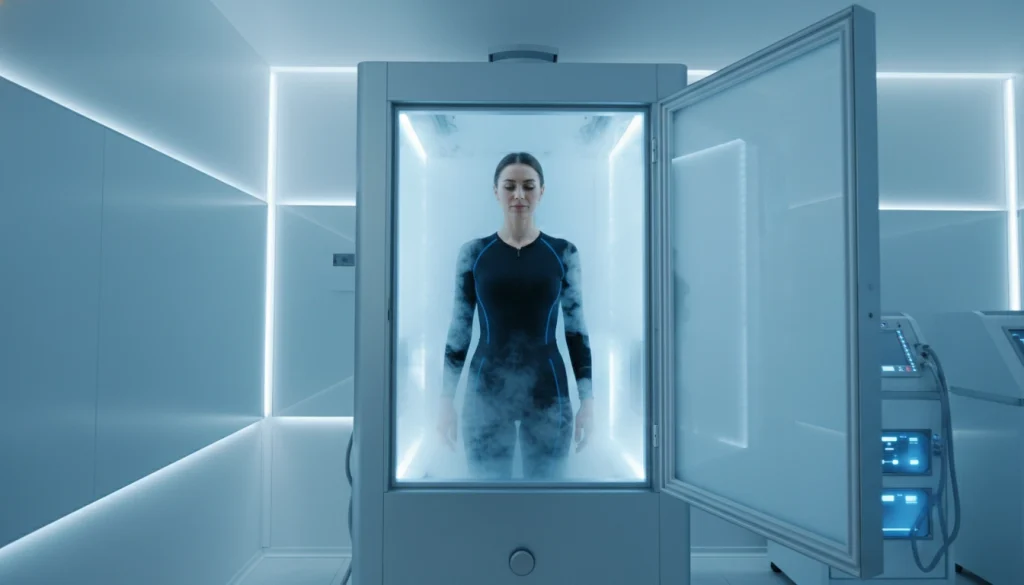
Cryotherapy chambers are special units that let us control cold exposure. They create a safe space for the body to briefly face extreme cold. This ensures every session is both safe and effective for our patients.
How Cryotherapy Chambers Function
Modern chambers use liquid nitrogen or electric cooling to cool the air. They aim to create a dry, cold space that triggers a physiological response to cold. This quick cooling is key to cryotherapy’s benefits.
The chamber is dry, which helps the skin handle the cold better than in a wet place like an ice bath. Inside, sensors watch the temperature to keep it steady during the treatment.
Safety Protocols and Temperature Ranges
Safety is our top concern during sessions. We keep the temperature between -110°C and -160°C. These levels are set to help without harming the skin or tissues.
We make sure everyone wears protective gear like gloves and socks. A trained technician is always there to make sure everything goes smoothly and the patient is comfortable.
| Feature | Standard Chamber | Electric Chamber |
|---|---|---|
| Cooling Method | Liquid Nitrogen | Refrigerated Air |
| Temperature Range | -120°C to -160°C | -85°C to -110°C |
| Safety Monitoring | Constant Supervision | Automated Sensors |
| Cryotherapy Focus | Rapid Cooling | Consistent Exposure |
Localized Cryotherapy for Targeted Relief
Many patients see better results when cold therapy is applied directly to the injury site. This method of cryotherapy sends intense, controlled cold to specific areas like a swollen knee or strained shoulder. It offers relief that’s both efficient and tailored to your needs.
Applications for Joint and Muscle Pain
Targeted cold application works well for acute injuries and chronic muscle tension. Applying extreme cold to a specific area quickly reduces inflammation and numbs pain signals. This is why it’s often chosen by athletes or those recovering from orthopedic surgeries.
Common conditions treated with this method include:
- Tendonitis and ligament strains
- Post-surgical swelling in joints
- Chronic lower back muscle spasms
- Acute soft tissue injuries
Equipment Used for Spot Treatments
We use advanced handheld devices for spot treatments. These tools use nitrogen vapor or chilled air to cool the skin quickly. They allow our clinicians to watch the skin’s reaction, making sure the treatment is comfortable and effective.
These devices are adjustable, so we can customize the cold treatment for you. This ensures you get the most from each session. By using this precise cryotherapy method, we help you move more comfortably and easily in your daily life.
Benefits of Cryotherapy for Athletic Recovery
Cryotherapy has changed how athletes recover after workouts. It uses cold temperatures to help athletes deal with the hard work of intense training. This method helps athletes get back to their best faster.
Reducing Delayed Onset Muscle Soreness
Delayed Onset Muscle Soreness, or DOMS, can stop athletes from training as much as they want. Cryotherapy uses cold to shrink blood vessels and slow down muscle damage. This helps reduce the soreness that comes after hard workouts.
Using cryotherapy makes it easier for athletes to get back to training sooner. Many athletes find they recover faster, which helps them keep up with their training plans. This is key for long-term success in sports.
Enhancing Performance and Reducing Inflammation
Exercise can cause inflammation, which can slow athletes down. Cryotherapy helps lower this inflammation. When inflammation is down, the body can heal and adapt better.
Athletes who use cryotherapy see big benefits:
- They can move better because their muscles are less stiff.
- They get rid of waste faster.
- They feel more ready for their next workout.
- They can keep up their high-intensity training.
The main goal of cryotherapy is to help the body heal and stay healthy. It helps athletes perform better and stay safe. This is key for staying competitive in sports.
Cryotherapy for Chronic Pain Management
Looking into cryotherapy as a non-drug option is a new hope for long-term pain sufferers. We know finding relief is key for those wanting to live better lives. Cold therapy can help manage pain without needing drugs all the time.
Managing Arthritis and Rheumatoid Conditions
Arthritis and rheumatoid diseases cause a lot of inflammation and stiffness. These symptoms can make it hard to move and do everyday tasks. Cold therapy helps by making blood vessels smaller, which reduces swelling in joints.
Applying cold to these areas also acts as a natural painkiller. It numbs the area, giving temporary but real relief from joint pain. Many people find that regular cold therapy helps them move better in their daily lives.
Impact on Nerve Pain and Neuropathy
Nerve pain and neuropathy are tough because they send too many pain signals. Cryotherapy might change how these signals reach the brain. Cooling the skin can break the pain-spasm cycle that often comes with nerve pain.
While results differ, many people feel less burning or tingling from neuropathy. It’s good to see these treatments as part of a bigger care plan. Always talk to your doctor before starting to make sure it’s safe and right for you.
| Pain Management Method | Primary Mechanism | Typical Duration |
|---|---|---|
| Cryotherapy | Vasoconstriction | 2-3 Minutes |
| Heat Therapy | Vasodilation | 15-20 Minutes |
| Physical Therapy | Functional Movement | 30-60 Minutes |
Mental Health and Wellness Advantages
Cryotherapy does more than just fix muscles. It also helps with mental health and emotional balance. It works with the body’s natural stress systems to bring calm and clear thinking.
Endorphin Release and Mood Enhancement
Extreme cold triggers a survival response in the body. This leads to the release of endorphins, which boost mood and reduce pain. Many feel a rush of happiness or alertness right after.
These hormones help keep emotions stable. Adding cryotherapy to your routine can lower stress symptoms. It’s a natural way to support emotional health.
Improving Sleep Quality Through Cold Exposure
Cold therapy helps with sleep too. It helps the body cool down and reduces inflammation. This makes sleep deeper and less interrupted.
Good sleep comes from the body’s recovery after cold exposure. The nervous system relaxes, making it easier to sleep. The table below shows the mental benefits of regular sessions.
| Wellness Metric | Immediate Effect | Long-term Benefit |
|---|---|---|
| Mood Regulation | Endorphin surge | Increased emotional resilience |
| Stress Levels | Cortisol reduction | Improved daily stress management |
| Sleep Quality | Nervous system calming | Deeper, more consistent rest |
| Mental Clarity | Heightened alertness | Enhanced focus and cognitive function |
Cryotherapy affects more than just the skin. It’s key for a healthy lifestyle, supporting both mind and body. See how it changes your life for the better.
Skin Health and Aesthetic Applications
Wellness fans are turning to cryotherapy for its skin benefits. It’s not just for muscle recovery anymore. Now, it’s a key beauty treatment to make your skin look younger.
These treatments use cold temperatures to improve your skin. It’s a non-invasive way to keep your skin looking fresh and youthful.
Cryotherapy Facials and Collagen Production
Cryo-facials are a big hit in beauty. They use cold air to make your face react. This cold shock boosts collagen production.
Collagen is key for keeping your skin tight and elastic. When your skin gets cold, it starts to get more oxygen and nutrients. This can make your skin smoother and more resilient over time.
Reducing Puffiness and Improving Skin Tone
Cryotherapy also fights facial swelling. It’s great for puffiness caused by fluid retention or stress. The cold tightens blood vessels, reducing swelling and bags under your eyes.
It also helps get rid of toxins, making your skin look dull. These treatments calm your skin, even out your tone, and give you a glowing look. Here’s a table showing the main beauty benefits of cold treatments.
| Aesthetic Benefit | Mechanism of Action | Expected Outcome |
|---|---|---|
| Collagen Support | Thermal shock stimulation | Improved skin elasticity |
| Reduced Puffiness | Vasoconstriction | Decreased facial swelling |
| Enhanced Tone | Lymphatic drainage | Brighter, clearer complexion |
Comparing Cryotherapy to Traditional Ice Baths
Choosing the right recovery method is important. We’ll help you understand the differences between dry cold and wet cold immersion. This will help you pick the best option for your health goals. Knowing the details of cryotherapy and ice baths is key to a good recovery routine.
Duration and Intensity Differences
Cryotherapy uses cold air, which is drier and lasts only two to three minutes. This short time is enough to start a healing response without harming the skin.
Ice baths, on the other hand, use water to cool the body. Water cools faster than air, so sessions last longer, from ten to fifteen minutes. Both methods aim to reduce swelling, but the cold feels different because of the medium.
Accessibility and Practicality for Home Use
Ice baths are easier to use at home. You just need a tub, cold water, and ice. This makes them a budget-friendly choice for home wellness.
Cryotherapy requires special equipment, found mainly in clinics or sports training areas. While portable options are coming out, they are often expensive and take up a lot of space. We suggest looking at this comparison to see which one suits your lifestyle better.
| Feature | Cryotherapy | Ice Bath |
|---|---|---|
| Medium | Chilled Air (Dry) | Water (Wet) |
| Typical Duration | 2–3 Minutes | 10–15 Minutes |
| Primary Setting | Clinical/Professional | Home/Personal |
| Ease of Setup | Low (Requires Equipment) | High (Requires Ice/Water) |
Safety Precautions and Contraindications
Your safety is our main concern. We want you to be well-informed for a great experience. Always talk to a healthcare professional before starting any new wellness plan. They can check if the treatment is right for you.
Who Should Avoid Cryotherapy
Some health issues make cold therapy not safe for everyone. Tell our staff about your health before your session. Stay away from cryotherapy if you have:
- Uncontrolled high blood pressure or heart disease.
- Raynaud’s disease or severe cold sensitivity.
- Pregnancy or think you might be pregnant.
- History of seizures or poor blood flow to the limbs.
- Active infections or open wounds.
If you have a chronic illness, get a doctor’s okay first. We want to make sure your body can handle the cold.
Identifying Possible Side Effects
Most people do fine with the treatment, but it’s good to know about possible side effects. These are usually mild and short-lived. You might see some skin redness or minor irritation right after.
Some might feel numbness or tingling in their hands or feet as they adjust to the cold. If you have ongoing discomfort or skin issues, tell us right away. We care about your safety and will watch your progress closely.
Preparing for Your First Cryotherapy Session
We want to make sure you’re comfortable before your first cryotherapy treatment. The idea of cold temperatures might seem scary, but it’s easy and safe. Just follow a few simple steps to make sure your session goes well.
What to Wear and How to Prepare
Start with your clothes. Make sure your skin is dry before you go in. Wear something like undergarments or swimwear to let the cold air reach your skin.
We give you special gear for your hands and feet. This keeps them safe from frostbite while the rest of you enjoys the cold.
- Protective wool socks to cover your feet.
- Insulated slippers to protect your soles.
- Gloves to keep your hands warm.
- Ear protection or a headband to cover your ears.
What to Expect During the Treatment
When you’re ready, you’ll go into the cryotherapy chamber for 2 to 3 minutes. A technician will watch over you to make sure you’re okay. They might ask you to move a bit to keep your blood flowing.
As it gets colder, you might feel a strange, tingling feeling. This is normal. Most people find the time goes by fast, and they feel refreshed afterwards.
Once you’re done, you’ll go back to a warmer place. Take a little time to warm up before you start your day again. Our team is here to answer any questions you have about your cryotherapy experience.
Integrating Cryotherapy into a Holistic Health Routine
We think true health comes from using many recovery tools together. Seeing your wellness journey as a collaborative effort between different methods leads to better results. Adding cryotherapy to your life helps tackle physical stress from different sides.
Combining Cold Therapy with Physical Therapy
Using cold therapy with physical therapy is a strong way to support your muscles and bones. Cryotherapy after physical therapy can reduce inflammation and muscle tightness. This combo helps your body heal quicker, letting you do your exercises better.
Physical therapists often suggest this mix to help patients feel less pain and move better. Cooling the tissues right after a session can lessen soreness from hard rehab work. This way, your body stays strong and ready for more recovery steps.
Frequency Recommendations for Optimal Results
Being consistent is key to any good health plan. To keep getting the most from your sessions, set a routine that fits your goals and how active you are. While everyone is different, here are some general tips:
- For acute recovery: Two to three sessions a week can help with inflammation after hard work.
- For chronic maintenance: One session a week is often enough to keep you feeling good and well.
- For general vitality: Regular visits keep your body feeling fresh and full of energy.
We urge you to pay attention to how your body feels and change your schedule if needed. A balanced cryotherapy routine helps you not just treat symptoms but also supports your long-term health and wellbeing.
Common Myths and Misconceptions
It’s key to know what cryotherapy can really do for your health. We want to clear up some common wrong ideas in the wellness world. By using facts, you can make smarter choices for your health.
Debunking Claims About Weight Loss
Many think cold treatments are a quick way to lose weight. But, the truth is, cryotherapy isn’t a magic pill for weight loss. It’s better seen as a way to help your body recover, not a quick fix for losing fat.
Expecting it to burn lots of calories can be a letdown. We tell our patients to focus on its real benefits, like less inflammation and better muscle recovery. This way, your health routine stays effective and easy to keep up.
Clarifying the Difference Between Medical and Wellness Treatments
It’s vital to know the difference between medical and wellness uses of cryotherapy. Medical-grade treatments are for serious health issues, like chronic pain or inflammation. They’re carefully planned for each patient’s needs.
Wellness treatments, on the other hand, are for general recovery, mood, or looks. They use cold, but in a way that’s different from medical treatments. Knowing this helps you pick the right kind for you.
| Feature | Medical Treatment | Wellness Application |
|---|---|---|
| Primary Goal | Clinical symptom relief | General recovery and mood |
| Supervision | Licensed medical staff | Certified technicians |
| Cryotherapy Focus | Targeted therapeutic outcomes | Holistic wellness benefits |
Technological Innovations in Cryogenic Equipment
The world of recovery technology is changing fast. New engineering breakthroughs are changing how we use cryotherapy. Now, we see equipment that focuses on safety and efficiency in clinics.
These new advancements mean people can get the right cold therapy safely. The industry is moving towards better, smarter recovery tools.
Advancements in Nitrogen-Free Chambers
Old systems used liquid nitrogen, which was tricky to handle. Now, we have electric cooling technology in nitrogen-free chambers. It’s safer and works just as well.
These new systems avoid nitrogen gas risks, making them great for today’s wellness centers. They also control temperature better, giving a more customized cryotherapy experience.
Portable Cryotherapy Devices for Personal Use
There’s a growing need for easy recovery options. So, we now have small, portable units for home use. They bring cold therapy right to you, cutting down on clinic visits.
Even though they’re smaller, these devices help with muscle pain and swelling. Using these innovative tools daily lets people take charge of their recovery.
As tech keeps improving, we’ll see these portable devices get even better. They’ll be more efficient and easy to find. This means top-notch recovery support will be available to all, no matter where they are.
The Future of Cold Therapy in Modern Medicine
Medical science is on the verge of a new era with temperature-based treatments. We’re looking forward to a time when cryotherapy is a key part of health care. Research shows that cold therapy will be important for treating complex health issues.
Acıbadem Healthcare Group is leading the way in these new treatments. We’re excited about the findings from ongoing studies. These studies will help us create better recovery plans for patients.
We’re committed to keeping you updated on the latest medical discoveries. Our goal is to help you make informed choices about your health. We focus on proven methods and cutting-edge technology to improve your well-being.
Stay tuned as we follow the progress of cryotherapy. Our team is working hard to make complex research easy to understand. By working together, we can make the most of modern medicine to improve your life.
Q: What is Cryotherapy and how is it used as a medical intervention?
A: Cryotherapy is a treatment that uses extreme cold to help the body heal. It’s used at Acıbadem Healthcare Group to help patients recover faster and manage pain. This method uses cold to stimulate healing in the body.
Q: What physiological changes occur in the body during exposure to extreme cold?
A: When the body is exposed to cold, it tries to keep its core warm. This leads to blood vessels narrowing and then widening. This process helps bring oxygen and nutrients to damaged areas to aid in healing.
Q: How has cold therapy evolved from ancient practices to modern cryogenic technology?
A: Cold therapy has come a long way from ancient times. Back then, people used ice baths to reduce swelling. Now, we use advanced technology to provide safe and effective cold treatments in a controlled environment.
Q: How do whole-body cryotherapy chambers function safely?
A: Whole-body cryotherapy chambers cool the air to very low temperatures. We ensure the cold is dry and safe for the skin. This helps the body benefit from the cold without harm.
Q: When is localized cryotherapy preferred over whole-body treatment?
A: Localized cryotherapy is better for targeting specific areas. It’s used for injuries or chronic pain in certain parts of the body. This method provides focused care for individual needs.
Q: How does cryotherapy assist athletes with recovery and performance?
A: Athletes use cryotherapy to reduce muscle soreness after hard workouts. It helps the body recover faster and get back to top performance. This is key for athletes dealing with the physical demands of sports.
Q: Can cryotherapy help manage chronic pain from arthritis or neuropathy?
A: Yes, cryotherapy is a good support for managing chronic pain. It can help with joint inflammation and nerve pain. It offers a non-medication way to feel better.
Q: What are the mental health and wellness advantages of cold exposure?
A: Cold exposure can boost mood and improve sleep. It triggers the release of endorphins, which make us feel good. This can lead to better mood and sleep quality.
Q: How does cryotherapy improve skin health and aesthetics?
A: Cryotherapy can make skin look better by boosting collagen and tightening it. It reduces puffiness and improves tone. This is why it’s used in beauty treatments.
Q: How does modern cryotherapy compare to traditional ice baths?
A: Modern cryotherapy is safer and more effective than ice baths. It uses dry cold and works faster. This makes it a better choice for recovery.
Q: What are the primary safety precautions and contraindications?
A: Safety is key. People with certain health issues should not try cryotherapy. We check for any risks before treatment to ensure it’s safe for you.
Q: How should I prepare for my first cryotherapy session?
A: Wear minimal, dry clothes for your first session. We provide extra gear for your hands and feet. You’ll feel a quick cold sensation, but our staff will guide you through it.
Q: How often should cryotherapy be integrated into a health routine?
A: Make cryotherapy a regular part of your health routine. The frequency depends on your goals. We suggest sessions based on your recovery needs.
Q: Does cryotherapy contribute significantly to weight loss?
A: Cryotherapy is not a main tool for weight loss. It helps with recovery and pain, not just weight. It’s best used with a healthy diet and exercise.
Q: What are the latest technological innovations in cryogenic equipment?
A: New tech includes nitrogen-free chambers and portable devices. These advancements make treatments safer and more accessible. They show the growing demand for recovery tools.
Q: What is the future of cold therapy in modern medicine?
A: Cryotherapy’s role is growing as research uncovers more benefits. We’re committed to using the latest research to improve our care. This ensures our patients get the best treatments available.