

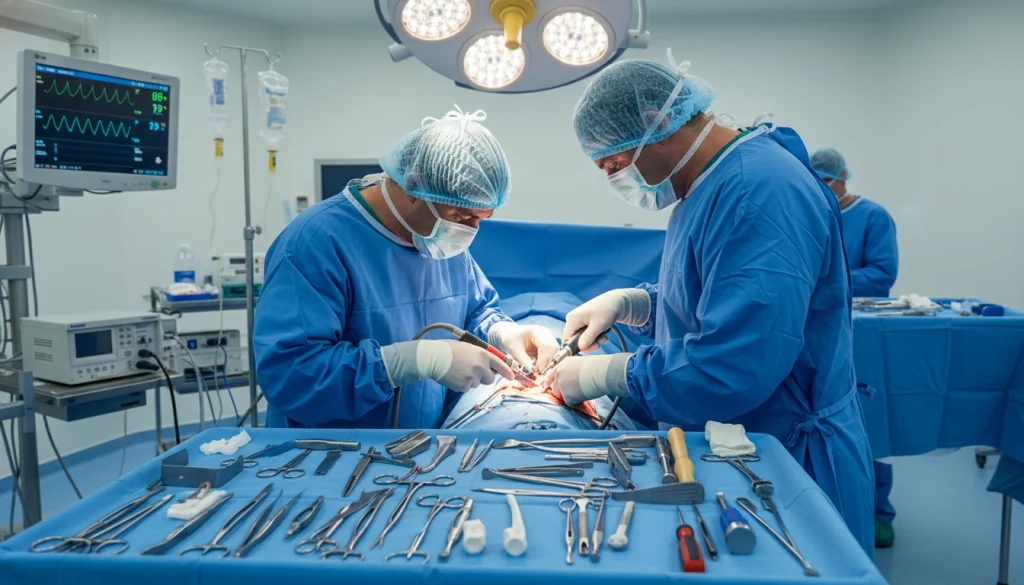
The Clinical Decision Process for Total Knee Replacement Surgical Chronic joint pain can make everyday tasks hard. Simple things like walking or climbing stairs become big challenges. But, modern medicine offers ways to help you regain your independence and mobility. A Total Knee Replacement Surgical…
The Clinical Decision Process for Total Knee Replacement Surgical
Chronic joint pain can make everyday tasks hard. Simple things like walking or climbing stairs become big challenges. But, modern medicine offers ways to help you regain your independence and mobility. A Total Knee Replacement Surgical procedure is a big step forward in orthopedic care. It helps patients overcome long-lasting pain and enjoy activities again. Choosing this option means looking forward to a future with greater physical freedom.
The recovery journey starts with a detailed consultation to understand your needs. From the first diagnosis to the end of rehab, you get support every step. Knowing this process is the first step to a healthier and more active lifestyle.
Understanding the Anatomy and Pathology of the Knee Joint
When the protective surfaces of your knee start to wear down, it can really change your life. The knee is a complex joint that needs smooth cartilage to move well. Healthy cartilage is key in absorbing shock and protecting bones from daily wear.
Degenerative Joint Disease and Osteoarthritis
Osteoarthritis happens when cartilage wears away over time. This loss of cartilage means the joint doesn’t cushion as well. It leads to chronic inflammation and swelling.
Eventually, bones may rub against each other, causing pain and stiffness. This can make it hard to move, walk, or do everyday tasks. Many people feel stiff in the morning or after sitting for a while.
When Conservative Treatments Fail
Doctors often start with non-surgical treatments first. These include physical therapy, managing weight, and anti-inflammatory drugs. Sometimes, injections can help by lubricating the joint or reducing swelling.
But, if these methods don’t work, it might be time to talk about knee surgery. Surgery is a big decision aimed at improving your function and long-term mobility.
If your quality of life keeps getting worse, it’s important to talk to a specialist about surgery. Today’s surgery options are very effective for severe joint problems. It could help you get back to enjoying your active life.
The Clinical Decision Process for Total Knee Replacement Surgical
A successful outcome starts with a precise diagnosis and clear goals. Surgeons use a structured approach to ensure a Total Knee Replacement Surgical procedure is right for you. This process balances clinical data with your personal needs for the best care.
Diagnostic Imaging and Physical Assessment
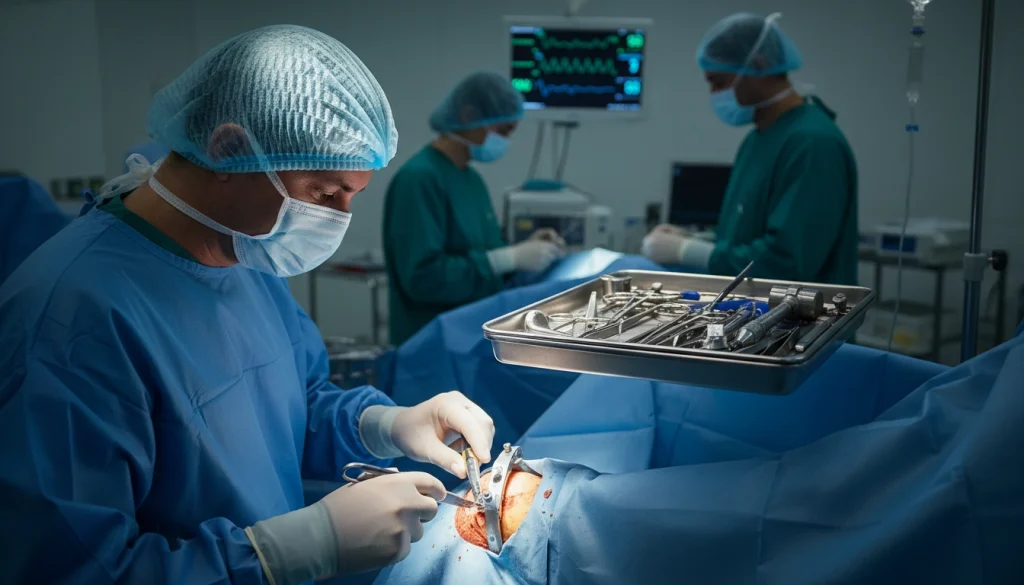
The foundation of any surgical plan is high-resolution imaging. Doctors usually order weight-bearing X-rays to see the joint space and bone contact. An MRI might also be used to look at soft tissues and cartilage damage.
A physical assessment is also key to see if you’re a candidate for a Total Knee Replacement Surgical intervention. Your specialist will check several important factors during this exam:
- Range of motion and joint stability.
- Presence of swelling or inflammation.
- Alignment of the leg and gait patterns.
- Strength of the surrounding muscles.
Evaluating Patient Lifestyle and Mobility Goals
Clinical metrics are just part of the equation. Your surgeon must also think about how your knee pain affects your daily life. Understanding your unique lifestyle helps decide if surgery is the right time.
Patients have different goals for returning to activities. Whether it’s gardening, walking, or light sports, these goals shape the surgical plan. A Total Knee Replacement Surgical procedure aims to restore function but requires a commitment to recovery.
The decision is a partnership between you and your orthopedic team. By aligning your personal mobility goals with diagnostic findings, you can move forward with confidence in your treatment path.
Types of Knee Implants and Materials
Knowing about prosthetic knee parts can make patients feel more ready for surgery. Modern engineering aims to make devices that last long and move naturally. The right materials help surgeons ensure your new joint works well for years.
Cobalt-Chromium and Titanium Alloys
Most implants in a knee replacement procedure use strong metal alloys. Cobalt-chromium is often picked for the femoral part because it’s very hard and doesn’t wear down easily. Titanium alloys are used for the tibial baseplate because they bond well with bone.
These metals are safe for the body and strong enough to hold your weight. They’re key to the success of your knee implant surgery in the long run.
Polyethylene Bearing Surfaces
The metal parts need a special material for smooth movement. High-grade, cross-linked polyethylene is used for this. It acts like natural cartilage, which was lost to disease.
This plastic is very important for reducing wear over time. Thanks to new manufacturing, these surfaces are very durable. They help keep your knee moving smoothly, as explained in knee replacement surgery recovery details.
Fixed-Bearing versus Mobile-Bearing Designs
Patients can choose between different designs based on their body. These designs affect how the parts move:
- Fixed-Bearing: The polyethylene insert is fixed in the metal tibial tray. This design is very stable and is the most common choice for a standard knee replacement procedure.
- Mobile-Bearing: The polyethylene insert can rotate a bit on the metal base. This allows for more natural movement, which might be good for younger, more active patients undergoing knee implant surgery.
- Clinical Selection: Your surgeon will look at your activity level and bone structure to pick the best design for you.
Preoperative Preparation and Patient Optimization
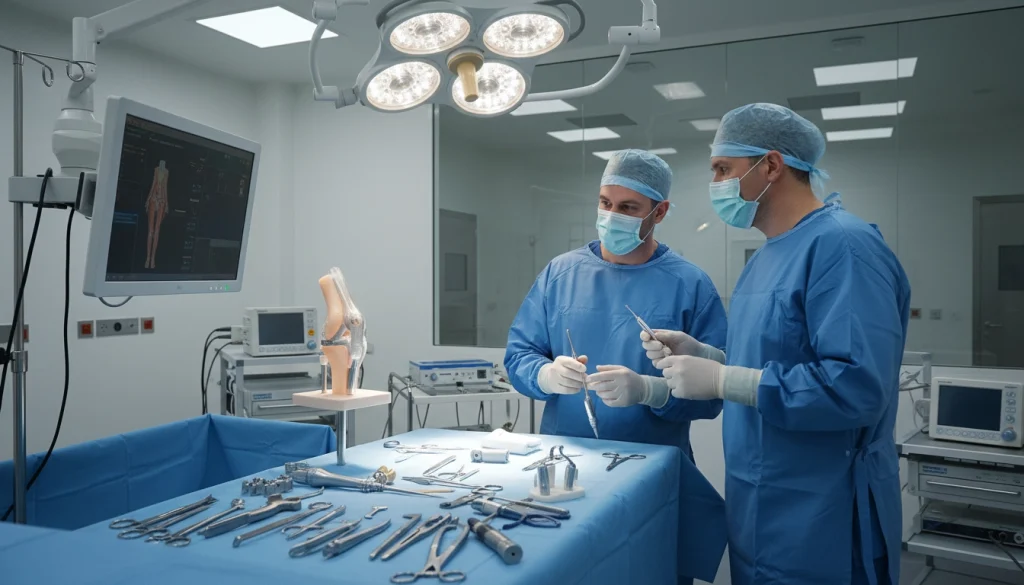
Getting the best from orthopedic surgery starts with planning before surgery. Surgeons focus on making sure your body is ready for the procedure. This helps avoid complications and makes healing easier.
Managing Comorbidities for Surgical Safety
Health conditions, or comorbidities, can affect how you react to anesthesia and heal. Issues like diabetes, hypertension, and cardiovascular disease need to be controlled before surgery. Working with your doctor helps manage these conditions.
Keeping blood sugar levels in check is key to avoiding infections after surgery. When health issues are managed, your body can focus on healing. This is essential for safe orthopedic surgery results.
Physical Therapy and Prehabilitation Strategies
Prehabilitation includes doing specific physical therapy exercises before surgery. The aim is to strengthen muscles around the knee for better stability. Starting early can greatly improve your mobility after surgery.
Those who do prehabilitation often recover faster and feel more confident during rehab. These exercises are designed for your needs and abilities. Preparing now can lead to a better surgery experience and quicker recovery.
Anesthesia Options and Surgical Environment
When you’re getting ready for a knee replacement procedure, think about the anesthesia options. Your medical team will talk about these to make sure you’re comfortable and safe. Choosing the right anesthesia can really help your recovery.
General versus Regional Anesthesia
People getting knee implant surgery often pick between general anesthesia and regional nerve blocks. General anesthesia makes you completely asleep during the surgery. But, it might make you feel groggy or nauseous when you wake up.
Regional anesthesia, like a spinal or epidural block, numbs just your lower body. Many doctors like this because it has some big benefits:
- Less postoperative nausea and vomiting.
- Lower chance of breathing problems.
- You’ll wake up faster after the surgery.
- It helps control pain better in the first few days.
Sterile Operating Room Protocols
Keeping the operating room clean is the top priority for any knee implant surgery. Hospitals have strict rules to keep it germ-free and prevent infections. This is key for your new joint to last long.
The surgical team follows strict rules to keep everything safe. They use special air filters, wash their hands, and wear sterile clothes. Every knee replacement procedure is done with great care to ensure your safety.
Surgical Techniques and Approaches
The way doctors fix joints has changed a lot. Now, they have many tools to make each surgery fit the patient’s needs. Knowing about these methods is key for those facing knee surgery.
Traditional Open Knee Replacement
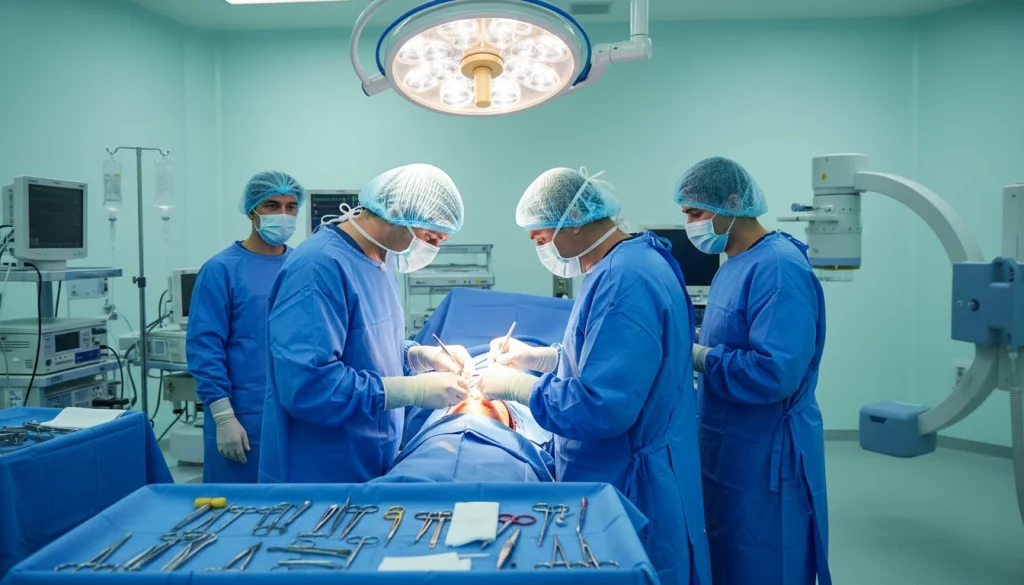
The traditional open method is a top choice for many doctors. It uses a bigger cut to see the joint clearly. This way, the prosthetic parts can be placed just right.
Even though the cut is big, it lets the surgeon see everything. It’s best for tough cases or when there’s a lot of scarring. It has shown to work well over time.
Minimally Invasive Surgical Procedures
Minimally invasive surgery uses small cuts and special tools. It tries to keep the muscles and tendons safe. This means less pain after knee surgery and a quicker recovery.
Doctors who do this focus on keeping the soft tissues intact. This can mean a shorter hospital stay and a smoother recovery. It also means less scarring and better mobility early on.
Computer-Assisted and Robotic-Assisted Surgery
New tech has brought more precision to surgery. Computer systems give real-time data for perfect implant placement. This is key for the new joint to last long.
Robotic systems go even further by giving feedback during bone prep. They guide the surgeon to make precise cuts. These tools help make sure each patient gets the best possible outcome.
The Role of Robotic Technology in Precision Alignment
Robotic-assisted platforms are changing how surgeons do knee joint replacement. They use advanced software and mechanical precision. This allows for accuracy that manual tools alone can’t match.
This technology ensures each cut is tailored to the patient’s unique anatomy. It’s a big improvement over old methods.
Mako SmartRobotics Integration
The Mako SmartRobotics system is a top example of digital planning’s benefits. A CT scan creates a 3D model of the knee before surgery. This lets the surgeon plan the implant’s exact placement.
During surgery, the robotic arm gives real-time feedback. It ensures the bone resection is precise, matching the preoperative plan. This is done with sub-millimeter accuracy.
This system helps surgeons avoid damaging soft tissues around the knee. It reduces the risk of stiffness or instability after surgery. The technology acts as a guide, keeping the surgeon within safe boundaries.
Benefits of Patient-Specific Instrumentation
Using patient-specific instrumentation has many benefits for recovery and implant function. The alignment is tailored to the patient’s bone structure. This even distribution of load helps the implant last longer.
Patients gain several key benefits from these advanced robotic tools:
- Superior Alignment: A more natural fit that matches the patient’s original anatomy.
- Enhanced Stability: Less chance of joint loosening or wear over time.
- Optimized Soft Tissue Balance: Less trauma to ligaments and muscles around the knee.
- Improved Functional Outcomes: Faster return to daily activities and better range of motion.
The combination of robotic guidance and personalized planning ensures a knee joint replacement is done with great care. This focus on precision boosts patients’ confidence in their new joint’s durability and performance.
Managing Intraoperative Risks and Complications
Surgical teams focus on keeping patients safe during orthopedic surgery. They use strict protocols to lower the risk of problems. This way, patients get the best care from the start.
Infection Prevention Strategies
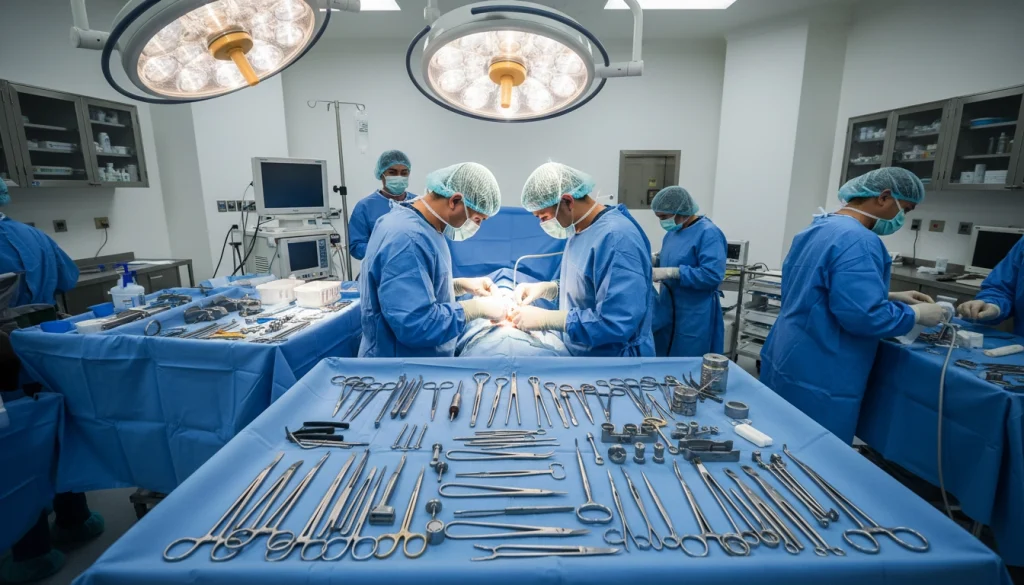
Keeping the operating room clean is key to avoiding infections. Surgeons use laminar airflow systems and special ventilation. They also follow strict cleaning rules for everyone in the room.
Also, giving prophylactic antibiotics is a must. These drugs are given through an IV just before the surgery starts. This helps fight off bacteria right away.
Blood Clot Prophylaxis and Management
Blood clots are a big risk after orthopedic surgery. Doctors use many ways to keep blood flowing well. This is important for the patient’s long-term health.
They use mechanical compression devices like pneumatic sleeves on the legs. These devices help keep blood flowing by gently squeezing the veins. Doctors might also give medicines to prevent clots, depending on the patient’s health.
Moving around early is key to preventing clots after surgery. The team encourages patients to move their limbs as soon as it’s safe. This helps keep blood flowing well. This plan is essential for a good outcome in orthopedic surgery.
Immediate Postoperative Care and Hospital Stay
Your journey to get back on your feet starts right after the knee replacement procedure. The first 24 to 48 hours in the hospital are key. Medical teams work hard to make sure you’re comfortable and moving.
Pain Management Protocols
Today’s surgery uses a multimodal approach for pain relief. Doctors mix different medicines to target pain in various ways. This method helps avoid side effects like nausea and drowsiness.
Your care team will use several methods to keep you comfortable:
- Nerve blocks to ease pain at the surgery site.
- Non-opioid meds like anti-inflammatories or acetaminophen.
- Checking your pain levels regularly.
- Ice or cooling devices to reduce swelling.
Early Mobilization and Physical Therapy Initiation
Moving early is a big part of the knee replacement procedure. Physical therapists usually visit you on the first day. They help you stand or take your first steps.
Starting to move early has many benefits:
- It lowers the chance of blood clots in your legs.
- It keeps your knee flexible and improves its range of motion.
- It boosts your confidence in using your new knee.
- It helps you get back to walking and doing daily tasks faster.
Your physical therapist will teach you exercises that fit your needs. By doing these exercises, you help your body heal. Working hard in these early days can greatly improve your recovery after the knee replacement procedure.
Navigating the Knee Replacement Recovery Timeline
Knowing the key points of knee replacement recovery is key to a great outcome. Everyone heals differently, but a clear plan helps manage hopes and keeps you motivated.

Weeks One Through Six: Healing and Range of Motion
The first six weeks are all about tissue healing and controlling swelling. Your physical therapist will help you with exercises to get your range of motion back.
It’s very important to stick to your home exercises to avoid stiffness. You’ll move from a walker or crutches to a cane as you get steadier. By the sixth week, you’ll find doing daily tasks much easier, with less pain from your knee joint replacement.
Months Three Through Six: Strengthening and Return to Activity
After the site heals, it’s time to build muscle strength and endurance. This phase is key for making the new joint stable and for feeling confident in your movements.
You’ll start progressive strengthening exercises for your legs and glutes. As you get stronger, you can start doing low-impact activities like walking, swimming, or cycling. By the six-month point, many people are back to their usual activities, enjoying a pain-free, active life thanks to their knee joint replacement.
Long-Term Rehabilitation and Lifestyle Adjustments
Getting back to a full life means choosing the right exercises for your new knee. The first part of your knee joint replacement journey is about healing. The second part is about keeping your implant healthy and working well.
It’s important to keep moving gently. This helps your muscles stay strong and your joint flexible for a long time.
Low-Impact Exercise Recommendations
To help with your knee replacement recovery, pick activities that strengthen without stressing your prosthetic too much. Swimming and water aerobics are great because they support your body and offer resistance. Cycling, whether on a stationary bike or outdoors, is also good for keeping your joint moving and your heart healthy.
Walking is another top choice for staying active. Make sure to wear shoes that support and cushion your feet well. Always pay attention to your body and increase your activity levels gradually to avoid overdoing it.
Activities to Avoid After Knee Arthroplasty
Some activities can wear down your implant faster or cause damage. Avoid sports that involve jumping, pivoting, or sudden stops, like basketball, soccer, or downhill skiing. These can put too much stress on your knee joint replacement and harm its stability over time.
Also, stay away from heavy lifting or high-intensity contact sports that could lead to falls. Keeping your implant safe is key to your ongoing knee replacement recovery. By making smart choices, you can keep your new knee comfortable and mobile for a long time.
Financial Considerations and Knee Replacement Cost
Knowing the knee replacement cost is key before your surgery. The medical benefits are clear, but the financial side needs focus. By tackling these costs early, you can recover better without worrying about bills.
Insurance Coverage and Medicare Guidelines
Most health insurance covers orthopedic surgeries if they’re medically needed. But, it’s essential to check your benefits with your provider first. Make sure your surgeon and the facility are in-network to save money.
For Medicare patients, the rules are clear. Medicare Part A covers hospital stays, and Part B covers your surgeon and anesthesiologist. Always check your Medicare Summary Notice to know what you owe.
Out-of-Pocket Expenses and Hospital Billing
Even with good insurance, you might face extra costs like deductibles and co-pays. These can change based on your plan and where you have surgery. Ask the hospital for a knee replacement cost estimate early.
When you get your bill, look for a detailed breakdown. This includes:
- Facility fees for the operating room and recovery area.
- Professional fees for the surgical team and anesthesia providers.
- Costs for the specific implant hardware used.
- Charges for physical therapy during your stay.
If you’re worried about money, talk to the hospital’s financial counselor. Many offer payment plans or help for those who qualify. Being proactive helps you plan your financial path.
Selecting a Qualified Knee Replacement Specialist
Choosing the right doctor is key to your joint replacement’s success. A skilled knee replacement specialist is essential. You need to be thorough in your search for the best care.
Evaluating Surgeon Experience and Volume
Look for surgeons who do many procedures each year. Those who focus on orthopedic surgery tend to be more skilled and have fewer complications. Make sure they are trained in using the latest robotic tools.
A good knee replacement specialist will openly share their past surgeries. Ask how many similar surgeries they do yearly. Surgeons who do more procedures are better at handling complex cases.
Hospital Quality Ratings and Patient Outcomes
The hospital where you’ll have surgery is just as important as the surgeon. Check the hospital’s quality ratings to ensure they follow strict safety protocols and have low infection rates. This shows the safety of your orthopedic surgery environment.
Choose hospitals that track how patients feel after surgery. Look for places that report on pain reduction and improved function. Hospitals with good records offer greater peace of mind during your recovery.
Addressing Common Myths and Misconceptions
Understanding joint replacement means sorting out facts from myths. Many people thinking about knee surgery get lost in online info or stories. By looking at real medical studies, you can get ready for better mobility.
Longevity of Modern Knee Implants
People worry about how long knee implants last. Old implants didn’t last long, but new ones are made to last a long time.
The life of an implant depends on a few things:
- Following a personal physical therapy plan.
- Keeping a healthy weight to ease joint stress.
- Staying away from activities that wear out the implant fast.
- Going to regular check-ups with an orthopedic doctor.
Expectations Regarding Pain Relief and Function
Many wonder if they’ll get back to their old life after knee surgery. It’s key to know that while it helps a lot with pain, it won’t fix all physical issues.
Most people see big improvements in doing daily tasks and fun activities. But, talk to your surgeon about what you hope to do, like can I kneel after knee replacement? Having clear goals helps keep you motivated during recovery.
Your surgery’s success depends on working with your medical team and your effort in rehab. With the right mindset, most people get back to a good quality of life after knee surgery.
Achieving Long-Term Success and Improved Quality of Life
Getting your mobility back is just the beginning of a new chapter. A successful Total Knee Replacement Surgical procedure is the first step to doing what you love again.
Sticking to your recovery plan is key to your long-term health. Make sure to do your physical therapy regularly. Also, don’t miss any follow-up appointments with your doctor. These visits help your surgeon check how well your implant is working.
Choosing top-notch care, like joint replacement surgery at Acibadem Hospital, can greatly improve your results. Keeping active with low-impact exercises helps keep your muscles strong and joints flexible for years.
Working towards a pain-free life means being proactive about your health. Listen to your body and follow the advice of professionals. This way, you can make the most of your Total Knee Replacement Surgical experience. Enjoy moving freely and feeling confident with your restored joint function.
FAQ
Q: What exactly does a Total Knee Replacement Surgical procedure entail?
A: A Total Knee Replacement is a major surgery. It replaces a damaged knee joint with artificial parts. Diseased bone and cartilage are removed from the tibia, femur, and patella. Then, they are replaced with metal alloys and polyethylene to help the knee move smoothly and reduce pain.
Q: When should a patient consider knee joint replacement instead of conservative treatments?
A: When other treatments like physical therapy and medication don’t work, surgery might be needed. Doctors use X-rays and MRIs to see if the knee is severely damaged. This damage is often due to advanced osteoarthritis or degenerative joint disease.
Q: What materials are utilized in modern knee implant surgery?
A: Modern knee implants use materials that are safe and last long. They include Cobalt-Chromium and Titanium alloys for the structure. The inserts are made of medical-grade polyethylene, acting as artificial cartilage for smooth movement.
Q: How does Mako SmartRobotics improve the precision of a knee replacement procedure?
A: Mako SmartRobotics makes knee replacement more precise. It uses a 3D CT scan to plan the surgery. This allows for accurate bone cuts and better implant placement, which is key for a successful prosthetic.
Q: What is “prehabilitation,” and why is it important for orthopedic surgery?
A: Prehabilitation is physical therapy before surgery. It strengthens muscles and improves heart health. This helps patients recover faster and better after surgery.
Q: What are the primary risks associated with a knee replacement procedure, and how are they managed?
A: Risks include infection and blood clots. To prevent these, doctors follow strict protocols and use antibiotics. Patients also use devices to prevent blood clots during recovery.
Q: What is the typical knee replacement recovery timeline for returning to daily activities?
A: The recovery process has different phases. The first six weeks focus on healing and getting the knee to move again. After that, patients start strengthening exercises and can do low-impact activities like cycling or swimming.
Q: How is the knee replacement cost determined, and does insurance cover it?
A: The cost depends on several factors, including hospital fees and the type of implant. Most insurance plans, including Medicare, cover the procedure if it’s necessary. It’s important to check your policy for any out-of-pocket costs.
Q: How should I evaluate a potentially knee replacement specialist?
A: When choosing a specialist, look at their experience and success rates. Check their use of advanced techniques like robotic-assisted surgery. Also, look at hospital ratings and patient outcomes to gauge the quality of care.
Q: How long can I expect a modern knee implant to last?
A: Modern implants are designed to last 20 years or more. How long it lasts depends on your activity level, weight, and rehabilitation. Avoiding high-impact activities helps prevent wear and tear on the implant.
Clinical Expertise & Trust Center
Healthcare decisions often involve more than a single treatment option. The experts, technologies and centers presented here reflect areas of expertise that are commonly associated with this topic, helping patients better understand available care pathways across the Acibadem Healthcare Group network.