

Treatment Snapshot
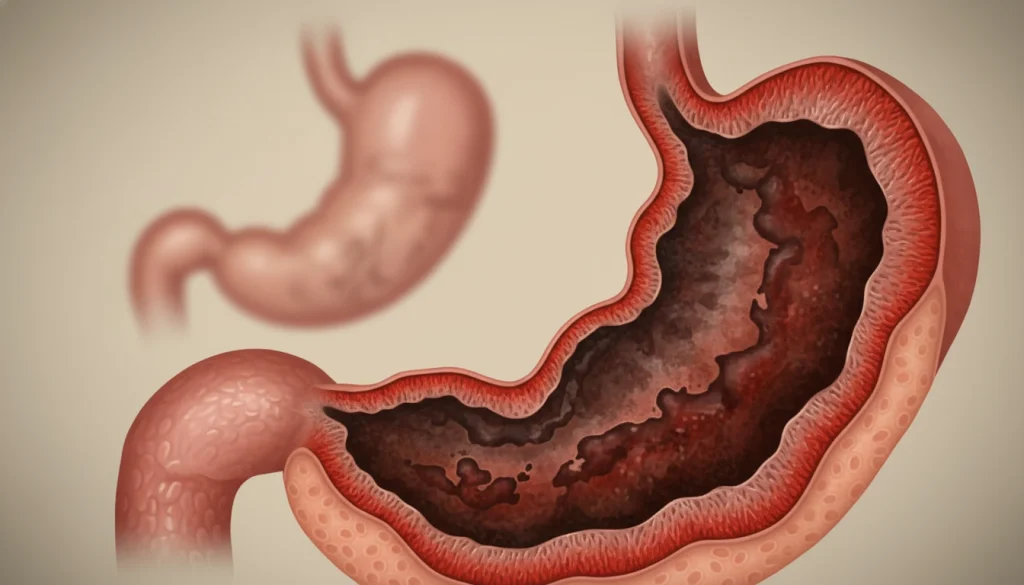
A peptic ulcer is a painful sore that forms on the inside of your stomach or the top of your small intestine. It can cause a lot of pain, showing that your digestive system needs help.
Knowing how these sores form is key to healing. Learning about your digestive health helps you know when to seek medical help. A peptic ulcer should not be ignored. Getting medical care quickly is crucial for a full recovery.
We want to help you understand so you can work well with your doctors. Being informed lets you make choices that help your health and comfort.
Key Takeaways
- A sore in the stomach or small intestine lining is known as a peptic ulcer.
- These lesions often result from imbalances in digestive fluids.
- Recognizing early symptoms is vital for effective medical treatment.
- Professional clinical intervention ensures proper healing and prevents complications.
- Informed patients play a crucial role in their own recovery process.
Understanding the Anatomy of a Peptic Ulcer
To grasp how a peptic ulcer forms, we need to understand the stomach’s defenses. The digestive tract has a special lining to protect it from digestive juices. If this lining weakens, the stomach wall can get hurt.
The Role of the Stomach Lining
The stomach lining makes a thick mucus and bicarbonate layer. This layer shields the stomach from acid. If it’s damaged, the stomach tissue can get irritated.
How Acid and Pepsin Interact
Hydrochloric acid and pepsin are key for breaking down food. They work together to digest proteins without harming the stomach. But if the lining fails, these chemicals can start to eat away at the stomach wall, causing a peptic ulcer.
Differentiating Gastric and Duodenal Ulcers
It’s crucial to know the difference between gastric and duodenal ulcers. Gastric ulcers are in the stomach lining, while duodenal ulcers are in the small intestine. Knowing this helps us understand the type of pain better.
| Feature | Gastric Ulcer | Duodenal Ulcer |
|---|---|---|
| Primary Location | Stomach wall | Small intestine |
| Pain Timing | Often worsens with food | Often improves with food |
| Common Cause | NSAID use | H. pylori infection |
| Peptic Ulcer Type | Gastric | Duodenal |
Knowing where a peptic ulcer is helps doctors treat it better. Each type needs special care to heal and keep the digestive system healthy.
The Primary Causes of Peptic Ulcer Development
Understanding the causes of a peptic ulcer is key to better care. The stomach is made to handle acid, but some factors can upset this balance. Knowing these triggers helps protect your digestive system.
Helicobacter pylori Infection Mechanisms
Helicobacter pylori is the main cause of peptic ulcers. This bacterium lives in the stomach, making it less acidic for itself. It breaks down the stomach’s protective layer, making it more prone to acid damage.
Long-term Nonsteroidal Anti-inflammatory Drug Use
NSAIDs, like common pain relievers, are another big risk. They stop the stomach from making protective chemicals. This makes the stomach more likely to get hurt.
People taking these drugs for long-term pain should talk to their doctors. There might be safer options or ways to protect the stomach.
Lifestyle Factors and Their Impact
Lifestyle choices can also increase the risk of a peptic ulcer. While they don’t cause ulcers alone, they can weaken the body. Here are some lifestyle factors to watch:
- Chronic smoking, which can slow down stomach healing.
- Too much alcohol, which irritates the stomach lining.
- High stress, which can increase acid and change how the stomach moves.
- Poor diet, lacking nutrients for healing.
Changing these habits can lower the risk of digestive problems. Taking action now is the best way to keep your stomach healthy for the long term.
Recognizing the Symptoms of Peptic Ulcer
Understanding stomach pain patterns is key to effective treatment. Spotting early signs of a peptic ulcer is vital to avoid serious health issues.
Common Signs of Digestive Distress
A burning sensation in the upper abdomen is a common symptom. This pain often happens between meals or at night when the stomach is empty.
Eating certain foods or taking antacids can help. But, it’s important to know this pain is different from general indigestion.
Watch for these signs:
- A dull or gnawing ache in the stomach area.
- Bloating or feeling full after eating small amounts.
- Frequent burping or acid reflux symptoms.
- Unexplained weight loss or loss of appetite.
Identifying Severe Warning Signs
Mild discomfort is common, but some symptoms mean serious damage. These signs need quick medical attention to avoid more harm.
Be careful if you have persistent vomiting with blood or coffee grounds. Also, watch for black, tarry, or bloody stools.
When to Seek Emergency Medical Attention
Some symptoms need immediate action. Sudden, sharp, and severe abdominal pain is a red flag. It may mean a hole in the stomach or intestines.
Other emergency signs include feeling faint, dizzy, or having a fast heartbeat. Listening to your body’s signals is crucial for the right care.
Diagnostic Procedures for Peptic Ulcer
When you feel ongoing stomach pain, our team uses advanced tools to find the cause. Getting a correct diagnosis is key to feeling better. We want to make this process easy and comfortable for you.
Endoscopy and Biopsy Techniques
An upper endoscopy is the best way to find a peptic ulcer. We use a thin, flexible tube with a camera to look at your stomach lining. This lets us see any sores clearly.
If we find something odd, we might take a biopsy. This means we take a small tissue sample for lab tests. This way, we can confirm what’s going on and plan your treatment.
Breath and Stool Tests for H. pylori
We often test for Helicobacter pylori infection, which can cause ulcers. These tests are easy and don’t hurt. They help us find out if you have the bacteria.
- Urea Breath Test: You drink a special solution, and we check your breath for carbon dioxide signs of bacteria.
- Stool Antigen Test: This test looks for bacterial proteins in your stool.
Imaging Studies and Their Limitations
We might use imaging like a barium swallow or X-ray to see your digestive tract. But, these methods are not as common for ulcers anymore.
These studies can miss small lesions or don’t give the detail we need. So, we usually use them when an endoscopy isn’t possible or to look at the area around the stomach.
The Connection Between Stress and Peptic Ulcer
Stress doesn’t cause a peptic ulcer by itself. But it does affect how your body heals. Living with digestive issues can be tough. It’s key to know the facts from myths.
Debunking Common Myths
Many think stress from work or personal life causes stomach sores. But most sores come from bacteria or meds, not stress alone.
Still, stress can make symptoms worse. It doesn’t start the problem, but it makes healing harder for a peptic ulcer.
Physiological Effects of Chronic Stress
Long-term stress changes your body’s digestive setup. These changes can lead to problems:
- More stomach acid, which can irritate sores.
- A weaker immune system that can’t fight infections well.
- Less blood to the stomach lining, slowing healing.
Knowing how stress affects your body helps manage it. Controlling these factors is key for peptic ulcer treatment.
Psychological Factors in Digestive Health
Your mind and body are closely linked. A holistic approach to health is best for peptic ulcer management.
Focus on stress-reducing self-care. This helps your emotional and physical health. It supports your digestive system’s healing.
Dietary Considerations for Managing Peptic Ulcer
Mindful eating is a powerful tool for managing a peptic ulcer. Food itself doesn’t cause these sores. But, certain foods can either soothe or worsen inflammation. Eating nutrient-dense foods helps your body repair tissues effectively.
Foods to Include for Healing
Choosing the right nutrients creates a protective environment in your digestive tract. Focus on foods that are gentle on your stomach and support gut health.
- High-fiber foods: Oatmeal, apples, and carrots can help reduce stomach acid levels.
- Probiotic-rich options: Yogurt and kefir introduce beneficial bacteria that may assist in balancing your gut microbiome.
- Lean proteins: Skinless poultry, fish, and tofu provide essential amino acids without excessive fat that can delay digestion.
Trigger Foods to Avoid
Certain foods can irritate your stomach and hinder healing. Keeping a food diary helps identify which foods cause discomfort.
- Spicy foods: Ingredients like chili powder or hot peppers can increase irritation.
- Caffeine and alcohol: These substances often stimulate excess acid production, which can worsen symptoms.
- Highly acidic foods: Citrus fruits and tomato-based products may cause burning sensations for some individuals.
The Importance of Meal Timing
Meal timing is crucial for digestive stability. Letting your stomach stay empty for too long can lead to acid buildup, irritating a peptic ulcer.
Eating smaller, more frequent meals helps keep your stomach busy. This approach prevents acid buildup and supports digestive health. Consistency is key to feeling comfortable and maintaining long-term digestive health.
Pharmacological Approaches to Treatment
Dealing with peptic ulcer meds can seem tough, but we’re here to help. Today’s medicine has great treatments to cut down stomach acid and fix the root of your problem. Sticking to your meds is key to healing your stomach right.
Proton Pump Inhibitors and Their Function
Proton pump inhibitors, or PPIs, are top-notch for treating peptic ulcers. They stop certain enzymes in your stomach from making acid. This lowers acid levels, helping your stomach heal.
H2 Receptor Antagonists Explained
H2 blockers are another strong option for managing acid. They block histamine, which tells your stomach to make more acid. They help ease symptoms and aid in healing a peptic ulcer.
Antibiotic Regimens for Bacterial Eradication
If H. pylori is behind your problem, meds alone won’t do. We need antibiotics to get rid of the bacteria. It’s important to take all your antibiotics, even if you feel better early.
| Medication Type | Primary Function | Typical Usage |
|---|---|---|
| Proton Pump Inhibitors | Blocks acid production | Daily healing support |
| H2 Antagonists | Reduces acid secretion | Symptom management |
| Antibiotics | Kills H. pylori bacteria | Short-term eradication |
Surgical Interventions for Complicated Cases
Surgery might seem scary, but it’s sometimes the best way to treat serious cases. Most people get better with medicine, but some peptic ulcers need a more hands-on approach. This ensures they heal well and stay safe.
Indications for Surgical Repair
Surgery is for when the stomach lining is badly damaged and medicine can’t fix it. Our team looks at several important things before suggesting surgery for a peptic ulcer.
- Perforation, where the ulcer has created a hole in the stomach or duodenal wall.
- Persistent bleeding that does not stop with endoscopic treatment.
- Gastric outlet obstruction caused by severe scarring or swelling.
- Failure of the ulcer to heal despite months of consistent pharmacological therapy.
Common Surgical Procedures
When surgery is needed, we aim to remove damaged tissue or lower stomach acid. Surgeons might do a partial gastrectomy to remove the ulcer area or a vagotomy to cut acid-stimulating nerves.
In some cases, a pyloroplasty is done to widen the stomach and small intestine opening. These surgeries aim to fix the peptic ulcer and help digestion work right again.
Post-operative Recovery Expectations
Recovery takes time and needs your patience and teamwork with your healthcare team. You’ll start with liquids and then move to soft foods as your stomach heals from the peptic ulcer surgery.
Regular check-ups are key to track your healing and make sure your digestive system is okay. We’re here to help you through every step, guiding you back to full health and energy.
Potential Complications of Untreated Peptic Ulcer
Many people try to handle digestive issues on their own. But ignoring a peptic ulcer can lead to serious problems. It’s crucial to know these risks to protect your health and get medical help fast.
Internal Bleeding Risks
Internal bleeding is a big risk with a peptic ulcer. It happens when the ulcer damages a blood vessel. This can cause slow bleeding or a sudden, severe hemorrhage.
You might feel tired, dizzy, or have pale skin because of anemia. If you see dark, tarry stools or vomit that looks like coffee grounds, get help right away.
Perforation and Peritonitis
Perforation is a serious issue where the ulcer makes a hole in the stomach or duodenum. This lets digestive juices and food into the belly.
This can lead to peritonitis, a severe inflammation of the belly lining. It’s a medical emergency. You’ll likely have sharp, intense pain that gets worse when you move. You need surgery fast.
Gastric Outlet Obstruction
Long-term inflammation and scarring from a peptic ulcer can narrow the stomach’s opening. This is called gastric outlet obstruction. It stops food from moving through the digestive system.
You might vomit a lot, feel full quickly, or lose weight without trying. If you can’t keep food down, see a doctor right away to fix your digestion.
| Complication | Primary Cause | Urgency Level |
|---|---|---|
| Internal Bleeding | Erosion of blood vessels | High |
| Perforation | Stomach wall breach | Critical |
| Gastric Obstruction | Scarring and swelling | Moderate to High |
Peptic Ulcer in Special Populations
The impact of a peptic ulcer changes a lot depending on a person’s age. Everyone’s digestive health needs are different. We make sure each patient gets the best and safest care.
Considerations for Elderly Patients
Older adults are more likely to get these sores because they often take many medicines. Many seniors use NSAIDs for pain, which can hurt their stomachs over time.
We check their medicines carefully to lower these risks. We adjust doses or suggest safer options to keep their stomachs healthy while treating other health issues.
Managing Ulcers During Pregnancy
Pregnancy brings special challenges that need careful treatment. If a peptic ulcer is found during pregnancy, we aim to protect both mom and baby.
We steer clear of medicines that could harm the fetus. Instead, we suggest lifestyle changes and safe, approved treatments. We watch closely to make sure the ulcer doesn’t harm the pregnancy.
Pediatric Digestive Health Concerns
Though rare, peptic ulcers in kids are serious and need special care. Symptoms in kids can be hard to spot, making early diagnosis and expert help crucial.
- Pediatric gastroenterologists look for causes like H. pylori.
- Treatments are made to fit the child’s growth and needs.
- We focus on gentle, long-term care for their digestive health.
We are dedicated to giving each patient the care they need, no matter their age. Whether it’s a child or an older adult, we make sure every peptic ulcer gets the attention it deserves.
Preventive Strategies for Long-term Digestive Health
Preventing a peptic ulcer begins with knowing how daily habits affect your stomach. Making smart choices can protect your digestive system and promote long-term health. We aim to equip you with the knowledge to lower risks and keep your gut healthy.
Safe Use of Pain Relievers
Many turn to over-the-counter pain meds, but some can harm your stomach. NSAIDs like ibuprofen or naproxen can raise the risk of a peptic ulcer. If you need pain relief often, talk to your doctor about safer options like acetaminophen.
When NSAIDs are necessary, use the smallest dose for the shortest time. Always take them with food to shield your stomach. This simple step can greatly lower the risk of stomach damage.
Hygiene Practices to Prevent Infection
The Helicobacter pylori bacterium causes many digestive problems and spreads through contaminated food, water, or contact. Good hygiene is key to fighting this infection. Washing your hands often with soap and water is a powerful way to protect yourself.
- Wash your hands well before meals.
- Make sure all food is cooked right.
- Drink water from clean sources to avoid germs.
Maintaining a Balanced Gut Microbiome
A healthy gut microbiome protects your digestive system. By supporting good bacteria, you make your gut less welcoming to harmful invaders that can cause a peptic ulcer. Eating foods high in fiber, like whole grains, fruits, and veggies, helps grow good gut bacteria.
Adding fermented foods like yogurt or kefir to your diet can also help. These foods have probiotics that keep your gut balanced. Avoiding too much processed food and sugar also helps keep your gut healthy. Taking these steps now is crucial for your future digestive health and preventing peptic ulcers.
The Role of Lifestyle Modifications in Recovery
Recovering from a peptic ulcer gets better when you mix medical care with good lifestyle choices. Medication is key, but your daily habits are crucial for lasting health. Making smart choices helps your body fix itself faster.
Smoking Cessation and Digestive Healing
Quitting smoking is a huge step for your stomach. Smoking cuts off blood flow to your stomach, slowing down healing. Stopping smoking boosts blood flow, helping your stomach get the nutrients it needs.
Alcohol Consumption and Stomach Irritation
Alcohol irritates your stomach, making a peptic ulcer worse. It increases acid and slows healing. Try to avoid alcohol while you’re recovering to prevent more irritation and help your treatment work better.
Exercise and Its Role in Gut Motility
Regular exercise is great for your digestive system. It keeps your gut moving well, helping digestion. Try walking or yoga to help your body heal and reduce stress. Always choose activities that feel good and help you relax.
Integrative Approaches to Complementary Care
Looking into integrative therapies can help manage peptic ulcer discomfort. While traditional medicine is key, many want more ways to heal and feel better. We think mixing these methods needs careful, science-backed planning for your health.
Talking to your doctor before trying new supplements or practices is crucial. They can check for any bad interactions with your meds. They also make sure what you choose fits your health needs.
Herbal Supplements and Their Efficacy
Studies on herbal remedies for the stomach are still going on. Some plants might calm the stomach or boost your body’s defenses against irritation.
But, how well these work can differ a lot from person to person. Since your stomach is very sensitive, it’s important to choose safe, clear options:
- Make sure the supplement brand is high quality and pure.
- Talk to a doctor about how much to take to avoid problems.
- Watch how your symptoms change after starting a new supplement.
- Remember, supplements should help, not replace, your peptic ulcer treatment.
Mind-Body Techniques for Symptom Management
Long-term stomach problems can make stress worse, which hurts your stomach more. Mind-body methods can help by calming your nervous system and easing stress on your stomach.
Techniques like mindfulness, deep breathing, and muscle relaxation are easy to try. Spending a few minutes each day on these can make your stomach stronger. These methods help you take charge of your healing and support your main peptic ulcer treatment.
Empowering Yourself Through Informed Digestive Care
Starting your journey to better digestive health begins with understanding peptic ulcers. Knowing how your body reacts to stress helps you make smarter choices daily.
We think informed patients get the best results. At Acıbadem Healthcare Group, our experts are here to guide you. You’re not alone in managing your peptic ulcer.
Building a strong foundation for wellness starts with proactive habits and talking to your doctor often. Even small changes can greatly improve your life. We invite you to ask our experts about your health anytime.
Healing together is key. Stay alert and focus on your health to manage your condition well. We’re excited to support your ongoing health and energy with our top-notch care.
FAQ
Q: What exactly is a peptic ulcer and where does it form?
A: A peptic ulcer is a painful sore in the digestive tract. It can be in the stomach (gastric ulcers) or the small intestine (duodenal ulcers). At Acıbadem Healthcare Group, we say these sores happen when the stomach’s protective layer weakens. This lets stomach acid damage the tissue underneath.
Q: How do I distinguish between a gastric ulcer and a duodenal ulcer?
A: Gastric ulcers are in the stomach and hurt soon after eating. Duodenal ulcers are in the small intestine and feel like hunger pains. These pains get better with food but come back later. Our doctors use tests to find the exact location and plan the right treatment.
Q: Can taking over-the-counter pain relievers cause a peptic ulcer?
A: Yes, long-term use of NSAIDs like Advil or Aleve can cause ulcers. These drugs reduce stomach lining protection. If you need pain relief, talk to your doctor about safer options to avoid ulcers.
Q: Is stress the main cause of stomach ulcers?
A: Stress is not the main cause of ulcers, despite what many think. Most ulcers come from H. pylori bacteria or NSAIDs. But stress can make symptoms worse and slow healing.
Q: What are the red-flag symptoms that require immediate medical attention?
A: Some symptoms mean you need to see a doctor right away. Look out for persistent vomiting, vomit that looks like coffee grounds, or dark, tarry, or bloody stools. These could mean serious problems like bleeding or a hole in the stomach or intestine.
Q: How do we test for a Helicobacter pylori infection?
A: We use several tests to find H. pylori. These include a breath test, a stool test, or sometimes an endoscopy. Finding this bacterium is key to treating it with the right antibiotics.
Q: What dietary changes should I make while healing from a peptic ulcer?
A: Eating right is crucial for healing. Eat foods high in fiber and probiotics, like fruits, veggies, and yogurt. Avoid caffeine, alcohol, and spicy foods. Eating at regular times helps keep stomach acid stable and aids healing.
Q: How do Proton Pump Inhibitors (PPIs) assist in the treatment process?
A: PPIs, like Prilosec or Nexium, reduce stomach acid. This lets the ulcer heal without irritation. We often use them with antibiotics to treat H. pylori infections.
Q: Is surgery always necessary for a peptic ulcer?
A: Most ulcers are treated with medicine and diet changes. Surgery is for serious cases like bleeding or blockages. Our surgeons use minimally invasive methods for repairs when needed.
Q: Can a peptic ulcer come back after treatment?
A: Yes, ulcers can come back if the cause isn’t fully treated. To avoid this, finish all antibiotics, limit NSAIDs, and make lifestyle changes. Regular check-ups and a healthy gut are key to keeping ulcers away.