

Treatment Snapshot
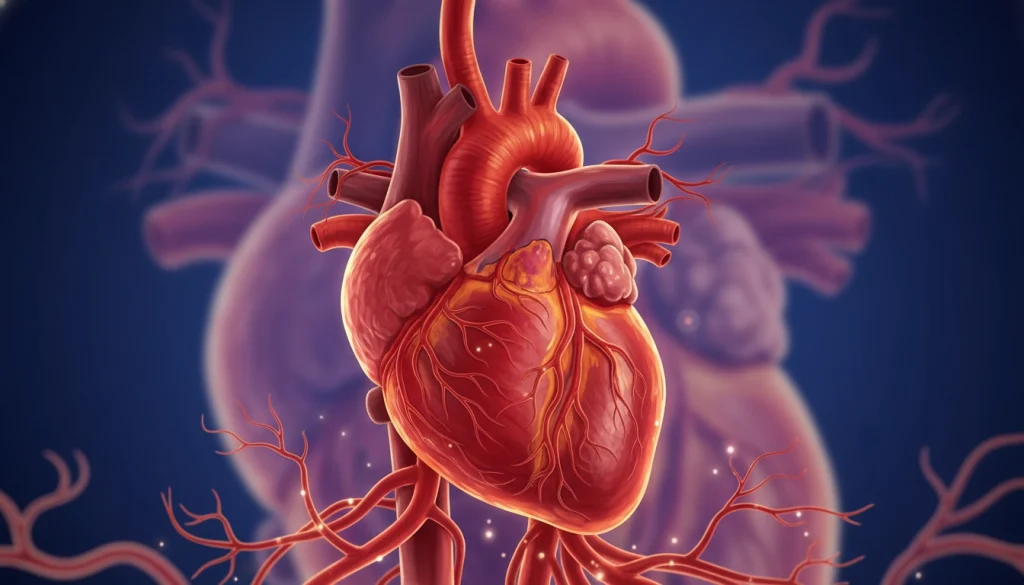
An inflammatory heart happens when the body’s defense system goes wrong. It affects the heart’s delicate tissues. This can cause swelling, which might mess up the heart’s rhythm and function.
It’s important to understand these changes to stay healthy. We think knowing more helps patients make smart choices about their health.
Spotting signs early lets you team up with doctors to control symptoms. We aim to give you the info you need to face health issues with confidence.
Key Takeaways
- Inflammation can impact the delicate tissues of the cardiovascular system.
- Early detection is essential for effective management of cardiac conditions.
- Understanding your body helps you make better healthcare decisions.
- Professional guidance is vital for maintaining long-term wellness.
- We are committed to providing clear, accessible medical information.
Understanding the Anatomy of Heart Inflammation
Looking at the heart’s anatomy helps us see how inflammation affects it. The heart is a complex organ. It needs to work well to keep our blood flowing smoothly. Knowing about these parts shows why an inflammatory heart needs careful medical care.
The Layers of the Heart Wall
The heart wall has three layers, each with its own role. Knowing about these layers helps us see where inflammation can happen.
- Epicardium: This thin outer layer protects the heart.
- Myocardium: This thick middle layer makes the heart pump.
- Endocardium: This smooth inner layer lines the heart chambers and valves.
How Inflammation Disrupts Cardiac Function
Inflammation in the heart can cause big problems. It can make the heart muscle stiff or mess with the heart’s rhythm.
If the heart muscle gets inflamed, it can’t pump blood well. Inflammation in the inner lining can damage valves. This can lead to serious issues. Knowing these risks helps us see why early treatment is so important for inflammatory heart issues.
Defining Inflammatory Heart Conditions
We break down the three main inflammatory heart conditions to help understand them better. Each condition causes swelling and irritation but affects different parts of the heart.
Knowing the differences is key for both patients and doctors. It helps pick the best treatment to avoid serious heart damage.
Myocarditis: Inflammation of the Heart Muscle
Myocarditis hits the heart’s middle layer, called the myocardium. It weakens the heart muscle, making it hard to pump blood well.
When the muscle gets inflamed, it can cause irregular heartbeats or even heart failure. We stress the need to watch it closely to keep the heart working right.
Pericarditis: Inflammation of the Heart Lining
Pericarditis affects the pericardium, a thin sac around the heart. It can cause sharp chest pain, worse when breathing deeply or lying down.
Fluid buildup between the sac layers is common. Treating this inflammatory heart issue focuses on easing pain and finding the cause.
Endocarditis: Infection of the Heart Valves
Endocarditis attacks the heart’s inner lining and valves. It’s usually caused by bacteria or fungi entering the bloodstream and sticking to damaged valves.
Because valves are key for blood flow, this inflammatory heart problem is serious. We act fast to stop valve damage.
| Condition | Primary Location | Clinical Focus |
|---|---|---|
| Myocarditis | Heart Muscle | Pump Function |
| Pericarditis | Protective Sac | Pain Management |
| Endocarditis | Heart Valves | Infection Control |
Common Symptoms and Warning Signs
It’s important to know the early signs of an inflammatory heart condition. The heart is key to our health, and even small changes can be a big deal. If you notice anything different, don’t ignore it. Always talk to a doctor if you’re worried.
Recognizing Chest Pain Patterns
Chest pain is a big sign of heart problems. It might feel sharp or dull, and can get worse when you move. Some people say it feels like a heavy weight.
This pain can happen sometimes or all the time. If you get chest pain that doesn’t go away, write down when and how bad it is. This helps your doctor understand what’s going on.
Identifying Shortness of Breath and Fatigue
Feeling tired or out of breath is another sign. If you get winded easily or feel tired all the time, it’s a clue. These feelings can happen because your heart isn’t working right.
- Difficulty catching your breath during routine tasks.
- Feeling unusually exhausted after minimal exertion.
- A general sense of malaise or weakness.
These signs mean your heart might be inflamed. This makes it hard for your body to get the blood it needs. The whole system can feel the strain.
When to Seek Emergency Medical Attention
Some symptoms need to be seen right away. If you have sudden, bad chest pain that spreads, call 911. Also, if you pass out, feel dizzy, or your heart beats weirdly, get help fast.
If you can’t breathe or feel a lot of pressure, don’t wait. Quick action is key to treating an inflammatory heart condition. This way, doctors can help you sooner and avoid more problems.
Primary Causes and Triggers
An inflammatory heart condition can come from many sources. These can be inside or outside the body. Knowing what causes these problems helps us teach each patient better. It’s key to protecting the heart from harm.
Viral Infections and Their Impact
Viruses often cause heart inflammation. When a virus gets into the body, it can attack the heart. This makes the heart muscle swell and can affect blood flow.
Bacterial and Fungal Pathogens
Some bacteria and fungi are also dangers to the heart. They can get into the blood and settle on the heart. This makes the body fight back, causing inflammation.
Ignoring these infections can lead to serious problems. We stress the need to catch them early. Quick medical action is key to avoiding heart damage.
Autoimmune Disorders and Systemic Inflammation
At times, the body’s immune system attacks the heart. This happens in autoimmune disorders. The immune system sees healthy heart cells as threats, causing long-lasting inflammation.
Dealing with these conditions requires careful treatment. We aim to reduce inflammation in the body. This helps ease the heart’s workload and supports long-term heart health.
Diagnostic Procedures and Testing
When we suspect an inflammatory heart condition, we start a detailed diagnostic process. Our aim is to see the heart’s structure and find signs of stress or damage. By using different clinical tools, we can find out the exact cause of the inflammation and create a treatment plan just for you.
Electrocardiogram and Imaging Techniques
The first step is often an electrocardiogram, or ECG. It records your heart’s electrical activity. This simple test helps us spot irregular heart rhythms that often come with heart inflammation.
We might also use an echocardiogram. It uses sound waves to create images of your heart’s chambers and valves. These images help us see how well your heart pumps blood.
These tests show us if there are any problems with your heart’s pumping or if there’s fluid buildup. Seeing these issues is key to tracking your recovery.
Blood Tests for Cardiac Biomarkers
Lab tests are also important in diagnosing an inflammatory heart condition. We look for specific biomarkers in your blood that show inflammation or heart muscle damage. For example, high troponin levels often mean your heart cells are stressed.
We also check for inflammatory markers like CRP and ESR. These tests show how your body is reacting to the inflammation. By watching these levels, we can see if our treatments are working.
Cardiac MRI and Biopsy Procedures
When other tests don’t give clear answers, a cardiac MRI can provide detailed images of your heart tissue. This advanced imaging helps us find scarring or inflammation that other tests might miss. It’s a precise way to confirm an inflammatory heart diagnosis.
In some cases, we might do an endomyocardial biopsy. This involves taking a small sample of heart tissue for a microscope check. It lets us see the exact type of cells involved in the inflammation. Below is a table that lists the main diagnostic tools we use to protect your heart.
| Diagnostic Tool | Primary Purpose | Clinical Insight |
|---|---|---|
| Electrocardiogram (ECG) | Electrical mapping | Detects rhythm disturbances |
| Echocardiogram | Structural imaging | Assesses pumping function |
| Blood Biomarkers | Chemical analysis | Identifies active inflammation |
| Cardiac MRI | Tissue characterization | Visualizes scarring or edema |
The Role of Viral Pathogens in Cardiac Health
Many of us don’t think about how common viruses can affect our hearts. Some viruses can cause an inflammatory heart issue that needs doctor care. Knowing this can help keep your heart healthy for years to come.
Common Viruses Linked to Myocarditis
Myocarditis is when the heart muscle gets inflamed from an infection. Many common viruses can cause this, often starting with mild symptoms like a cold or stomach bug.
- Coxsackieviruses: These are among the most frequent causes of viral myocarditis.
- Adenoviruses: Often responsible for common colds, these can occasionally affect cardiac tissue.
- Influenza: Seasonal flu strains have been linked to temporary heart inflammation in some patients.
- Parvovirus B19: Frequently associated with skin rashes, this virus can also impact the heart muscle.
The Body Immune Response to Viral Invasion
When a virus enters your body, your immune system fights it off. Sometimes, this fight can go too far and harm healthy heart cells. This misdirected response can lead to an inflammatory heart condition.
This inflammation can weaken the heart and make it hard to pump blood. While the body usually beats the virus, the heart damage might stay. It’s key to catch symptoms early to help your heart heal.
Bacterial Endocarditis and Valve Health
Keeping your heart valves safe from infection is key to good heart health. Bacterial endocarditis happens when bacteria get into your blood and stick to your heart or valves. This can cause your heart to become inflamed and damage the tissues that help blood flow.
Risk Factors for Valve Infections
Some people are more likely to get this serious infection. Those with heart problems or artificial valves are at higher risk. When these areas are damaged, bacteria can more easily grow.
Having had endocarditis before or having certain heart defects also increases your risk. Dental or medical procedures can also introduce bacteria into your blood. Knowing these risks is important for anyone with heart issues.
Preventative Measures for High-Risk Patients
Prevention is the best way to keep your valves safe. For those at high risk, we suggest certain steps to lower the chance of infection. These steps are vital for those with heart inflammation concerns.
- Keep your mouth clean to reduce bacteria.
- Talk to your cardiologist about taking antibiotics before dental or surgery.
- See your doctor right away if you have fever or feel very tired.
- Don’t miss your follow-up appointments to check your heart valves.
By being careful and working with your doctor, you can greatly reduce your risk. Taking care of your heart helps it stay strong against infections.
Autoimmune Diseases and Chronic Heart Inflammation
When the body’s immune system attacks itself, it can cause inflammatory heart issues. We often think of autoimmune diseases as causing joint pain or skin problems. But they can also harm the heart if not treated.
Lupus and Rheumatoid Arthritis Connections
Systemic lupus erythematosus and rheumatoid arthritis are known for affecting the whole body. They can make the immune system attack healthy cells. This can lead to heart problems like pericarditis or inflammation of the heart muscle.
People with these conditions are at a higher risk of heart problems. Knowing this helps us watch for early signs. Catching problems early is key to avoiding heart damage.
Managing Systemic Inflammation to Protect the Heart
Managing your autoimmune disease is key to keeping your heart healthy. Lowering inflammation through specific treatments can prevent heart problems. This helps your heart work well even with a chronic disease.
We recommend working closely with both your rheumatologist and cardiologist. This team approach ensures your treatment covers both your autoimmune symptoms and heart risks. Together, we can offer care that supports your health and vitality.
Treatment Strategies for Acute Inflammation
We focus on easing symptoms and treating the cause of an inflammatory heart condition. When the heart’s lining gets inflamed, we aim to lessen the heart’s work. We also work to find and fix the source of the problem.
Medication Protocols for Pain Management
First, we tackle the pain. Doctors often give specific medicines to ease chest pain from an inflammatory heart issue.
- Non-steroidal anti-inflammatory drugs (NSAIDs) are used to cut down swelling.
- Analgesics help keep patients comfortable during the early stages.
- It’s important to watch the dosage to avoid side effects that could harm the heart.
Anti-Inflammatory Therapies and Steroids
When the immune system gets too active, we use special treatments to calm it down. Corticosteroids are used to reduce inflammation that could harm the heart.
These strong medicines help protect the heart muscle from lasting damage. We keep a close eye on patients to make sure the treatment works right. This way, it fights inflammation without weakening the body’s defense against infection.
Hospitalization and Monitoring Requirements
Many patients with an inflammatory heart condition need to stay in the hospital. This lets our medical teams give constant care and watch over them.
In the hospital, we use advanced tools to watch your heart closely. We do regular tests and scans to see how your heart is doing with the treatment. This vigilant monitoring helps us catch any heart issues right away. It makes sure you get the best care to recover safely.
Surgical Interventions for Severe Cases
For those with a severely damaged inflammatory heart, surgery can offer a new hope. When medicines can’t stop the damage, our surgical teams step in. They work to fix the heart’s structure, which is key for those with major heart tissue damage.
Choosing surgery is a big step towards healing. We recommend it when the heart can’t pump blood well enough on its own. Signs that surgery might be needed include:
- Persistent valve leakage or narrowing that compromises cardiac output.
- Severe structural damage that does not respond to anti-inflammatory medication.
- Acute heart failure that requires immediate mechanical assistance.
- Recurrent infections that threaten the stability of heart valves.
Valve Repair and Replacement Procedures
Inflammation can harm the heart’s valves, leading to scarring or destruction. When an inflammatory heart condition affects valve function, we might repair it. If the damage is too much, we replace the valve with a mechanical or biological one.
These surgeries help blood flow smoothly through the heart. They reduce the heart’s workload and prevent more problems. Our aim is to improve your heart health for the long term.
Mechanical Circulatory Support Options
In severe heart failure, the heart may need temporary help to regain strength. A ventricular assist device (VAD) acts as a lifeline for those with an inflammatory heart. It takes over the pumping, giving the heart a chance to rest and heal.
This technology is a critical support during recovery. It helps stabilize the patient, making it safer for them to heal. We tailor the support to each patient’s needs, working closely with them.
Lifestyle Adjustments During Recovery
Healing from an inflammatory heart event is more than just taking medicine. Changing your daily habits is key to getting your heart healthy again.
Working with your doctor, you can make a plan that’s right for you. This way, your recovery is both safe and works well.
Physical Activity Restrictions
Rest is very important when your heart is healing from inflammation. Doctors usually tell patients to avoid hard exercise or heavy lifting at first.
It’s important to not put too much strain on your heart. Here are some tips for the early stages of recovery:
- Avoid high-intensity workouts such as running or competitive sports.
- Limit heavy lifting that may increase your blood pressure suddenly.
- Prioritize gentle movement like slow walking if your doctor approves.
Nutritional Support for Heart Healing
Eating right is key to reducing inflammation and helping your body heal. A diet rich in heart-healthy foods gives your heart the nutrients it needs.
We suggest eating whole, nutrient-rich foods to aid in your inflammatory heart recovery. Here are some dietary tips:
- Increase your intake of omega-3 fatty acids found in fish and walnuts.
- Choose colorful fruits and vegetables rich in antioxidants.
- Maintain adequate hydration to support healthy blood circulation.
- Reduce processed sugars and sodium to lower unnecessary stress on your heart.
Always talk to your doctor before changing your diet. They can make sure your diet is right for your health and recovery goals.
Long-Term Complications and Monitoring
Life after an inflammatory heart diagnosis can feel uncertain. But, proactive care makes a big difference in your recovery. Many patients heal well, but it’s important to stay vigilant about your cardiac health to prevent future complications.
Risk of Developing Heart Failure
Persistent inflammation can weaken the heart muscle over time. This weakening may lead to heart failure, where the heart struggles to pump blood. Early detection through regular imaging helps us identify these changes before they become severe.
Arrhythmia Management and Follow-up Care
Scarring from an inflammatory heart event can disrupt the electrical signals that control your heartbeat. This may result in irregular rhythms, or arrhythmias, which require consistent monitoring by your medical team. We often use specialized tests to track your heart rhythm and ensure your valves remain healthy, as conditions like mitral valve stenosis can sometimes complicate long-term recovery.
- Schedule routine echocardiograms to monitor muscle function.
- Keep a log of any palpitations or unusual fatigue.
- Attend all follow-up appointments to adjust your medication plan.
By staying engaged with your care team, you can manage these risks effectively. We are here to support your journey toward a healthier, more stable future.
Pediatric Considerations for Heart Inflammation
Pediatric heart health is unique and requires careful attention. When checking a child for an inflammatory heart issue, we must use special criteria. This ensures we don’t miss anything important.
Unique Challenges in Diagnosing Children
Children often find it hard to describe chest pain or discomfort. They might show small changes in behavior instead. This requires a very sensitive approach from pediatric experts.
Signs that need a closer look include:
- Unexplained irritability or lethargy.
- Poor feeding habits in infants.
- Rapid or labored breathing during rest.
- Persistent fever without a clear source.
It’s also important to think about conditions like multisystem inflammatory syndrome in children (MIS-C). This can cause heart inflammation after a viral infection. Spotting these early is key to managing them well.
Recovery Outlook for Younger Patients
We want to reassure families about their children’s heart health. Young patients often bounce back quickly. With quick and focused care, their heart health can improve greatly.
Children usually do well with treatments that help reduce swelling and support the heart. Regular check-ups help us keep track of their progress. This ensures their heart stays healthy as they grow.
Preventative Strategies for Heart Health
Preventing an inflammatory heart condition is possible with the right lifestyle and medical care. Taking care of your heart starts with simple habits. These habits protect your body from stress and lower your risk of heart problems.
Vaccination and Infection Control
Infections can trigger heart inflammation. So, keeping your immune system strong is key. Getting vaccinated, like the flu shot and COVID-19 boosters, helps fight off harmful germs before they harm your heart.
Good hygiene is also essential. Here are some daily habits to help you stay safe:
- Wash your hands often with soap and water for at least twenty seconds.
- Avoid being close to people who are sick.
- Keep your home clean to stop the spread of germs.
Managing Chronic Health Conditions
Health issues like high blood pressure and diabetes can harm your heart. They put a lot of stress on your heart, leading to damage over time if not managed.
It’s important to work with your doctor to control these conditions. Regular check-ups and following your medication plan help keep your heart healthy.
We encourage you to take control of your health. By making smart choices every day and staying proactive, you can manage your risks. This way, you can keep your heart strong for many years.
The Future of Inflammatory Heart Research
Modern medicine is quickly improving to tackle the inflammatory heart better. We’re moving towards more personalized and effective treatments. Our team is committed to using these new discoveries to help our patients.
Advancements in Targeted Immunotherapy
Researchers are making big steps in targeted immunotherapy. These treatments aim to fine-tune the immune system, not just shut it down. They focus on specific areas to protect the heart while keeping the body’s defenses strong.
This is a big step forward in treating an inflammatory heart. Soon, these therapies will give patients more specific treatment options. Precision medicine is key to our future care plans.
Emerging Diagnostic Technologies
Early detection is key in fighting cardiac disease. New imaging tech lets us see inflammation at the cellular level early. These non-invasive methods give us a clear view of the heart’s health without invasive tests.
We’re also looking into advanced biomarkers for early signs of an inflammatory heart. By using these tools and real-time data, we can treat the disease when it’s most manageable. Our dedication to these innovations means we can offer top-notch care to all our patients.
Prioritizing Long-Term Cardiac Wellness
Managing an inflammatory heart condition means taking charge of your health every day. It’s important to keep in touch with your doctors at Acıbadem Healthcare Group. This way, your treatment plan can grow with you.
Knowing about your heart condition helps you make smarter choices for your future. We think learning about your heart is key to getting better and staying stable. It gives you the power to face any challenges that come your way.
Working with your healthcare team is essential for your well-being. We’re committed to helping you with the tools and advice you need. Always feel free to ask your doctors about your symptoms or how you’re doing.
Improving your heart health is an ongoing journey with big benefits. We’re here to support you at every step. By keeping an eye on your heart, you can enjoy a better life for many years.
FAQ
Q: What exactly is an inflammatory heart condition?
A: An inflammatory heart condition means the heart’s tissues get swollen and irritated. This usually happens when the body fights off an infection or reacts to an overactive immune system. At Acıbadem Healthcare Group, we teach our patients that while inflammation is a natural defense, it can disrupt the heart’s balance. This requires professional help to ensure long-term health.
Q: Which layers of the heart wall are most susceptible to inflammation?
A: The heart has three main layers: the epicardium, myocardium, and endocardium. Inflammation can affect any of these layers. Knowing this helps us understand how swelling can affect the heart’s pumping ability.
Q: What are the differences between myocarditis, pericarditis, and endocarditis?
A: Myocarditis is inflammation of the heart muscle, which can weaken it. Pericarditis affects the sac around the heart. Endocarditis is an infection of the heart’s inner lining and valves. All three need a thorough medical check-up to prevent damage.
Q: What warning signs should I look for if I suspect heart inflammation?
A: Look out for sharp chest pain, fatigue, and shortness of breath, even when resting. Severe chest pressure or trouble breathing needs emergency care. Spotting these signs early at a place like Acıbadem Healthcare Group can greatly improve your outcome.
Q: What are the primary triggers for an inflammatory heart response?
A: Triggers include viral infections, bacterial and fungal pathogens, and autoimmune disorders. We look at each patient’s history to find these causes and tailor treatments.
Q: How do healthcare professionals diagnose heart inflammation?
A: We use ECGs, blood tests, and imaging like MRI or biopsy to confirm inflammation. These tools help us understand the extent of the inflammation and plan treatment.
Q: How can a common virus lead to myocarditis?
A: Viruses can cause the immune system to attack the heart muscle. This can lead to inflammation and changes in heart function. Monitoring these responses is key to managing heart recovery after a viral infection.
Q: Why is bacterial endocarditis particular dangerous for heart valves?
A: Bacterial endocarditis can damage heart valves by forming vegetations. For those with pre-existing valve issues, we recommend preventive measures and strict infection control to protect the heart.
Q: What is the connection between autoimmune diseases and chronic heart inflammation?
A: Autoimmune diseases like lupus can cause systemic inflammation, affecting the heart. We work with cardiologists and rheumatologists to manage these conditions and reduce heart risks.
Q: What treatment protocols are typically used for acute heart inflammation?
A: We start with pain and swelling medications like NSAIDs or colchicine. In severe cases, we may use steroids or immunosuppressants. Patients often need hospital care for constant monitoring.
Q: When is surgical intervention necessary for inflammatory heart conditions?
A: Surgery is needed for severe damage, like a ruptured valve or fluid buildup. We may repair or replace valves. In life-threatening cases, we use mechanical support devices like LVADs.
Q: What lifestyle adjustments should I make during my recovery?
A: Recovery needs patience and a focus on heart health. We advise avoiding strenuous activities and following an anti-inflammatory diet. This helps the heart heal and supports long-term wellness.
Q: Are there long-term complications I should be aware of?
A: Severe or untreated inflammation can lead to heart failure or arrhythmias. Regular follow-ups and monitoring are key. Early detection and management help ensure a full, active life.
Q: How does heart inflammation affect pediatric patients differently?
A: Children may show symptoms like poor feeding or irritability, making diagnosis tricky. At Acıbadem Healthcare Group, we use specialized pediatric care to catch issues early. With timely, focused care, children have a good recovery outlook.
Q: What proactive steps can I take to prevent heart inflammation?
A: Stay current with vaccinations and practice good hygiene to avoid infections. Managing chronic conditions like hypertension or diabetes is also important. These steps help reduce inflammation and support your heart’s health.
Q: What is the future of research regarding the inflammatory heart?
A: Cardiology is advancing, with new treatments and diagnostic tools. Targeted immunotherapy and early detection technologies are promising. We aim to bring these innovations to our patients for top-notch care.
Q: How can I maintain long-term cardiac wellness after experiencing inflammation?
A: Keeping your heart healthy is an ongoing journey. Stay connected with your healthcare team, attend follow-ups, and stay informed. With expert guidance and informed lifestyle choices, your heart can stay strong and healthy.