

Treatment Snapshot
Getting a bone injury can be really tough. You might feel lost and unsure about what to do next. Our main goal is to help you understand what’s happening and feel more confident about getting better.
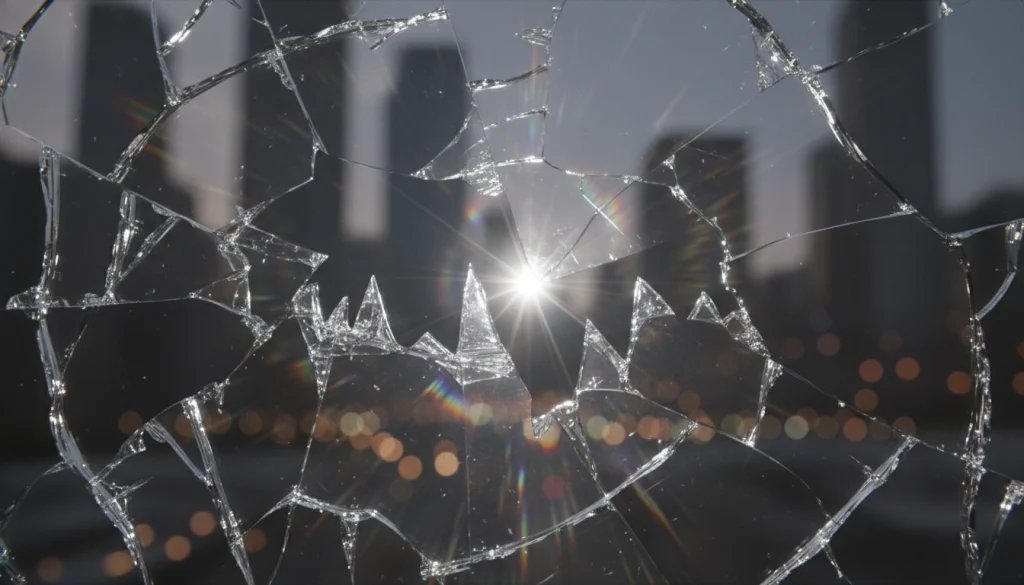
A bone break means your skeleton is not whole anymore. We want to help you understand this in simple terms. This way, you can work with our team to make the best health choices for you.
We’re here to support you every step of the way. Learning about these injuries is the first step to getting stronger and doing things you love again.
Key Takeaways
- A bone break is defined as a loss of continuity in the skeletal structure.
- Early medical evaluation is essential for proper alignment and healing.
- Our team prioritizes patient education to help you make informed treatment choices.
- Recovery timelines vary based on the location and severity of the injury.
- Collaborative care between patients and clinicians leads to better long-term outcomes.
Understanding the Anatomy and Physiology of Bone Fractures
To truly grasp the nature of bone fractures, we must first look at the remarkable biological design of the human skeleton. Our bones are far more than just static, solid pillars; they are living, dynamic tissues that constantly adapt to the physical demands of our daily lives.
This continuous process of remodeling allows our skeletal system to remain resilient. By understanding this internal architecture, we can better appreciate how injuries happen when these natural defenses are overwhelmed.
How Bones Maintain Structural Integrity
The strength of our skeleton relies on a precise balance between two primary components. This synergy ensures that our bones are both hard enough to provide support and flexible enough to absorb impact.
- Mineral Density: Primarily composed of calcium and phosphate, these minerals provide the necessary hardness and rigidity.
- Organic Collagen Fibers: This protein matrix acts like a flexible scaffold, preventing the bone from becoming too brittle.
When these elements work in harmony, the skeleton effectively distributes the weight and pressure we encounter during movement. If this balance is disrupted, the structural integrity of the bone may become compromised over time.
The Mechanics of Bone Failure
A fracture occurs when the external force applied to a bone exceeds its inherent ability to absorb energy. Think of this as a threshold where the bone’s material properties can no longer withstand the stress placed upon it.
Different types of bone fractures arise depending on the direction and intensity of the force. For instance, a sudden twist may cause a spiral break, while a direct impact might result in a transverse fracture.
“The skeleton is a living organ that responds to the stresses of life, constantly rebuilding itself to maintain the structural integrity required for human movement.”
By studying these mechanics, we gain insight into why certain areas of the body are more susceptible to injury than others. Recognizing these physiological limits is a key step in preventing future bone fractures and promoting long-term skeletal health.
Common Causes and Risk Factors for Broken Bones
Broken bones come from many sources, both inside and outside our bodies. They can happen from sudden accidents or health problems. Knowing what causes them helps us keep our bones strong over time.
High-Impact Trauma and Accidents
Most broken bones happen because of sudden injuries. Things like falling from a high place, car accidents, or sports injuries put a lot of pressure on our bones.
When the force on a bone is too much, it breaks. These breaks need quick medical help to heal right.
Pathological Fractures and Underlying Conditions
Even small forces can break a bone if it’s already weak. This is called a pathological fracture. It happens when a disease has made the bone fragile.
Things like osteoporosis, bone tumors, and metabolic diseases can make bones weak. This makes them more likely to break.
Age-Related Bone Density Decline
As we get older, our bones change. Bone density often drops after 30, making bones more breakable.
This is especially true for women after menopause and older adults. Eating right and staying active helps keep bones strong as we age.
| Risk Factor Category | Primary Mechanism | Common Examples |
|---|---|---|
| High-Impact Trauma | Excessive external force | Falls, sports collisions |
| Pathological | Weakened bone structure | Osteoporosis, tumors |
| Age-Related | Natural density loss | Osteopenia, aging |
Knowing about these risks helps us prevent injuries. By tackling both outside dangers and health issues, we can lower the chance of broken bones.
Recognizing the Clinical Symptoms of Fractures
Spotting fracture symptoms early can make a big difference. It can lead to a quicker recovery or avoid long-term problems. Knowing how to identify a broken bone is key to making the right health choices.
Immediate Physical Indicators
The body often shows clear signs when a bone breaks. You might feel intense pain that gets worse with movement. Also, you might see a visible deformity, like an unnatural angle or a bump.
Swelling and bruising quickly appear around the injury. A big sign is not being able to put weight on the limb or do daily tasks. If you notice these signs, be careful until a doctor checks it out.
Differentiating Between Sprains and Fractures
Telling a sprain from a fracture can be tough without tests. Both can cause swelling and limited movement. But, a fracture usually hurts more and doesn’t get better with rest.
“The most reliable way to confirm the nature of an injury is through diagnostic imaging, as clinical examination alone can sometimes be misleading.”
It’s best to be cautious if you’re not sure. If you’re unsure, getting a doctor’s opinion is the safest choice.
When to Seek Emergency Medical Attention
Some injuries need quick medical help to avoid more damage. You should go to the emergency room if you see:
- The bone sticks out through the skin, which is an open fracture.
- The limb looks severely deformed or is at an odd angle.
- You feel numbness, tingling, or loss of feeling in the injured area.
- The limb is pale, cold, or blue, which means blood flow might be cut off.
Spotting these fracture symptoms means you get the care you need fast. Quick medical help is key to keeping your mobility and health safe.
Comprehensive Classification of Fractures
We sort bone injuries into different groups to meet your specific needs. By knowing the exact fracture type, we can guess how long it will heal and pick the best way to fix it. This knowledge helps you take a big role in your recovery.
Closed Versus Open Fractures
The main difference in bone injuries is if the skin is broken. A closed fracture means the bone breaks but the skin stays whole. This greatly lowers the chance of infection.
An open fracture, however, means the bone breaks through the skin. This is a big deal because the bone can get infected with bacteria. You need urgent medical attention for this.
Displaced and Non-Displaced Classifications
Another way we classify injuries is by how the bone pieces line up. A non-displaced fracture is when the bone cracks but stays in place.
A displaced fracture is when the bone pieces move out of place. This usually needs a special procedure to get them back in line. This ensures the bone heals right.
Complex Fracture Patterns
Some injuries are more complicated than simple breaks. For example, a comminuted fracture is when the bone breaks into three or more pieces. A spiral fracture happens when the bone twists and breaks.
| Fracture Category | Primary Characteristic | Clinical Concern |
|---|---|---|
| Closed | Skin remains intact | Standard healing |
| Open | Skin is broken | High infection risk |
| Displaced | Fragments shifted | Requires realignment |
| Non-Displaced | Fragments aligned | Stable positioning |
Diagnostic Procedures and Imaging Techniques
Understanding bone injuries needs both clinical skills and advanced tech. We aim for quick and accurate checks to give you the best care. Spotting the right types of fractures early helps avoid problems and speeds up healing.
The Role of X-Ray Imaging
X-rays are our first choice for diagnosing fracture symptoms. They use electromagnetic waves to show your bones clearly. This helps us see if the bone is just cracked or badly broken.
X-rays are fast and easy to get, making them the top choice for first checks. They give us the proof we need to start treating your injury right away.
Advanced Diagnostics: CT and MRI Scans
When X-rays aren’t enough, we turn to CT and MRI scans. A CT scan gives us a 3D view of the bone, perfect for complex injuries. This helps us plan surgeries better.
An MRI scan looks at soft tissues like ligaments and tendons. It’s great for finding small fractures that X-rays might miss. These scans help us understand your injury fully.
Physical Examination Protocols
Our diagnosis isn’t just about tech. A detailed physical check is key to see how you’re feeling. We check for pain, swelling, and how well you can move.
This hands-on check matches what you tell us with what our scans show. It lets us make a recovery plan that fits you perfectly.
| Diagnostic Tool | Primary Use | Best For |
|---|---|---|
| X-Ray | Initial screening | Bone alignment and breaks |
| CT Scan | Detailed cross-sections | Complex or joint fractures |
| MRI Scan | Soft tissue imaging | Ligaments and hairline cracks |
Immediate First Aid and Fracture Management
If you think someone has broken bones, acting fast is key. The right care right away can lessen pain and avoid more harm. It’s important to stay calm and check the injury safely.
Stabilization and Immobilization Techniques
The main goal is to stop the injured area from moving. This helps protect the bone ends and soft tissues. If you think it’s a fracture, use a splint or something to hold the limb still.
Don’t try to fix the limb or push bones back into place. Just use soft things like towels to keep it still. This is a basic step in fracture management.
Managing Pain and Swelling
After stabilizing, focus on easing pain and swelling. A cold pack wrapped in cloth can help. Ice for 15 to 20 minutes at a time is best, but not directly on skin.
Try to keep the injured limb up to help fluid drain. Watch for signs of shock like pale skin or fast breathing. Wait for medical help while keeping an eye on the patient.
Avoiding Common First Aid Mistakes
It’s easy to make mistakes when trying to help. One big error is trying to fix a deformed limb yourself. Only doctors should do this to ensure proper healing.
Another mistake is giving food or water before the hospital. An empty stomach is often needed for surgery. Here’s a table to guide you on broken bones care.
| Action | Recommended Approach | Mistake to Avoid |
|---|---|---|
| Immobilization | Use a splint to keep the area still. | Trying to straighten the bone. |
| Swelling Control | Apply ice packs for 20 minutes. | Applying ice directly to skin. |
| Patient Care | Keep the person warm and calm. | Giving food or drink prematurely. |
| Medical Help | Seek professional assessment. | Ignoring signs of numbness. |
Surgical Interventions for Severe Bone Injuries
Severe bone injuries often need surgery to fix both form and function. If a break is unstable or has many pieces, it can’t heal on its own. Our team specializes in fracture surgery to align bone pieces for better long-term health.
Internal Fixation Methods
Internal fixation stabilizes bones from inside the body. Surgeons use metal plates, screws, or rods to hold the bone in place. This helps the body heal naturally.
This method lets patients move earlier and reduces stiffness in joints. It’s key for those needing to move safely again.
External Fixation Devices
For complex or open fractures, we use external fixation. This involves pins or wires in the bone connected to a frame outside the skin. It keeps the bone stable while soft tissues heal.
External fixation is temporary until the patient is ready for more permanent fixes. It’s crucial for managing severe trauma where internal hardware is risky.
Bone Grafting and Reconstruction
Severe injuries can cause bone loss, making healing hard. Bone grafting fills gaps and promotes new bone growth. It uses healthy bone tissue to fix damaged areas.
Our team works hard to rebuild bone health with these advanced methods. Through fracture surgery and reconstruction, we aim to improve your mobility and quality of life. Effective fracture management is our main goal at every stage of your recovery.
Non-Surgical Approaches to Fracture Treatment
Not every bone injury needs surgery to heal. Many fractures can be treated with non-invasive methods that let the body fix itself. Choosing the right fracture treatment can avoid the risks of more complex surgeries.
If a bone is stable enough, we focus on helping it heal without fracture surgery. This approach makes sure you’re comfortable while also fixing the bone’s structure over time.
Casting and Splinting Techniques
To help the bone heal right, we keep the injured area still. We use casting and splinting to do this. These methods keep the area from moving while it heals.
A cast provides strong support for a long time. A splint is used first to let swelling go down. Here are the main benefits of these methods:
- They prevent bone fragments from moving during healing.
- They reduce pain by limiting movement at the fracture site.
- They protect the injured area from bumps or pressure.
Traction and Closed Reduction
Sometimes, bone fragments might not be aligned right. We do closed reduction to move them back into place. This is done under local anesthesia to keep you comfortable.
We might use traction to keep the bone aligned. Traction uses weights and pulleys to gently pull on the limb. This helps the bone stay in place while the healing starts.
| Method | Primary Purpose | Duration |
|---|---|---|
| Splinting | Initial stabilization | Short-term |
| Casting | Long-term immobilization | Weeks to months |
| Traction | Bone realignment | Temporary |
Monitoring Healing Progress
We keep an eye on your recovery even after the initial treatment. We check on your healing with regular visits and imaging. These checks help us make sure the bone is healing right.
If we see any issues, we can change your treatment plan right away. This way, your recovery stays on track. It also tells us when it’s safe to remove your cast or start physical therapy.
The Biological Process of Fracture Healing
When you get a bone fracture, your body starts a complex healing process right away. This shows how strong and resilient our bones are. Knowing about these stages helps you understand how long it will take to heal.
Inflammatory Phase and Hematoma Formation
When a bone breaks, your body quickly responds with inflammation. Blood vessels near the injury burst, creating a blood clot called a hematoma.
This clot is like a temporary shield, protecting the area and telling your immune system to clean up. It’s a key step in fracture healing, making room for new tissue to grow.
Soft and Hard Callus Development
After the inflammation, your body starts to fill the gap between the bone ends. Special cells make a soft callus of cartilage and collagen, giving the area some stability.
As time goes on, this soft tissue turns into a hard, bony bridge called a hard callus. You can see this on scans as the bone starts to mend.
Bone Remodeling and Restoration
The last stage of fracture healing is called remodeling. Here, the body replaces the hard callus with strong, compact bone tissue.
This makes sure the bone gets back to its original strength and shape. This process can take months but is crucial for your long-term health and mobility.
| Healing Stage | Primary Action | Estimated Duration |
|---|---|---|
| Inflammatory | Hematoma formation | Days 1–5 |
| Soft Callus | Cartilage bridging | Weeks 2–3 |
| Hard Callus | Bony union | Weeks 4–12 |
| Remodeling | Structural refinement | Months to Years |
Rehabilitation and Physical Therapy Strategies
Rehabilitation is key to moving from healing to living your life again. After being still for a while, your joints and muscles might feel stiff or weak. We create special fracture treatment plans to help you get back to doing things on your own safely and well.
Restoring Range of Motion
The first step in physical therapy is to make the affected area more flexible. Long periods of rest can make tissues tight. We help you do gentle, controlled movements to slowly increase your joint’s mobility.
- Passive stretching to reduce stiffness.
- Active range-of-motion exercises to improve coordination.
- Consistency in daily practice to prevent scar tissue buildup.
Strengthening Muscles Around the Injury
When your range of motion gets better, we focus on building muscle mass that may have decreased during recovery. Strengthening the muscles around the injury is crucial for supporting the bone and joint. This part of fracture treatment is important for long-term stability and avoiding future problems.
We use progressive resistance training to help your muscles get stronger without putting too much strain on the healing area. Our team keeps a close eye on your progress to adjust the intensity of your exercises as you get stronger.
Gradual Return to Daily Activities
Going back to your usual routine should be done step by step, not all at once. We help you set specific goals, like lifting things or playing sports again. By practicing these movements in a safe way, we make sure you’re ready for your daily life’s demands.
| Rehab Phase | Primary Focus | Expected Outcome |
|---|---|---|
| Early Stage | Range of Motion | Reduced joint stiffness |
| Middle Stage | Muscle Strengthening | Improved joint stability |
| Final Stage | Functional Training | Return to daily activities |
We think that your active involvement is the best way to fully recover. By sticking to these structured steps, you can regain your confidence and physical health after your injury.
Nutritional Support for Optimal Bone Recovery
Choosing the right nutrients helps your body heal from fractures. Good nutrition is key for bone repair and health. Eating the right foods boosts your body’s ability to mend bones and keep them strong.
Essential Minerals for Bone Health
Minerals are the building blocks for new bone tissue. Calcium is famous for bone strength, but it needs partners to work well. Magnesium helps calcium make bones strong and flexible during healing.
Eat foods rich in minerals every day. Include leafy greens, dairy, nuts, and seeds. These foods help your body rebuild damaged bones.
The Role of Vitamins in Healing
Vitamins help your body use minerals better. Vitamin D is key for absorbing calcium from food. Without enough vitamin D, healing fractures is harder.
Vitamin C is also vital. It helps make collagen, which is the base for new bone. Eating citrus fruits, bell peppers, and strawberries boosts collagen production.
Dietary Adjustments During Immobilization
When you’re not moving much, your metabolism changes. Eating enough protein is crucial to avoid muscle loss. Choose lean proteins like poultry, fish, beans, or tofu.
The table below shows important nutrients for recovery:
| Nutrient | Primary Benefit | Food Sources |
|---|---|---|
| Calcium | Bone mineralization | Milk, yogurt, kale |
| Vitamin D | Calcium absorption | Salmon, egg yolks, sunlight |
| Vitamin C | Collagen production | Oranges, kiwi, broccoli |
| Magnesium | Structural integrity | Almonds, spinach, black beans |
Changing your diet for recovery can greatly help. Focus on these nutrients to aid in healing. Always talk to your doctor before changing your diet or adding supplements.
Evidence-Based Strategies for Fracture Prevention
Keeping you active and healthy is our main goal. By taking proactive steps, you can lower the chance of getting fractures in the future. We think a mix of being aware of your surroundings and staying physically fit is key for strong bones.
Home Safety and Fall Prevention
Many accidents happen at home, often because of simple dangers we overlook. Making simple changes to your home can greatly help prevent fractures. Here are some steps to make your home safer:
- Clear walkways of clutter, cords, and loose rugs.
- Put in grab bars in bathrooms and near stairs for extra support.
- Make hallways and entryways brighter to avoid tripping.
Exercise Programs for Bone Density
Exercise is crucial for keeping your bones strong. Regular activities that boost bone density help your bones resist stress. Walking or jogging, for example, helps build bone cells.
“The secret of getting ahead is getting started, and the same applies to building a foundation for lifelong bone health through consistent movement.”
Resistance training is also vital for fracture prevention. Lifting weights or using bands increases bone density. This makes your bones stronger and more resilient over time.
Protective Gear in Sports and Work
High-impact injuries are common in sports and work. We urge everyone to wear protective gear to reduce these risks. Whether biking, playing sports, or working in a risky job, the right gear is crucial.
Wearing helmets, wrist guards, and proper shoes helps absorb shock during falls or impacts. By focusing on safety gear, you’re taking a big step towards avoiding fractures. Remember, safety is a daily choice that keeps you mobile for the future.
Navigating the Long-Term Recovery Journey
Healing from a bone injury takes time, effort, and the right help. We’re here to support you every step of the way. By staying informed and involved in your care, you can face this journey with confidence.
Getting back to full health is more than just waiting for the bone to heal. You need to keep up with physical therapy and live a healthy lifestyle. Knowing how long to recover from knee or other orthopedic surgeries helps set realistic goals for your healing.
We want you to see your recovery as a team effort with your doctors. Regular exercise and good nutrition are key to your success. These habits are crucial for preventing future fractures and keeping you healthy.
Our aim is to make sure you’re ready to enjoy your favorite activities again. We offer the tools you need to keep your joints and bones strong. Your commitment to these steps will benefit you for many years.
FAQ
Q: What exactly is a fracture, and how does it differ from a regular break?
A: A fracture and a broken bone mean the same thing. It’s when a bone breaks due to too much force. This can be a small crack or a big break into pieces.
Q: How do I know if I have a fracture or just a severe sprain?
A: Telling the difference can be hard without a doctor’s help. Look for signs like a limb that looks different, swelling, a lot of pain, and not being able to stand. If you see these, get help right away.
Q: What are the most common causes and risk factors for sustaining broken bones?
A: Broken bones often happen from big accidents or falls. Age can also play a part, especially if bones get weaker with time.
Q: What are the different types of fractures that require medical attention?
A: There are many kinds of fractures. Some are closed, where the skin doesn’t break. Others are open, where it does. We also look at if the bone is out of place or not.
Q: When is fracture surgery necessary instead of a simple cast?
A: Surgery is needed for big breaks or when bones don’t fit right. Doctors use metal or other devices to fix the bone. This helps it heal better.
Q: What imaging techniques are used for fracture management and diagnosis?
A: We use X-rays to see bone breaks. For more complex cases, we might use CT scans or MRI scans. These help us plan the best treatment.
Q: What should I do for first aid immediately after a bone injury?
A: First, keep the injured area still. Don’t move it. Ice can help with swelling. But, get medical help as soon as you can.
Q: How long does the fracture healing process typically take?
A: Healing bones go through stages. It starts with inflammation, then soft and hard callus, and finally, bone remodeling. It can take months for bones to fully heal.
Q: Why is physical therapy essential after a bone has healed?
A: After healing, muscles and joints can get weak. Physical therapy helps get movement back and strengthens muscles. It’s important for a full recovery.
Q: Can nutrition and supplements help accelerate bone recovery?
A: Yes, eating right is key for bone healing. Foods with calcium and magnesium help. Vitamins D and C also play a role in healing.
Q: What are the best evidence-based strategies for fracture prevention?
A: Preventing fractures means taking care of your bones. Exercise, making your home safe, and wearing protective gear are all important. They help keep bones strong.