

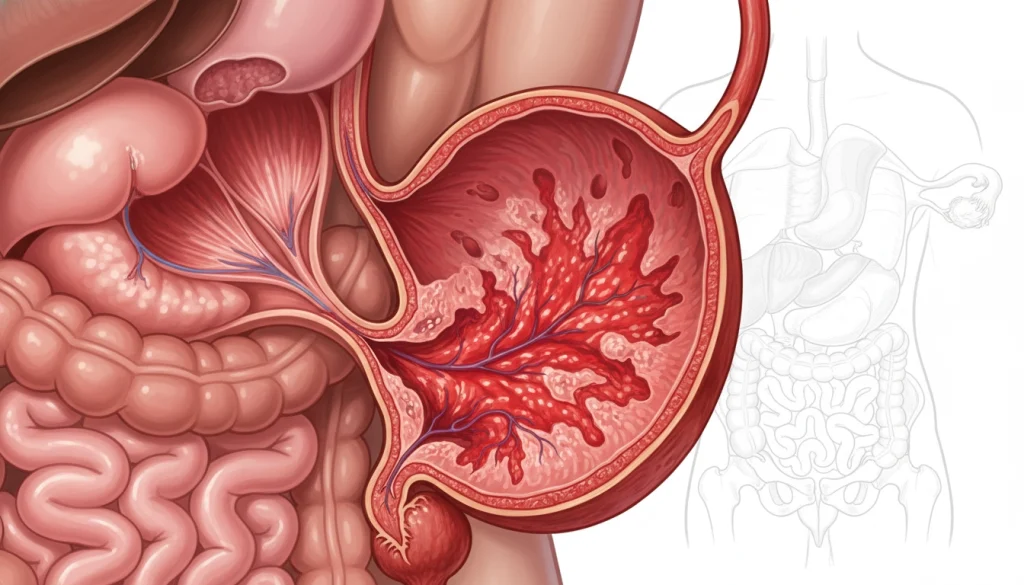
Treatment Snapshot
Living with a chronic bladder condition can feel overwhelming, but you are not alone in this journey. We define Interstitial Cystitis as a complex, long-term health issue. It affects the pelvic region and bladder wall. It often causes persistent discomfort that impacts your daily quality of life.
Our goal is to provide a clear and compassionate overview of this diagnosis. By understanding the underlying mechanisms of this condition, you can take the first step toward effective management. We believe that knowledge empowers patients to make informed decisions about their health and well-being.
Key Takeaways
- This condition involves chronic bladder and pelvic pain.
- It is a complex diagnosis that requires a personalized approach.
- Understanding symptoms is the first step toward better management.
- Patient education is vital for improving overall quality of life.
- We are here to support your journey toward effective relief.
Understanding the Basics of Interstitial Cystitis
Learning about Interstitial Cystitis is the first step to improving your life. It’s not just occasional pain; it’s a serious health issue. It affects how your bladder works and your daily life.
Defining the Condition
Interstitial Cystitis is a long-term bladder problem. It causes recurring pelvic pain and constant pressure. Unlike infections, it doesn’t have bacteria, making it hard to treat.
People feel fullness or sharp pain as their bladder fills. Spotting these signs early helps create a care plan that fits your needs.
Prevalence and Demographics in the United States
Many people in the U.S. live with this condition, but it’s often not diagnosed. It can affect anyone, but some groups are more likely to seek help.
- Women are diagnosed more often than men.
- Symptoms usually start in early to middle adulthood.
- The unpredictable pain can greatly affect work and social life.
The Chronic Nature of Bladder Pain Syndrome
This condition is chronic, so we need a new approach to health. It’s not a quick fix, which is why we focus on long-term management.
Seeing it as a long-term journey helps us focus on comfort and well-being. Patience and persistence are key as we work to manage symptoms and improve your life.
The Physiological Impact on the Bladder Wall
The bladder changes a lot at the microscopic level, causing Interstitial Cystitis symptoms. It’s not just a storage place but a complex organ. When it gets disrupted, it leads to chronic pain for many.
Epithelial Barrier Dysfunction
The bladder has a special lining called the urothelium, which protects it. In Interstitial Cystitis, this lining gets damaged or lets things through. This lets irritating substances in urine reach deeper layers, causing pain and irritation.
Mast Cell Activation and Inflammation
The immune system also plays a big part in this condition. Mast cells, which release histamine, get too active in the bladder. This leads to ongoing inflammation, making Interstitial Cystitis symptoms worse.
- Increased permeability of the protective epithelial lining.
- Release of inflammatory mediators by activated mast cells.
- Heightened sensitivity of local nerve endings.
- Chronic irritation caused by urinary solutes.
Neurological Sensitization Pathways
Lastly, the nervous system’s response is key. Chronic inflammation makes nerves in the bladder too sensitive. This creates a cycle of pain that’s hard to break, needing a detailed treatment plan.
Common Symptoms and Clinical Presentation
Understanding Interstitial Cystitis helps explain the ongoing pain many face. Symptoms differ from person to person. Yet, some patterns suggest it’s time to see a doctor.
Urinary Frequency and Urgency
One key symptom of Interstitial Cystitis is needing to urinate a lot. People often go to the bathroom many times a day and night.
This need is not just a preference. It’s a constant feeling that affects daily life. It makes things like traveling, working, and socializing hard to do.
Chronic Pelvic Pain Patterns
The pain from this condition can feel like a dull ache or sharp stabbing in the lower belly. It can change based on how full the bladder is or what you eat.
Many feel a constant pressure even after they’ve emptied their bladder. This pain is a big reason people seek medical help to improve their life.
Impact on Sexual Function and Quality of Life
Interstitial Cystitis can deeply affect relationships and emotional health. Pain during or after sex is a common issue that needs to be talked about with doctors.
Helping with these issues is key to our care. By finding out what triggers the pain and using management plans, many people find relief and regain confidence.
| Symptom Category | Typical Manifestation | Impact Level |
|---|---|---|
| Urinary Frequency | 8 to 20+ voids per day | High |
| Pelvic Discomfort | Pressure or aching pain | Moderate to Severe |
| Sexual Function | Pain during intimacy | Significant |
| Sleep Quality | Frequent nocturia | High |
The Diagnostic Journey for Interstitial Cystitis
Finding answers for bladder issues can feel overwhelming. But, a clear diagnostic process offers a roadmap forward. Because Interstitial Cystitis often mimics other conditions, doctors use a systematic approach. This ensures an accurate assessment of your health.
Patient History and Symptom Questionnaires
The first step is a detailed conversation about your medical history. We look for patterns in your discomfort. This includes how often you feel urgency and if certain activities trigger your symptoms.
We use tools like the O’Leary-Sant Interstitial Cystitis Symptom Index to measure your symptoms. These questionnaires help us track changes and create a treatment plan.
The Role of Cystoscopy in Modern Diagnosis
After gathering your history, we might perform a cystoscopy. This involves inserting a thin, flexible tube with a camera into the bladder. It helps us inspect for inflammation or structural abnormalities.
While this test is not used to confirm Interstitial Cystitis alone, it’s vital for ruling out other concerns. It allows us to see the bladder wall. This helps us identify issues like bladder stones or tumors that might be causing your pain.
Urodynamic Testing Procedures
To understand how your bladder functions, we might recommend urodynamic testing. This series of tests measures how well your bladder stores and releases urine during different activities.
These tests help us determine if your symptoms are related to muscle coordination or bladder capacity. By assessing these physiological markers, we can tailor a more effective strategy for managing Interstitial Cystitis. This improves your daily comfort.
- Evaluation of bladder filling capacity.
- Assessment of muscle contraction patterns.
- Measurement of residual urine volume.
Differential Diagnosis and Ruling Out Other Conditions
Finding the right diagnosis for Interstitial Cystitis is a detailed process. Many conditions can have similar symptoms to chronic bladder pain. Doctors must carefully check to make sure they find the right treatment.
We focus on this to avoid extra tests and find the best ways to manage your condition.
Distinguishing from Urinary Tract Infections
One big challenge is telling Interstitial Cystitis apart from a common UTI. Both can make you feel like you need to go to the bathroom a lot. But, a UTI usually shows up in a urine test. People with Interstitial Cystitis might not have bacteria in their urine, yet they keep feeling pain.
Identifying Endometriosis and Pelvic Inflammatory Disease
Pelvic pain can make it hard to figure out what’s going on. Conditions like endometriosis and PID can cause pain in the pelvic area. We look at your medical history and do physical exams to see if the pain is from the bladder or reproductive organs.
Excluding Bladder Cancer and Kidney Stones
It’s important to check for serious problems like bladder cancer or kidney stones. These can cause blood in your urine, which is not common in Interstitial Cystitis. We use tests and cystoscopy to make sure these are not the cause. This helps you feel secure about your health in the long run.
| Condition | Primary Symptom | Diagnostic Marker |
|---|---|---|
| Interstitial Cystitis | Chronic bladder pressure | Exclusion of other causes |
| Urinary Tract Infection | Burning during urination | Positive bacterial culture |
| Endometriosis | Cyclical pelvic pain | Laparoscopic visualization |
| Kidney Stones | Sharp, radiating flank pain | Imaging (CT/Ultrasound) |
The Role of Diet and Nutrition in Symptom Management
What you eat can really affect your bladder symptoms. Some foods can irritate your bladder, making symptoms worse. Knowing which foods to avoid can help you feel better and stay healthy.
Identifying Common Trigger Foods and Beverages
Some foods and drinks can set off bladder flares. These often have high acidity, caffeine, or artificial sweeteners. Knowing these can help you avoid pain.
- Caffeinated beverages, including coffee and strong black teas.
- Highly acidic fruits like lemons, limes, and oranges.
- Spicy foods containing chili peppers or hot sauces.
- Alcoholic drinks, like red wine and certain beers.
- Artificial sweeteners such as aspartame and saccharin.
The Elimination Diet Approach
The elimination diet is a great way to find out what irritates your bladder. Start by removing all possible irritants from your diet for two to four weeks. This lets your bladder calm down and helps you see how symptoms change.
After your symptoms settle, slowly add foods back one group at a time. Keep a food diary to see how your body reacts. This helps you know which foods are safe and which make Interstitial Cystitis worse.
| Category | Common Trigger | Bladder-Friendly Alternative |
|---|---|---|
| Beverages | Coffee | Low-acid coffee or herbal tea |
| Fruits | Citrus | Pears or blueberries |
| Seasoning | Hot peppers | Fresh herbs like basil or parsley |
| Sweeteners | Artificial additives | Natural maple syrup or honey |
Hydration Strategies for Bladder Health
Drinking the right amount of water is key, but it’s tricky for sensitive bladders. Drinking too much water can make you go more often. Try drinking water little by little all day instead of gulping it down.
If plain water bothers you, try drinking it at a different temperature or choose alkaline water. Drinking water in moderation helps keep your bladder healthy. Listen to your body as you adjust your water intake to manage Interstitial Cystitis better.
Behavioral Therapies and Bladder Training Techniques
Simple, consistent changes in your daily habits can help a lot with Interstitial Cystitis. By using structured strategies, you can take back control of your bladder. These methods help your body learn to handle fullness and discomfort better.
Timed Voiding Schedules
Timed voiding helps you increase the time between bathroom visits. Instead of going every time you feel the urge, you follow a schedule. This trains your bladder to hold more urine over time.
Start with a schedule that feels right for you. As you get more comfortable, you can increase the time between visits. This slow approach is key to long-term success and less urgency.
Fluid Intake Regulation
Drinking the right amount of water is important, but it needs balance with Interstitial Cystitis. Too little water can make urine more concentrated and irritate your bladder. Too much can overwhelm your bladder.
Drink water evenly throughout the day, not all at once. Cut back on fluids a few hours before bed to avoid waking up. Finding the right amount of water for you can help manage your symptoms.
Managing Bladder Irritants Through Lifestyle Changes
Knowing and avoiding triggers is key to managing symptoms. Some foods and drinks can make your condition worse. Keeping a food diary can help you find out what irritates you.
Common irritants include caffeine, alcohol, spicy foods, and acidic items. Changing your diet and habits can improve your bladder health. The table below shows common habits and their effects on your comfort.
| Habit | Potential Impact | Recommended Action |
|---|---|---|
| High Caffeine Intake | Increased bladder urgency | Switch to low-acid alternatives |
| Irregular Voiding | Heightened sensitivity | Follow a consistent schedule |
| Low Water Intake | Concentrated, irritating urine | Maintain steady, even hydration |
| Spicy Food Consumption | Inflammatory response | Eliminate or reduce triggers |
Pharmacological Interventions and Oral Medications
Finding the right medication is key to feeling better. When simple changes don’t help, doctors use specific treatments. These help those with Interstitial Cystitis find relief.
Pentosan Polysulfate Sodium Usage
Pentosan polysulfate sodium is the only FDA-approved oral drug for this condition. It sticks to the bladder wall. This helps fix the damaged layer that protects it.
This barrier stops irritants in the urine from reaching the bladder. Regular use often cuts down on pain and how often you need to go.
Antihistamines and Their Role in Inflammation
Mast cells release histamine, causing inflammation and symptoms of Interstitial Cystitis. Antihistamines block these receptors. This helps calm the immune response in the bladder.
- They lessen sudden urgency.
- They may cut down on nighttime trips to the bathroom.
- They work well with other treatments.
Tricyclic Antidepressants for Pain Modulation
Tricyclic antidepressants help manage pain signals in the brain. They’re used for mood but also for chronic pelvic pain at low doses.
These drugs calm nerves that cause ongoing pain. They tackle both physical and nerve-related pain. This improves your life quality.
Bladder Instillations and Direct Therapeutic Approaches
Intravesical therapy is a key tool for managing chronic bladder pain. It involves putting medication directly into the bladder through a thin catheter. This method targets the bladder wall more effectively for those with Interstitial Cystitis.
Dimethyl Sulfoxide (DMSO) Treatments
Dimethyl Sulfoxide, or DMSO, is a common medication in bladder instillations. It reduces inflammation and relaxes muscles in the bladder. Many find it helps them go to the bathroom less often.
The solution is kept in the bladder for a short time before being voided. Some may feel symptoms worsen at first, but long-term benefits include less pain. We watch your progress to make sure the treatment is comfortable and effective.
Heparin and Lidocaine Cocktails
We also use cocktails of heparin and lidocaine. Heparin helps repair the bladder wall, which is often damaged in Interstitial Cystitis. Lidocaine numbs the area to reduce sharp pain.
This mix is often preferred because it heals the bladder while also providing quick pain relief. It creates a soothing environment for the bladder to rest and recover. This is part of a broader care plan to keep you comfortable.
The Mechanism of Intravesical Therapy
Intravesical therapy aims to address the root causes of pain. By applying medication directly to the irritation site, it modulates inflammation and calms nerve pathways. This direct application is key for those needing more than oral medication for Interstitial Cystitis.
| Therapeutic Agent | Primary Function | Common Benefit |
|---|---|---|
| DMSO | Anti-inflammatory | Reduces bladder wall swelling |
| Heparin | Protective Coating | Restores the bladder lining |
| Lidocaine | Local Anesthetic | Provides immediate pain relief |
Understanding how your therapy works empowers you in your healing journey. Knowing this can help you participate more in your own healing. Our team is here to guide you through every step of these direct therapeutic approaches.
Physical Therapy for Pelvic Floor Dysfunction
The pelvic floor is key in managing chronic bladder sensitivity. With Interstitial Cystitis, the bladder’s muscles tighten or become overactive. This is a protective response to pain. It creates a cycle of discomfort that needs a special approach to break.
Myofascial Release Techniques
Myofascial release is a therapy that works on the pelvic area’s connective tissue. It uses gentle, sustained pressure to loosen tight spots. This helps reduce the muscle tightness that causes pelvic pain.
For those with Interstitial Cystitis, it’s vital. It helps release pain from trigger points in the pelvic floor muscles.
Pelvic Floor Muscle Relaxation Exercises
Relaxing the pelvic floor is as important as strengthening it. High-tone pelvic floor muscles can worsen symptoms. So, relaxation techniques are key for daily management.
We suggest practices to calm the nervous system and reduce bladder irritation:
- Diaphragmatic breathing to encourage pelvic floor lengthening.
- Gentle hip openers and child’s pose to release tension in the surrounding musculature.
- Mindful awareness exercises to identify and release involuntary clenching.
The Importance of Specialized Physical Therapists
Working with a pelvic health specialist is essential. They have the training to understand the bladder and pelvic floor’s complex relationship. Interstitial Cystitis is a complex condition, and a specialist can create a personalized plan.
Collaborating with a specialist ensures your treatment is safe and effective. They guide you through recovery with confidence and personalized care. This approach improves your quality of life and symptom control.
Surgical Options for Refractory Cases
For those with ongoing bladder pain, surgery might offer a way to improve life quality. When Interstitial Cystitis symptoms don’t get better with usual treatments, we look into more serious options. These methods aim to help when the bladder wall is very sensitive.
Hydrodistention Procedures
Hydrodistention is often the first surgery for many. It fills the bladder with fluid under anesthesia to stretch the wall. This can find damage spots and might ease chronic urgency.
Many people feel less pain after this. Even if the relief is short-lived, it’s a key step in treating Interstitial Cystitis.
Laser Ablation of Hunner Lesions
Hunner lesions are inflamed spots on the bladder lining. They’re a sign of severe Interstitial Cystitis and cause sharp pain. Laser ablation lets surgeons remove these spots precisely.
By treating the lesions, we can lessen inflammation and boost bladder size. This method works well for those who haven’t improved with other treatments.
Augmentation Cystoplasty Considerations
Augmentation cystoplasty is for the most severe cases. It uses a bowel segment to make the bladder bigger, easing pressure and frequency. This is a big decision that needs careful thought with a specialized urologist.
Patients must consider the benefits against the surgery risks. We make sure everyone knows the long-term effects of this treatment for Interstitial Cystitis.
| Procedure | Primary Goal | Invasiveness |
|---|---|---|
| Hydrodistention | Stretch bladder wall | Low |
| Laser Ablation | Remove Hunner lesions | Moderate |
| Augmentation | Increase bladder capacity | High |
Psychological Well-being and Coping Strategies
Living with Interstitial Cystitis can affect more than just your bladder. It can also impact your mental health. Chronic pain often comes with emotional challenges that need special care. Adding psychological support to your treatment plan can help you face daily life better.
Cognitive Behavioral Therapy for Chronic Pain
Cognitive Behavioral Therapy (CBT) is a strong tool for Interstitial Cystitis management. It helps you change negative thoughts that can make pain worse. By changing these thoughts, you can lessen the pain caused by stress.
- Developing personalized relaxation techniques.
- Identifying specific emotional triggers for pain flares.
- Setting realistic goals to improve daily functioning.
Support Groups and Patient Advocacy
Feeling alone is common for those with long-term bladder issues. Joining support groups lets you connect with others who get what you’re going through. Advocacy helps you take charge of your health and raise awareness for Interstitial Cystitis.
| Support Method | Primary Benefit | Accessibility |
|---|---|---|
| Local Support Groups | In-person connection | Moderate |
| Online Forums | 24/7 peer support | High |
| Patient Advocacy | Systemic change | High |
Managing Anxiety and Depression Associated with Chronic Illness
Feeling overwhelmed is normal with a condition like Interstitial Cystitis. Anxiety and depression often come with chronic pain. But, you don’t have to face them alone. Talking to therapists who understand chronic illness can help you keep your mental health strong.
Taking care of your emotional health is brave and essential for healing. Remember, your mental well-being is as important as your physical comfort. We urge you to talk to your healthcare team about adding psychological support to improve your life quality.
The Connection Between Stress and Flare-ups
The link between your mind and your bladder health is deeper than you might think. High stress often leads to more symptoms for those with Interstitial Cystitis. Knowing this connection is key to feeling better every day.
The Brain-Bladder Axis
The brain-bladder axis is a complex network between your brain and pelvic organs. Stress makes your body release hormones like cortisol, making nerves more sensitive. For those with Interstitial Cystitis, this can mean more urgency or pain in the bladder.
Mindfulness and Relaxation Techniques
Mindfulness can calm your nervous system and reduce flare-ups. It helps you focus on the present, easing tension in your pelvic muscles. Try these simple practices for better well-being:
- Deep diaphragmatic breathing to signal safety to your nervous system.
- Guided meditation sessions for chronic pain management.
- Progressive muscle relaxation to release physical strain.
Identifying Emotional Triggers for Symptom Exacerbation
Knowing your emotional triggers is a strong tool against Interstitial Cystitis. Many keep a symptom diary to link life events to their pain. This helps you prepare for flare-ups before they happen.
Self-awareness is your best friend in this fight. By understanding how emotions affect your bladder, you can take charge of your health. Be patient as you explore these complex connections.
Alternative and Complementary Medicine Approaches
Adding complementary medicine to your daily life can help manage Interstitial Cystitis symptoms. While traditional treatments are key, many find holistic practices offer meaningful additional relief. It’s best to use these methods alongside your main medical plan.
Acupuncture and Traditional Chinese Medicine
Acupuncture uses thin needles to help with chronic pain and relaxation. It targets energy pathways to lessen bladder pain. Many find it helpful.
Traditional Chinese Medicine looks at bladder health as part of the body’s balance. Sessions with a licensed practitioner can be calming. Make sure your acupuncturist knows your diagnosis for safe treatment.
Herbal Supplements and Their Efficacy
Herbal supplements offer many options, but use them with care. Some natural compounds can ease Interstitial Cystitis inflammation. But, some herbs might irritate the bladder. Always talk to your doctor before trying new supplements.
- Always verify the purity and source of any supplement.
- Start with low doses to monitor your body’s unique reaction.
- Keep a detailed log of how new supplements affect your daily symptoms.
Yoga and Gentle Movement Practices
Yoga is great for both body and mind. It involves deep breathing and stretching to relax the pelvic floor muscles. Yoga can also calm the nervous system, reducing flares caused by stress.
Choose restorative poses that are comfortable and avoid pressure on the abdomen. Even a few minutes of yoga daily can help you feel more in control. Remember, the goal is gentle support. Listen to your body and adjust any movements that cause pain while managing your Interstitial Cystitis.
Navigating Daily Life with Chronic Pelvic Pain
Living with Interstitial Cystitis is more than just medical care. It’s about making lifestyle changes. You can keep a good quality of life by making small, daily changes. These changes can greatly improve how you feel.
Workplace Accommodations and Productivity
Working with chronic pain can be tough. Talking to your boss about your needs can help. Simple things like a private restroom or breaks can make a big difference.
Ask for an ergonomic chair or a standing desk if sitting hurts. Talking to HR can help you know your rights. Remember, taking care of your health is key to your career.
Travel Tips for Patients with Bladder Sensitivity
Traveling with Interstitial Cystitis needs planning. Find restrooms along your way and choose aisle seats. A comfort kit with your meds and a change of clothes can help.
- Pack a reusable water bottle to stay hydrated.
- Carry a list of your meds and your doctor’s contact info.
- Look up local food options to avoid bad foods.
- Give yourself extra time to travel to avoid stress.
Communicating Needs to Family and Friends
Having a strong support system is key. Be open with your loved ones about your needs. This way, they understand why you might need to say no or rest more.
Explain how your symptoms affect your energy. Ask for help with chores or just to listen. Sharing your journey lets your friends and family help you in your health journey.
Empowering Your Long-term Health Strategy
Managing Interstitial Cystitis needs a strong partnership between you and your doctors. Learning about your body is key to long-term relief.
You are a big part of your care journey. By tracking your symptoms and sharing them with experts like those at Acıbadem Healthcare Group, you pave the way for better health. This teamwork lets your treatment grow with your needs.
Being proactive helps you deal with Interstitial Cystitis better. Making small, steady changes in your daily life can greatly improve your comfort. We urge you to keep exploring and finding ways to manage your condition.
Your dedication to understanding this condition changes your experience. It moves from uncertainty to informed action. With a focus on your health, a better future with more well-being is possible. We support you as you take these important steps to improve your life.
FAQ
Q: What is Interstitial Cystitis and how does it affect the body?
A: Interstitial Cystitis is a chronic condition causing pelvic pain and bladder discomfort. At Acıbadem Healthcare Group, we see it as more than just a urinary issue. It affects a person’s quality of life by damaging the bladder’s protective layer.
This damage leads to irritation and a constant need to urinate.
Q: Why does the bladder wall become sensitive in patients with Interstitial Cystitis?
A: The bladder wall becomes sensitive due to a breakdown in its protective lining. This breakdown lets irritants in the urine reach the bladder wall. It triggers mast cell activation and chronic inflammation.
Over time, the pain signals get stronger, making the sensitivity worse. We use targeted medical treatments to address this.
Q: What are the hallmark symptoms I should look out for?
A: Look out for urinary frequency and urgency, often with chronic pelvic pain. These symptoms can worsen during flare-ups. They can also affect sexual function and sleep.
If you’re experiencing these symptoms, it’s important to get a thorough evaluation.
Q: How is Interstitial Cystitis diagnosed, and which tests are necessary?
A: Diagnosing starts with a detailed patient history and symptom questionnaires. We use cystoscopy to check the bladder lining and rule out other issues. Urodynamic tests also help assess how well the bladder stores and releases urine.
Q: How do providers differentiate Interstitial Cystitis from a standard Urinary Tract Infection (UTI)?
A: We perform a differential diagnosis to rule out other conditions. Interstitial Cystitis is not caused by bacteria and won’t respond to antibiotics. We also check for other causes of pelvic pain.
Q: Can dietary changes help manage my symptoms?
A: Yes, diet is key in managing symptoms. We suggest an elimination diet to find trigger foods. Proper hydration is also important to keep urine diluted without causing too much frequency.
Q: What oral medications are commonly used for treatment?
A: We use several medications, including Pentosan Polysulfate Sodium to repair the bladder lining. Antihistamines reduce inflammation, and tricyclic antidepressants help manage pain and improve sleep.
Q: What are bladder instillations, and how do they work?
A: Bladder instillations involve putting medication directly into the bladder. We use treatments like Dimethyl Sulfoxide (DMSO) or “cocktails” with Heparin and Lidocaine. This method can soothe the bladder wall more effectively than oral medications.
Q: Why is physical therapy recommended for chronic bladder pain?
A: Many people with Interstitial Cystitis develop pelvic floor dysfunction. We work with physical therapists who use techniques to relax the pelvic muscles. This helps reduce pain and muscle tension.
Q: Are there surgical options if conservative treatments do not work?
A: For cases that don’t improve with other treatments, surgery might be considered. This includes hydrodistention, laser ablation, or augmentation cystoplasty. We discuss the risks and benefits with patients before surgery.
Q: Does stress impact the frequency of flare-ups?
A: Stress can make symptoms worse through the brain-bladder axis. Emotional triggers can increase bladder sensitivity. We recommend mindfulness, relaxation, and cognitive behavioral therapy to manage stress.
Q: How can I manage my daily life and work with this condition?
A: Managing daily life requires practical strategies. This includes asking for workplace accommodations and planning travel. Building a support system is also important.
At Acıbadem Healthcare Group, we aim to empower you to live a fulfilling life while managing your health.