

Treatment Snapshot
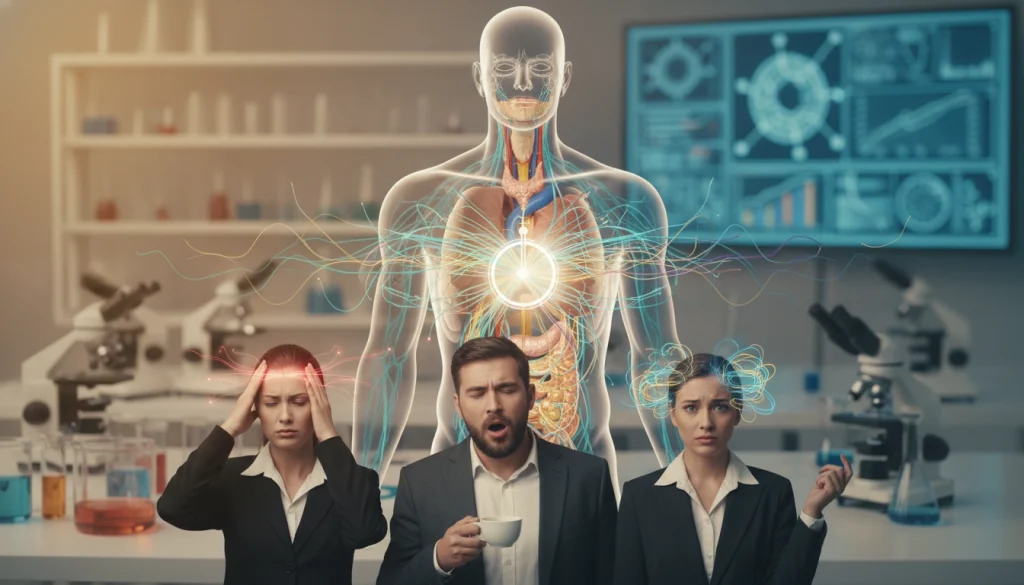
The endocrine system is like a network inside our bodies. It uses chemical messengers to control important processes. This includes how we use energy and reproduce. When this balance is off, it can cause Hormonal Disorders that affect our daily lives.
Knowing about our health is key to feeling better. Understanding how these chemical signals work helps us spot when something’s wrong. Catching these issues early means we can get help before they get worse.
Dealing with Hormonal Disorders is a team effort. We want to help you understand these health challenges. This way, you can face them with confidence and calm.
Key Takeaways
- The endocrine system regulates essential bodily functions like metabolism and growth.
- Chemical messengers are responsible for maintaining internal stability.
- Recognizing early symptoms is vital for effective long-term management.
- Medical literacy empowers patients to make informed healthcare decisions.
- Professional guidance is essential when internal balance is compromised.
Understanding the Endocrine System and Hormonal Disorders
The endocrine system is at the core of our health. It’s a network of glands that keeps our body in balance. This balance is called homeostasis. The glands release hormones into our blood, affecting our heart rate and growth.
The Role of Glands in Hormone Production
The endocrine system has glands like the pituitary, thyroid, adrenal, and pancreas. Each gland makes specific hormones for different body functions. These hormones travel through our blood to reach organs, giving them important instructions.
When glands work right, they keep hormone levels just right. This meticulous coordination helps our body handle stress, manage energy, and control reproductive health. Without it, our body can’t adapt to changes in our environment.
How Hormonal Imbalances Disrupt Body Functions
Even small changes in hormone levels can cause big problems. If a gland makes too much or too little hormone, our body’s balance is off. This often leads to Hormonal Disorders that affect many people.
Hormones affect almost every organ, so an imbalance can cause many issues. A person might feel tired, have mood swings, or changes in metabolism. Spotting these signs early is key to managing Hormonal Disorders and getting back to good health.
Common Symptoms of Hormonal Imbalances
Spotting the signs of Hormonal Disorders is key to getting the right medical help. Your body sends out subtle signals when it needs attention. Paying attention to these signs can help you know when to see a doctor.
Physical Manifestations in Men and Women
Physical changes are often the first signs that something is off inside. These signs can vary a lot, depending on which glands are affected. Common signs include:
- Unexplained weight gain or trouble losing weight, even with diet changes.
- Constant tiredness that doesn’t get better with rest.
- Changes in skin, like more acne or dryness.
- Thinning hair or unexpected hair growth in new places.
These signs are your body’s way of talking to you. When you notice them, keep track of them. This helps your doctor understand what’s going on.
Psychological and Emotional Indicators
Your mental health is closely tied to your hormones. Many people notice mood and thinking changes when their hormones are off. You might feel more irritable, anxious, or overwhelmed.
Feeling mentally foggy, or having trouble focusing, is another sign. It’s as important to track these feelings as it is to watch your physical health. Keeping a record of these emotions helps your doctors a lot.
| Symptom Category | Common Indicator | Potential Impact |
|---|---|---|
| Physical | Metabolic shifts | Weight fluctuations |
| Physical | Dermal changes | Skin and hair health |
| Emotional | Mood instability | Anxiety or depression |
| Cognitive | Mental fatigue | Reduced concentration |
These symptoms are your body’s way of asking for help. By catching them early, you can take charge of your health.
Primary Causes of Hormonal Disorders
Hormonal disorders often come from a mix of genes and our environment. Knowing where these issues come from helps us understand how our body keeps its balance. By looking at our genes and what’s around us, we can improve our health over time.
Genetic Factors and Inherited Conditions
Our DNA is like a guide for making hormones. Sometimes, certain genes passed down can lead to gland problems. These issues can affect how glands make or react to hormones.
For instance, some autoimmune diseases that target the thyroid or adrenal glands run in families. Spotting these patterns early can help us watch our health closely and get help when needed. Having a genetic risk doesn’t mean you’ll definitely get a condition, but it does up your chances.
Environmental Triggers and Endocrine Disruptors
Our surroundings also affect our hormone health. We’re exposed to synthetic chemicals called endocrine disruptors, which can act like or block our natural hormones. These chemicals are in many everyday items, plastics, and some pesticides.
When we take in these disruptors, they can mess with the signals that control our body’s functions. This is a big reason why hormonal disorders are becoming more common. By cutting down on these toxins, we can help protect our hormone system.
Our gland health is shaped by a complex mix of our biology and lifestyle. We can’t change our genes, but we can make choices to lower environmental risks. Being aware of these main causes helps us take charge of our health and get help for any hormonal disorders we might face.
Thyroid Gland Dysfunction
The thyroid gland is a key player in Hormonal Disorders. It’s a small, butterfly-shaped organ in the neck. It controls how fast or slow our cells work. This makes it very important for our health.
Hypothyroidism and Metabolic Slowdown
Hypothyroidism happens when the thyroid gland doesn’t make enough hormones. This makes our metabolism slow down. People with this condition often feel very tired.
Signs of hypothyroidism include:
- Persistent fatigue and lethargy
- Unexplained weight gain
- Increased sensitivity to cold temperatures
- Dry skin and thinning hair
Hyperthyroidism and Overactive Hormone Production
Hyperthyroidism is when the gland makes too many hormones. This makes the body work too fast. It can be very hard on the body.
People with hyperthyroidism might feel:
- Rapid or irregular heartbeat
- Sudden, unintentional weight loss
- Heightened anxiety or irritability
- Increased sensitivity to heat
It’s important to watch for these signs. Getting help early can prevent serious problems. Knowing about these Hormonal Disorders helps you take care of yourself better.
Adrenal Gland Disorders
The adrenal glands sit just above the kidneys. They are small but play a big role in hormone production. These glands help manage stress and keep blood pressure healthy by releasing cortisol. If they don’t work right, it can cause big Hormonal Disorders that affect your life every day.
Addison Disease and Cortisol Deficiency
Addison disease happens when the adrenal glands don’t make enough cortisol or aldosterone. This problem often starts slowly, making it hard to notice symptoms early. People might feel very tired, weak, and lose weight without trying.
Without enough hormones, the body can’t control blood pressure and sugar levels. This can make you feel dizzy or lightheaded. Doctors use blood tests to find out if you have this condition. It’s important to treat it right to avoid serious problems.
Cushing Syndrome and Excess Cortisol
Cushing syndrome is when you have too much cortisol in your body. This can happen if your adrenal glands make too much hormone or if you take corticosteroid meds for too long. Signs include gaining weight around the middle, a round face, and thin skin.
To manage this, we need to find out why you have too much cortisol. This could be a tumor or too much medicine. By fixing the problem, we can help your body get back to normal. Knowing about these Hormonal Disorders is key to getting better and staying well.
| Feature | Addison Disease | Cushing Syndrome |
|---|---|---|
| Cortisol Level | Deficient | Excessive |
| Primary Symptom | Weight loss | Weight gain |
| Blood Pressure | Low | High |
| Skin Changes | Hyperpigmentation | Thinning/Bruising |
Reproductive Hormonal Issues
Hormonal disorders can affect how men and women reproduce. Even small changes in hormones can cause big physical and emotional changes. Understanding these systems helps people manage their health better.
Polycystic Ovary Syndrome (PCOS) in Women
PCOS is a complex condition that affects how ovaries work. It’s often linked to metabolic problems, like insulin resistance. This can make it hard to manage weight and energy levels.
Women with PCOS may have irregular cycles and high androgen levels. These are signs of Hormonal Disorders.
Managing PCOS needs a full approach that looks at endocrine and metabolic issues. Early diagnosis is key to avoid long-term problems and improve life quality. We suggest patients work closely with their doctors to find the right treatment plan.
Testosterone Deficiency and Hypogonadism in Men
In men, low hormones can cause hypogonadism. This is when the body doesn’t make enough testosterone. This hormone is key for muscle, bone, and sex drive.
Low testosterone can be treated with lifestyle changes and medicine. Finding and fixing the cause helps restore balance and boosts energy. It’s important to talk openly about these issues so men feel okay asking for help.
| Condition | Primary Hormone Affected | Common Symptom | Metabolic Impact |
|---|---|---|---|
| PCOS | Androgens/Insulin | Irregular Cycles | High Insulin Resistance |
| Hypogonadism | Testosterone | Low Libido | Reduced Muscle Mass |
| Infertility | Progesterone/FSH | Difficulty Conceiving | Weight Fluctuations |
We want to clear up the stigma around reproductive Hormonal Disorders. Taking charge of your health is the best way to deal with these issues. Being informed helps you make smart choices for your reproductive health.
Pancreatic Hormones and Diabetes
Understanding the pancreas is key to knowing about Hormonal Disorders. This organ controls our blood sugar levels. It does this by secreting hormones all day long.
When the pancreas gets out of balance, our body can’t use energy well. We need to see how pancreatic hormones work together to keep us balanced.
Insulin Resistance and Type 2 Diabetes
Insulin helps cells take glucose from the blood. But, when cells resist insulin, the pancreas has to work harder.
This hard work can wear out insulin-making cells. This is how Type 2 diabetes starts. It’s a common Hormonal Disorder today.
- Cells become less sensitive to insulin signals.
- Blood glucose levels begin to rise steadily.
- The pancreas attempts to compensate by producing more insulin.
The Impact of Glucagon Imbalances
Insulin lowers blood sugar, while glucagon raises it. When blood sugar drops, glucagon tells the liver to release stored energy.
Too much glucagon can keep blood sugar high. This makes managing Hormonal Disorders harder.
It’s important to keep insulin and glucagon in balance. Knowing how they work helps us stay healthy and avoid chronic diseases.
Pituitary Gland Abnormalities
The pituitary gland is called the master gland because it controls many other hormone-producing organs. It’s at the base of the brain and has a huge impact on our health. If it goes wrong, it can cause many Hormonal Disorders that affect almost every part of our body.
Growth Hormone Disorders
The pituitary gland makes growth hormone, which is key for fixing tissues and growing. Too much of it can cause problems like acromegaly or gigantism. Not enough can lead to slow growth in kids or less muscle and bone in adults.
These Hormonal Disorders need close watch by an endocrinologist. Catching them early is the best way to handle the changes they bring.
Prolactinoma and Its Effects
A prolactinoma is a noncancerous tumor on the pituitary gland that makes too much prolactin. This hormone is usually for milk, but too much can mess up reproductive cycles. People might have irregular periods, trouble getting pregnant, or unexpected breast milk.
Dealing with these Hormonal Disorders often means taking medicine to shrink the tumor. We focus on patient care to help people deal with these changes.
| Condition | Primary Hormone Affected | Common Clinical Impact |
|---|---|---|
| Acromegaly | Growth Hormone | Bone and tissue overgrowth |
| Prolactinoma | Prolactin | Reproductive cycle disruption |
| GH Deficiency | Growth Hormone | Reduced muscle and bone mass |
| Pituitary Adenoma | Various Hormones | Systemic Hormonal Disorders |
The Impact of Lifestyle on Hormonal Health
Our daily habits greatly affect the hormones in our bodies. While doctors may need to step in, our lifestyle choices are key. By changing our habits, we can help our endocrine system stay healthy.
Dietary Choices and Blood Sugar Regulation
What we eat affects our body’s chemistry a lot. Eating a balanced diet with whole foods keeps blood sugar stable. This is important because it helps prevent the ups and downs that stress our glands.
When blood sugar stays steady, the pancreas doesn’t have to work too hard. This reduces the chance of metabolic Hormonal Disorders.
The Role of Sleep and Circadian Rhythms
Sleep is more than just rest; it’s key for hormone regulation. Our bodies have an internal clock that controls hormone release. Keeping a regular sleep schedule helps our body stay in balance.
Breaking our natural rhythms stresses our endocrine system. By living in sync with our body’s cycles, we can feel better. Simple habits like a regular bedtime can greatly improve our health.
Diagnostic Procedures for Hormonal Imbalances
Medical testing helps us plan for your long-term health. If you show signs of Hormonal Disorders, finding the cause is key. We focus on clear and accurate results to give you the best care.
Blood and Urine Hormone Testing
Lab tests are the best way to check how your hormones are working. By looking at your blood or urine, we can spot small changes that might mean you have a Hormonal Disorder. These tests show what your body’s chemicals are like at a certain time.
Often, we do more than one test in a day. This helps us see if changes are normal or if they mean you have a problem. Our aim is to get the exact information needed for your treatment.
Imaging Techniques for Glandular Assessment
If lab tests show something’s off, imaging helps us see the glands. Tools like ultrasounds, CT scans, and MRIs are key. They let us see the thyroid, adrenal, or pituitary glands clearly.
Today’s technology lets us find Hormonal Disorders more accurately. By using what we see in images and lab results, we understand your health fully. This way, we can fix the problem and give you effective and personalized care.
Medical Treatment Options
After a diagnosis, we aim to balance hormones with targeted treatments. Every patient’s needs are different, so we tailor our approach. We work with our patients to create a plan that meets their unique endocrine challenges.
Hormone Replacement Therapy (HRT)
When hormone levels are low, we use Hormone Replacement Therapy (HRT). This treatment adds synthetic or bioidentical hormones to the body. It helps ease symptoms and improve life quality for those with Hormonal Disorders.
The success of HRT depends on the right dosage and regular checks. We adjust treatments based on blood tests and feedback. This ensures the patient is always at the heart of their care.
Medications to Block or Stimulate Hormone Production
For too much hormone, we use medicines to block it. These help keep the body balanced and prevent problems. For too little hormone, we use medicines to boost production.
Choosing the right medicine is key in treating Hormonal Disorders. Our team carefully picks the best option based on the cause. This balanced approach helps restore balance and supports long-term health.
Surgical Interventions for Endocrine Conditions
When medicine can’t fix your endocrine system, surgery might be next. We know surgery sounds scary, but it’s aimed at fixing the main problems of Hormonal Disorders. By taking out bad tissue, surgeons help your body get back in balance.
Thyroidectomy and Parathyroid Surgery
A thyroidectomy is when part or all of the thyroid gland is removed. It’s usually needed for severe hyperthyroidism, big goiters, or nodules that don’t get better with meds. Surgeons are very careful to avoid harming nearby nerves and tissues.
Parathyroid surgery is for glands that make too much calcium. These glands control mineral levels, and problems can cause big Hormonal Disorders. We aim to fix your metabolic health with careful, small surgeries.
Adrenal and Pituitary Tumor Removal
Tumors on the adrenal or pituitary glands mess with hormone control. When these tumors make too much hormone, taking them out is often the best solution. Adrenal surgery is common for Cushing syndrome, where cortisol is too high.
Pituitary tumors are treated with special methods that go through the nose. This way, recovery is faster and risks are lower. Fixing these tumors is key to managing serious Hormonal Disorders that affect your life every day.
| Procedure | Primary Target | Goal of Surgery |
|---|---|---|
| Thyroidectomy | Thyroid Gland | Resolve nodules or overactivity |
| Parathyroidectomy | Parathyroid Glands | Correct calcium and Hormonal Disorders |
| Adrenalectomy | Adrenal Gland | Remove cortisol-secreting tumors |
| Transsphenoidal Surgery | Pituitary Gland | Excise hormone-producing adenomas |
Managing Hormonal Health Through Integrative Medicine
We think mixing traditional treatments with integrative methods can really boost your life quality with Hormonal Disorders. Integrative medicine looks at the whole person. It combines proven clinical practices with supportive therapies for a complete wellness plan. This way, your body gets the care it needs to work its best.
Herbal Supplements and Their Efficacy
Many people try herbal supplements to help their endocrine system. But, how well they work can vary a lot. It’s very important to use these supplements carefully and with a doctor’s advice.
Always talk to your doctor before starting any herbal product. Some can mess with your medicines or make Hormonal Disorders worse. If you’re looking for more help, check out hormonal therapy in Turkey. There, doctors make sure treatments are safe and work well.
Stress Management and Cortisol Reduction
Long-term stress can upset your endocrine system because it makes too much cortisol. High cortisol levels mess with other important hormones. It’s key to manage stress well for long-term health.
Practices like mindfulness, deep breathing, and exercise can lower cortisol naturally. These calm your nervous system, helping your glands work right. Making these habits a part of your life helps with Hormonal Disorders and keeps you emotionally and physically well.
Pediatric Hormonal Disorders
Dealing with a child’s health can be tough, even with endocrine issues. Kids are always growing and changing, so they need special care. We aim to help parents support their child’s health for the long run.
Early Onset Puberty and Growth Delays
Early puberty means a child’s body changes too fast. It’s important to find out why and help them feel okay. Growth delays might mean they’re not making enough growth hormones, affecting their growth.
Finding these problems early is key. We can then help kids grow and develop fully. We work with families to keep an eye on progress and adjust plans as needed.
Congenital Adrenal Hyperplasia
Congenital Adrenal Hyperplasia (CAH) affects the adrenal glands. These glands make important hormones like cortisol and aldosterone. Kids with CAH have trouble making these hormones right, leading to health issues.
Managing CAH means lifelong care and hormone therapy. We aim to help kids with CAH live healthy, active lives. We monitor them closely to help families manage this condition well.
| Condition | Primary Impact | Management Focus |
|---|---|---|
| Early Puberty | Rapid physical maturation | Hormone suppression |
| Growth Delays | Slower physical development | Hormone supplementation |
| Congenital Adrenal Hyperplasia | Cortisol/Aldosterone deficiency | Lifelong hormone replacement |
Handling these hormonal disorders needs teamwork between doctors and parents. Being informed and active is key to your child’s health. We’re here to support you all the way.
Navigating Life with Chronic Hormonal Conditions
Living with hormonal disorders is a journey that needs patience and planning. It can feel overwhelming, but a structured routine can greatly improve your life. By sticking to consistent habits, you can manage your endocrine health better over time.
Long-term Monitoring and Medication Adherence
Managing hormonal disorders well depends on regular doctor visits. Keeping up with blood work and scans helps track your body’s response to treatment. These visits let your doctor adjust your medication to keep your hormone levels healthy.
It’s also key to take your medication as prescribed. Skipping doses can cause symptoms or problems. Using digital reminders or pill boxes can help you stay on track with your treatment.
Building a Support System for Chronic Illness
Dealing with hormonal disorders is not a solo task. Having a strong support system is essential. This includes family, friends, and counselors who get what you’re going through.
Working closely with your endocrinologist is also critical. A good relationship with your doctor makes you a key player in your care. This partnership helps you live fully while keeping your health in check.
| Strategy | Primary Benefit | Frequency |
|---|---|---|
| Routine Blood Panels | Tracks hormone levels | Every 3-6 months |
| Medication Logs | Ensures adherence | Daily |
| Support Group Meetings | Emotional resilience | Monthly |
| Endocrine Consultations | Treatment optimization | Bi-annually |
Managing hormonal disorders means being your own advocate. By staying informed and connected, you can keep well despite chronic illness. Remember, you’re not alone, and consistent care leads to long-term success.
Advancements in Endocrine Research and Future Outlook
The field of endocrinology is growing fast. New research brings hope for better treatments for Hormonal Disorders. We’re looking forward to a future with personalized medicine.
Genetic insights will soon change how we manage glandular health. New therapies aim to target specific imbalances with more precision. These breakthroughs promise to enhance the quality of life for many patients.
We’re committed to keeping you updated on these medical advancements. Our team at Acıbadem Healthcare Group offers world-class care. We’re here to support your journey. If you have questions about your health, please reach out.
Understanding your body is the first step to wellness. We’re ready to guide you through every stage of your treatment. Your journey to managing Hormonal Disorders starts with expert knowledge and proactive care.
FAQ
Q: What are Hormonal Disorders and how do they affect the body?
A: Hormonal Disorders happen when the endocrine system makes too much or too little hormone. These hormones help control important body functions like growth and metabolism. Even a small imbalance can affect your health a lot.
Q: How does the endocrine system maintain internal balance?
A: The endocrine system has glands that make hormones to keep the body balanced. These hormones control things like heart rate and bone density. When the glands work right, the body’s systems work together smoothly.
Q: What are the most common symptoms that suggest a hormonal imbalance?
A: Signs of imbalance include weight changes, tiredness, and mood swings. Pay attention to skin changes or sleep issues. These can mean your body needs medical help.
Q: What are the primary causes behind the development of Hormonal Disorders?
A: Hormonal problems often come from inside and outside factors. Genetics and environmental toxins can play a big role. These toxins can mess with hormone production.
Q: What is the difference between hypothyroidism and hyperthyroidism?
A: Both deal with the thyroid gland. Hypothyroidism means the gland doesn’t make enough hormone, causing weight gain and tiredness. Hyperthyroidism means too much hormone, leading to weight loss and fast heart rate.
Q: How do adrenal gland disorders like Addison disease and Cushing syndrome affect health?
A: The adrenal glands make cortisol, which helps with stress and blood pressure. Addison disease has too little cortisol, while Cushing syndrome has too much. We aim to keep these levels right to avoid health problems.
Q: How do Hormonal Disorders impact reproductive health in men and women?
A: Hormones are key for reproductive health. Women with Polycystic Ovary Syndrome (PCOS) face metabolic issues. Men with low testosterone or hypogonadism need help too. Our goal is to improve fertility and vitality.
Q: What role does the pancreas play in metabolic disorders like diabetes?
A: The pancreas controls glucose levels. Insulin resistance can lead to Type 2 diabetes. We watch glucagon levels too, as they work with insulin to keep blood sugar stable.
Q: Why is the pituitary gland considered the “master gland”?
A: The pituitary gland controls many other glands. Problems here can cause Growth Hormone Disorders or issues like prolactinoma. These can affect growth and reproductive cycles.
Q: Can lifestyle adjustments help manage Hormonal Disorders?
A: Yes, lifestyle changes can help. Eating right and getting enough sleep support hormone balance. These habits help your endocrine system work better.
Q: How are Hormonal Disorders accurately diagnosed?
A: We use blood and urine tests to check hormone levels. Imaging like ultrasounds or MRIs help see gland structure. This ensures accurate diagnosis.
Q: What medical treatment options are available for these conditions?
A: Treatment depends on the patient. Hormone Replacement Therapy (HRT) may be used. We also have specific medicines to manage hormone levels.
Q: When is surgical intervention required for an endocrine condition?
A: Surgery might be needed for structural issues, like tumors. Our teams perform surgeries to remove growths causing hormonal problems.
Q: How does integrative medicine assist in managing hormonal health?
A: Integrative medicine helps with stress and cortisol management. Some herbal supplements can help, but always check with our specialists first.
Q: What are the most common pediatric Hormonal Disorders?
A: We watch for early puberty, growth delays, and congenital adrenal hyperplasia in kids. Our care helps ensure kids grow well despite hormonal challenges.
Q: How can I successfully manage a chronic hormonal condition over time?
A: Managing a chronic condition means regular check-ups and sticking to medication. We help build a support system for our patients to live well with their condition.
Q: What does the future hold for the treatment of Hormonal Disorders?
A: The future looks bright with personalized medicine and genetic therapies. At Acıbadem Healthcare Group, we’re always learning and using the latest to help our patients.