

Treatment Snapshot
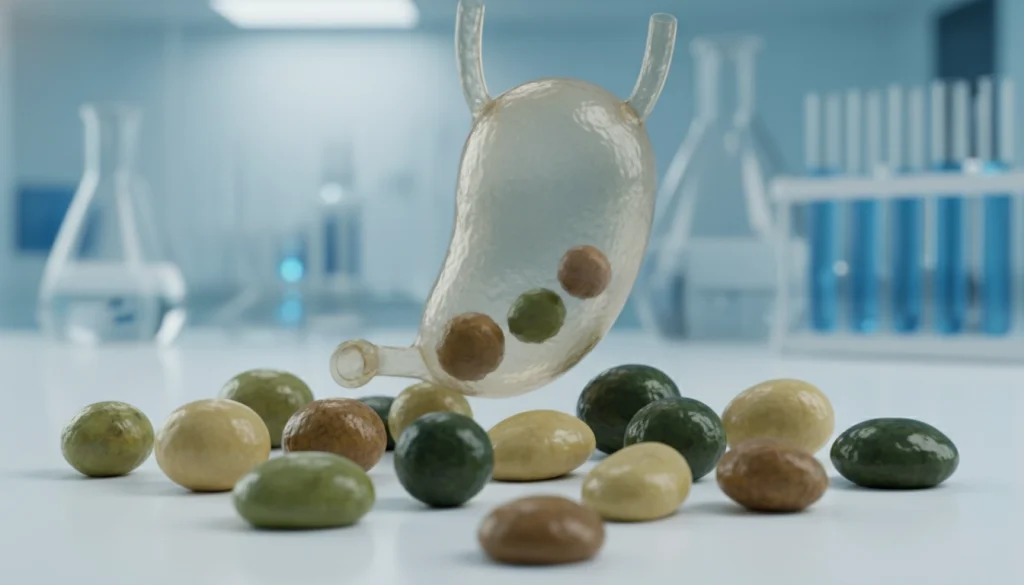
Ever wondered about sudden abdominal pain? Often, gallstones are the cause. These are hardened deposits in your gallbladder, a small organ under your liver.
Many people have gallstones without knowing it. They might not cause any symptoms. But, if they block your bile ducts, they can cause a lot of pain and need doctor help.
Knowing your body is key to managing health. Learning about gallstones helps you make better choices for your digestive health and overall well-being.
Key Takeaways
- Gallstones are hardened deposits of digestive fluid found in the gallbladder.
- Many individuals remain asymptomatic and may not require treatment.
- Pain often occurs when these deposits block the bile ducts.
- Understanding your biliary system is essential for proactive health management.
- Professional medical guidance is necessary if you experience persistent abdominal discomfort.
Understanding the Anatomy and Function of the Gallbladder
To understand gallbladder stones, we need to know about the gallbladder. It’s a small, pear-shaped pouch under the liver in the upper right abdomen. It’s more than just a storage place; it’s key to our digestion.
The gallbladder works with the liver to help our body digest nutrients. When it works right, we don’t even think about it. But, if the balance of fluids changes, it can cause gallstones and pain.
The Role of Bile in Digestion
The gallbladder’s main job is to handle bile, a fluid made by the liver. Bile is a mix of cholesterol, bile salts, and bilirubin. It helps break down fats in the small intestine.
Without enough bile, we can’t absorb fat-soluble vitamins and fatty acids well. Bile breaks down fats into smaller pieces for enzymes to digest. This is key for our health and energy.
How the Gallbladder Stores and Releases Bile
Between meals, the gallbladder stores bile. It gets bile from the liver and makes it more concentrated by removing water. This makes the bile more powerful for digestion.
When we eat fatty foods, the gallbladder gets a signal to release bile. It sends the concentrated bile into the small intestine through the bile ducts. If bile can’t flow right or gets too thick, it can form gallstones. Knowing this helps us see why regular meals are good for our digestive health.
The Biological Formation of Gallstones
The formation of gallstones is a complex process. It starts with the balance of digestive fluids. When this balance changes, solid particles can form in the gallbladder.
Cholesterol Stones vs. Pigment Stones
Gallstones are mainly two types. Cholesterol stones are yellow-green and form when the liver makes more cholesterol than the bile can dissolve.
Pigment stones are smaller and darker. They form when there’s too much bilirubin, a waste from breaking down red blood cells. Both types can block bile ducts and cause pain.
The Role of Bile Supersaturation
Bile is made of water, bile salts, phospholipids, and lipids. When there’s too much cholesterol, it can’t dissolve in the other components.
This imbalance causes cholesterol to form crystals. These crystals grow into solid stones. Keeping the chemical balance right is key to stopping stones from forming.
Gallbladder Motility and Stasis
The gallbladder’s movement is also important. It needs to contract and empty bile into the small intestine well.
If it doesn’t, bile stays put, leading to stasis. This lets crystals grow into bigger gallstones. The gallbladder needs to move regularly to clear out debris.
Risk Factors and Predisposing Conditions
Knowing the main risk factors for gallstones is key to keeping your digestive system healthy. While many people don’t face problems, some factors can raise your risk of getting gallstones.
Genetic and Demographic Influences
Your family history is a big factor in your risk. If your relatives have had gallstones, you might be more likely to get them too.
Also, some ethnic groups and people over 40 are more at risk. Gender is important too, as women are more likely to get gallstones than men.
The Impact of Diet and Rapid Weight Loss
Your diet and weight can change your bile’s chemistry. Eating too much refined carbs and saturated fats can upset the balance of bile.
Fast weight loss or crash diets can also lead to gallstones. Losing weight too fast means your liver makes more cholesterol. Your gallbladder might not empty well either.
This mix of high cholesterol and slow gallbladder can help crystals grow. Keeping a healthy weight is crucial for your gallbladder’s health.
Hormonal Factors and Pregnancy
Hormones change how your body handles bile. High estrogen levels, like during pregnancy or with hormone therapy, can raise bile cholesterol.
This hormonal change can slow down your gallbladder’s emptying. Knowing these risks helps you stay healthy during these times. By being informed, you can take steps to lower your risk of gallstones.
Common Symptoms and Clinical Presentations
Knowing how your body reacts to gallbladder issues can lead to quicker treatment. Many people don’t notice their gallstones until they cause physical changes. These changes happen when gallstones block the biliary system.
Identifying Biliary Colic
Biliary colic is a key sign of this problem. It feels like a steady, intense pain in the upper right of your abdomen.
This pain often starts after eating fatty foods. The gallbladder contracts to release bile. People describe it as a deep, aching pressure that might spread to the right shoulder or back. These pain episodes can last from thirty minutes to several hours.
Distinguishing Between Asymptomatic and Symptomatic Stones
Not all gallstones need surgery right away. Some people have “silent” stones that don’t cause pain and are found by chance during other medical tests.
On the other hand, symptomatic gallstones cause recurring pain that affects your daily life. If you have frequent, predictable pain, see a doctor to discuss your options. Early treatment of symptomatic gallstones can prevent serious health problems.
Recognizing Signs of Complications
Some symptoms mean you might have a serious problem, like an infection or blockage. Seek urgent care if you notice:
- Persistent fever or chills.
- Yellowing of the skin or eyes, known as jaundice.
- Pain that lasts longer than five hours.
- Dark-colored urine or pale, clay-colored stools.
These signs mean the gallstones might have moved into the bile ducts or caused inflammation. Quick medical check-up is key to your safety and digestive health.
| Symptom Type | Primary Characteristic | Clinical Significance |
|---|---|---|
| Asymptomatic | No physical discomfort | Usually requires monitoring only |
| Biliary Colic | Steady, severe upper right pain | Indicates active gallstones movement |
| Complicated | Fever, jaundice, or intense pain | Requires immediate medical intervention |
Diagnostic Procedures for Gallstones
We use many tools to find where gallstones are in your body. Knowing exactly where they are helps us give you the best care for your health.
Physical Examination and Patient History
First, we review your medical history and do a physical exam. We look for pain in the upper right abdomen that might spread to the shoulder.
During the exam, we check for tenderness or inflammation in the gallbladder area. This helps us tell if you have gallstones or not.
Imaging Modalities: Ultrasound and Beyond
Ultrasound is the best way to see gallstones because it’s safe and works well. It lets us see the gallbladder without using harmful radiation.
If ultrasound isn’t clear, we might suggest more tests. MRCP or a CT scan can give us more detailed pictures of your biliary tree and other areas.
Laboratory Tests for Liver and Pancreatic Function
Blood tests are key to seeing how gallstones affect your organs. We check liver function to see if there’s bile duct blockage or liver stress.
We also test amylase and lipase levels to see if the pancreas is involved. These tests help us understand your health better and plan your treatment.
| Diagnostic Tool | Primary Purpose | Key Benefit |
|---|---|---|
| Abdominal Ultrasound | Detecting gallstones | Non-invasive and safe |
| Liver Function Panel | Assessing bile flow | Identifies duct blockage |
| Amylase/Lipase Test | Checking pancreas | Detects secondary inflammation |
| MRCP Imaging | Detailed duct mapping | High-resolution visualization |
Understanding Gallstones and Their Complications
Gallstones can block bile flow, leading to serious health problems. Many people don’t show symptoms, but these stones can cause pain and danger. Knowing the risks early is key to keeping your digestive system healthy.
Cholecystitis: Inflammation of the Gallbladder
Cholecystitis happens when a stone blocks the cystic duct. This stops bile from leaving the gallbladder. The buildup of bile causes pressure and inflammation in the gallbladder wall. Without treatment, it can lead to severe infection or damage.
Choledocholithiasis: Stones in the Common Bile Duct
Gallstones can move into the common bile duct. This is called choledocholithiasis. It blocks bile flow, causing jaundice. This yellowing of skin and eyes needs quick medical help.
Gallstone Pancreatitis
A stone blocking the pancreatic duct is very serious. It stops digestive enzymes from leaving the pancreas. This causes inflammation and is a medical emergency.
If you have these symptoms, see a doctor right away:
- Sudden, intense pain in the upper right abdomen
- Persistent fever or chills
- Yellowing of the skin or the whites of the eyes
- Nausea accompanied by persistent vomiting
Knowing about these complications shows why finding gallstones early is so important. By staying informed, you can work with your doctor to manage your health and avoid these severe problems.
Non-Surgical Management Approaches
We know not all patients can have surgery for gallstones. So, we look at non-surgical ways to manage them. These methods aim to dissolve or break stones into smaller pieces.
Oral Dissolution Therapy
Oral dissolution therapy uses bile acids to dissolve cholesterol gallstones. It changes bile’s makeup, preventing solid deposits. This treatment takes months or years to show results.
Extracorporeal Shock Wave Lithotripsy
This method uses sound waves to break down gallstones into smaller pieces. These pieces can then pass through the bile ducts. It’s often paired with oral medication for better results.
When Non-Surgical Options Are Appropriate
These non-surgical methods are for certain patients. They’re for those at high surgical risk or who don’t want surgery. We consider several factors before choosing these options:
- The size and type of gallstones.
- The gallbladder’s function.
- Any inflammation or infection.
- The patient’s commitment to long-term medication.
Not everyone is a good candidate for these treatments. We focus on your safety, making sure the treatment fits your health and history.
Surgical Interventions for Gallstone Removal
Surgery might seem scary, but today’s methods make gallbladder removal safe and effective. If other treatments don’t work, removing the gallbladder is the best solution for gallstones. This surgery removes the gallbladder to stop pain and prevent serious problems.
Laparoscopic Cholecystectomy Procedures
The most common surgery is the laparoscopic cholecystectomy. It’s a small cut method. Surgeons use tiny cameras and tools through small openings in the belly.
This method is popular because it hurts less and you can go home sooner. People usually get back to normal life quickly. It’s the top choice for treating gallstones for most people.
Open Cholecystectomy: When It Is Necessary
But sometimes, an open cholecystectomy is needed. This is when a bigger cut is made for better view and access. It’s used for tough cases like severe inflammation or scarring from before.
Doctors choose this option to keep you safe and ensure the surgery works. It takes longer to heal than the laparoscopic way. Yet, it’s effective for gallstones when other options fail.
Recovery Expectations and Post-Operative Care
After surgery, recovery is key to getting better. You might feel a bit sore or tired at first. This is normal. Listen to your doctor about how much to move and how to care for your wound.
- Start with light activities as your doctor says.
- Watch your incisions for any redness or swelling.
- Eat well to help your body adjust without a gallbladder.
By following these steps, you can heal well and avoid gallstone problems. Our team is here to help you every step of the way. We want you to feel supported and cared for as you get better.
Dietary Adjustments for Gallbladder Health
Making simple changes to your diet can ease digestive issues when gallstones are present. While diet can’t remove stones, it can help reduce pain. Eating gentle, nutrient-rich foods supports your body while you wait for medical advice.
Foods to Include for Bile Regulation
Adding certain nutrients to your diet helps keep bile flowing well and cholesterol levels in check. Choose whole, unprocessed foods that are easy to digest. These foods help prevent gallbladder strain during digestion.
- Lean proteins like chicken breast, turkey, and white fish.
- Fresh vegetables such as carrots, cucumbers, and leafy greens.
- Whole grains including oats, brown rice, and quinoa.
- Low-fat dairy options like Greek yogurt or skim milk.
Managing Fat Intake Post-Diagnosis
High-fat meals can trigger gallbladder contractions, causing pain if you have gallstones. Limit fried foods, heavy creams, and fatty meats. Eat smaller meals throughout the day to ease digestive stress.
| Food Category | Recommended Choice | Limit or Avoid |
|---|---|---|
| Proteins | Skinless poultry | Processed sausages |
| Dairy | Low-fat yogurt | Full-fat cheese |
| Cooking Methods | Steaming or baking | Deep frying |
Hydration and Fiber Considerations
Drinking plenty of water is key for bile fluidity and digestive health. Aim to drink water all day to keep your system flowing. Also, boost soluble fiber to help manage cholesterol and prevent new gallstones.
Start adding fiber slowly to avoid discomfort. Lentils, beans, and apples are great for steady energy. By making these changes, you can improve your long-term health and comfort.
Living Without a Gallbladder
Many patients worry about life after surgery. But, we’re here to tell you that a healthy, active lifestyle is possible. Removing the organ is a big step, but it doesn’t mean you have to give up your quality of life. Most people can get back to their normal routines soon after recovering from gallstones removal.
Digestive Adjustments After Cholecystectomy
Your gallbladder stored bile from your liver until digestion needed it. After it’s gone, your body has to change. The liver keeps making bile, but it flows straight into your small intestine now.
At first, your digestive system might find it hard to handle high-fat meals. This is normal as your body gets used to the constant flow of bile. Most people find their digestion gets much better over time.
Long-Term Dietary Recommendations
Changing your eating habits is key for long-term comfort. We suggest eating smaller, more frequent meals to manage bile flow. Certain habits can greatly improve your daily comfort:
- Eat more soluble fiber, like oats and beans, to help with bowel movements.
- Avoid high-fat, fried, or greasy foods to avoid discomfort early on.
- Try new foods slowly to see what works best for you.
Addressing Post-Cholecystectomy Syndrome
Some people might have ongoing digestive issues like bloating, gas, or diarrhea after gallstones removal. This is called post-cholecystectomy syndrome. It happens when your digestive system is adjusting to not having a gallbladder.
If you’re dealing with these symptoms, don’t worry. Keeping a food diary and working with a dietitian can help. With time and the right changes, you can manage these symptoms and feel better.
Pediatric and Geriatric Considerations
Managing gallbladder health needs a special approach for kids and older adults. The basics of gallstones stay the same, but the situation changes with age and health.
Gallstones in Children: Causes and Management
Gallstones are rare in kids compared to adults. They often come from health issues, not just lifestyle.
Common causes in kids include:
- Hemolytic anemia, such as sickle cell disease.
- Total parenteral nutrition or prolonged fasting.
- Congenital abnormalities of the biliary tract.
Children might not show pain well, so we use special tests. Finding the cause is key to stop gallstones from coming back and keep them healthy.
Managing Gallstones in Older Adults
As people get older, gallbladder disease symptoms can be less clear. Older adults might feel vague pain or symptoms that don’t seem right.
We also think about other health problems, like heart disease or diabetes, when deciding treatment. These can affect whether surgery is best or if we should try something else first.
We aim to give age-appropriate care that helps both relieve symptoms and respects the patient’s health. By weighing risks and benefits, we manage gallstones and improve life quality for seniors.
Alternative and Complementary Perspectives
Looking into different ways to improve gallbladder health is important. We focus on proven medical treatments but also consider lifestyle changes. It’s key to make sure these options are safe and backed by science when it comes to gallstones.
The Role of Lifestyle Modifications
Healthy habits are the base for good digestive health. Being active helps keep your weight in check, which lowers the risk of gallbladder problems. Exercise also boosts how your body handles fats.
It’s better to aim for lasting changes than quick fixes. Eating foods high in fiber and drinking plenty of water are good for your digestive system. These steps are most effective when they’re part of a long-term health plan.
Evaluating Herbal and Holistic Claims
Many people wonder about herbal supplements or holistic “flushes” for gallstones. But, there’s not much scientific proof they work well in real life. Some herbs might cause side effects or interact with medicines.
Talk to your doctor before trying any new supplements or holistic practices. They can check if these are safe for you, based on your health history. This way, you can make sure your choices are safe and don’t clash with your main treatment.
- Always check what’s in any herbal supplement.
- Ask your doctor before trying new holistic practices.
- Stick to treatments that have solid evidence for gallstones.
- Stay away from untested “cleanses” without strong scientific backing.
We want to give you the info you need to make smart choices. By mixing traditional medicine with healthy living, you can manage your digestive health better. We’re here to help you find the safest and most effective way to move forward.
Preventative Strategies for Gallstone Recurrence
Keeping your digestive system free from gallstones is something we can do together. By making small changes in your daily life, you can greatly reduce the chance of getting gallstones again. We want to give you the tools to keep your digestive system healthy for a long time.
Maintaining a Healthy Body Mass Index
Keeping a healthy body mass index (BMI) is key for your biliary health. Being overweight, and having extra fat around your belly, can affect how your body handles cholesterol. This can lead to the formation of gallstones.
It’s better to lose weight slowly and steadily than to try to lose it quickly. Losing weight too fast can actually make your gallbladder form new stones. So, it’s safer to take it slow.
The Importance of Consistent Eating Patterns
Your gallbladder needs regular emptying to work well. Skipping meals or fasting for too long can make bile stay in the gallbladder. This can increase the risk of gallstones.
Eating regular, balanced meals helps keep your digestive system moving. This prevents bile from getting stuck. Here are some tips to help your health:
- Eat at the same times every day to keep bile flowing.
- Add some healthy fats to your meals to help your gallbladder contract.
- Choose foods high in fiber to help with digestion and cholesterol.
| Habit | Impact on Gallbladder | Recommended Action |
|---|---|---|
| Skipping Meals | Increases bile stasis | Eat regular, balanced meals |
| Rapid Weight Loss | Promotes gallstones | Aim for slow, steady weight loss |
| High Fiber Intake | Supports healthy digestion | Include vegetables and grains |
Navigating Long-Term Digestive Wellness
Managing your health is a team effort. You and your doctor need to work together. Keeping in touch with your healthcare provider is key to watching your gallbladder health.
If you’re dealing with symptoms or recovering from a procedure, knowing what’s going on is important. Taking care of yourself helps keep your life quality high. It also helps avoid problems that could come from gallstones in the future.
Living a balanced life is good for your digestive system. Regular doctor visits and talking about your diet or any physical changes are important. This way, any problems can be caught and fixed early.
Your path to feeling better is unique. We’re here to offer the expert advice you need. At Acıbadem Healthcare Group, we’re committed to your long-term health. We aim to help you manage gallstones with confidence.
FAQ
Q: What exactly are gallstones and how do they develop?
A: Gallstones are hardened deposits in the gallbladder. They form when there’s a chemical imbalance in bile. This imbalance can be due to too much cholesterol or bilirubin. Or, if the gallbladder doesn’t empty often enough.
Q: What is the primary function of the gallbladder in my body?
A: The gallbladder stores bile, a key fluid for fat digestion. It concentrates bile and releases it into the small intestine during meals. This helps break down fats in our food.
Q: What are the different types of gallstones?
A: There are two main types. Cholesterol stones are yellow-green and common. They form when bile has too much cholesterol. Pigment stones are darker and smaller, caused by too much bilirubin in the bile.
Q: What factors increase the risk of developing gallstones?
A: Several factors increase your risk. Genetics, age, and gender play a role. Lifestyle choices like rapid weight loss and high-fat diets also raise your risk. Hormonal changes, like during pregnancy, can affect gallbladder function.
Q: What are the common symptoms of symptomatic gallstones?
A: The main symptom is biliary colic, a sharp pain in the upper right abdomen. Some people have “silent” stones with no symptoms. Look out for signs like jaundice, fever, or persistent nausea, which could mean a blockage or infection.
Q: How does Acıbadem Healthcare Group diagnose gallstones?
A: We start with a physical exam and patient history. Then, we use abdominal ultrasound, the best method for finding stones. Blood tests also help check liver function and pancreatic inflammation.
Q: What complications can arise if gallstones are left untreated?
A: Untreated gallstones can cause serious problems. These include cholecystitis, choledocholithiasis, and gallstone pancreatitis. These need quick medical treatment to avoid serious infections or damage.
Q: Are there non-surgical options for stone removal?
A: Sometimes, we use oral dissolution therapy or shock wave lithotripsy. But these are less common and usually not as effective as surgery. They’re for specific cases only.
Q: What is a cholecystectomy and how is it performed?
A: A cholecystectomy removes the gallbladder. At Acıbadem Healthcare Group, we prefer laparoscopic cholecystectomy for its small incisions and quick recovery. In complex cases, an open cholecystectomy ensures safety.
Q: How should I adjust my diet after a gallstone diagnosis?
A: Eat a diet rich in fiber and low in saturated fats. This helps avoid discomfort. Keep your eating schedule regular and drink plenty of water to help bile flow.
Q: Can I live a healthy life without a gallbladder?
A: Yes, the body adapts well without a gallbladder. Bile flows directly to the small intestine after surgery. Most people can live normally, with little need for dietary changes.
Q: Do children and older adults face different risks with gallstones?
A: Yes, age-specific care is important. Children often have gallstones due to blood disorders. Older adults may have milder symptoms but need careful treatment due to other health issues.
Q: Can lifestyle changes prevent the recurrence of gallstones?
A: Yes, a healthy lifestyle can help. Avoid extreme dieting and maintain a healthy weight. Regular exercise and consistent eating times help prevent bile stasis.
Q: How does Acıbadem Healthcare Group support long-term digestive wellness?
A: We educate and provide expert care to empower patients. Whether through surgery or guidance, we help you make informed decisions for better digestive health.