

Treatment Snapshot
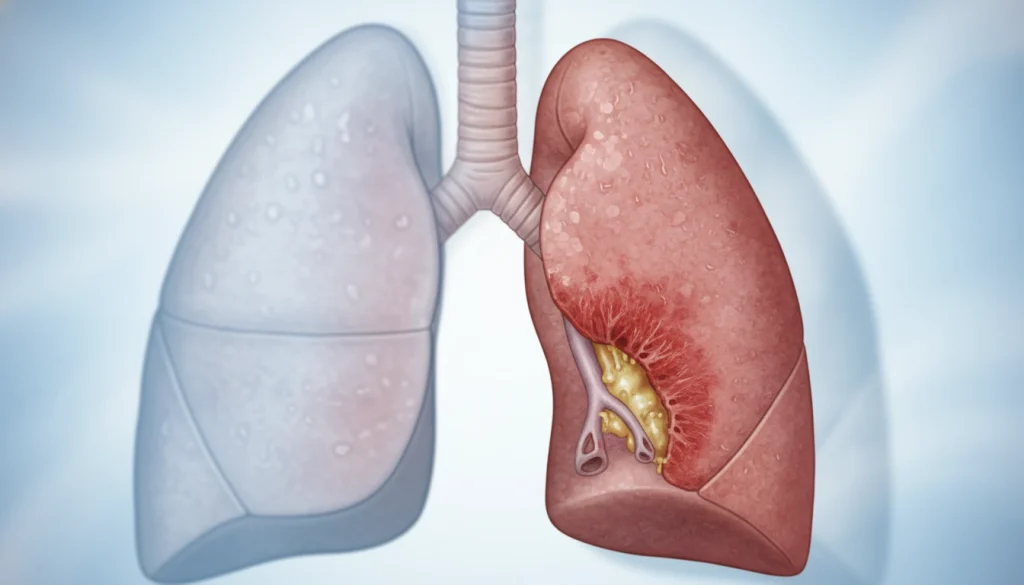
We define pneumonia as a serious infection that inflames the air sacs in one or both lungs. These tiny sacs may fill with fluid or pus. This often leads to a persistent cough, fever, and difficulty breathing. Understanding this condition is the first step toward protecting your respiratory health.
Our goal is to give you a full understanding of this illness. This helps you know when you need professional medical help. While some cases are mild, others can be severe. They may even lead to complications like a pulmonary hemorrhage if left untreated. By exploring this respiratory challenge, we empower you to take proactive steps toward your recovery.
We believe that informed patients are better equipped to navigate their treatment journeys. Your health is our priority, and we are here to guide you through every stage of care.
Key Takeaways
- Pneumonia causes inflammation in the lung’s air sacs, often resulting in fluid or pus accumulation.
- Common symptoms include persistent coughing, fever, and noticeable shortness of breath.
- Early recognition of symptoms is vital for effective medical management and faster recovery.
- Professional clinical assessment is necessary to determine the severity of the infection.
- Informed patients play a critical role in their own healing process by working closely with healthcare providers.
Understanding the Biological Mechanisms of Pneumonia
When we breathe, our lungs work hard to give our bodies oxygen. But sometimes, harmful germs get in and cause pneumonia. This is not just a simple cough; it’s a complex event in the respiratory system. Learning how infections start helps us see why keeping our lungs healthy is so important.
How Pathogens Invade the Alveoli
The lungs have natural barriers to keep out foreign particles. But when pathogens like bacteria or viruses get past these, they move down the bronchial tubes to the alveoli. These tiny air sacs are key for gas exchange in our bodies.
Once in the alveoli, these germs start to multiply fast. This disrupts the balance needed for breathing. The body’s usual defenses, like the mucociliary escalator and immune cells, may not be enough.
- The mucociliary escalator, which normally sweeps debris out of the airways.
- Resident immune cells, such as alveolar macrophages, that patrol the air sacs.
- The physical barrier provided by the epithelial lining of the lungs.
The Body’s Inflammatory Response
When the immune system finds an invader, it starts a strong inflammatory response. This involves sending white blood cells and fluid to fight the germs. While it’s a good defense, it also makes things tough for the person.
The fluid and debris in the air sacs block oxygen from getting into the blood. This is why people with pneumonia often have trouble breathing and feel pain in their chest. The body has to work harder to get enough oxygen, leading to fatigue and breathing problems.
Common Causes and Pathogens
Many different pathogens can cause pneumonia. These include common bacteria and rare fungi. Each type of pathogen attacks the lungs in its own way. Knowing which one you have is key to getting better.
We group these pathogens to help you understand why doctors choose certain treatments. This knowledge is important for your recovery.
Bacterial Infections and Streptococcus pneumoniae
Bacteria are the main cause of pneumonia in adults. Streptococcus pneumoniae is the most common one. It usually lives in the upper respiratory tract without causing problems. But when it gets into the lower lungs, it can cause a big inflammatory response.
Other bacteria, like Haemophilus influenzae or Staphylococcus aureus, can also cause infections. These cases need antibiotics right away to stop the infection. It’s important to finish all the medicine your doctor prescribes to get rid of the bacteria.
Viral Triggers Including Influenza and RSV
Viruses are another big cause of pneumonia, mostly in the winter. Viruses like influenza and Respiratory Syncytial Virus (RSV) can damage the airway lining. This makes it easier for bacteria to cause more infections.
Viral infections often need different treatment than bacterial ones. Sometimes, they just need supportive care, not antibiotics. We watch these cases closely to prevent dangerous secondary infections. Getting vaccinated is the best way to fight these viruses.
Fungal and Atypical Pathogens
Atypical pathogens, like Mycoplasma pneumoniae, cause milder symptoms that take time to develop. These infections are sometimes called “walking” infections because they don’t make you bedridden right away. Fungal infections are less common but can happen in people with weak immune systems or those exposed to certain spores.
Diagnosing these types of pneumonia needs special lab tests. We use these tests to figure out if you have a common bacterial infection or something more complex. This helps us give you the right treatment for your condition.
| Pathogen Type | Common Examples | Primary Treatment |
|---|---|---|
| Bacterial | Streptococcus pneumoniae | Antibiotics |
| Viral | Influenza, RSV | Supportive Care/Antivirals |
| Atypical | Mycoplasma pneumoniae | Specific Antibiotics |
| Fungal | Histoplasma, Coccidioides | Antifungal Medication |
Recognizing the Clinical Symptoms
When your lungs are under attack, your body sends out specific signals that you should never ignore. Pneumonia often begins with subtle changes that can easily be mistaken for a common cold or seasonal flu. By paying close attention to these early warning signs, you can seek medical guidance before the condition progresses.
Distinguishing Between Mild and Severe Manifestations
The clinical presentation of this condition varies significantly depending on the underlying pathogen and your overall health. Mild cases may present with a persistent cough, low-grade fever, and mild chest discomfort. These symptoms often allow individuals to manage their recovery at home with rest and fluids.
In contrast, severe manifestations demand immediate professional intervention. You might experience high fevers, shaking chills, and a cough that produces thick, discolored mucus. If your symptoms worsen rapidly, it is vital to consult a healthcare provider to prevent further complications.
Respiratory Distress Indicators
Your breathing patterns serve as a primary indicator of how well your lungs are functioning. Shortness of breath, even during light physical activity, is a common sign that your oxygen levels may be compromised. You might also notice rapid, shallow breathing or a feeling of tightness in the chest.
- Difficulty catching your breath while resting.
- Audible wheezing or whistling sounds when inhaling.
- A persistent, sharp pain in the chest when taking deep breaths.
Systemic Symptoms Beyond the Lungs
Pneumonia affects more than just your respiratory system; it often triggers a systemic response as your body fights the infection. You may feel overwhelming fatigue, muscle aches, or a general sense of malaise. In some cases, among older adults, confusion or sudden changes in mental alertness can occur due to low oxygen saturation.
| Symptom Category | Mild Presentation | Severe Presentation |
|---|---|---|
| Respiratory | Dry or mild cough | Productive cough with blood |
| Systemic | Low-grade fever | High fever and delirium |
| Physical | Mild fatigue | Extreme exhaustion |
Risk Factors and Vulnerable Populations
Our bodies have natural defenses against germs. But, some people are more likely to get sick because of their health or environment. This is true for pneumonia and other illnesses.
Age-Related Susceptibility in Children and Seniors
Age is a big factor in how well our lungs work. Young kids have immune systems that are just starting to learn. They’re more likely to get sick.
Older adults face a different challenge. As we age, our immune system weakens. This makes it harder to fight off infections, raising the risk of serious pneumonia.
Impact of Chronic Health Conditions
Having ongoing health problems can make us more susceptible to illness. It’s important to manage these conditions well. This helps keep our lungs healthy.
- Diabetes mellitus, which can impair immune response.
- Chronic obstructive pulmonary disease (COPD) or asthma.
- Heart disease, which may lead to fluid accumulation in the lungs.
- Neurological disorders that affect the ability to cough or swallow.
Lifestyle Factors and Environmental Exposures
Our daily choices and surroundings affect our lung health. Smoking is a big risk because it damages the tiny hairs in our airways. This makes it easier to get pneumonia.
Being around pollution, chemicals, or secondhand smoke also harms our lungs. By knowing these risks, we can take steps to protect our health.
Diagnostic Procedures and Clinical Evaluation
When you visit a clinic with respiratory concerns, we follow a precise path to identify the root cause of your illness. A structured diagnostic process is essential to ensure you receive the most appropriate treatment for your specific condition. By combining clinical expertise with modern technology, we can confirm a diagnosis of pneumonia and begin your recovery journey.
Physical Examination and Auscultation Techniques
The diagnostic journey begins with a thorough physical examination. We carefully observe your breathing patterns, check your oxygen saturation levels, and listen to your heart rate. These initial steps provide us with vital clues about your overall stability.
Auscultation is a critical part of this evaluation. Using a stethoscope, we listen closely to your lungs for abnormal sounds such as crackles, wheezing, or diminished breath sounds. These indicators often suggest that fluid or inflammation is present within the alveolar spaces.
Imaging Studies Including Chest X-rays and CT Scans
Imaging studies serve as our primary window into the health of your lungs. A chest X-ray is typically the first test ordered to visualize the extent of consolidation or inflammation. This non-invasive tool helps us distinguish between various types of respiratory distress.
In more complex cases, we may utilize a CT scan to obtain a more detailed, cross-sectional view of the lung tissue. This advanced imaging allows us to identify subtle patterns of infection that might not appear on a standard X-ray. These tools are indispensable for confirming a pneumonia diagnosis and monitoring your progress over time.
Laboratory Testing for Pathogen Identification
To provide targeted care, we must identify the specific pathogen responsible for your infection. Laboratory testing plays a vital role in this phase of the evaluation. We often collect samples to determine if the cause is bacterial, viral, or fungal.
- Sputum Culture: Analyzing mucus coughed up from the lungs to isolate the infectious agent.
- Blood Tests: Checking white blood cell counts and inflammatory markers to assess the severity of the immune response.
- Pulse Oximetry: Measuring the oxygen levels in your blood to determine if supplemental support is required.
The following table summarizes the primary diagnostic tools we use to evaluate your respiratory health:
| Diagnostic Tool | Primary Purpose | Clinical Insight |
|---|---|---|
| Physical Exam | Initial Assessment | Detects abnormal lung sounds |
| Chest X-ray | Visual Confirmation | Identifies pneumonia consolidation |
| Sputum Culture | Pathogen ID | Targets specific antibiotic therapy |
| Blood Panel | Systemic Check | Evaluates immune system response |
Current Medical Treatments for Pneumonia
After confirming a diagnosis, we start a treatment plan to fight the infection. Pneumonia can be caused by different pathogens. So, our treatment is tailored to your needs.
Antibiotic Therapy Protocols
For bacterial pneumonia, antibiotics are the first line of defense. We choose the right medication based on the likely cause, like Streptococcus pneumoniae.
It’s important to finish all antibiotics, even if you start feeling better. Stopping early can cause the infection to come back or lead to resistant bacteria.
Antiviral and Antifungal Medication Strategies
If a virus or fungus is found, we change our approach. Antivirals help shorten viral infections. Antifungals are used for specific, often complex, fungal infections.
These treatments stop the pathogen from spreading in your lungs. This lets your immune system heal the damaged tissue.
Supportive Care and Oxygen Therapy
We also focus on supportive care to keep you comfortable and stable. If your oxygen levels drop, we use oxygen therapy. This ensures your organs get enough oxygen.
We also manage your hydration and rest, which are key to recovery. Our team watches your progress to adjust these measures as needed.
| Pathogen Type | Primary Treatment | Goal of Therapy |
|---|---|---|
| Bacterial | Antibiotics | Eliminate infection |
| Viral | Antivirals | Reduce viral load |
| Fungal | Antifungals | Clear fungal growth |
| General Pneumonia | Supportive Care | Maintain oxygenation |
Home Management and Recovery Strategies
After you leave the hospital, your recovery at home is just as important. Even though the worst of pneumonia is over, your body needs time to heal. Make sure to rest well and follow your doctor’s advice to get better fully.
Hydration and Nutritional Support
Drinking enough water is key to thinning mucus and clearing your lungs. Drink water, herbal teas, or clear broths all day. This helps your body work better while fighting off the infection.
Eating right is also important for healing. Eat foods that are full of nutrients to help your immune system. Here are some good foods to eat:
- Lean proteins like chicken or beans to support tissue repair.
- Fruits and vegetables rich in Vitamin C and antioxidants.
- Warm soups that provide both hydration and easy-to-digest nutrients.
Managing Fever and Pain at Home
It’s normal to feel some discomfort or have a mild fever as you recover. You can use over-the-counter medicines like acetaminophen or ibuprofen. But always talk to your doctor about how much to take and how often.
Creating a cozy environment helps too. Use a humidifier to keep the air moist and soothe your airways. Remember, taking it easy is important. Rushing back too soon can slow down your recovery.
Monitoring Recovery Progress and Warning Signs
Watching how you feel is the best way to know you’re getting better. But, be careful for any signs that you’re getting worse. If you have a high fever, trouble breathing, or chest pain, call your doctor right away.
Keep track of your symptoms in a log to share with your doctor. Spotting warning signs early helps prevent serious problems. We want to help you stay healthy and well during your recovery.
Complications Associated with Severe Cases
We must talk about the serious side of pneumonia. While many people get better with treatment, severe cases can lead to big health problems. It’s important to know these risks to keep your lungs healthy in the long run.
Pleural Effusion and Empyema
One serious issue is when fluid builds up around the lungs. This is called pleural effusion. If this fluid gets infected, it turns into empyema. This often needs surgery or special antibiotics to fix.
Bacteremia and Septic Shock
When pneumonia bacteria get into the blood, it’s called bacteremia. This can spread to other parts of the body, causing septic shock. Septic shock is a life-threatening emergency that needs quick, intense care.
Acute Respiratory Distress Syndrome
ARDS is the worst lung problem from pneumonia. It makes the lungs so inflamed they can’t breathe well. People with ARDS often need a machine to help them breathe while they get better.
- Seek medical help if you experience sudden worsening of symptoms.
- Follow all prescribed treatment plans to prevent infection spread.
- Monitor for signs of confusion, rapid heart rate, or extreme fatigue.
Knowing about these serious problems shows why seeing a doctor early is key. Early treatment for pneumonia can prevent these serious issues. Always talk to your doctor about how you’re feeling during your recovery.
Pneumonia Prevention and Vaccination
We believe in taking proactive steps to stay healthy. By doing so, you can lower your risk of getting pneumonia and other serious lung diseases.
Pneumococcal Vaccine Schedules
Vaccines are a key defense against lung infections. The CDC suggests certain vaccines for adults over 65 or those with health issues.
Talk to your doctor about your vaccination history. They can decide if you need PCV15, PCV20, or PPSV23 vaccines. This ensures you’re protected against pneumonia.
The Role of Annual Influenza Immunization
Many don’t know the flu can lead to pneumonia. Getting an annual flu shot is key to avoiding pneumonia. It helps keep your immune system strong.
Staying up-to-date with your flu shot is important. It helps prevent your lungs from getting sick. Make it a part of your fall health routine.
Hygiene Practices to Reduce Transmission
Your daily habits are also important for lung health. Simple hygiene practices can greatly reduce pneumonia spread.
Here are some habits to adopt:
- Wash your hands often with soap and water for 20 seconds.
- Use hand sanitizers when soap is not available.
- Avoid people who are coughing or sneezing.
- Clean high-touch areas in your home and office often.
Prevention is key to our mission. By choosing the right vaccines and practicing good hygiene, you can protect your health. This keeps you safe from pneumonia risks.
Pediatric Considerations for Respiratory Health
Children’s respiratory health needs extra care because they show symptoms differently than adults. When a child gets pneumonia, it can be hard to spot early. This makes it key for parents and caregivers to watch closely.
Unique Challenges in Diagnosing Infants
Infants can’t tell us how they feel, making diagnosis tough. Unlike adults, who might say they have chest pain or a cough, babies might just seem upset or not want to eat.
Doctors look for signs like fussiness, not wanting to eat, or fever. These can mean many things, not just pneumonia. So, doctors must be very careful and think it might be pneumonia.
When to Seek Emergency Pediatric Care
It’s vital to know when a child’s breathing is in trouble. If your child is having trouble breathing, get them to a doctor right away. This is to make sure they don’t have pneumonia or something worse.
Watch for these signs of serious trouble:
- Rapid or hard breathing, where the skin pulls in between the ribs.
- Persistent tiredness or hard time waking up.
- Blue color around the lips or fingernails, meaning low oxygen.
- High fever that doesn’t go away with usual treatments.
We urge families to listen to their gut if a child seems really sick. Quick action for pneumonia can help a lot. It can also stop serious problems in young patients.
Geriatric Health and Pneumonia Risks
Pneumonia in older adults is often hard to spot because their immune system changes. As we get older, the usual signs of infection may not show up. This makes it tough for families and caregivers to catch it early.
Atypical Presentations in Older Adults
Older patients might not show the usual signs of a lung infection. They might not have a high fever or cough. Instead, they might act confused or seem weaker.
Caregivers should look out for these signs of trouble:
- Sudden confusion or delirium.
- Unexplained falls or loss of balance.
- Feeling very tired or not wanting to eat.
- Breathing faster without seeming to be in pain.
Preventative Strategies for Long-Term Care Residents
Keeping lungs healthy in long-term care facilities is key. We think watching closely and keeping things clean are the best ways to stop pneumonia.
Here’s what medical teams and staff should do:
- Make sure everyone gets their shots, like flu and pneumococcal vaccines.
- Make sure everyone washes their hands a lot to stop germs.
- Help people stay active and sit up straight to keep lungs working well.
- Check on everyone every day to catch small problems before they get big.
Keeping our seniors healthy is everyone’s job. By talking openly with families, doctors, and caregivers, we can help our older friends stay well and happy.
Hospitalization Criteria and Intensive Care
When pneumonia symptoms get worse, doctors must decide if you need to stay in the hospital. We look at many factors to make sure you get the right care. Your safety and recovery are our top priorities.
Assessing Severity Using Clinical Scoring Systems
Doctors use special scoring systems to make fair decisions. These tools help us understand how serious your pneumonia is. By checking your vital signs and health history, we can guess if you might face serious problems.
- CURB-65 Score: Looks at confusion, urea levels, breathing rate, and blood pressure.
- PSI (Pneumonia Severity Index): A detailed tool that looks at age, health problems, and physical checks.
These scores help us decide if you need to stay in a regular ward or the intensive care unit. They help us make clear, informed choices.
| Risk Factor | Low Risk | High Risk |
|---|---|---|
| Oxygen Saturation | Above 94% | Below 90% |
| Mental Status | Alert and Oriented | Confused or Lethargic |
| Respiratory Rate | Under 20 breaths/min | Over 30 breaths/min |
| Pneumonia Severity | Mild/Outpatient | Severe/ICU Required |
The Role of Mechanical Ventilation
If your lungs can’t get enough oxygen, we might use a ventilator. This helps your body breathe while it fights the pneumonia. Our ICU teams are ready to handle these tough cases with care and skill.
We want to make the hospital stay easier for you. Ventilators might seem scary, but they’re a temporary fix to help you get better. We aim to help you breathe on your own as soon as it’s safe.
The Long-Term Impact on Lung Function
Even after the initial illness, the road to full lung health can be long. Many people feel tired or have trouble breathing long after their pneumonia symptoms go away.
Post-Pneumonia Recovery and Pulmonary Rehabilitation
Recovery takes time and needs careful attention. For many, joining pulmonary rehabilitation programs helps a lot. These programs help you get stronger and breathe better.
These programs include exercises, breathing lessons, and education. They are designed just for you. Doing these activities can make you feel more confident and help you deal with the physical challenges after pneumonia.
Potential for Chronic Respiratory Issues
Severe infections can sometimes change lung tissue permanently. It’s important to watch your lung health closely. Some people may face chronic respiratory problems that need ongoing care.
Working with your doctor is key to tracking your progress and solving any ongoing issues. Being proactive helps manage pneumonia‘s long-term effects and keeps your lungs healthy.
Your healthcare team is here to support your long-term health goals. If you notice any breathing changes or feel your recovery is slow, don’t hesitate to reach out. We can work together to help you fully recover and maintain your quality of life after pneumonia.
Navigating the Healthcare System for Pneumonia
Dealing with pneumonia can be tough, and managing your care can add to the stress. We aim to make your path clear so you can focus on getting better. By organizing your care, you cut down on stress and keep your health first.
Coordinating Care Between Primary Physicians and Specialists
Getting better often means working with a team. Your primary doctor is your main point of contact. Specialists like pulmonologists or infectious disease doctors help with serious pneumonia cases.
It’s a good idea to keep a folder for your health records. This helps you track appointments, test results, and any changes to your meds. Make sure your primary doctor knows what specialists say.
Understanding Insurance and Treatment Costs
Handling the money side of things is key too. Reach out to your insurance early to check if they cover hospital stays, tests, and follow-up visits for pneumonia.
Being open about billing can prevent surprise costs. Here’s a table to help you stay on top of things:
| Action Item | Primary Responsibility | Key Benefit |
|---|---|---|
| Care Coordination | Primary Care Physician | Unified treatment plan |
| Specialist Referral | Clinical Team | Targeted expert care |
| Insurance Verification | Patient/Caregiver | Financial predictability |
| Billing Review | Administrative Staff | Cost transparency |
Don’t hesitate to ask your healthcare team about costs. We’re here to help you through these steps. We want to make sure you get the care you need without extra stress.
Prioritizing Respiratory Wellness and Long-Term Health
Keeping your lungs healthy is a daily task and a medical priority. Knowing the risks of pneumonia is a big step towards a healthier future.
Think of lung health as a long journey, not just a one-time event. Regular doctor visits and talking openly with your healthcare team at Acıbadem Healthcare Group are key. They help spot problems early. Being aware of pneumonia symptoms lets you act fast to protect your health.
Knowledge is your best shield against lung diseases. We’re here to offer expert advice and support. Count on us to help you keep your lungs working well and stay healthy for the long haul. Your smart choices today will lead to a better tomorrow.
FAQ
Q: What exactly is pneumonia and how does it affect the lungs?
A: Pneumonia is a serious lung infection that causes inflammation in the air sacs of the lungs. These sacs can fill with fluid or pus, making it hard to breathe. At Acıbadem Healthcare Group, we believe understanding this is key to recovery.
Q: How do pathogens manage to cause an infection deep within the respiratory system?
A: Harmful microorganisms can get past the body’s defenses to reach the alveoli. This triggers inflammation and sends white blood cells to fight the infection. The buildup of fluid and debris in the air sacs impairs gas exchange, leading to symptoms.
Q: What are the most common causes of this lung infection?
A: Pneumonia can be caused by bacteria, viruses, or fungi. Bacterial pneumonia often comes from Streptococcus pneumoniae. Viral causes include Influenza and Respiratory Syncytial Virus (RSV). We also watch for atypical pathogens and fungi, needing special tests for treatment.
Q: What symptoms should I be concerned about?
A: Symptoms range from mild to severe. Look out for a persistent cough, fever, chills, and shortness of breath. Also, watch for extreme fatigue or sudden confusion, as these can be signs of serious issues.
Q: Who is considered most at risk for developing severe pneumonia?
A: Older adults and young children are at higher risk. People with chronic conditions like asthma or heart disease are also more susceptible. Lifestyle factors, such as smoking, increase the risk too.
Q: How do medical professionals diagnose pneumonia?
A: We start with a physical exam and listen with a stethoscope for lung sounds. Imaging studies like Chest X-rays or CT scans show inflammation. Lab tests identify the pathogen causing the illness.
Q: What medical treatments are available for recovery?
A: Treatment depends on the cause. Antibiotics fight bacterial infections, while antivirals or antifungals target viruses or fungi. For severe cases, we provide oxygen therapy to help with breathing.
Q: How can I manage my recovery effectively at home?
A: Focus on hydration, balanced nutrition, and rest at home. Use over-the-counter meds for fever and pain as advised. Always watch for worsening symptoms and seek help if needed.
Q: What are the most common causes of this lung infection?
A: Pneumonia can be caused by bacteria, viruses, or fungi. Bacterial pneumonia often comes from Streptococcus pneumoniae. Viral causes include Influenza and Respiratory Syncytial Virus (RSV). We also watch for atypical pathogens and fungi, needing special tests for treatment.
Q: What symptoms should I be concerned about?
A: Symptoms range from mild to severe. Look out for a persistent cough, fever, chills, and shortness of breath. Also, watch for extreme fatigue or sudden confusion, as these can be signs of serious issues.
Q: Who is considered most at risk for developing severe pneumonia?
A: Older adults and young children are at higher risk. People with chronic conditions like asthma or heart disease are also more susceptible. Lifestyle factors, such as smoking, increase the risk too.
Q: How do medical professionals diagnose pneumonia?
A: We start with a physical exam and listen with a stethoscope for lung sounds. Imaging studies like Chest X-rays or CT scans show inflammation. Lab tests identify the pathogen causing the illness.
Q: What medical treatments are available for recovery?
A: Treatment depends on the cause. Antibiotics fight bacterial infections, while antivirals or antifungals target viruses or fungi. For severe cases, we provide oxygen therapy to help with breathing.
Q: How can I manage my recovery effectively at home?
A: Focus on hydration, balanced nutrition, and rest at home. Use over-the-counter meds for fever and pain as advised. Always watch for worsening symptoms and seek help if needed.
Q: What are the most common causes of this lung infection?
A: Pneumonia can be caused by bacteria, viruses, or fungi. Bacterial pneumonia often comes from Streptococcus pneumoniae. Viral causes include Influenza and Respiratory Syncytial Virus (RSV). We also watch for atypical pathogens and fungi, needing special tests for treatment.
Q: What symptoms should I be concerned about?
A: Symptoms range from mild to severe. Look out for a persistent cough, fever, chills, and shortness of breath. Also, watch for extreme fatigue or sudden confusion, as these can be signs of serious issues.
Q: Who is considered most at risk for developing severe pneumonia?
A: Older adults and young children are at higher risk. People with chronic conditions like asthma or heart disease are also more susceptible. Lifestyle factors, such as smoking, increase the risk too.
Q: How do medical professionals diagnose pneumonia?
A: We start with a physical exam and listen with a stethoscope for lung sounds. Imaging studies like Chest X-rays or CT scans show inflammation. Lab tests identify the pathogen causing the illness.
Q: What medical treatments are available for recovery?
A: Treatment depends on the cause. Antibiotics fight bacterial infections, while antivirals or antifungals target viruses or fungi. For severe cases, we provide oxygen therapy to help with breathing.
Q: How can I manage my recovery effectively at home?
A: Focus on hydration, balanced nutrition, and rest at home. Use over-the-counter meds for fever and pain as advised. Always watch for worsening symptoms and seek help if needed.
Q: What are the most common causes of this lung infection?
A: Pneumonia can be caused by bacteria, viruses, or fungi. Bacterial pneumonia often comes from Streptococcus pneumoniae. Viral causes include Influenza and Respiratory Syncytial Virus (RSV). We also watch for atypical pathogens and fungi, needing special tests for treatment.
Q: What symptoms should I be concerned about?
A: Symptoms range from mild to severe. Look out for a persistent cough, fever, chills, and shortness of breath. Also, watch for extreme fatigue or sudden confusion, as these can be signs of serious issues.
Q: Who is considered most at risk for developing severe pneumonia?
A: Older adults and young children are at higher risk. People with chronic conditions like asthma or heart disease are also more susceptible. Lifestyle factors, such as smoking, increase the risk too.
Q: How do medical professionals diagnose pneumonia?
A: We start with a physical exam and listen with a stethoscope for lung sounds. Imaging studies like Chest X-rays or CT scans show inflammation. Lab tests identify the pathogen causing the illness.
Q: What medical treatments are available for recovery?
A: Treatment depends on the cause. Antibiotics fight bacterial infections, while antivirals or antifungals target viruses or fungi. For severe cases, we provide oxygen therapy to help with breathing.
Q: How can I manage my recovery effectively at home?
A: Focus on hydration, balanced nutrition, and rest at home. Use over-the-counter meds for fever and pain as advised. Always watch for worsening symptoms and seek help if needed.
Q: What are the most common causes of this lung infection?
A: Pneumonia can be caused by bacteria, viruses, or fungi. Bacterial pneumonia often comes from Streptococcus pneumoniae. Viral causes include Influenza and Respiratory Syncytial Virus (RSV). We also watch for atypical pathogens and fungi, needing special tests for treatment.
Q: What symptoms should I be concerned about?
A: Symptoms range from mild to severe. Look out for a persistent cough, fever, chills, and shortness of breath. Also, watch for extreme fatigue or sudden confusion, as these can be signs of serious issues.
Q: Who is considered most at risk for developing severe pneumonia?
A: Older adults and young children are at higher risk. People with chronic conditions like asthma or heart disease are also more susceptible. Lifestyle factors, such as smoking, increase the risk too.
Q: How do medical professionals diagnose pneumonia?
A: We start with a physical exam and listen with a stethoscope for lung sounds. Imaging studies like Chest X-rays or CT scans show inflammation. Lab tests identify the pathogen causing the illness.
Q: What medical treatments are available for recovery?
A: Treatment depends on the cause. Antibiotics fight bacterial infections, while antivirals or antifungals target viruses or fungi. For severe cases, we provide oxygen therapy to help with breathing.
Q: How can I manage my recovery effectively at home?
A: Focus on hydration, balanced nutrition, and rest at home. Use over-the-counter meds for fever and pain as advised. Always watch for worsening symptoms and seek help if needed.
Q: What are the most common causes of this lung infection?
A: Pneumonia can be caused by bacteria, viruses, or fungi. Bacterial pneumonia often comes from Streptococcus pneumoniae. Viral causes include Influenza and Respiratory Syncytial Virus (RSV). We also watch for atypical pathogens and fungi, needing special tests for treatment.
Q: What symptoms should I be concerned about?
A: Symptoms range from mild to severe. Look out for a persistent cough, fever, chills, and shortness of breath. Also, watch for extreme fatigue or sudden confusion, as these can be signs of serious issues.
Q: Who is considered most at risk for developing severe pneumonia?
A: Older adults and young children are at higher risk. People with chronic conditions like asthma or heart disease are also more susceptible. Lifestyle factors, such as smoking, increase the risk too.
Q: How do medical professionals diagnose pneumonia?
A: We start with a physical exam and listen with a stethoscope for lung sounds. Imaging studies like Chest X-rays or CT scans show inflammation. Lab tests identify the pathogen causing the illness.
Q: What medical treatments are available for recovery?
A: Treatment depends on the cause. Antibiotics fight bacterial infections, while antivirals or antifungals target viruses or fungi. For severe cases, we provide oxygen therapy to help with breathing.
Q: How can I manage my recovery effectively at home?
A: Focus on hydration, balanced nutrition, and rest at home. Use over-the-counter meds for fever and pain as advised. Always watch for worsening symptoms and seek help if needed.
Q: What are the most common causes of this lung infection?
A: Pneumonia can be caused by bacteria, viruses, or fungi. Bacterial pneumonia often comes from Streptococcus pneumoniae. Viral causes include Influenza and Respiratory Syncytial Virus (RSV). We also watch for atypical pathogens and fungi, needing special tests for treatment.
Q: What symptoms should I be concerned about?
A: Symptoms range from mild to severe. Look out for a persistent cough, fever, chills, and shortness of breath. Also, watch for extreme fatigue or sudden confusion, as these can be signs of serious issues.
Q: Who is considered most at risk for developing severe pneumonia?
A: Older adults and young children are at higher risk. People with chronic conditions like asthma or heart disease are also more susceptible. Lifestyle factors, such as smoking, increase the risk too.
Q: How do medical professionals diagnose pneumonia?
A: We start with a physical exam and listen with a stethoscope for lung sounds. Imaging studies like Chest X-rays or CT scans show inflammation. Lab tests identify the pathogen causing the illness.
Q: What medical treatments are available for recovery?
A: Treatment depends on the cause. Antibiotics fight bacterial infections, while antivirals or antifungals target viruses or fungi. For severe cases, we provide oxygen therapy to help with breathing.
Q: How can I manage my recovery effectively at home?
A: Focus on hydration, balanced nutrition, and rest at home. Use over-the-counter meds for fever and pain as advised. Always watch for worsening symptoms and seek help if needed.
Q: What are the most common causes of this lung infection?
A: Pneumonia can be caused by bacteria, viruses, or fungi. Bacterial pneumonia often comes from Streptococcus pneumoniae. Viral causes include Influenza and Respiratory Syncytial Virus (RSV). We also watch for atypical pathogens and fungi, needing special tests for treatment.
Q: What symptoms should I be concerned about?
A: Symptoms range from mild to severe. Look out for a persistent cough, fever, chills, and shortness of breath. Also, watch for extreme fatigue or sudden confusion, as these can be signs of serious issues.
Q: Who is considered most at risk for developing severe pneumonia?
A: Older adults and young children are at higher risk. People with chronic conditions like asthma or heart disease are also more susceptible. Lifestyle factors, such as smoking, increase the risk too.
Q: How do medical professionals diagnose pneumonia?
A: We start with a physical exam and listen with a stethoscope for lung sounds. Imaging studies like Chest X-rays or CT scans show inflammation. Lab tests identify the pathogen causing the illness.
Q: What medical treatments are available for recovery?
A: Treatment depends on the cause. Antibiotics fight bacterial infections, while antivirals or antifungals target viruses or fungi. For severe cases, we provide oxygen therapy to help with breathing.
Q: How can I manage my recovery effectively at home?
A: Focus on hydration, balanced nutrition, and rest at home. Use over-the-counter meds for fever and pain as advised. Always watch for worsening symptoms and seek help if needed.
Q: What are the most common causes of this lung infection?
A: Pneumonia can be caused by bacteria, viruses, or fungi. Bacterial pneumonia often comes from Streptococcus pneumoniae. Viral causes include Influenza and Respiratory Syncytial Virus (RSV). We also watch for atypical pathogens and fungi, needing special tests for treatment.
Q: What symptoms should I be concerned about?
A: Symptoms range from mild to severe. Look out for a persistent cough, fever, chills, and shortness of breath. Also, watch for extreme fatigue or sudden confusion, as these can be signs of serious issues.
Q: Who is considered most at risk for developing severe pneumonia?
A: Older adults and young children are at higher risk. People with chronic conditions like asthma or heart disease are also more susceptible. Lifestyle factors, such as smoking, increase the risk too.
Q: How do medical professionals diagnose pneumonia?
A: We start with a physical exam and listen with a stethoscope for lung sounds. Imaging studies like Chest X-rays or CT scans show inflammation. Lab tests identify the pathogen causing the illness.
Q: What medical treatments are available for recovery?
A: Treatment depends on the cause. Antibiotics fight bacterial infections, while antivirals or antifungals target viruses or fungi. For severe cases, we provide oxygen therapy to help with breathing.
Q: How can I manage my recovery effectively at home?
A: Focus on hydration, balanced nutrition, and rest at home. Use over-the-counter meds for fever and pain as advised. Always watch for worsening symptoms and seek help if needed.
Q: What are the most common causes of this lung infection?
A: Pneumonia can be caused by bacteria, viruses, or fungi. Bacterial pneumonia often comes from Streptococcus pneumoniae. Viral causes include Influenza and Respiratory Syncytial Virus (RSV). We also watch for atypical pathogens and fungi, needing special tests for treatment.
Q: What symptoms should I be concerned about?
A: Symptoms range from mild to severe. Look out for a persistent cough, fever, chills, and shortness of breath. Also, watch for extreme fatigue or sudden confusion, as these can be signs of serious issues.
Q: Who is considered most at risk for developing severe pneumonia?
A: Older adults and young children are at higher risk. People with chronic conditions like asthma or heart disease are also more susceptible. Lifestyle factors, such as smoking, increase the risk too.
Q: How do medical professionals diagnose pneumonia?
A: We start with a physical exam and listen with a stethoscope for lung sounds. Imaging studies like Chest X-rays or CT scans show inflammation. Lab tests identify the pathogen causing the illness.
Q: What medical treatments are available for recovery?
A: Treatment depends on the cause. Antibiotics fight bacterial infections, while antivirals or antifungals target viruses or fungi. For severe cases, we provide oxygen therapy to help with breathing.
Q: How can I manage my recovery effectively at home?
A: Focus on hydration, balanced nutrition, and rest at home. Use over-the-counter meds for fever and pain as advised. Always watch for worsening symptoms and seek help if needed.
Q: What are the most common causes of this lung infection?
A: Pneumonia can be caused by bacteria, viruses, or fungi. Bacterial pneumonia often comes from Streptococcus pneumoniae. Viral causes include Influenza and Respiratory Syncytial Virus (RSV). We also watch for atypical pathogens and fungi, needing special tests for treatment.
Q: What symptoms should I be concerned about?
A: Symptoms range from mild to severe. Look out for a persistent cough, fever, chills, and shortness of breath. Also, watch for extreme fatigue or sudden confusion, as these can be signs of serious issues.
Q: Who is considered most at risk for developing severe pneumonia?
A: Older adults and young children are at higher risk. People with chronic conditions like asthma or heart disease are also more susceptible. Lifestyle factors, such as smoking, increase the risk too.
Q: How do medical professionals diagnose pneumonia?
A: We start with a physical exam and listen with a stethoscope for lung sounds. Imaging studies like Chest X-rays or CT scans show inflammation. Lab tests identify the pathogen causing the illness.
Q: What medical treatments are available for recovery?
A: Treatment depends on the cause. Antibiotics fight bacterial infections, while antivirals or antifungals target viruses or fungi. For severe cases, we provide oxygen therapy to help with breathing.
Q: How can I manage my recovery effectively at home?
A: Focus on hydration, balanced nutrition, and rest at home. Use over-the-counter meds for fever and pain as advised. Always watch for worsening symptoms and seek help if needed.
Q: What are the most common causes of this lung infection?
A: Pneumonia can be caused by bacteria, viruses, or fungi. Bacterial pneumonia often comes from Streptococcus pneumoniae. Viral causes include Influenza and Respiratory Syncytial Virus (RSV). We also watch for atypical pathogens and fungi, needing special tests for treatment.
Q: What symptoms should I be concerned about?
A: Symptoms range from mild to severe. Look out for a persistent cough, fever, chills, and shortness of breath. Also, watch for extreme fatigue or sudden confusion, as these can be signs of serious issues.
Q: Who is considered most at risk for developing severe pneumonia?
A: Older adults and young children are at higher risk. People with chronic conditions like asthma or heart disease are also more susceptible. Lifestyle factors, such as smoking, increase the risk too.
Q: How do medical professionals diagnose pneumonia?
A: We start with a physical exam and listen with a stethoscope for lung sounds. Imaging studies like Chest X-rays or CT scans show inflammation. Lab tests identify the pathogen causing the illness.
Q: What medical treatments are available for recovery?
A: Treatment depends on the cause. Antibiotics fight bacterial infections, while antivirals or antifungals target viruses or fungi. For severe cases, we provide oxygen therapy to help with breathing.
Q: How can I manage my recovery effectively at home?
A: Focus on hydration, balanced nutrition, and rest at home. Use over-the-counter meds for fever and pain as advised. Always watch for worsening symptoms and seek help if needed.
Q: What are the most common causes of this lung infection?
A: Pneumonia can be caused by bacteria, viruses, or fungi. Bacterial pneumonia often comes from Streptococcus pneumoniae. Viral causes include Influenza and Respiratory Syncytial Virus (RSV). We also watch for atypical pathogens and fungi, needing special tests for treatment.
Q: What symptoms should I be concerned about?
A: Symptoms range from mild to severe. Look out for a persistent cough, fever, chills, and shortness of breath. Also, watch for extreme fatigue or sudden confusion, as these can be signs of serious issues.
Q: Who is considered most at risk for developing severe pneumonia?
A: Older adults and young children are at higher risk. People with chronic conditions like asthma or heart disease are also more susceptible. Lifestyle factors, such as smoking, increase the risk too.
Q: How do medical professionals diagnose pneumonia?
A: We start with a physical exam and listen with a stethoscope for lung sounds. Imaging studies like Chest X-rays or CT scans show inflammation. Lab tests identify the pathogen causing the illness.
Q: What medical treatments are available for recovery?
A: Treatment depends on the cause. Antibiotics fight bacterial infections, while antivirals or antifungals target viruses or fungi. For severe cases, we provide oxygen therapy to help with breathing.
Q: How can I manage my recovery effectively at home?
A: Focus on hydration, balanced nutrition, and rest at home. Use over-the-counter meds for fever and pain as advised. Always watch for worsening symptoms and seek help if needed.
Q: What are the most common causes of this lung infection?
A: Pneumonia can be caused by bacteria, viruses, or fungi. Bacterial pneumonia often comes from Streptococcus pneumoniae. Viral causes include Influenza and Respiratory Syncytial Virus (RSV). We also watch for atypical pathogens and fungi, needing special tests for treatment.
Q: What symptoms should I be concerned about?
A: Symptoms range from mild to severe. Look out for a persistent cough, fever, chills, and shortness of breath. Also, watch for extreme fatigue or sudden confusion, as these can be signs of serious issues.
Q: Who is considered most at risk for developing severe pneumonia?
A: Older adults and young children are at higher risk. People with chronic conditions like asthma or heart disease are also more susceptible. Lifestyle factors, such as smoking, increase the risk too.
Q: How do medical professionals diagnose pneumonia?
A: We start with a physical exam and listen with a stethoscope for lung sounds. Imaging studies like Chest X-rays or CT scans show inflammation. Lab tests identify the pathogen causing the illness.
Q: What medical treatments are available for recovery?
A: Treatment depends on the cause. Antibiotics fight bacterial infections, while antivirals or antifungals target viruses or fungi. For severe cases, we provide oxygen therapy to help with breathing.
Q: How can I manage my recovery effectively at home?
A: Focus on hydration, balanced nutrition, and rest at home. Use over-the-counter meds for fever and pain as advised. Always watch for worsening symptoms and seek help if needed.
Q: What are the most common causes of this lung infection?
A: Pneumonia can be caused by bacteria, viruses, or fungi. Bacterial pneumonia often comes from Streptococcus pneumoniae. Viral causes include Influenza and Respiratory Syncytial Virus (RSV). We also watch for atypical pathogens and fungi, needing special tests for treatment.
Q: What symptoms should I be concerned about?
A: Symptoms range from mild to severe. Look out for a persistent cough, fever, chills, and shortness of breath. Also, watch for extreme fatigue or sudden confusion, as these can be signs of serious issues.
Q: Who is considered most at risk for developing severe pneumonia?
A: Older adults and young children are at higher risk. People with chronic conditions like asthma or heart disease are also more susceptible. Lifestyle factors, such as smoking, increase the risk too.
Q: How do medical professionals diagnose pneumonia?
A: We start with a physical exam and listen with a stethoscope for lung sounds. Imaging studies like Chest X-rays or CT scans show inflammation. Lab tests identify the pathogen causing the illness.
Q: What medical treatments are available for recovery?
A: Treatment depends on the cause. Antibiotics fight bacterial infections, while antivirals or antifungals target viruses or fungi. For severe cases, we provide oxygen therapy to help with breathing.
Q: How can I manage my recovery effectively at home?
A: Focus on hydration, balanced nutrition, and rest at home. Use over-the-counter meds for fever and pain as advised. Always watch for worsening symptoms and seek help if needed.
Q: What are the most common causes of this lung infection?
A: Pneumonia can be caused by bacteria, viruses, or fungi. Bacterial pneumonia often comes from Streptococcus pneumoniae. Viral causes include Influenza and Respiratory Syncytial Virus (RSV). We also watch for atypical pathogens and fungi, needing special tests for treatment.
Q: What symptoms should I be concerned about?
A: Symptoms range from mild to severe. Look out for a persistent cough, fever, chills, and shortness of breath. Also, watch for extreme fatigue or sudden confusion, as these can be signs of serious issues.
Q: Who is considered most at risk for developing severe pneumonia?
A: Older adults and young children are at higher risk. People with chronic conditions like asthma or heart disease are also more susceptible. Lifestyle factors, such as smoking, increase the risk too.
Q: How do medical professionals diagnose pneumonia?
A: We start with a physical exam and listen with a stethoscope for lung sounds. Imaging studies like Chest X-rays or CT scans show inflammation. Lab tests identify the pathogen causing the illness.
Q: What medical treatments are available for recovery?
A: Treatment depends on the cause. Antibiotics fight bacterial infections, while antivirals or antifungals target viruses or fungi. For severe cases, we provide oxygen therapy to help with breathing.
Q: How can I manage my recovery effectively at home?
A: Focus on hydration, balanced nutrition, and rest at home. Use over-the-counter meds for fever and pain as advised. Always watch for worsening symptoms and seek help if needed.
Q: What are the most common causes of this lung infection?
A: Pneumonia can be caused by bacteria, viruses, or fungi. Bacterial pneumonia often comes from Streptococcus pneumoniae. Viral causes include Influenza and Respiratory Syncytial Virus (RSV). We also watch for atypical pathogens and fungi, needing special tests for treatment.
Q: What symptoms should I be concerned about?
A: Symptoms range from mild to severe. Look out for a persistent cough, fever, chills, and shortness of breath. Also, watch for extreme fatigue or sudden confusion, as these can be signs of serious issues.
Q: Who is considered most at risk for developing severe pneumonia?
A: Older adults and young children are at higher risk. People with chronic conditions like asthma or heart disease are also more susceptible. Lifestyle factors, such as smoking, increase the risk too.
Q: How do medical professionals diagnose pneumonia?
A: We start with a physical exam and listen with a stethoscope for lung sounds. Imaging studies like Chest X-rays or CT scans show inflammation. Lab tests identify the pathogen causing the illness.
Q: What medical treatments are available for recovery?
A: Treatment depends on the cause. Antibiotics fight bacterial infections, while antivirals or antifungals target viruses or fungi. For severe cases, we provide oxygen therapy to help with breathing.
Q: How can I manage my recovery effectively at home?
A: Focus on hydration, balanced nutrition, and rest at home. Use over-the-counter meds for fever and pain as advised. Always watch for worsening symptoms and seek help if needed.
Q: What are the most common causes of this lung infection?
A: Pneumonia can be caused by bacteria, viruses, or fungi. Bacterial pneumonia often comes from Streptococcus pneumoniae. Viral causes include Influenza and Respiratory Syncytial Virus (RSV). We also watch for atypical pathogens and fungi, needing special tests for treatment.
Q: What symptoms should I be concerned about?
A: Symptoms range from mild to severe. Look out for a persistent cough, fever, chills, and shortness of breath. Also, watch for extreme fatigue or sudden confusion, as these can be signs of serious issues.
Q: Who is considered most at risk for developing severe pneumonia?
A: Older adults and young children are at higher risk. People with chronic conditions like asthma or heart disease are also more susceptible. Lifestyle factors, such as smoking, increase the risk too.
Q: How do medical professionals diagnose pneumonia?
A: We start with a physical exam and listen with a stethoscope for lung sounds. Imaging studies like Chest X-rays or CT scans show inflammation. Lab tests identify the pathogen causing the illness.
Q: What medical treatments are available for recovery?
A: Treatment depends on the cause. Antibiotics fight bacterial infections, while antivirals or antifungals target viruses or fungi. For severe cases, we provide oxygen therapy to help with breathing.
Q: How can I manage my recovery effectively at home?
A: Focus on hydration, balanced nutrition, and rest at home. Use over-the-counter meds for fever and pain as advised. Always watch for worsening symptoms and seek help if needed.
Q: What are the most common causes of this lung infection?
A: Pneumonia can be caused by bacteria, viruses, or fungi. Bacterial pneumonia often comes from Streptococcus pneumoniae. Viral causes include Influenza and Respiratory Syncytial Virus (RSV). We also watch for atypical pathogens and fungi, needing special tests for treatment.
Q: What symptoms should I be concerned about?
A: Symptoms range from mild to severe. Look out for a persistent cough, fever, chills, and shortness of breath. Also, watch for extreme fatigue or sudden confusion, as these can be signs of serious issues.
Q: Who is considered most at risk for developing severe pneumonia?
A: Older adults and young children are at higher risk. People with chronic conditions like asthma or heart disease are also more susceptible. Lifestyle factors, such as smoking, increase the risk too.
Q: How do medical professionals diagnose pneumonia?
A: We start with a physical exam and listen with a stethoscope for lung sounds. Imaging studies like Chest X-rays or CT scans show inflammation. Lab tests identify the pathogen causing the illness.
Q: What medical treatments are available for recovery?
A: Treatment depends on the cause. Antibiotics fight bacterial infections, while antivirals or antifungals target viruses or fungi. For severe cases, we provide oxygen therapy to help with breathing.
Q: How can I manage my recovery effectively at home?
A: Focus on hydration, balanced nutrition, and rest at home. Use over-the-counter meds for fever and pain as advised. Always watch for worsening symptoms and seek help if needed.
Q: What are the most common causes of this lung infection?
A: Pneumonia can be caused by bacteria, viruses, or fungi. Bacterial pneumonia often comes from Streptococcus pneumoniae. Viral causes include Influenza and Respiratory Syncytial Virus (RSV). We also watch for atypical pathogens and fungi, needing special tests for treatment.
Q: What symptoms should I be concerned about?
A: Symptoms range from mild to severe. Look out for a persistent cough, fever, chills, and shortness of breath. Also, watch for extreme fatigue or sudden confusion, as these can be signs of serious issues.
Q: Who is considered most at risk for developing severe pneumonia?
A: Older adults and young children are at higher risk. People with chronic conditions like asthma or heart disease are also more susceptible. Lifestyle factors, such as smoking, increase the risk too.
Q: How do medical professionals diagnose pneumonia?
A: We start with a physical exam and listen with a stethoscope for lung sounds. Imaging studies like Chest X-rays or CT scans show inflammation. Lab tests identify the pathogen causing the illness.
Q: What medical treatments are available for recovery?
A: Treatment depends on the cause. Antibiotics fight bacterial infections, while antivirals or antifungals target viruses or fungi. For severe cases, we provide oxygen therapy to help with breathing.
Q: How can I manage my recovery effectively at home?
A: Focus on hydration, balanced nutrition, and rest at home. Use over-the-counter meds for fever and pain as advised. Always watch for worsening symptoms and seek help if needed.
Q: What are the most common causes of this lung infection?
A: Pneumonia can be caused by bacteria, viruses, or fungi. Bacterial pneumonia often comes from Streptococcus pneumoniae. Viral causes include Influenza and Respiratory Syncytial Virus (RSV). We also watch for atypical pathogens and fungi, needing special tests for treatment.
Q: What symptoms should I be concerned about?
A: Symptoms range from mild to severe. Look out for a persistent cough, fever, chills, and shortness of breath. Also, watch for extreme fatigue or sudden confusion, as these can be signs of serious issues.