

Treatment Snapshot
A bladder infection is a common urinary tract issue. It happens when bacteria enter and cause inflammation. Many people get this at some point. It’s key to spot the signs early to manage it well.
This guide is here to help you understand bladder infections. We cover causes, symptoms, and treatments. Our aim is to give you the info you need to care for yourself.
It’s important to get medical advice for a proper diagnosis. With the help of healthcare experts, you can get back to feeling better.
Key Takeaways
- A common health issue caused by bacterial entry into the urinary system.
- Early recognition of symptoms is vital for quick recovery.
- Professional medical diagnosis ensures the most effective treatment plan.
- Understanding your body helps you make better healthcare decisions.
- Our guide provides clear, expert-backed information for your peace of mind.
Understanding the Anatomy and Physiology of a Bladder Infection
Learning about a bladder infection starts with knowing your body’s inner workings. The urinary tract is a complex system that filters waste. Yet, it can be attacked by certain invaders. Knowing how these parts work helps you spot when you need medical help.
The Urinary Tract System Explained
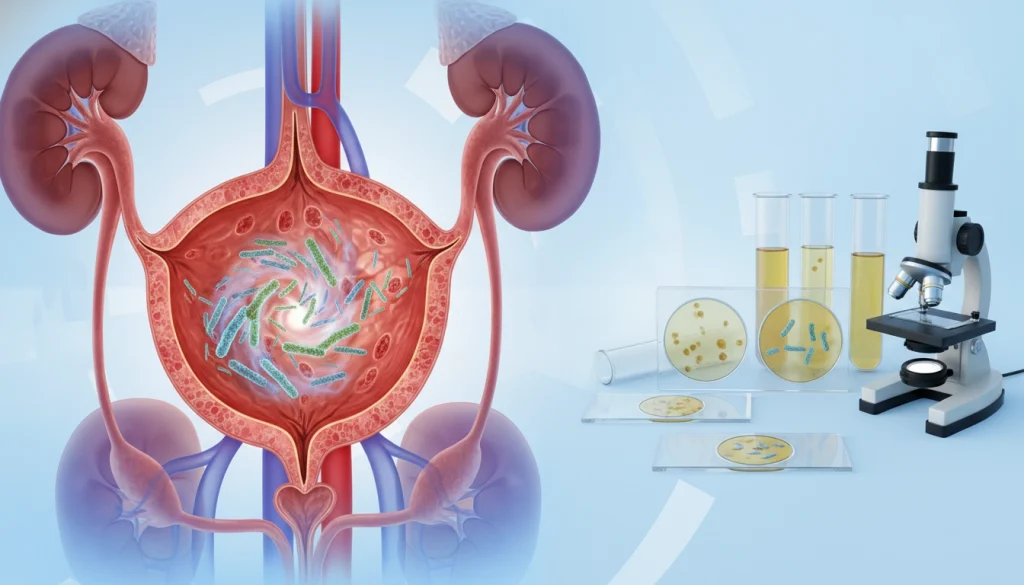
The urinary system has four main parts that work together. The kidneys filter blood to make urine. This urine then flows down the ureters into the bladder.
The bladder holds the urine until it’s time to go. The urethra is the channel that lets urine out of the body. Here’s a table showing these important parts:
| Organ | Primary Function | Role in Health |
|---|---|---|
| Kidneys | Filtration | Removes waste from blood |
| Ureters | Transport | Carries urine to the bladder |
| Bladder | Storage | Holds urine until elimination |
| Urethra | Exit | Expels urine from the body |
How Bacteria Enter the Bladder
A bladder infection happens when bacteria from the skin or gut get into the urethra. The female urethra is short and close to the rectum. This makes it easy for bacteria to move up.
Once bacteria reach the bladder, they grow fast. This can cause inflammation and the pain of a bladder infection.
Distinguishing Between Cystitis and Other Urinary Issues
It’s key to tell apart different urinary problems. Cystitis is when the bladder lining gets inflamed. This is the most common cause of a bladder infection.
- Cystitis: Inflammation localized to the bladder.
- Urethritis: Inflammation limited to the urethra.
- Pyelonephritis: A more serious infection involving the kidneys.
Understanding these differences helps us grasp the symptoms better. Knowing the basics is the first step to preventing and managing urinary health issues.
Common Symptoms and Early Warning Signs
When your body signals something’s wrong with your urinary tract, it’s key to notice changes. Spotting the early signs of a bladder infection helps you get medical help early. This can prevent the issue from getting worse.
Physical Sensations During Urination
Discomfort during bathroom visits is a common sign. You might feel a strong need to pee, even when your bladder is almost empty.
- A sharp, burning sensation during urination.
- Frequent, small voids that don’t feel satisfying.
- Pelvic pressure or mild cramping in the lower abdomen.
These feelings happen because the bladder lining gets inflamed from bacteria. If you notice these signs, watch them closely for any worsening.
Changes in Urine Appearance and Odor
Urine changes can also hint at a bladder infection. Healthy urine is clear and pale yellow. But an infection can make it cloudy or change its smell.
Cloudy urine or a strong, bad smell means bacteria might be in your urinary tract.
Systemic Symptoms Indicating a Spreading Infection
Some infections stay in the bladder, but others spread. Watch for signs that the infection is moving. Systemic symptoms mean your body is fighting a bigger problem.
A fever, chills, or back pain could mean the infection has reached your kidneys. Don’t ignore these signs. They need quick medical attention to keep you safe and help you recover.
Primary Causes and Risk Factors
Understanding the causes of a bladder infection can empower patients. Knowing what triggers these infections helps us protect our urinary tract.
The Role of Escherichia coli in Urinary Infections
Most bladder infections come from Escherichia coli, or E. coli. These bacteria live in our gut without causing trouble.
But when they move to the urethra, they can cause problems. Inside the urinary system, they can multiply fast. This can lead to a painful bladder infection if our body can’t fight them off.
Anatomical Factors Increasing Susceptibility
Our body shape affects how often we get infections. Women have a shorter urethra than men.
This makes it easier for bacteria to get to the bladder. The urethral opening is also closer to the anus. This makes it harder to stop bacteria from moving up.
Lifestyle and Behavioral Triggers
Our daily habits can upset the balance of our urinary tract. This makes it easier for bacteria to grow. Here are some habits to watch out for:
- Waiting too long to pee, which lets bacteria grow in urine.
- Using harsh soaps or sprays that irritate the urethra.
- Not drinking enough water, which stops bacteria from being flushed out.
- Using certain birth control, like diaphragms, that can block the urethra.
By changing these habits, we can help prevent bladder infections. Small changes can make a big difference in keeping our urinary tract healthy.
Diagnostic Procedures and Clinical Testing
Learning how doctors test for a bladder infection can make your clinic visit less stressful. We think an accurate diagnosis is key to a good treatment plan. By finding out what’s causing your pain, we can give you the right care.
Urinalysis and Microscopic Examination
The first step is usually a urinalysis. We take a urine sample to look for signs of infection or inflammation.
A lab technician checks the sample for white blood cells, red blood cells, or bacteria. Finding these signs can quickly show if you have a bladder infection and start your treatment.
Urine Culture and Sensitivity Testing
If the first test isn’t clear or your symptoms are bad, we might do a urine culture. This test finds the exact bacteria causing the problem.
Then, we do sensitivity testing to see which antibiotics will work best. This targeted approach is important for:
- Finding resistant bacteria.
- Choosing the strongest antibiotic for your bladder infection.
- Preventing the use of unnecessary medicines.
When Imaging Studies Become Necessary
Usually, tests and a physical exam are enough for a diagnosis. But, if you keep getting problems or have complications, we might suggest imaging studies like an ultrasound.
These scans let us see your urinary tract to check for any structural problems or kidney issues. They help us make sure your bladder infection is treated well and we don’t miss any other problems.
The Bladder Infection Treatment Landscape
Managing a bladder infection needs a mix of medicine and care. Our main goal is to get rid of the bacteria and make you feel better.
Standard Antibiotic Protocols
Antibiotics are key for treating urinary system infections. They either kill the bacteria or stop them from growing.
Your doctor will give you antibiotics based on the bacteria type. Learn more about urinary tract infections and treatment options.
Managing Symptoms with Over-the-Counter Medications
Even with antibiotics, you might feel pain or need to urinate a lot. Over-the-counter pain relievers can help with these symptoms early on.
These medications target the bladder lining to ease burning. Always check with your doctor before taking new medicines to avoid any issues.
The Importance of Completing the Full Course of Medication
Finishing all your antibiotics is key to getting better. Stopping early can let bacteria survive and become resistant.
Remember these important points for a safe recovery:
- Never miss a dose to keep the infection gone.
- Don’t share your antibiotics with others, even if they’re sick too.
- Call your doctor if you don’t feel better after a few days.
By sticking to these guidelines, you protect your health and prevent antibiotic resistance. We’re here to help you make the best choices for your urinary health.
Natural and Home-Based Supportive Care
We think mixing professional medical care with home remedies is key for managing a bladder infection. Antibiotics are vital for fighting the bacteria. But, some home strategies can make you feel better while you recover.
Hydration Strategies for Flushing the Bladder
Drinking more water is a great way to help your body. It makes your urine less concentrated and helps you go to the bathroom more often. This helps flush out bacteria from your urinary tract.
It’s better to drink water all day, not just in big gulps. This keeps your bladder moving and lowers the chance of irritation that can make your bladder infection worse.
The Efficacy of Cranberry Products and D-Mannose
Many people use natural supplements to help with their urinary health. Cranberry products might stop bacteria from sticking to your bladder. This could help prevent bladder infections.
D-Mannose is another natural option. It’s a sugar that can bind to certain bacteria. This makes it easier for your body to get rid of these bacteria when you pee. Always talk to your doctor before trying new supplements.
Heat Therapy for Pelvic Discomfort
Pelvic pain and pressure are common with a bladder infection. A heating pad or warm water bottle on your lower belly can help. It relaxes the muscles in your pelvic area.
- Use a low-heat setting to avoid skin irritation.
- Place a thin cloth between the heat source and your skin.
- Limit sessions to 15 or 20 minutes at a time.
This gentle method can reduce inflammation from a bladder infection. By adding these supportive steps to your treatment, you can make your recovery more comfortable.
Preventative Measures for Recurrent Infections
Understanding how small changes can prevent future issues is key to bladder health. For those who often get infections, consistent preventative measures are essential. By making daily routine changes, you can lower the risk of another bladder infection.
Hygiene Practices to Reduce Bacterial Transfer
Simple hygiene changes can greatly reduce bacteria in the urinary tract. Always wipe from front to back after using the restroom. This simple habit is very effective in protecting you.
- Avoid harsh soaps or scented feminine hygiene sprays that can upset your natural flora.
- Choose breathable cotton underwear to keep the area dry and reduce bacterial growth.
- Change out of wet swimsuits or damp workout clothes as soon as possible.
Dietary Adjustments and Bladder Irritants
What you eat affects your bladder health. Some foods and drinks can irritate the bladder lining, making it more prone to infection. Keep track of what you eat to see if certain items cause discomfort.
| Category | Common Irritants | Recommended Alternatives |
|---|---|---|
| Beverages | Caffeine, Alcohol | Water, Herbal Tea |
| Food | Spicy dishes, Citrus | Mild vegetables, Berries |
| Additives | Artificial sweeteners | Natural fruit infusions |
Post-Coital Urination and Other Behavioral Habits
Urinating shortly after sex is a key habit for preventing bladder infection. This action helps clear out bacteria that may have entered the urethra. It’s a quick, essential step for natural cleansing.
Drinking plenty of water is also vital. It keeps your bladder flushed, preventing bacteria from growing. These steps help keep your urinary system healthy and reduce future infections.
Bladder Infection in Specific Populations
A bladder infection needs a special approach for different life stages. Each person has unique needs, so care must be tailored. This ensures safety and comfort for all, including pregnant women, the elderly, and children.
Considerations for Pregnant Individuals
Pregnancy brings big changes that raise the risk of a bladder infection. If symptoms show up, get medical help right away. This is because untreated infections can harm both mom and baby. Doctors focus on safe, targeted antibiotics to fix the problem fast.
In some cases, special treatments like neomycin-polymyxin-b-bladder-irrigation might be talked about. But always remember, staying proactive is the best way to stay healthy during pregnancy.
Managing Urinary Health in Older Adults
As we get older, our immune system and bladder change. This can lead to different symptoms of a bladder infection. Older adults might feel confused, tired, or weak without the usual burning feeling. These signs need careful watching by caregivers and doctors.
- Drinking plenty of water helps keep the bladder healthy.
- Managing conditions like diabetes or prostate issues is important.
- Quick testing is key to stop the infection from reaching the kidneys.
Pediatric Urinary Tract Infections
Finding a bladder infection in kids can be tough because they can’t always say how they feel. Look for fever, crankiness, or changes in bathroom habits. Kids need special care to make sure they get the right diagnosis and treatment.
Parents should see a pediatrician if they notice any signs of trouble. Early action is vital to avoid lasting problems and help kids get back to being active and happy.
Complications Associated with Untreated Infections
It’s important to know the risks of not treating a bladder infection. While many cases are mild, ignoring the bacteria can cause serious problems. These issues need quick medical help.
The Progression to Kidney Infection
Bacteria not treated can move up to the kidneys. This is called pyelonephritis. It’s a serious bladder infection that can harm your kidneys forever.
Signs of kidney trouble include high fever, chills, and back or side pain. If you have these symptoms, get medical help fast. This can stop permanent kidney damage.
Chronic Bladder Inflammation and Scarring
Long-term issues can cause chronic bladder inflammation. This can lead to scarring in the urinary tract over time.
This damage makes the bladder more likely to get infections again. It can also cause long-term pain. Treating a bladder infection early helps keep your urinary system healthy and avoids these problems.
Sepsis Risks and Emergency Indicators
In rare cases, an infection can spread to the blood, causing sepsis. This is a serious condition where the body’s immune system overreacts to bacteria.
Watch for these emergency signs:
- Confusion or disorientation
- Rapid heart rate or trouble breathing
- Extreme tiredness or dizziness
- A sudden, high fever that doesn’t go away with medicine
Seeing these signs means you need emergency care. If you think your bladder infection has turned into sepsis, call for help right away.
The Connection Between Sexual Activity and Cystitis
Making small changes to how you have sex can greatly lower the chance of getting a bladder infection. Sex is natural and good, but knowing how it affects your bladder is key. This knowledge helps you enjoy your life while keeping your health safe.
Mechanical Factors During Intercourse
Sex can push bacteria into your urethra. This is why many people get sick soon after. The urethra is close to the vagina, making it easy for bacteria to get in.
Urinating right after sex can help keep bacteria out. This simple act is a natural way to protect your body.
Choosing Appropriate Contraceptive Methods
Some birth control methods can make you more likely to get a bladder infection. For example, diaphragms and spermicides can upset the balance of bacteria or cause irritation. If you keep getting sick, talk to your doctor about other options.
- Try barrier methods without spermicides.
- Look into hormonal or non-hormonal options if you’re sensitive.
- Make sure any devices fit well to avoid irritation.
Communication and Partner Health
Talking openly with your partner is key to good urinary health. Discussing hygiene and health can help both of you stay safe. Knowing the risks makes it easier to prevent problems together.
| Risk Factor | Potential Impact | Mitigation Strategy |
|---|---|---|
| Mechanical Friction | Bacterial migration | Post-coital urination |
| Spermicide Use | Increased irritation | Switch to alternative lubricants |
| Poor Hygiene | Higher bacterial load | Pre-intimacy cleansing |
| Dehydration | Reduced flushing | Maintain adequate water intake |
By taking these steps, you can manage your health with confidence. Good communication and hygiene can help prevent bladder infections and keep you healthy.
Navigating Healthcare Access and Telemedicine
When you feel the signs of a bladder infection, picking the right care is key. Knowing how to use the healthcare system helps you get the right help fast. We aim to make you feel sure about your choices when your health is at risk.
When to Seek Urgent Care Versus Primary Care
Choosing where to go depends on your symptoms’ severity and how long they last. Your primary doctor is great for ongoing issues or mild pain, as they know your health history.
But, urgent care is better for sudden, severe bladder infection signs. Go right away if you have:
- High fever or chills that suggest the infection may be spreading.
- Severe back or side pain, which could indicate kidney involvement.
- Blood in the urine that appears dark or concerning.
- Symptoms that worsen rapidly despite initial home care efforts.
Preparing for Your Medical Appointment
Preparation is essential for a productive visit with your doctor. Being organized helps your doctor diagnose and treat you better.
Keep a log of your symptoms before you go. Note:
- The exact date your symptoms began.
- Any over-the-counter medications you have already tried.
- A list of your current prescriptions or known allergies.
- Recent changes in your diet or daily habits.
Utilizing Telehealth for Routine Urinary Concerns
Telehealth has changed how we handle routine urinary issues. Many doctors now offer virtual consultations. This is a great option for an initial bladder infection check.
Telehealth is great for those who know the signs of a bladder infection well. A virtual visit can lead to a quick prescription. But, if your symptoms don’t get better, you’ll need to see a doctor in person for your health.
Myths and Misconceptions About Bladder Infection
Understanding urinary health means knowing what’s real and what’s not. Misinformation can cause worry or bad self-treatment. We want to clear up these myths with facts to help your health.
Debunking Common Beliefs About Transmission
Many think a bladder infection is always a sexually transmitted disease. But it’s not the only reason. Other factors like anatomy, hydration, and hygiene play a role too.
These infections aren’t contagious like a cold. You can’t get one from someone else just by touching. Knowing this helps reduce shame around urinary health issues.
Clarifying the Role of Hygiene Products
Some believe scented sprays or douches can cure a bladder infection. But these products can irritate the urinary tract. They might even upset the natural balance of bacteria.
- Avoid scented soaps or harsh chemicals near the genital area.
- Rely on water and mild, unscented cleansers for daily hygiene.
- Understand that no over-the-counter cosmetic product can replace medical treatment.
Addressing Misunderstandings Regarding Antibiotic Resistance
Antibiotic resistance is a big deal. Some think stopping meds when symptoms go away is okay. But not finishing your antibiotics lets stronger bacteria grow.
Only take antibiotics when needed and as your doctor says. This keeps you healthy in the long run. Always talk to a doctor before using leftover meds or following advice from others. This way, your bladder infection is treated right and safely.
Empowering Long-Term Urinary Tract Wellness
For lasting health, you need to take care of your body’s needs. By keeping good hygiene and understanding your body, you control your urinary health.
See your health as a team effort. Regular doctor visits and talking openly with your doctor are key to avoiding Bladder Infections. Knowing the signs early helps prevent bigger problems.
At Acıbadem Healthcare Group, we focus on your comfort and health for the long run. Our experts help you deal with these issues confidently. You should live without the worry of a Bladder Infection.
Your health journey begins with daily choices. We’re here to support your health goals with accurate info and caring service. Contact our specialists for help with your urinary health anytime.
FAQ
Q: What exactly is a bladder infection and how does it differ from a standard UTI?
A: A bladder infection is a type of urinary tract infection (UTI) that affects the bladder. It happens when bacteria enter the bladder and cause inflammation. Unlike UTIs, which can affect any part of the urinary system, a bladder infection focuses on the bladder itself.
It’s important to know the difference between bladder infections and infections in the kidneys or urethra. This helps us choose the best treatment for you.
Q: What are the most common symptoms that indicate I might have a bladder infection?
A: Common symptoms include a strong urge to urinate and a burning sensation while doing so. You might also notice frequent, small urination or urine that looks cloudy, red, or smells bad.
If you have fever or chills, seek medical help right away. These symptoms suggest the infection might be spreading.
Q: Why do some individuals seem more susceptible to these infections than others?
A: Some people are more likely to get bladder infections due to their anatomy and lifestyle. For example, women are more at risk because their urethra is shorter and closer to the rectum. This makes it easier for bacteria to enter the bladder.
Lifestyle choices, like using certain contraceptives or delaying urination, can also increase the risk. These actions can upset the balance of the urinary tract, making it easier for bacteria to colonize.
Q: How do healthcare professionals at Acıbadem Healthcare Group diagnose a bladder infection?
A: We start by testing a urine sample for white and red blood cells, or bacteria. This is called a urinalysis. We might also do a urine culture and sensitivity test to find the exact bacteria causing the infection.
This helps us choose the right antibiotics. In some cases, we might use imaging studies like ultrasounds to check for any structural problems.
Q: Is it necessary to take antibiotics, and why must I finish the entire prescription?
A: Yes, antibiotics are needed to get rid of bacterial infections. Even if you start feeling better quickly, it’s important to finish the whole course of antibiotics.
Stopping early can let the toughest bacteria survive and multiply. This can lead to antibiotic resistance, making future infections harder to treat. We might also suggest over-the-counter pain relievers to help with discomfort during recovery.
Q: Can natural remedies like cranberry juice or D-Mannose prevent a bladder infection?
A: While antibiotics are needed for active infections, some natural remedies can help prevent them. Cranberry products and D-Mannose might help prevent bacteria from sticking to the bladder wall.
Drinking plenty of water is also important. It helps flush bacteria out of the urinary tract before an infection can start.
Q: Why is sexual activity often linked to the development of cystitis?
A: Sex can push bacteria into the urethra, increasing the risk of cystitis. We recommend urinating after sex to help clear bacteria from the urethra.
We also suggest talking to your doctor about your contraceptive choices. Some methods, like diaphragms or spermicides, can raise the risk of infection for some people.
Q: Are bladder infections dangerous during pregnancy?
A: Any urinary infection during pregnancy needs quick medical attention. Hormonal changes and the growing uterus can make it easier for bacteria to reach the kidneys.
We focus on fast diagnosis and safe treatments during pregnancy. This helps protect both the mother and the baby from complications like preterm labor or low birth weight.
Q: What happens if a bladder infection is left untreated?
A: Untreated infections can spread to the kidneys, causing pyelonephritis. This can damage the kidneys permanently. In severe cases, it can even lead to sepsis, a life-threatening condition.
We urge patients to watch their symptoms closely. If you experience back pain, nausea, or high fevers, seek emergency care. These are signs of a serious infection.
Q: Is it possible to receive treatment for a bladder infection through telemedicine?
A: Yes, we offer telehealth services for many urinary issues. During a virtual visit, we can discuss your symptoms and decide if you need an in-person appointment or lab test.
Telemedicine lets us provide quick guidance and prescriptions. This ensures you start your recovery without delay.