

Treatment Snapshot
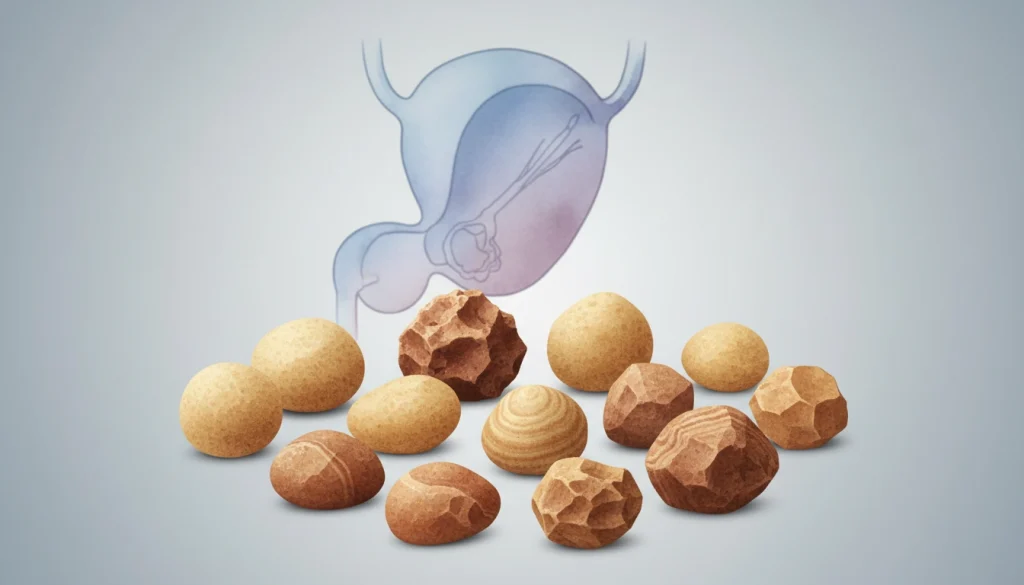
Many patients are surprised to find out that their urinary issues come from hard mineral deposits. These bladder stones form when urine gets too concentrated. This lets waste products turn into solid masses.
This problem often happens when the bladder doesn’t empty fully. The leftover bits harden over time. This can cause a lot of pain or even infections if not treated.
We aim to help you understand how these stones form and the treatment options. Early detection is key to avoiding serious problems and keeping your urinary system healthy.
Key Takeaways
- Mineral deposits form when urine remains in the system for too long.
- Incomplete emptying is a primary trigger for these solid masses.
- Early medical intervention prevents serious health complications.
- Understanding your symptoms helps in seeking timely professional care.
- Modern clinical pathways offer effective solutions for long-term relief.
Understanding the Physiology of Bladder Stones
The formation of bladder stones is a complex process. It happens when the bladder doesn’t empty fully. This leaves urine that’s perfect for mineral deposits to form.
These deposits grow over time. They turn into solid masses that can cause a lot of pain.
How Bladder Stones Form
Urinary stasis is the main reason for bladder stones. When urine stays in the bladder too long, it becomes too concentrated. This makes it hard for minerals to stay dissolved.
Several things can lead to this buildup. These include:
- Incomplete bladder emptying due to anatomical obstructions.
- Chronic dehydration, which increases the concentration of minerals.
- The presence of foreign objects that act as a surface for crystals to attach.
Chemical Composition of Urinary Calculi
To manage bladder stones well, we need to know what minerals they’re made of. Different minerals form different types of stones. Knowing this helps us create a treatment plan just for you.
| Mineral Type | Common Cause | Prevention Strategy |
|---|---|---|
| Calcium Oxalate | High mineral concentration | Increased fluid intake |
| Uric Acid | Acidic urine levels | pH balancing diet |
| Struvite | Chronic infections | Treating underlying bacteria |
By understanding the makeup of these bladder stones, we can find the best treatment. Whether it’s through diet changes or medicine, knowing what you have is key. We’re here to help you get your urinary health back on track.
Primary Causes and Risk Factors
Some changes in the body or medical treatments can lead to bladder stones. When the bladder can’t empty fully, minerals start to form crystals. This usually happens because of several issues that block urine flow.
Urinary Stasis and Bladder Outlet Obstruction
Urinary stasis happens when urine stays in the bladder too long. This lets minerals bond together. An enlarged prostate often causes this blockage by narrowing the urethra.
When the bladder muscle works hard to push urine, it gets weak. This creates a cycle where urine stays, leading to mineral buildup. Fixing the blockage is key to stopping these stones.
The Role of Chronic Infections
Chronic urinary tract infections raise the risk of bladder stones. Bacteria can make urine more alkaline, causing minerals to settle. This is bad for the bladder.
Also, long-term infections can damage the bladder lining. This damage makes it easier for crystals to form. Treating these infections quickly is important for bladder health.
Foreign Bodies and Medical Devices
Foreign objects in the bladder are a big risk. Medical devices, like catheters, can start stone formation. Minerals stick to these surfaces, growing over time.
Even small pieces of surgical material can cause this. If you have a long-term catheter, your doctors will watch for mineral buildup. Early detection is key to avoiding bigger problems.
| Risk Factor | Primary Mechanism | Clinical Impact |
|---|---|---|
| Prostate Enlargement | Mechanical Obstruction | High urinary stasis |
| Chronic Infection | Chemical Imbalance | Increased mineral precipitation |
| Indwelling Catheters | Surface Accumulation | Nidus for stone growth |
| Neurogenic Bladder | Neurological Dysfunction | Incomplete bladder emptying |
Common Symptoms and Clinical Presentation
Understanding bladder stones is key to our care plan. Spotting these signs early helps us act fast. This way, we can stop pain from getting worse or causing more problems.
Lower Abdominal Pain and Discomfort
People often feel a dull or sharp pain in their lower belly. This pain can change, depending on how the stones move in the bladder.
When a stone moves, it can irritate the bladder wall. This can cause sudden, sharp pain. Changing your position might help a bit, but it’s not a lasting fix for bladder stones.
Changes in Urinary Frequency and Urgency
Many people need to pee more often than usual. This need can feel overwhelming, like the bladder is never empty.
This happens because the stone stops the bladder from emptying fully. So, the bladder tells the brain it’s full again soon after you’ve used the restroom.
Hematuria and Cloudy Urine
Changes in your urine are important signs to watch. Seeing blood in your urine, or hematuria, can mean the stone is rubbing against the bladder. This can be painful.
You might also see cloudy urine or a strange smell. These signs could mean the stone is causing inflammation or an infection.
| Symptom | Clinical Description | Patient Experience |
|---|---|---|
| Abdominal Pain | Suprapubic discomfort | Fluctuating intensity |
| Urinary Urgency | Frequent bladder signals | Feeling of incomplete voiding |
| Hematuria | Blood in urine | Visible pink or red tint |
| Cloudy Urine | Presence of debris | Murky appearance |
We want you to watch for these changes. If you see any signs, contact us. We’ll check how bladder stones affect your health and plan a treatment together.
Diagnostic Procedures and Medical Imaging
We start with a precise diagnosis for effective treatment. At our clinic, we aim to find the cause of your discomfort. This way, we can manage bladder stones and improve your life quality.
Physical Examination and Patient History
We first review your medical history. We’ll ask about your symptoms and any changes in your urine. This helps us find risk factors for stones.
Then, we do a physical exam to check for pain in your lower abdomen. This helps us decide if you need more tests to confirm bladder stones.
Urinalysis and Laboratory Testing
Laboratory tests give us important health insights. A urinalysis checks your urine for abnormalities. It helps us find signs of infection or stones.
- Detection of white blood cells indicating infection.
- Identification of red blood cells (hematuria).
- Analysis of mineral crystals that form the basis of stones.
Imaging Techniques: Ultrasound and CT Scans
Advanced imaging lets us see stones clearly. These tools help us plan your treatment. We use:
Ultrasound first because it’s quick and safe. It shows us the bladder and stones well. If needed, a CT scan gives a detailed view of your urinary tract.
The Impact of Bladder Stones on Daily Life
Bladder stones affect more than just your body. They can change your life in big ways. You might always be looking for a bathroom, which can make you tired and affect how you meet people.
Psychological Effects of Chronic Urinary Issues
Dealing with these issues can really get to you emotionally. You might feel like you can’t control your body, leading to anxiety and wanting to stay home. It’s hard when your health stops you from doing things you want to do.
It’s important to talk about these feelings. By facing the emotional side of bladder stones, we can help you feel better about yourself. You don’t have to face these feelings alone.
Impact on Sleep and Productivity
Waking up to go to the bathroom a lot can mess up your sleep. This can make you tired and less sharp during the day. It’s hard to keep up with work or daily tasks when you’re not well-rested.
The table below shows how these problems affect your daily life:
| Symptom Category | Primary Impact | Daily Consequence |
|---|---|---|
| Nocturia | Fragmented sleep | Reduced daytime focus |
| Urgency | Constant anxiety | Avoidance of social outings |
| Chronic Pain | Physical exhaustion | Lowered work efficiency |
We’re here to help you through these tough times. By treating bladder stones, we hope to improve your sleep and help you get back to your usual life.
Surgical Interventions for Stone Removal
When bladder stones don’t go away with simple treatments, surgery is needed. We choose the least invasive methods to help you heal faster and feel less pain. Our main goal is to clear your urinary tract safely and completely.
Cystolitholapaxy Procedures
Cystolitholapaxy is a key method for dealing with bladder stones. We use a special tool through the urethra to reach the bladder. Then, we use ultrasonic or laser energy to break the stones into smaller pieces that can be easily removed.
Open Cystolithotomy for Large Stones
For really big or complex bladder stones, an open cystolithotomy might be needed. This involves making a small cut in your lower abdomen to get to the bladder. It’s the best way to remove stones that are too big or too many for other methods.
Endoscopic Approaches
Modern endoscopic methods offer a new way to remove stones. With high-definition cameras and precise tools, we can see inside the bladder clearly. This way, we can find and remove even the smallest bladder stones, lowering the chance of them coming back.
| Procedure Type | Invasiveness | Primary Use Case | Recovery Time |
|---|---|---|---|
| Cystolitholapaxy | Low | Small to medium stones | Short |
| Endoscopic | Low to Moderate | Complex stone locations | Moderate |
| Open Cystolithotomy | High | Very large or hard stones | Extended |
Non-Surgical Management Strategies
When we find bladder stones early, we often use non-surgical ways to manage them. These methods help dissolve or stop stones from getting bigger. They offer relief without the risks of surgery.
Hydration Therapy and Dietary Adjustments
Drinking more water is key in managing bladder stones. Water dilutes your urine, making it harder for minerals to form stones. We suggest keeping an eye on your urine color to make sure it’s light.
Changing your diet is also important. Eating less of certain minerals like calcium or oxalate can help. We tailor these changes to fit your health needs, making sure you get the nutrients you need while protecting your bladder.
Medication-Assisted Dissolution
In some cases, we might give you medicine to dissolve stones. This medicine changes your urine’s chemistry, helping break down stones. It’s a targeted way to help your body dissolve stones naturally.
Sticking to your treatment plan is essential. We’ll check on you regularly to see how it’s working. Working together, we aim to improve your urinary health for the long term.
| Management Method | Primary Goal | Patient Responsibility |
|---|---|---|
| Hydration Therapy | Dilute urine concentration | Consistent water intake |
| Dietary Changes | Reduce mineral buildup | Follow specific food plans |
| Medication Therapy | Dissolve bladder stones | Adhere to dosage schedule |
Complications Associated with Untreated Stones
Untreated bladder stones can cause serious health problems. They can lead to more than just discomfort. It’s important to get medical help to avoid these issues.
Chronic Bladder Inflammation and Infection
Bladder stones can irritate the bladder lining. This irritation can weaken the bladder over time. It also makes it easier for bacteria to cause infections.
Risk of Bladder Cancer Development
Long-term irritation from stones can lead to bladder cancer. Early treatment can help prevent this. It removes the cause of irritation and protects your bladder.
Urinary Tract Obstruction and Kidney Damage
Stones can block urine flow, causing obstruction. This backpressure can harm your kidneys. Quick action is needed to prevent kidney damage.
- Chronic irritation leads to tissue damage.
- Recurrent infections require ongoing medical attention.
- Obstructions threaten long-term renal function.
Pediatric Considerations for Bladder Stones
Bladder stones in kids are rare but need special care. They are more common in older adults. But, kids can get them too, due to certain health issues. We focus on gentle care to help our young patients feel better and stay healthy.
Unique Causes in Children
Bladder stones in kids often come from birth defects or rare metabolic conditions. Unlike adults, kids might be born with urinary tract problems. This can cause urine to stay in the bladder, leading to stone formation.
Metabolic disorders can also make a child’s urine more likely to form stones. Finding the cause is key to treating and preventing more stones. We work with families to find these causes through detailed tests.
Diagnostic Challenges in Younger Patients
Diagnosing bladder stones in kids is tricky. They might not say they’re in pain. Instead, they might get upset, cry a lot, or change their bathroom habits. We need to be careful and listen to their bodies.
We use special imaging to find stones without hurting the child. We combine physical checks with ultrasound to get a clear picture. Here’s how we differ from adult care:
| Factor | Pediatric Approach | Adult Approach |
|---|---|---|
| Primary Cause | Congenital or Metabolic | Lifestyle or Obstruction |
| Symptom Reporting | Behavioral Changes | Verbalized Pain |
| Diagnostic Focus | Gentle Imaging | Comprehensive Screening |
| Treatment Goal | Growth Preservation | Symptom Resolution |
Gender-Specific Differences in Prevalence
Looking at bladder stones, we see that men and women face different challenges. This is due to their anatomy and hormones. Knowing these differences helps us give better care and prevention plans.
Anatomical Factors in Men
In men, the main cause is an enlarged prostate. This can block the urethra, causing urine to stay in the bladder. Over time, minerals can settle and form stones.
Stagnant urine in the bladder is perfect for stone growth. Men with chronic blockages are more likely to get bladder stones. This is common in older men with benign prostatic hyperplasia.
Hormonal and Structural Factors in Women
Women have their own challenges for urinary stones. Issues like pelvic organ prolapse or surgeries can affect the bladder’s emptying. These changes can create spots where stones can form.
Hormonal changes, like those during menopause, also play a role. They can change the urine’s chemistry. This makes the urinary tract more prone to infection, which can lead to bladder stones.
| Factor | Impact on Men | Impact on Women |
|---|---|---|
| Primary Cause | Prostate enlargement | Pelvic floor dysfunction |
| Urinary Flow | Obstructed by prostate | Stasis due to prolapse |
| Hormonal Role | Minimal direct impact | Significant influence |
| Risk Level | Higher in older age | Variable across lifespan |
Dietary Habits and Nutritional Prevention
We think that eating right is key to avoiding bladder stones. Making smart food choices helps keep your urinary tract healthy. Good nutrition helps balance your body and stops minerals from forming stones.
The Importance of Fluid Intake
Drinking lots of water is the best way to stop bladder stones. Water makes your urine thin, making it hard for minerals to stick together. Try to drink water all day, not just in big gulps.
Drinking enough water means your urine is clear or light yellow. Dark urine means you need more water. Staying hydrated is a simple way to keep your urinary system healthy.
Managing Mineral and Salt Consumption
Too much salt can lead to stones. High sodium levels make your kidneys put more calcium in your urine. Check food labels to avoid hidden sodium in snacks and canned foods.
It’s also key to balance minerals like calcium and oxalate. Enough calcium is good because it stops oxalate from forming stones in the bladder.
Foods to Avoid for Stone Prevention
Some foods can raise your risk of urinary problems. Cutting down on these foods can help prevent stones. Here are some foods to limit:
- High-Sodium Foods: Processed meats, fast food, and salty snacks.
- Oxalate-Rich Foods: Spinach, rhubarb, beets, and certain nuts.
- Animal Proteins: Too much red meat can raise uric acid levels.
- Sugary Beverages: Drinks with high-fructose corn syrup can increase stone risk.
Eating more whole grains, fruits, and veggies helps your urinary system. Making small changes to your diet can help avoid bladder stones. Always talk to a doctor to make sure your diet is right for you.
The Role of Underlying Medical Conditions
Bladder stones often point to deeper health problems. When the bladder doesn’t work right because of other health issues, the chance of getting these painful stones goes up a lot.
Neurogenic Bladder and Spinal Cord Injuries
People with neurogenic bladder, caused by spinal cord injuries, face big challenges. Their nerves don’t work right, so the bladder can’t empty properly.
This means urine stays in the bladder too long. Over time, this urine lets bladder stones form and grow. Minerals in the urine settle and turn into stones in the bladder wall.
Prostate Enlargement and Urinary Retention
In men, an enlarged prostate often causes urinary retention. As the prostate grows, it blocks the urethra. This makes it hard for the bladder to push urine out.
This makes the bladder work too hard. It gets tired and can’t empty fully. Fixing this problem is key to stopping bladder stones and keeping the kidneys healthy.
| Condition | Primary Mechanism | Impact on Bladder |
|---|---|---|
| Spinal Cord Injury | Nerve signal disruption | Incomplete emptying |
| Prostate Enlargement | Urethral obstruction | Urinary retention |
| Chronic Infection | Inflammatory changes | Increased stone risk |
It’s key to tackle these underlying health problems for long-term health. By addressing the root cause, we can lower the chance of bladder stones coming back. This improves our patients’ lives a lot.
Post-Treatment Recovery and Follow-Up Care
Removing bladder stones is just the start of your health journey. We think being proactive in your recovery is key. This approach helps keep your urinary system healthy and prevents future problems.
Monitoring for Stone Recurrence
Regular check-ups are vital to track your health and catch any new bladder stones. We might do physical exams or use imaging to check your bladder. This way, we can act fast if there’s a problem.
If you notice any changes in your urine, tell us right away. Regular monitoring keeps you calm and helps us keep you healthy. Being alert is a big part of your care.
Lifestyle Adjustments After Surgery
Healthy habits are the best way to stop bladder stones from coming back. Drinking more water helps keep your urine diluted. We also suggest changing your diet to help your bladder stay healthy.
The table below shows important areas to focus on during your recovery. These steps help you stay successful in the long run.
| Focus Area | Action Item | Expected Benefit |
|---|---|---|
| Hydration | Drink 2-3 liters of water daily | Prevents mineral concentration |
| Dietary Habits | Reduce sodium and oxalate intake | Lowers risk of stone formation |
| Follow-up | Attend all scheduled screenings | Early detection of recurrence |
| Physical Activity | Maintain regular, light exercise | Supports overall metabolic health |
By making these changes, you take charge of your health. We’re here to help you through these changes. We want your recovery to be smooth and your urinary health to stay strong against bladder stones.
Integrative Approaches to Urinary Health
Getting to urinary health is more than just treating symptoms. It’s about a thoughtful plan that combines medical care with healthy habits. This way, you can manage your risk of bladder stones better.
Herbal Supplements and Their Efficacy
Some people use herbal supplements to help their urinary system. But, it’s important to be careful. Not all supplements are proven to work, and some can harm your health.
Always talk to your doctor before trying new supplements. They can tell you if it’s safe for you. Relying only on untested remedies can harm your health, so always get medical advice first.
The Importance of Regular Urological Screenings
Regular check-ups are key to a healthy urinary system. They help doctors find problems early, like bladder stones. Finding issues early means you can get treated without big surgeries.
See your doctor based on your health history and risk. Regular visits help catch any problems fast. This way, you can stay healthy and avoid bladder stones problems.
| Strategy | Primary Benefit | Frequency |
|---|---|---|
| Urological Check-ups | Early detection of bladder stones | Annually |
| Hydration Tracking | Prevents mineral concentration | Daily |
| Dietary Review | Reduces stone-forming triggers | Bi-annually |
Advancements in Urological Technology
We are in a new era of medical care, thanks to advanced tools. These tools make treating bladder stones safer than before. The field of urology is always changing, bringing us closer to world-class care for our patients.
By using the latest medical breakthroughs, we make every procedure effective and comfortable. This ensures our patients get the best care possible.
Laser Lithotripsy Innovations
Laser lithotripsy has changed how we handle urinary calculi. It breaks stones into tiny pieces that are easy to pass or remove. This technology is precise and efficient.
The laser energy is focused, causing minimal trauma to the bladder tissues. This approach lowers the risk of complications during treatment. Patients often feel less pain and recover faster than with older methods.
Robotic-Assisted Surgical Techniques
For complex cases, we use robotic-assisted surgery. These systems give our surgeons better vision and control during surgery.
Robotic tools are great for dealing with big or hard-to-remove bladder stones. They allow us to do detailed work that was hard before. This means faster recovery times and better health for our patients.
Long-Term Outlook and Maintaining Bladder Health
Keeping your urinary system healthy is key to lasting wellness. It’s a journey that needs your daily effort and attention.
Learning about bladder stones and how to manage them helps you make better health choices. We urge you to keep in touch with our urology team at Acıbadem Healthcare Group. This way, we can track your progress together.
Regular visits help us catch any problems early. We’re committed to your recovery and long-term comfort. With your help, we aim to keep you healthy and active, free from bladder stone issues.
Staying hydrated and adopting healthy habits is your best defense against future problems. If you notice any changes in your urine, don’t hesitate to contact our specialists. They’re here to support you every step of the way towards optimal health.
FAQ
Q: What are bladder stones and how do they typically develop?
A: Bladder stones are hard masses that form in urine. They happen when urine stays in the bladder too long. At Acıbadem Healthcare Group, we see that this leads to waste products turning into solid structures.
Q: What are the most common symptoms associated with bladder stones?
A: People often feel pain in their lower abdomen. They might also go to the bathroom more often and feel a sudden urge to do so. Seeing blood or cloudy urine is another sign. Catching these symptoms early helps us treat them before they get worse.
Q: What causes the formation of these urinary calculi?
A: Urinary stasis is the main cause, often due to an enlarged prostate. Chronic infections or foreign bodies in the bladder also play a role. The chemical makeup of your urine is another factor.
Q: How do you diagnose bladder stones at Acıbadem Healthcare Group?
A: We start with a physical exam and look at your medical history. A urinalysis checks for minerals or infections. Then, we use ultrasound and CT scans to find the stones’ size, number, and location.
Q: Are there surgical options available for stone removal?
A: Yes, we have several surgical options. For small stones, we use a procedure called cystolitholapaxy. For bigger stones, we might do an open surgery or use advanced endoscopic techniques.
Q: Can bladder stones be managed without surgery?
A: In some cases, we can treat stones without surgery. Drinking more water helps prevent stone formation. We might also use medication to dissolve the stones, depending on their type.
Q: What are the risks of leaving bladder stones untreated?
A: Ignoring stones can lead to serious problems. It can cause chronic inflammation and infections. Large stones can block the urinary tract, damaging the kidneys. There’s also a risk of bladder cancer from long-term irritation.
Q: Do bladder stones affect men and women differently?
A: Yes, they affect men and women differently. Men often get stones due to prostate issues. Women might get them from other structural or hormonal problems. We tailor our treatment to each gender’s needs.
Q: How does diet influence the prevention of bladder stones?
A: Diet is key to preventing stones. Drinking plenty of water and controlling salt and mineral intake is important. We give personalized diet advice to help keep your urine healthy.
Q: What role do underlying conditions like neurogenic bladder play?
A: Conditions like neurogenic bladder are common causes. They make it hard to empty the bladder, leading to stone growth. We focus on treating these conditions to protect your bladder health.
Q: What is the recovery process like after treatment?
A: After treatment, we monitor for stone recurrence and help you make lifestyle changes. We schedule follow-ups and encourage hydration and dietary changes. Our goal is to support your recovery and prevent future problems.
Q: What are the latest technological advancements in treating bladder stones?
A: Urology is advancing fast, with new tools like laser lithotripsy. This method is precise and minimizes damage. Robotic-assisted techniques also offer better outcomes and faster recovery times.