

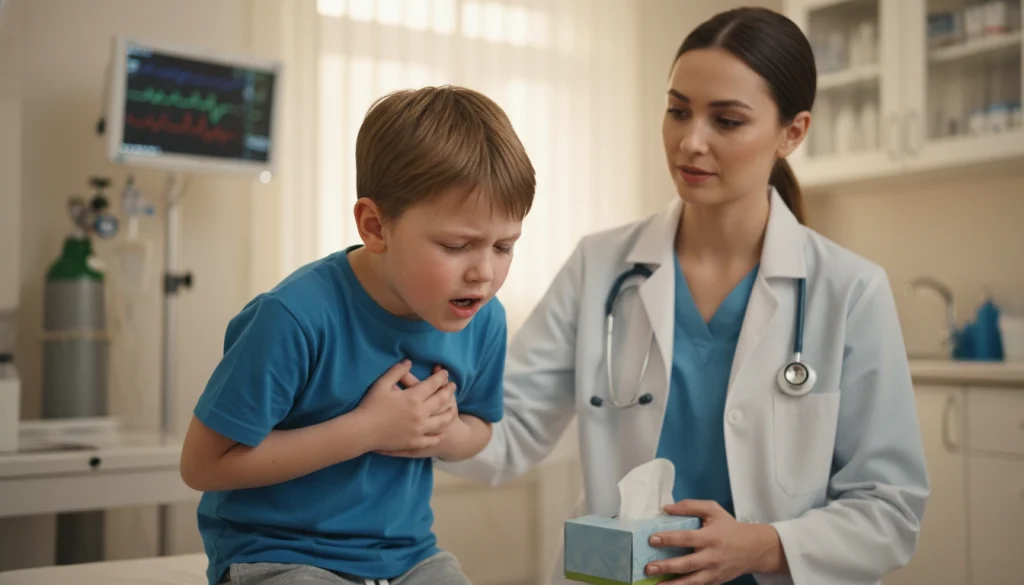
Treatment Snapshot
We all care about our respiratory health, and Whooping Cough is a big worry. It’s caused by Bordetella pertussis, a harmful bacterium. This illness spreads easily and affects many people.
Even with today’s medicine, Whooping Cough is a big problem. We want to help you understand it better. This way, you can face it with confidence.
Knowing how Whooping Cough works helps keep your family safe. We aim to give you the knowledge to spot symptoms early. This way, you can take care of your health better. Let’s learn more about this serious respiratory issue together.
Key Takeaways
- Whooping Cough is a contagious respiratory infection caused by specific bacteria.
- Early recognition of symptoms is vital for effective management and recovery.
- Vaccination remains the most powerful tool for preventing the spread of this illness.
- The condition can affect people of all ages, not just young children.
- Professional medical guidance is essential for accurate diagnosis and treatment plans.
Understanding the Pathophysiology of Whooping Cough
Whooping cough starts in the respiratory system. It’s not just a cold; it changes how our airways work.
Looking into the details helps us see why it needs careful medical care. Knowing how whooping cough works helps us understand its intense symptoms.
The Role of Bordetella pertussis Bacteria
The main cause is Bordetella pertussis bacteria. They enter the airways and settle in the lining.
They target the cilia, tiny hairs that clean our lungs. When attached, they stop the body’s cleaning process.
How the Toxin Affects the Respiratory Tract
The bacteria release toxins that harm the airways. These toxins stop the cilia from moving mucus.
This causes inflammation and thick mucus buildup. The body tries to clear it with a strong cough.
This is why whooping cough is so hard to manage. It affects both kids and adults severely.
Transmission Dynamics and Contagion Factors
Keeping our families safe means understanding how Whooping Cough spreads. This infection moves fast when people are close. Knowing how it spreads helps us protect our homes and communities.
Airborne Droplets and Direct Contact
The main way it spreads is through tiny droplets from coughs or sneezes. These droplets can be breathed in by anyone nearby. Being close to someone who is sick is a big risk.
The bacteria can also stay on surfaces or spread through touch. If you touch something contaminated and then your face, you might get sick. Here’s how to stay safe:
- Stay away from people with long coughs.
- Wash your hands often with soap and water after being out.
- Cover your mouth and nose with a tissue when you cough or sneeze.
The Importance of the Incubation Period
The incubation period is tricky with Whooping Cough. It’s the time from getting infected to showing symptoms. It usually takes seven to ten days, but can be up to three weeks.
During this time, you might not feel sick but can spread the disease. People often don’t know they’re contagious until symptoms show. This is why it’s key to watch for signs if you’ve been exposed.
If you think you’ve been near someone with Whooping Cough, watch your health closely. Catching it early helps keep others safe, including the most vulnerable.
Clinical Stages of the Infection
We break down the infection into three stages to spot symptoms early. Knowing how Whooping Cough progresses helps us prepare and seek medical help quickly.
The Catarrhal Stage: Early Warning Signs
The first stage feels like a common cold, making it hard to tell it apart from other colds. During this time, the bacteria spread easily, even when symptoms seem mild.
- Runny nose and nasal congestion
- Low-grade fever
- Mild, occasional cough
These signs usually last one to two weeks. Many people don’t know they have Whooping Cough until it gets worse.
The Paroxysmal Stage: The Characteristic Whoop
The cough gets stronger and more frequent as the infection grows. This stage is marked by intense, quick coughing fits that make it hard to breathe.
The key sign is the high-pitched “whoop” sound when trying to breathe after coughing. These fits can be very tiring and might cause vomiting or extreme tiredness.
These coughing fits often happen more at night. It’s important to watch the patient closely to make sure they get enough oxygen.
The Convalescent Stage: Recovery and Lingering Effects
The final stage starts the recovery. The coughing fits get less intense, but getting better slowly is common.
The cough can last weeks or months. It’s key to be patient as the lungs heal from the damage caused by Whooping Cough.
Even in this stage, secondary infections can bring back symptoms. Keeping a supportive environment helps with a smooth recovery.
Diagnostic Procedures and Laboratory Testing
When you or a loved one is feeling unwell, the diagnostic process for Whooping Cough can be overwhelming. It’s important to identify the infection early, as symptoms can be similar to a common cold. Doctors use specific tests to confirm the presence of the bacteria and plan your treatment.
Nasopharyngeal Swab Techniques
A nasopharyngeal swab is the most common method for collecting a sample. A healthcare professional gently inserts a thin, flexible swab through the nostril to reach the back of the throat. This is where the bacteria are most likely to be found in the early stages of the illness.
The procedure might feel a bit uncomfortable, but it’s quick. It’s important to stay as calm as possible to ensure a good sample is collected.
Polymerase Chain Reaction (PCR) Testing
After the sample is collected, laboratories use Polymerase Chain Reaction (PCR) testing. This method is very sensitive and can detect small amounts of bacterial DNA. It’s the preferred method because it gives quick and reliable results.
PCR testing identifies the genetic material of the bacteria, confirming a Whooping Cough diagnosis with precision. This allows medical teams to start treatment sooner than with older methods.
Serology and Culture Methods
Other diagnostic methods exist, depending on how long symptoms have lasted. These methods meet different clinical needs in the diagnostic journey:
- Culture Methods: This is the gold standard, growing the bacteria in a lab to confirm its identity.
- Serology: This blood test looks for antibodies produced by the immune system in response to the infection.
- Clinical Assessment: Doctors may combine lab results with a physical exam to rule out other conditions.
Culture methods are very specific but take longer than modern molecular tests. Serology is used later in Whooping Cough when bacteria may not be detectable via swab. Your doctor will choose the best test based on your symptoms and timeline.
Standard Medical Treatments and Protocols
Dealing with Whooping Cough can be tough for families. We aim to give you straightforward, useful info to help your loved ones get better. By sticking to medical guidelines, we can manage symptoms and lower the chance of spreading the disease.
Antibiotic Therapy and Efficacy
Antibiotics are the main treatment for this illness. They work best when started early. Even though they might not cut down the cough time, they’re key in getting rid of the bacteria in the airways.
Antibiotics help clear the bacteria, making it less likely for someone to spread the disease. It’s vital to finish the whole treatment, even if symptoms start to get better.
Supportive Care at Home
Creating a calm home environment is as important as medical treatment for Whooping Cough. Making small changes to your daily routine can help avoid coughing and keep the patient comfy. Here are some tips:
- Keep drinking fluids by taking small sips all day.
- Make your home smoke-free, dust-free, and odor-free.
- Use a cool-mist humidifier to ease sore airways and make breathing easier.
- Make sure the patient gets lots of rest to help their body recover.
When Hospitalization Becomes Necessary
Sometimes, the illness is too severe for home care. Infants often need hospital care because they’re at high risk for serious problems. In the hospital, doctors watch their oxygen levels and give extra support to keep them stable.
Doctors might send someone to the hospital if they’re having trouble breathing, can’t keep fluids down, or are showing signs of dehydration. If your child is having trouble breathing or turns blue during a cough, call for emergency help right away. Hospital care ensures they get the oxygen and fluids they need to get through the toughest parts of Whooping Cough.
Potential Complications and Long-Term Health Risks
Whooping Cough can cause more than just the initial illness. It poses serious risks, mainly for those who are more vulnerable. While many people get better, some face serious health issues that need quick medical help.
Respiratory Distress and Pneumonia
Pneumonia is a common complication of this illness. It often comes from secondary bacterial infections. When airways get severely inflamed, it’s hard to get enough oxygen.
This can lead to serious breathing problems. These problems might need hospital care. It’s key to catch breathing issues early to avoid lung damage.
Neurological Impacts in Infants
Infants face higher risks because of their sensitive bodies. Long coughing fits can cause oxygen deprivation. This might lead to seizures or encephalopathy in rare cases.
These neurological effects are serious and need close watch by pediatric experts. Keeping infants away from the illness is the best way to prevent these complications.
Secondary Infections and Physical Exhaustion
Patients often feel extremely tired. The effort to keep coughing can weaken the body. This makes it easier to get secondary infections like otitis media or dehydration.
It’s important to keep the body hydrated and well-nourished while recovering. Families should be careful. The body needs a lot of time to get back its strength after such a hard illness.
| Complication Type | Primary Risk Factor | Clinical Concern |
|---|---|---|
| Pneumonia | Secondary Infection | Reduced Oxygenation |
| Neurological | Oxygen Deprivation | Seizure Activity |
| Physical | Severe Exhaustion | Dehydration Risk |
Knowing these risks helps us focus on early medical care for Whooping Cough patients. Being informed helps us support recovery and lessen the long-term effects of this infection.
The Role of Vaccination in Public Health
Keeping our communities safe from Whooping Cough starts with timely vaccinations. Vaccines are the best way to stop this illness from spreading. By sticking to medical advice, we can greatly reduce the risk of getting sick.
DTaP Vaccine Schedule for Children
The DTaP vaccine protects kids from diphtheria, tetanus, and Whooping Cough. Doctors suggest five doses for lasting protection. These shots are given at specific ages:
- 2 months
- 4 months
- 6 months
- 15 through 18 months
- 4 through 6 years
Tdap Boosters for Adolescents and Adults
Immunity against Whooping Cough can wear off. To keep strong, teens and adults need a Tdap booster. This shot helps prevent older people from unknowingly spreading the disease to babies.
Adults should check their vaccination records. A single Tdap dose is usually needed for those who haven’t had it before. This is key for keeping everyone healthy.
Herd Immunity and Community Protection
When many people are vaccinated, we reach herd immunity. This protects those who can’t get vaccinated, like babies. By getting vaccinated, we shield the most vulnerable in our society.
Following these vaccination guidelines helps fight Whooping Cough. Together, we make a safer place for everyone. Making informed choices about vaccines is the base of a strong, healthy community.
Whooping Cough in Infants and Young Children
Keeping our youngest patients safe from Whooping Cough is very important. Their bodies are not fully grown, making it hard for them to breathe when sick.
Why Infants Are at the Highest Risk
Infants under one year are most at risk because their airways are small and their immune systems are weak. They can’t easily get rid of mucus, leading to serious breathing problems.
When an infant gets Whooping Cough, the infection can spread quickly. Early treatment is key to avoid serious health issues.
Recognizing Apnea and Cyanosis
Parents and caregivers need to watch for signs of trouble. Apnea and cyanosis are two big concerns in infants.
- Apnea: This is when an infant stops breathing for a short time. It shows the infection is really affecting their breathing.
- Cyanosis: This is when the skin, lips, or nails turn blue. It means the child isn’t getting enough oxygen and needs help right away.
If your child can’t breathe well or has these color changes, get help fast. Spotting these signs early can help them recover faster.
Specialized Care for Pediatric Patients
When a child gets Whooping Cough, doctors focus on keeping them stable. They make sure the child gets enough oxygen and stays hydrated. Kids often need to stay in the hospital to keep their airways clear.
Doctors might use special tools to remove mucus or give extra oxygen. Our main goal is to help the child’s body fight the infection while keeping them comfortable.
Epidemiology and Trends in the United States
We look at how Whooping Cough is changing in America. By studying national data, we see its impact on communities. This helps us understand the challenges it poses to public health.
Historical Context of Pertussis Outbreaks
Before vaccines, Whooping Cough was a major killer of kids in the U.S. The introduction of vaccines in the mid-20th century changed this. Now, we see fewer cases, but the disease is not gone.
Even with vaccines, Whooping Cough comes back. This shows we must always be ready to fight it. Healthcare workers and families need to stay alert.
Current Surveillance Data from the CDC
The CDC is key in tracking Whooping Cough. They use the National Notifiable Diseases Surveillance System. This lets health departments report cases fast.
This tracking helps us find and stop outbreaks early. It helps us protect those most at risk. Thanks to this, we can act quickly to keep communities safe.
Geographic Variations and Seasonal Patterns
Whooping Cough spreads in certain ways and times. It often gets worse in late summer and early fall. But it can happen any time.
Where cases happen also matters. Things like how crowded an area is and how many people are vaccinated affect this. School schedules and local health efforts play a part too.
| Metric | Pre-Vaccine Era | Modern Era |
|---|---|---|
| Primary Impact | High infant mortality | Managed through boosters |
| Reporting | Sporadic documentation | Systematic CDC tracking |
| Outbreak Scope | Widespread epidemics | Localized, cluster-based |
| Control Focus | Quarantine measures | Vaccination and immunity |
Knowing these patterns helps us fight Whooping Cough better. By keeping up with surveillance, we support our communities. We focus on keeping those most vulnerable safe.
Preventive Strategies for Families and Schools
Keeping our families and classrooms safe from Whooping Cough is a shared responsibility. It requires clear communication and proactive action. Together, we can create safe environments and support our most vulnerable members.
Hygiene Practices to Limit Spread
Simple, daily habits are our first defense against Whooping Cough bacteria. We all need to follow these essential hygiene practices. They keep our respiratory tracts healthy and protected:
- Wash hands frequently with soap and water for at least 20 seconds.
- Use an alcohol-based hand sanitizer if soap is not readily available.
- Cover your mouth and nose with a tissue or your upper sleeve when coughing or sneezing.
- Dispose of used tissues immediately to prevent the spread of germs.
Managing Exposure and Post-Exposure Prophylaxis
When someone is diagnosed with Whooping Cough, finding close contacts is key. Healthcare providers may suggest post-exposure prophylaxis for those in close contact.
This usually means taking antibiotics, even if you don’t have symptoms. Taking the medication as directed can stop the bacteria from spreading. It also helps reduce the illness’s severity if it develops.
School and Daycare Exclusion Policies
Following exclusion policies is essential for a safe learning environment. If a child or staff member has Whooping Cough, they must stay home. They need to complete the required antibiotics or be cleared by a doctor.
These policies are not to punish. They’re to protect everyone’s health. By following these rules, we show our dedication to our community’s well-being.
Addressing Common Myths and Misconceptions
We believe that accurate, science-backed information is key to your family’s health. When it comes to Whooping Cough, you might find conflicting reports. This can cause worry. We aim to clear up these concerns by answering your most asked questions.
Debunking Vaccine Safety Concerns
When we talk about vaccines, safety is our top concern. Vaccines go through strict clinical trials and are watched closely by health agencies. This ensures they meet high standards before they are available to the public.
These steps help find any side effects early. This keeps the vaccine safe. You can trust that the Whooping Cough vaccine is safe for your family.
Clarifying Natural Immunity vs. Vaccination
Some wonder if getting sick naturally is better than getting vaccinated. Natural infection does trigger an immune response. But, it also comes with risks of serious complications and long-term health problems.
Vaccination is a safer way to build immunity. It avoids the dangers of the disease itself. We suggest boosters because immunity against Whooping Cough can fade over time. This is why we need updates to keep your defenses up.
Understanding Why Vaccinated Individuals Can Get Sick
It’s frustrating to hear that even vaccinated people can get sick. There are important reasons for this:
- Waning Immunity: Vaccine protection naturally decreases over time. That’s why booster shots are important.
- Bacterial Evolution: The bacteria causing Whooping Cough can change. This makes it harder for the immune system to fight it off.
- Exposure Levels: A high viral load during close contact can sometimes overwhelm even a well-prepared immune system.
Even if a vaccinated person gets sick, the illness is usually milder. Vaccination is the best way to reduce Whooping Cough severity and protect others.
Managing Whooping Cough During Pregnancy
Protecting your newborn from Whooping Cough starts long before they take their first breath. We believe that informed choices during pregnancy are key to your child’s health. By taking specific steps, you can provide a vital layer of defense during the most vulnerable months of an infant’s life.
The Importance of Maternal Vaccination
The Tdap vaccine is a critical tool for expectant mothers. Medical experts recommend receiving this immunization during the third trimester of every pregnancy. This timing ensures that your body has sufficient time to produce a robust immune response.
When you receive the vaccine, your immune system generates protective antibodies. These proteins are designed to recognize and neutralize the bacteria responsible for Whooping Cough. By vaccinating during this specific window, you maximize the amount of protection passed to your baby.
Passive Immunity Transfer to the Newborn
The transfer of antibodies occurs through the placenta during the final weeks of gestation. This process provides your baby with passive immunity, which acts as a temporary shield against infection after birth.
Because newborns are too young to receive their own primary series of vaccinations, this maternal transfer is essential. It bridges the gap until your child can begin their own immunization schedule. This strategy significantly lowers the risk of severe complications from Whooping Cough in early infancy.
Safety Considerations for Expectant Mothers
We understand that you may have questions regarding the safety of vaccines during pregnancy. Extensive clinical research confirms that the Tdap vaccine is safe for both the mother and the developing fetus. It does not contain live bacteria, meaning it cannot cause the disease.
Common side effects are typically mild, such as soreness at the injection site or a low-grade fever. These minor reactions are far outweighed by the significant benefits of preventing Whooping Cough. You can feel confident that this choice is a standard, evidence-based practice in modern prenatal care.
| Vaccination Phase | Primary Benefit | Target Protection |
|---|---|---|
| Third Trimester | Antibody Production | Newborn Immunity |
| Post-Exposure | Risk Reduction | Maternal Health |
| Routine Care | Long-term Defense | Community Safety |
Lifestyle Adjustments During the Recovery Phase
Recovering from Whooping Cough is a journey that needs care for both body and mind. Even when symptoms lessen, your body might need extra help to get back to normal. Making small, steady changes in your daily life can really help you heal faster.
Nutritional Support and Hydration
A strong immune system is key when getting better from Whooping Cough. Eat foods rich in vitamins and minerals to help your body fix itself. Include lots of fruits, veggies, and lean proteins in your diet to keep your energy up.
Drinking enough water is also very important. It helps thin out mucus, making it easier to breathe. Try warm herbal teas or broths to soothe your throat and ease coughing.
Managing Cough Triggers in the Home Environment
Creating a supportive home environment is key to reducing coughing. Look for and avoid things that might set off a cough. Things like cigarette smoke, strong cleaning smells, and heavy perfumes can be big trouble.
Using a cool-mist humidifier can also help keep the air in your home better. It keeps the air moist, which helps avoid irritation in your airways. This simple change can make sleeping and feeling comfortable during the day much easier.
Psychological Impact of Prolonged Illness
Feeling emotionally drained is common after a long illness. The long fight against Whooping Cough can make you feel frustrated or lonely. Be kind to yourself and make rest a big part of your mental healing.
Talking to loved ones or doing low-key activities can lift your mood. If you’re really struggling emotionally, don’t be afraid to talk to a healthcare professional. Your mental health is just as important as your physical health.
| Recovery Focus | Recommended Action | Expected Benefit |
|---|---|---|
| Nutrition | Eat small, frequent meals | Maintains energy levels |
| Hydration | Increase fluid intake | Thins respiratory mucus |
| Environment | Remove smoke and dust | Reduces cough triggers |
| Mental Health | Prioritize daily rest | Supports emotional healing |
Prioritizing Respiratory Health and Ongoing Vigilance
Keeping your family safe from respiratory illnesses is a big job. The best way to do this is by keeping up with vaccinations. This helps stop Whooping Cough from spreading in your home and community.
Watch for signs like a long cough or trouble breathing in your family. Catching these early can lead to better treatment for everyone.
Talking to your doctor at places like Acıbadem Healthcare Group is key. They can give advice based on your health history. This helps clear up any worries you have about symptoms or risks.
Creating a healthier future starts with making smart choices and staying informed. We’re here to give you the medical info you need to face these challenges head-on. Your efforts to stay healthy help everyone around you.
FAQ
Q: What exactly is Whooping Cough and what causes it?
A: Whooping Cough, also known as pertussis, is a contagious respiratory infection. It’s caused by the bacterium Bordetella pertussis. At Acıbadem Healthcare Group, we see it as a serious health issue.
It affects the respiratory system’s ability to clear debris. This leads to severe, persistent coughing fits.
Q: Why does the cough become so violent and difficult to manage?
A: The Bordetella pertussis bacteria release toxins that paralyze the cilia in your airways. These tiny, hair-like structures help clear mucus and debris.
When they’re paralyzed, they can’t do their job. This causes significant inflammation and intense coughing fits.
Q: How is Whooping Cough transmitted between individuals?
A: The infection spreads through airborne droplets when an infected person coughs or sneezes. The incubation period is seven to ten days.
This means a person can be contagious before they even realize they’re sick.
Q: What are the three clinical stages of the infection?
A: The illness goes through three stages. The catarrhal stage has mild, cold-like symptoms.
The paroxysmal stage is when violent coughing fits occur, followed by a high-pitched “whoop” sound. The convalescent stage is when the cough gradually subsides over several weeks or months.
Q: How do healthcare professionals diagnose Whooping Cough?
A: We perform a nasopharyngeal swab to collect a sample from the back of the throat. This sample is analyzed using Polymerase Chain Reaction (PCR) testing or culture methods.
This ensures an accurate diagnosis during the early stages.
Q: What are the standard medical treatments for this condition?
A: Treatment includes antibiotic therapy to reduce the spread of the bacteria and the severity of the illness. We also recommend supportive care at home.
This includes maintaining hydration and using a cool-mist humidifier to soothe the airways and manage symptoms effectively.
Q: Can Whooping Cough lead to more serious health complications?
A: Yes, it can lead to secondary infections like pneumonia, physical exhaustion, and respiratory distress. In infants, there’s a risk of neurological impacts from lack of oxygen during prolonged coughing fits.
Q: Why is vaccination so important for community health?
A: Vaccination through the DTaP and Tdap schedules is the most effective way to prevent outbreaks. By maintaining high immunization rates, we support herd immunity.
This protects vulnerable individuals—such as newborns—who are not yet eligible for the vaccine.
Q: What specific signs should parents look for in infants?
A: Infants may not always “whoop,” but they are at high risk for apnea (where breathing temporarily stops) and cyanosis (a bluish tint to the skin caused by lack of oxygen). We advise seeking immediate specialized care if these signs appear.
They indicate severe respiratory distress.
Q: Is the Tdap vaccine safe and necessary during pregnancy?
A: We strongly recommend the Tdap vaccine during the third trimester of pregnancy. This allows for the transfer of protective antibodies from the mother to the fetus.
These antibodies provide the newborn with passive immunity against Whooping Cough during their first few months of life.
Q: Can you stil get Whooping Cough if you have been vaccinated?
A: While no vaccine is 100% effective, vaccinated individuals who do contract the illness generally experience much milder symptoms and a shorter duration of illness. Following CDC guidelines for boosters ensures your immunity remains as strong as possible over time.
Q: What lifestyle adjustments help during the long recovery phase?
A: Recovery can take months, so we recommend prioritizing nutritional support and staying well-hydrated. It is also vital to manage cough triggers in the home.
Avoiding smoke, dust, or strong chemical odors that can provoke a coughing fit is important.