

Treatment Snapshot
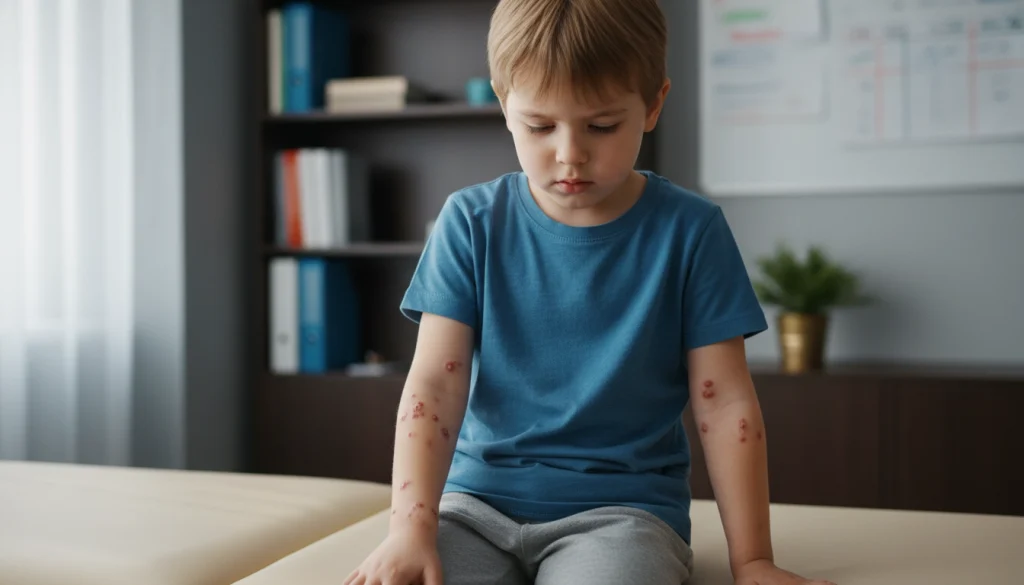
This guide helps you understand Chickenpox, a common viral infection that mainly hits kids. But it can affect people of all ages too.
We want to give you solid medical info. This way, you can make smart choices about your health. We’ll cover the causes, symptoms, and how to care for it. Our goal is to help your family stay healthy with clear, expert advice.
This intro prepares you for a deeper look into the varicella-zoster virus. Knowing about Chickenpox is key to getting better and caring for yourself.
Key Takeaways
- The condition is a viral infection caused by the varicella-zoster virus.
- It is highly contagious and typically presents with a characteristic itchy rash.
- While common in children, it can affect adults and may lead to more severe complications.
- Vaccination remains the most effective method for preventing the spread of the virus.
- Proper home care and symptom management are essential for a comfortable recovery process.
Understanding the Varicella-Zoster Virus
At the center of Chickenpox is the varicella-zoster virus (VZV). This virus is the main cause of the infection. Knowing about it is key to managing and preventing it.
This virus is like a clever intruder that has learned to live in our bodies. By studying it, we can see how strong our immune systems are.
Biological characteristics of the virus
The varicella-zoster virus is part of the Herpesviridae family. These viruses can stay hidden in our bodies for a long time. It has a double-stranded DNA, which helps it copy itself when it finds a host cell.
Important features of this virus are:
- A lipid envelope that keeps its genetic material safe.
- Specific surface proteins that help it attach to human cells.
- The ability to hide in the sensory nerve ganglia.
How the virus interacts with the human immune system
When the virus enters our bodies, our immune system quickly looks for it. Special cells, like T-cells and B-cells, work together to find the virus’s unique markers.
After finding it, our body starts a targeted attack. This fight often causes the symptoms we see in Chickenpox. The immune system sends out signals to fight the infection.
Even though our immune system can usually beat the virus, it’s not always successful. The virus can hide in the nervous system for years. This shows how important it is to keep our immune system strong.
The Clinical Progression of Chickenpox
The chickenpox goes through clear stages. Knowing these stages helps you keep an eye on your family’s health. It also tells you when they’re no longer contagious.
The incubation period explained
The incubation period is when you first get the virus and don’t show symptoms yet. It usually lasts 10 to 21 days.
During this time, the virus grows inside you without any signs of illness. It’s key to watch closely, as you might not see any chickenpox signs yet.
Stages of the rash development
After symptoms fade, the rash starts to show. It changes a lot in about a week.
Macules to papules
The rash begins with small, flat red spots called macules. Soon, these spots turn into raised bumps, or papules.
These bumps are itchy and can pop up all over your body. This is when you start to see the chickenpox rash.
Vesicles and crusting
Next, the papules turn into fluid-filled blisters called vesicles. These blisters are thin and sit on a red base, showing the infection.
Then, the blisters burst and dry out, forming scabs. Once all scabs are gone, the person is no longer contagious. This is the last step of getting better from chickenpox.
Transmission Dynamics and Contagion Periods
Many ask how chickenpox virus spreads from person to person. Knowing how it moves is key to stopping it at home or school. By understanding how it spreads, you can protect those who are most at risk.
Airborne spread and respiratory droplets
The virus mainly spreads through the air when someone coughs or sneezes. These tiny droplets can be inhaled by others nearby. Because it’s very contagious, it can easily spread in shared spaces.
Direct contact with blister fluid
The virus is also in the fluid of skin lesions. Touching this fluid can make you sick. It’s very important to keep clean and avoid touching someone’s rash if they have chickenpox.
Determining the window of infectivity
There’s a specific time when someone can spread the virus. They can start spreading it one to two days before the rash shows up. This continues until all blisters have crusted over, which takes about a week.
| Transmission Method | Risk Level | Primary Prevention |
|---|---|---|
| Respiratory Droplets | High | Social distancing and masks |
| Blister Fluid Contact | High | Hand washing and covering lesions |
| Contaminated Surfaces | Moderate | Regular cleaning and disinfection |
Knowing this timeline helps you set up effective isolation plans. Keeping sick people home until all blisters crust over greatly lowers the risk of spreading it to others.
Identifying Symptoms and Early Warning Signs
Your body often sends out small signals before the rash shows up. Spotting these early signs is key to handling chickenpox well. By paying attention to these changes, you can offer the right support and comfort.
Prodromal symptoms before the rash
The time before the rash shows up is called the prodromal phase. People might feel unwell without knowing why. Signs include a low fever, tiredness, and feeling off.
Some also notice a drop in appetite or a mild headache. These signs usually start one to two days before the rash appears. Knowing these signs helps keep the person from spreading it further.
Fever and malaise management
When first feeling sick, rest and care are key. Drinking lots of fluids helps the body fight the virus. Rest is essential for the immune system to recover.
If the fever is too high, over-the-counter fever reducers might help. Always check with a doctor about the right dose for kids. Don’t use aspirin, as it can be dangerous for kids with viral infections.
Variations in rash severity
The way chickenpox shows up can differ a lot. Some people get just a few spots, while others get a rash all over. This depends on how well the body fights the virus.
Even with mild cases, the virus can spread until all blisters have dried. Knowing this helps families watch symptoms closely. Here’s a table to help spot early signs of illness.
| Symptom Category | Common Manifestation | Recommended Action |
|---|---|---|
| Temperature | Low-grade fever | Monitor and hydrate |
| Energy Levels | General malaise/fatigue | Prioritize bed rest |
| Appetite | Reduced food intake | Offer light, nutritious meals |
| Early Skin Signs | Itchy, red macules | Keep skin clean and cool |
Diagnostic Procedures and Medical Evaluation
We focus on accurate diagnosis to give each patient the best care. Many cases are spotted by simple observation. But, a professional medical check is key to confirm Chickenpox and rule out other conditions.
Physical examination criteria
Healthcare providers usually diagnose by doing a detailed physical exam. They look for the typical rash that shows up in stages over days.
Doctors check the skin for signs that point to this virus, not others. They look for:
- Lesions in different stages, like macules, papules, and vesicles.
- The “dewdrop on a rose petal” look of the blisters.
- How the rash spreads, starting on the trunk or face and then the limbs.
- Systemic symptoms like mild fever or tiredness with the skin changes.
Laboratory testing and viral culture
In some cases, more proof is needed. If the Chickenpox looks unusual or if someone is at risk, doctors might do lab tests.
These tests confirm the varicella-zoster virus. Common tests include:
- Viral Culture: A sample from a fresh blister is grown in a lab.
- PCR Testing: PCR tests find viral DNA from a skin swab or blood.
- Serology: Blood tests check for antibodies, showing past or current exposure.
Knowing about these tests makes you feel more at ease during your visit. Your healthcare team uses these methods to guide you accurately towards recovery.
Potential Complications and High-Risk Groups
We know that chickenpox is usually a mild illness in kids. But, some cases need extra care. Knowing about possible problems helps us help and act fast when needed.
Secondary bacterial skin infections
The main issue is the intense itching from the rash. Scratching can break the skin, letting bacteria like Staphylococcus or Streptococcus get in. This can cause more infections that might need antibiotics to heal.
Neurological complications and encephalitis
Though rare, the virus can sometimes hit the brain. Encephalitis is a serious brain inflammation that needs quick doctor visits. Watch for confusion, severe headaches, or trouble walking, as these are warning signs.
Pneumonia risks in adults
Adults with chickenpox often get sicker than kids. The biggest worry is viral pneumonia. Adults’ immune systems react differently, so watching their breathing is key.
Vulnerability in immunocompromised individuals
People with weak immune systems, like those on chemo or with chronic illnesses, are at higher risk. They might need special care and antiviral meds. Seeing a doctor early is vital to avoid serious problems.
| Risk Category | Primary Concern | Action Required |
|---|---|---|
| Children | Secondary skin infection | Keep nails short and clean |
| Adults | Viral pneumonia | Monitor breathing closely |
| Immunocompromised | Systemic complications | Seek immediate medical advice |
The Role of the Varicella Vaccine in Public Health
The varicella vaccine has changed pediatric healthcare a lot. It gives a safe way to fight Chickenpox. This has changed how we prevent Chickenpox in the U.S.
Development and efficacy of the vaccine
Scientists made the varicella vaccine to act like the body’s immune system. But it doesn’t make you sick. Tests showed it works well to stop serious Chickenpox and cut down on how much it spreads.
With more people getting vaccinated, we’ve seen fewer hospital visits and serious problems. This shows how important it is to prevent sicknesses.
Recommended vaccination schedule in the United States
Health experts in the U.S. say kids should get two doses of the vaccine. This helps them stay protected for a long time. The doses are given at the right times to help the body fight off Chickenpox best.
- The first dose is given between 12 and 15 months old.
- The second dose is given between 4 and 6 years old.
- Older kids or adults who missed the vaccine can get it too.
Addressing common concerns regarding vaccine safety
Parents often wonder if vaccines are safe and needed. Lots of studies have shown they are safe. Most side effects are mild, like soreness or a little fever.
Getting your child vaccinated helps them and everyone else. By using facts, we can make choices that keep our families safe from Chickenpox.
Home Care Strategies for Symptom Relief
Dealing with chickenpox symptoms at home can be tough for caregivers. Our main goal is to make a supportive space that lessens discomfort. By using simple, effective strategies, you can help your loved one rest better during their recovery.
Managing pruritus and skin irritation
The itching from chickenpox is often the hardest symptom to handle. To ease irritated skin, try cool baths with colloidal oatmeal or baking soda. Applying calamine lotion to the blisters can also help a lot.
Keeping fingernails short is a good way to stop secondary skin infections from scratching. Also, wearing lightweight, loose-fitting cotton clothes can help reduce skin irritation.
Hydration and nutritional support
It’s key to stay hydrated when you have a fever. Encourage drinking water, electrolyte solutions, or diluted fruit juices all day. If there are mouth sores, offer cold, soft foods like yogurt or chilled applesauce to help with nutrition.
Safe use of over-the-counter medications
For fever or discomfort, over-the-counter meds like acetaminophen are usually safe. Always follow the dosage on the package or talk to your pediatrician. Watch the patient closely for any changes in their condition while using these treatments.
Avoiding aspirin and Reye’s syndrome risks
Never give aspirin to anyone with chickenpox. Aspirin can cause Reye’s syndrome, a serious condition that can harm the liver and brain. Always check the labels of all medications to make sure they don’t have aspirin or salicylates.
| Care Strategy | Primary Benefit | Recommended Action |
|---|---|---|
| Cool Baths | Reduces itching | Use lukewarm water with oatmeal |
| Hydration | Prevents dehydration | Offer frequent small sips of fluids |
| Skin Protection | Prevents infection | Keep fingernails short and clean |
| Medication Safety | Avoids severe risks | Use acetaminophen instead of aspirin |
Medical Treatments and Antiviral Interventions
Knowing when to see a doctor for chickenpox can really help with recovery. Most healthy kids get better with simple home care. But, some cases need more help from doctors.
When doctors prescribe acyclovir
Doctors usually give antiviral meds like acyclovir to those at high risk of serious illness. This medicine stops the virus from spreading in the body.
They often give this treatment to:
- People with long-term skin issues, like eczema.
- Those on long-term salicylate therapy.
- Adults or teens at risk for serious chickenpox problems.
- Those with weak immune systems.
Benefits of early antiviral therapy
When treatment starts early, it works better. Starting within 24 hours of the rash can make a big difference.
Early treatment can make the illness shorter and reduce new spots. It stops the virus from spreading, making symptoms less severe and lowering infection risk.
| Treatment Type | Primary Goal | Best For |
|---|---|---|
| Supportive Care | Symptom relief | Mild, uncomplicated cases |
| Antiviral Therapy | Viral suppression | High-risk or severe cases |
| Clinical Monitoring | Complication prevention | Patients with underlying health issues |
These treatments are key to helping with chickenpox. Working with your doctor ensures the right care for you.
Managing Chickenpox in Schools and Daycare Settings
When a child gets chickenpox, schools must act fast to stop it from spreading. Schools are places where kids and teachers are always together. This makes it key to act quickly when someone shows symptoms. We think being proactive is the best way to keep everyone healthy.
Isolation protocols and return-to-school policies
When a child gets sick, they need to stay away from others right away. Parents should pick up their child, and they should stay home until they’re no longer contagious. This usually means waiting until all blisters have dried up and no new ones appear for at least 24 hours.
Schools need a doctor’s note to confirm this. This strict policy keeps the classroom safe for kids who might get very sick.
Notifying community health authorities
Schools also have to tell local health departments if they think there’s an outbreak. Reporting these cases helps health officials track the virus. This teamwork keeps everyone healthy and stops the virus from spreading to more people.
| Action Item | Responsibility | Goal |
|---|---|---|
| Immediate Isolation | School Staff | Stop viral spread |
| Parent Notification | Administration | Ensure home care |
| Health Reporting | School Nurse | Monitor outbreaks |
| Clearance Check | Medical Provider | Verify non-contagion |
By working together, we can handle chickenpox in schools well. Good communication between parents, teachers, and health officials is key to success.
Distinguishing Chickenpox from Other Viral Rashes
Figuring out what causes a rash is key for good care and peace of mind. Many viral conditions look similar, making it hard to tell them apart. We aim to help you spot the differences between Chickenpox and other common childhood illnesses.
Comparing symptoms with Hand, Foot, and Mouth disease
Hand, Foot, and Mouth disease (HFMD) is often mistaken for Chickenpox because of the blisters. But, the blisters’ location is different. Chickenpox covers the whole body, while HFMD mainly affects the hands, feet, and mouth.
The way these conditions progress is also different. HFMD starts with small red spots that turn into painful ulcers quickly. Knowing these differences helps caregivers choose the best way to comfort and heal their children.
Differentiating from measles and impetigo
Measles and impetigo are tricky to tell apart from a rash. Measles starts with fever, cough, and runny nose, followed by a flat, red rash on the face. It spreads down but doesn’t have fluid-filled blisters like Chickenpox.
Impetigo is a bacterial infection, which means it needs different treatment. It shows up as honey-colored crusts around the nose or mouth. Here are some key differences to help you figure out what’s what:
- Chickenpox: Itchy, fluid-filled blisters that appear in “crops” at different stages.
- Measles: A flat, blotchy rash that is not itchy and lacks fluid-filled vesicles.
- Impetigo: Sores that rupture and leave a yellow-brown crust, often localized to one area.
| Condition | Primary Rash Feature | Common Location |
|---|---|---|
| Chickenpox | Itchy, fluid-filled blisters | Entire body |
| HFMD | Small, painful ulcers | Hands, feet, mouth |
| Measles | Flat, red blotches | Face, spreading down |
| Impetigo | Honey-colored crusts | Face, limbs |
If you’re unsure about a rash, always check with a doctor. Getting the right diagnosis is the first step to effective treatment and making sure your child gets the care they need.
Long-term Immunity and the Risk of Shingles
Even after chickenpox symptoms go away, the virus stays in your body. Your immune system clears the infection, but the virus doesn’t leave. It stays hidden.
Latency of the virus in nerve cells
After the first infection, the virus moves to the nerve roots near the spinal cord. It then goes into a dormant state, staying there for years.
In this dormant state, the virus hides from your immune system. It doesn’t cause symptoms, so most people don’t know it’s there after getting chickenpox as kids.
Understanding Herpes Zoster reactivation
As we get older, our immune system weakens. This makes it harder to keep dormant viruses in check. Eventually, the virus can reactivate.
This reactivation causes shingles, a painful rash. Unlike chickenpox, shingles appears as a band or strip of blisters on one side of the body.
Preventative measures for older adults
It’s important to protect yourself from virus reactivation as you age. Talk to your healthcare provider about ways to reduce your risk.
Good strategies for older adults include:
- Getting vaccinated to boost immunity against the virus.
- Living a healthy lifestyle to support your immune system.
- Seeing a doctor right away if you notice any unusual skin issues, even if you’ve had chickenpox before.
Essential Insights for Protecting Your Family
Keeping your family safe from Chickenpox needs careful watching and good health habits. We think knowing a lot helps families make smart choices during outbreaks.
Vaccines are the best way to stop serious Chickenpox. By following the vaccination schedule, you give your family a strong shield against the virus.
Spotting symptoms early means quicker help and more comfort at home. Watch your family closely if you think they’ve been exposed to Chickenpox.
Talking to doctors at places like the Acıbadem Healthcare Group gives you advice just for you. Getting help from experts helps you care for your family better and keeps others safe.
We want you to feel ready to protect your family’s health. Being proactive about stopping Chickenpox makes your community safer for everyone.
FAQ
Q: What exactly is Chickenpox and what causes it?
A: Chickenpox is a viral infection caused by the varicella-zoster virus. It’s contagious and can affect anyone, not just kids. At Acıbadem Healthcare Group, we help patients understand how this virus works in the body.
Q: What are the stages of the Chickenpox rash?
A: The rash goes through stages. It starts as small red spots, then turns into bumps and blisters. After that, the blisters crust over. Knowing these stages helps us track the illness.
Q: How is the varicella-zoster virus transmitted to others?
A: The virus spreads through the air and direct contact with blisters. It’s contagious from before the rash appears until all blisters crust over. Early isolation is key to prevent spreading.
Q: What are the early warning signs before the rash appears?
A: Before the rash, patients often feel feverish, tired, and generally unwell. Recognizing these signs early helps in managing symptoms and preventing further spread.
Q: How do doctors at Acıbadem Healthcare Group diagnose Chickenpox?
A: Doctors diagnose Chickenpox by examining the rash. In some cases, they might use lab tests to confirm the virus. This ensures the right treatment plan for each patient.
Q: Who is most at risk for serious complications from Chickenpox?
A: Adults and people with weakened immune systems are at higher risk. They might face serious issues like pneumonia. We watch closely to prevent these complications.
Q: How effective is the varicella vaccine in preventing the disease?
A: The varicella vaccine is very effective. It has greatly reduced cases in the U.S. We recommend following the vaccination schedule for children. At Acıbadem Healthcare Group, we support evidence-based medicine and address any vaccine concerns.
Q: What are the best home care strategies for managing symptoms?
A: Home care includes staying hydrated and using safe medications for itching. Avoiding aspirin in children is important to prevent Reye’s syndrome. Always follow a healthcare professional’s advice on managing fever.
Q: When is it safe for a child to return to school or daycare?
A: A child can go back to school or daycare when all blisters have dried and crusted over. Notifying health authorities and schools is also important to keep everyone safe.
Q: How can I tell the difference between Chickenpox and other rashes like measles?
A: Telling rashes apart can be tricky. Chickenpox has blisters at different healing stages. Measles and impetigo look different too. Always get a professional evaluation to ensure correct care.
Q: Does having Chickenpox lead to shingles later in life?
A: Yes, Chickenpox doesn’t leave the body. It stays dormant in nerve cells and can reactivate as shingles later. We recommend the shingles vaccine to prevent this painful condition.
Q: Are there specific medical treatments for severe cases of Chickenpox?
A: For severe cases, antiviral drugs like acyclovir might be prescribed. They work best when started early. We decide on antiviral treatment based on the patient’s health and the virus’s severity.