

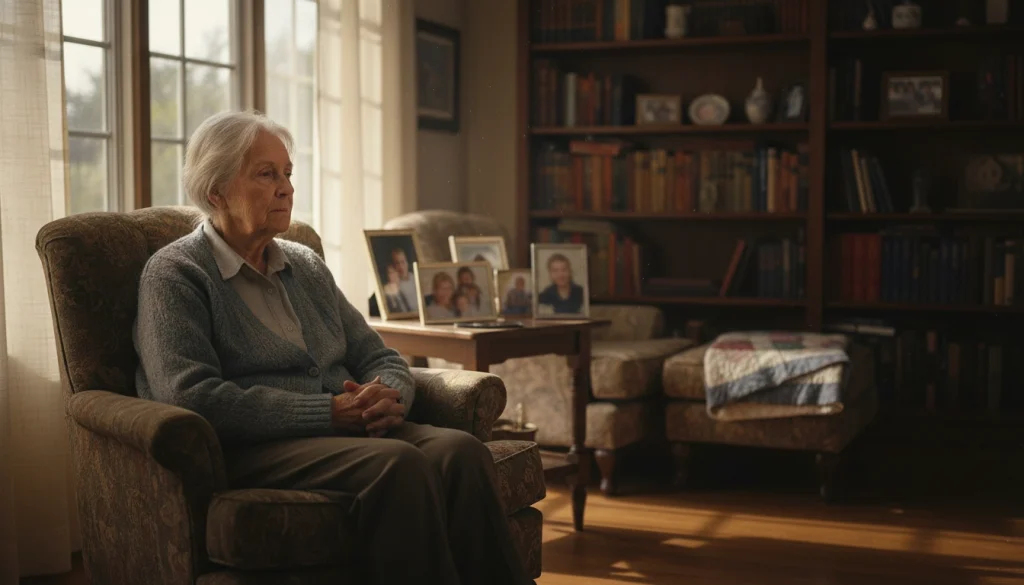
Treatment Snapshot
Exploring brain health can be tough for patients and their families. It’s key to know that dementia isn’t just one disease. It’s a wide range of conditions that affect how we think.
By understanding that these symptoms come from different brain changes, we can find better ways to manage them. Our aim is to offer a caring, science-backed guide for those looking for answers.
Getting to know this condition is the first step to a better life. With the right support and knowledge, families can face dementia‘s challenges. They can focus on caring and connecting with each other.
Key Takeaways
- Dementia is an umbrella term for a group of brain-related conditions.
- It is not a single disease but a collection of symptoms affecting cognitive abilities.
- Early understanding of the diagnosis helps in creating effective care plans.
- Compassionate support is essential for both patients and their families.
- Evidence-based approaches significantly improve the daily quality of life.
Understanding the Spectrum of Dementia
It’s important to know the difference between normal forgetfulness and serious health issues. The term dementia can be scary, but it’s a wide term for many health problems. By understanding this, we can help those dealing with changes in their brain health.
Defining Cognitive Decline
Cognitive decline means a big drop in mental skills like memory or language. Small mistakes are normal, but big drops can affect daily life. These changes start small, then get bigger.
Doctors check how well someone handles their daily tasks. If these skills drop, it might mean a serious health issue. Catching these changes early helps manage them better.
Distinguishing Normal Aging from Pathological Changes
As we get older, our brains might slow down a bit. It might take longer to find words or remember things. These are normal signs of aging.
But, if someone’s brain changes a lot and they can’t do things they used to, it’s different. This could mean they have dementia. Here’s how to tell the difference:
| Feature | Normal Aging | Pathological Decline |
|---|---|---|
| Memory Lapses | Occasional, easily recalled | Frequent, persistent, disruptive |
| Daily Tasks | Managed with minor effort | Significant struggle or inability |
| Social Interaction | Maintained consistently | Withdrawal or confusion |
| Clinical Status | Healthy cognitive function | Potential dementia diagnosis |
If you notice big changes, get checked out. Knowing if it’s just aging or dementia helps get the right help.
The Biological Mechanisms Behind Dementia
The dementia process starts with how our brain cells talk to each other. We see the signs of brain decline, but the real causes are hidden. By looking at these brain paths, we learn how damage affects daily life.
Protein Misfolding and Neurodegeneration
At the core of many dementia types is the buildup of bad proteins. Amyloid-beta and tau proteins clump together, blocking brain signals. This stops neurons from talking to each other.
These proteins cause inflammation and cell death. This is called neurodegeneration. As cells die, the brain struggles to think and remember.
- Amyloid-beta plaques: Sticky deposits that form between nerve cells.
- Tau tangles: Twisted fibers that build up inside the cells.
- Synaptic loss: The breakdown of connections between neurons.
Vascular Contributions to Cognitive Impairment
Blood vessel health is key to brain function. Poor blood flow means the brain lacks oxygen and nutrients. This often happens with small vessel disease, causing big thinking problems.
Small vessel disease harms the brain’s tiny blood vessels. This leads to memory and focus issues. Dementia gets worse with these blood flow problems, as the brain can’t fix itself after small strokes or low blood flow.
By understanding these processes, we see dementia as a complex issue. Focusing on protein health and blood vessel strength helps find ways to keep the brain healthy longer.
Common Types and Clinical Presentations
We know that dementia comes in many forms, each needing its own care plan. Knowing the cause helps families prepare and offer the right support.
Alzheimer’s Disease Characteristics
Alzheimer’s is the leading cause of memory loss. It starts with small memory slips, like forgetting recent talks or events. As it gets worse, it affects language, thinking, and understanding space.
Vascular Dementia and Stroke-Related Decline
Vascular dementia happens after a stroke or poor blood flow to the brain. It shows sudden, big changes, unlike other types. Symptoms vary based on the brain area affected.
Lewy Body Dementia and Movement Symptoms
People with Lewy Body dementia have ups and downs in alertness and see things that aren’t there. They also have movement issues, like shaking or stiffness, like Parkinson’s. These physical signs often go with thinking problems.
Frontotemporal Disorders
These disorders hit the brain’s front and temporal lobes. They cause big changes in personality, social skills, or language early on. Memory might stay okay at first, making it different from other dementia types.
| Type | Primary Symptom | Progression Pattern |
|---|---|---|
| Alzheimer’s | Memory loss | Gradual and steady |
| Vascular | Executive dysfunction | Step-wise decline |
| Lewy Body | Visual hallucinations | Fluctuating alertness |
| Frontotemporal | Behavioral changes | Variable onset |
Early Warning Signs and Symptom Progression
The journey of dementia is unique for each person. We can track these changes to help caregivers prepare and support their loved ones better.
Cognitive Indicators
At first, people might forget recent talks or struggle to find the right words. These small memory slips are key signs to watch for.
They might also find it hard to do complex tasks like managing money or cooking. These signs are important for early help.
Behavioral and Psychological Changes
As dementia gets worse, personality and mood can change. People might feel more anxious, irritable, or want to be alone more.
These changes are not on purpose but come from brain changes. A calm, predictable place can help ease these feelings.
Physical Manifestations in Advanced Stages
In later stages, the body is affected more. People might have trouble with balance, coordination, and small movements, which raises the risk of falls.
Also, the brain’s control over basic body functions like eating and digestion weakens. At this point, professional care is needed to keep the person safe and comfortable.
| Stage | Cognitive Focus | Behavioral Impact | Physical Status |
|---|---|---|---|
| Early | Mild memory loss | Occasional anxiety | Independent |
| Middle | Confusion, disorientation | Mood swings | Needs assistance |
| Advanced | Severe decline | Limited communication | Total care required |
Knowing these stages helps families plan for the future. By understanding dementia‘s progression, we can offer better support at every stage.
Diagnostic Procedures and Clinical Evaluation
When we notice cognitive issues, a detailed clinical evaluation is key. It helps us find the right diagnosis and care plan. We make sure each patient gets a full check-up of their brain health.
By collecting all the data, we can figure out what’s causing dementia. This helps us find the best way to help each patient.
Neurological and Physical Examinations
The first step is a detailed medical history and physical exam. We look at current symptoms, medications, and family health. This helps us find out if there are any reversible causes of cognitive decline.
During the neurological exam, we check reflexes, coordination, balance, and senses. These tests show if there’s damage in the nervous system. They help us see how different parts of the brain are working.
Neuropsychological Testing Protocols
We use special tests to check how well the brain works. These tests show what the brain is good at and what it struggles with. They help us spot signs of dementia.
These tests look at several important brain functions:
- Memory and recall
- Executive function and problem-solving
- Language skills
- Visuospatial processing and attention
Advanced Imaging Techniques
Modern tools let us see the brain’s structure in detail. MRI or PET scans show changes not seen in a regular exam. These images help us find signs of dementia like atrophy or protein deposits.
These scans are vital for confirming a diagnosis and tracking the disease. By comparing scans over time, we can see how the brain changes. This helps us adjust treatments to better help patients.
Genetic and Environmental Risk Factors
Your brain health is shaped by your genes and the world around you. We can’t change our ancestry, but knowing these factors helps us stay healthy. By understanding risk factors, we can protect our brains and lower the chance of dementia.
The Role of Genetics and Family History
Genetics affect how our brains age. Some people have genes that make them more likely to lose brain function. But, having a family history of dementia doesn’t mean you’ll get it.
Scientists find two types of genes: those that cause disease and those that increase risk. Knowing your family’s health history helps doctors. It lets them tailor care and catch problems early.
Lifestyle Influences on Brain Health
Our daily habits greatly impact our brain health. Exercise boosts blood flow and helps grow new brain connections. Eating well, with lots of antioxidants and healthy fats, protects brain cells.
Keeping your mind active is also key. We suggest learning new things, staying social, and doing brain-stimulating activities. These build a buffer against dementia symptoms.
- Regular aerobic exercise for at least 150 minutes per week.
- A diet focused on whole grains, leafy greens, and lean proteins.
- Consistent social engagement to prevent isolation.
- Active participation in puzzles, reading, or learning new skills.
Environmental Exposures and Chronic Conditions
Our environment and health affect our brains. Conditions like high blood pressure and diabetes harm brain blood vessels. Managing these is key to preventing brain damage.
Also, some environmental pollutants and head injuries raise dementia risk. We advise avoiding toxins and wearing helmets. These steps help protect our brains from harm.
Pharmacological Approaches to Symptom Management
Medicine plays a big role in helping people with dementia live better lives. We can’t fix the damage yet, but we can manage symptoms. Our aim is to keep brain chemicals balanced, helping people stay sharp and independent.
Cholinesterase Inhibitors
These drugs are often the first choice for mild to moderate memory loss. They stop acetylcholine from breaking down. This chemical is key for memory and learning.
- Donepezil (Aricept)
- Rivastigmine (Exelon)
- Galantamine (Razadyne)
These treatments help keep nerve cells talking better. Many people see a small but important improvement in their thinking skills.
Memantine and Glutamate Regulation
For those with more severe dementia, doctors might use drugs that control glutamate. Too much glutamate can harm brain cells.
Memantine blocks the bad effects of too much glutamate. It lets normal brain signals pass through. This helps protect brain cells and can calm down behavioral issues. It’s often used with other treatments for a full support plan.
Managing Co-occurring Psychiatric Symptoms
People with dementia often face extra challenges like anxiety, depression, or trouble sleeping. These need special care to keep the patient happy and involved.
Doctors choose antidepressants or mood stabilizers carefully, looking for the least side effects. We think it’s as important to tackle these emotional issues as it is to fight memory loss. By handling these problems, we can make our patients’ lives much better.
Non-Pharmacological Therapeutic Interventions
Dealing with dementia needs more than just medicine. We look at ways to keep the patient’s mind and body active. This approach helps improve their daily life and keeps them independent.
Cognitive Stimulation Therapy
Cognitive Stimulation Therapy, or CST, is about group activities that challenge the mind. It’s done in a friendly setting to help with memory and language. For those with dementia, it keeps their mind sharp and makes them feel part of a community.
Occupational and Physical Therapy Benefits
Physical therapy keeps patients moving and safe from falls. Occupational therapy makes homes safer for daily tasks. These efforts help patients stay independent and manage dementia‘s physical effects.
Music and Art Therapy for Emotional Well-being
Music and art therapy let patients express themselves when words are hard. They help calm anxiety and lift spirits by connecting to memories. We see these therapies as key to caring for those with dementia.
| Therapy Type | Primary Goal | Key Benefit |
|---|---|---|
| Cognitive Stimulation | Mental Engagement | Improved Social Interaction |
| Physical Therapy | Mobility Support | Fall Prevention |
| Creative Arts | Emotional Expression | Reduced Anxiety in Dementia |
Caregiving Strategies for Families
Supporting a family member with cognitive decline means big changes at home and in your routine. Creating a safe and comfortable environment is key. Making small, thoughtful changes can make a big difference.
Creating a Safe Home Environment
A safe home is vital to prevent accidents and reduce stress. Remove tripping hazards like loose rugs and keep paths clear. Good lighting in hallways and bathrooms helps avoid confusion at night.
Install grab bars in the shower and near the toilet for extra support. Use labels on drawers and doors to help your loved one move around more easily. These changes can greatly reduce injury risk and keep dignity intact.
| Area of Concern | Safety Modification | Expected Benefit |
|---|---|---|
| Flooring | Remove loose rugs | Prevents falls |
| Lighting | Install motion sensors | Reduces nighttime anxiety |
| Bathroom | Add grab bars | Increases independence |
| Kitchen | Hide sharp objects | Minimizes injury risk |
Communication Techniques for Better Connection
Good communication is key in caring for someone with dementia. Speak in short, simple sentences. Always look at the person and approach them from the front to avoid scaring them.
- Use non-verbal cues like smiling or gentle touch to show warmth.
- Give extra time for them to process and respond.
- Avoid correcting them to avoid frustration.
Managing Daily Activities and Personal Care
Managing daily life needs a mix of routine and flexibility. Create a consistent schedule for meals, baths, and meds. This helps reduce agitation often seen in dementia.
When helping with personal care, let them make choices. Ask if they want to wear a blue or red shirt instead of telling them. Stay patient and attentive to handle daily tasks with care and kindness.
Nutritional Support and Brain-Healthy Diets
When facing cognitive decline, what we eat is key. A balanced diet can protect the brain and slow Dementia progression. Eating nutrient-rich foods boosts brain health and daily energy.
The MIND Diet and Cognitive Preservation
The MIND diet combines Mediterranean and DASH diets for brain health. It focuses on foods that fight inflammation and oxidative stress. These are linked to memory loss and cognitive problems.
To follow this diet, include these foods in your meals:
- Green leafy vegetables, like spinach and kale.
- Berries, such as blueberries and strawberries, for antioxidants.
- Whole grains and legumes for energy.
- Healthy fats from olive oil, nuts, and fatty fish.
Hydration and Managing Swallowing Difficulties
Drinking enough water is key for brain and body health. As Dementia advances, people might forget to drink or have trouble swallowing, known as dysphagia.
Keep an eye on how much water they drink to avoid dehydration. This can make confusion worse. Here are tips for staying hydrated and safe while eating:
| Strategy | Benefit | Implementation |
|---|---|---|
| Thickened Liquids | Prevents choking | Use food-grade thickeners |
| Frequent Reminders | Ensures hydration | Offer water every hour |
| Moist Foods | Easier to swallow | Serve soups or purees |
| Upright Positioning | Reduces aspiration | Sit at 90 degrees while eating |
Managing these nutritional needs takes patience and attention. By focusing on these habits, we can offer more comfort and support to those with Dementia.
Legal and Financial Planning for the Future
We think it’s key to tackle legal issues early to protect those with dementia. Planning ahead keeps your wishes central to care choices. This way, your loved ones won’t face as much stress later on.
Establishing Power of Attorney
A durable power of attorney is a vital document. It lets you pick someone to make decisions for you when you can’t. It’s important to choose someone who knows your values and can make choices that reflect your needs.
Long-Term Care Insurance and Financial Assets
It’s important to have a plan for your money to keep it safe for the long run. Many families look into long-term care insurance to cover dementia costs. We suggest checking your policies and talking to a financial advisor to safeguard your assets.
Advance Directives and End-of-Life Wishes
Advance directives guide your medical care if you can’t speak for yourself. These include living wills that state your wishes for treatments and comfort care. Talking about these early helps families understand and respect your choices.
| Document Type | Primary Purpose | Key Benefit |
|---|---|---|
| Durable Power of Attorney | Financial/Legal management | Ensures continuity of asset control |
| Healthcare Proxy | Medical decision-making | Appoints a trusted advocate |
| Living Will | End-of-life preferences | Provides clear guidance for doctors |
| Long-Term Care Insurance | Financial protection | Offsets high costs of care |
By planning now, you build a strong foundation for the future. Documenting your wishes helps your family support you with love and care as dementia progresses.
Support Systems and Community Resources
We think no family should face dementia alone. Building a strong support system is key for caring for those with cognitive decline. Local resources can offer the strength and guidance needed on this journey.
Respite Care Options for Primary Caregivers
Caring for a loved one with dementia is tough and can exhaust you. Respite care is a lifeline, giving temporary relief to caregivers. It ensures your loved one is safe while you take a break.
Respite care comes in many forms, like in-home help or short stays. It prevents burnout and shows you’re taking care of yourself. When you’re rested, you can care for your family member better.
Support Groups and Peer Counseling
Meeting others who get dementia is very helpful. Support groups are places where families share tips and feelings. They create a community that fights isolation and helplessness.
Peer counseling offers a personal space to talk about your struggles. Many find new ways to manage dementia by hearing from others. These resources are vital for staying strong and emotionally well while caregiving.
Current Research and Future Therapeutic Horizons
We are on the brink of a new era in neurology, where managing brain health is becoming a reality. Scientific discoveries are happening at an incredible pace. They are giving us new ways to tackle the causes of dementia.
Researchers are now focusing on the biological reasons behind cognitive decline. They are working on treatments that aim to tackle the root causes, not just the symptoms. This shift towards precision medicine is a big step forward in neurology.
Breakthroughs in Monoclonal Antibody Treatments
Monoclonal antibodies are showing great promise. These lab-made molecules target specific proteins in the brain. They help clear out the harmful plaques found in Alzheimer’s-related dementia.
Studies have shown these treatments can reduce the amount of these proteins. This research is key to slowing down cognitive decline in its early stages.
The Future of Biomarker Research
Getting a correct diagnosis is essential for good care. Biomarker research is making it possible to detect dementia early. Scientists have found specific markers in blood and spinal fluid that signal its presence.
This early detection means we can start treatments sooner. It also allows for more personalized care plans. As we improve these diagnostic tools, we’re getting closer to preventing significant brain damage. This gives families a more hopeful outlook on cognitive health.
Empowering Patients and Families Through Knowledge
Understanding brain health is complex. It needs reliable info and expert advice. We’re here to help you face dementia’s challenges.
Knowing the difference between aphasia and dementia is key. Our team at Acıbadem Healthcare Group gives you clear, evidence-based info. We want you to feel confident and at peace.
We think informed patients make better choices for their families. We use the latest research to help you. You deserve top-notch support every step of the way.
Learning about your condition changes how you work with doctors. We’re here to help you improve your loved one’s quality of life. Contact our specialists for the care your family needs.
FAQ
Q: What exactly is dementia, and is it a single disease?
A: Dementia is not one disease but a group of brain disorders. It causes memory loss, thinking problems, and daily life challenges. These symptoms are severe and affect independence.
Q: How can we distinguish normal aging from pathological cognitive decline?
A: Aging can slow down processing speed a bit. But, dementia is different. It causes big problems with memory and daily tasks. Normal aging might forget a name, but dementia makes it hard to do everyday things.
Q: What are the biological causes behind the development of dementia?
A: Dementia is caused by brain changes. Abnormal proteins and blood flow issues harm brain cells. These changes disrupt how neurons talk to each other.
Q: What are the most common types of dementia diagnosed today?
A: Alzheimer’s disease is the most common. It mainly affects memory. Other types include Vascular dementia, Lewy Body dementia, and Frontotemporal disorders. Each affects the brain differently.
Q: What are the early warning signs that families should watch for?
A: Look for signs like confusion, trouble remembering dates, and difficulty with familiar tasks. Mood changes and withdrawal are also early signs. These can happen before physical symptoms show up.
Q: How is a professional diagnosis of dementia conducted at Acıbadem Healthcare Group?
A: We do a detailed check-up that includes brain and physical exams. We also use tests to check brain function and scans to see brain changes. This helps us diagnose dementia accurately.
Q: To what extent do genetics and lifestyle influence the risk of developing dementia?
A: Family history and genetics matter. But, lifestyle choices are key too. Eating well, staying active, and managing health conditions can help keep your brain healthy.
Q: What pharmacological options are available for managing dementia symptoms?
A: We use medicines like cholinesterase inhibitors and Memantine. They help with thinking and memory. We also treat other symptoms like anxiety to improve life quality.
Q: Are there effective non-drug treatments for those living with dementia?
A: Yes, there are. We use Cognitive Stimulation Therapy, occupational therapy, and physical therapy. Music and art therapy also help emotionally and keep patients engaged.
Q: What strategies can caregivers use to improve daily life at home?
A: Make the home safe and simple. Use clear communication to connect better. This helps reduce frustration for both the caregiver and the patient.
Q: Is there a specific diet that supports brain health during cognitive decline?
A: The MIND diet is recommended. It combines Mediterranean and DASH diets for brain health. We also advise on staying hydrated and managing swallowing issues as the disease progresses.
Q: Why is early legal and financial planning so important for these families?
A: Planning ahead is key. It includes setting up power of attorney and advance directives. We help families plan early to protect their loved one’s future.
Q: What support systems are available to help prevent caregiver burnout?
A: Respite care is a big help. It gives caregivers a break. Support groups and counseling also offer emotional support and a sense of community.
Q: What does the future of dementia research and treatment look like?
A: We’re seeing new hope with treatments like monoclonal antibodies. Biomarker research also helps find the disease early. This means we can start treatment sooner.
Q: How does Acıbadem Healthcare Group support families throughout this journey?
A: We offer top-notch care and education. We help families make informed decisions. Our goal is to support them every step of the way.