

Treatment Snapshot
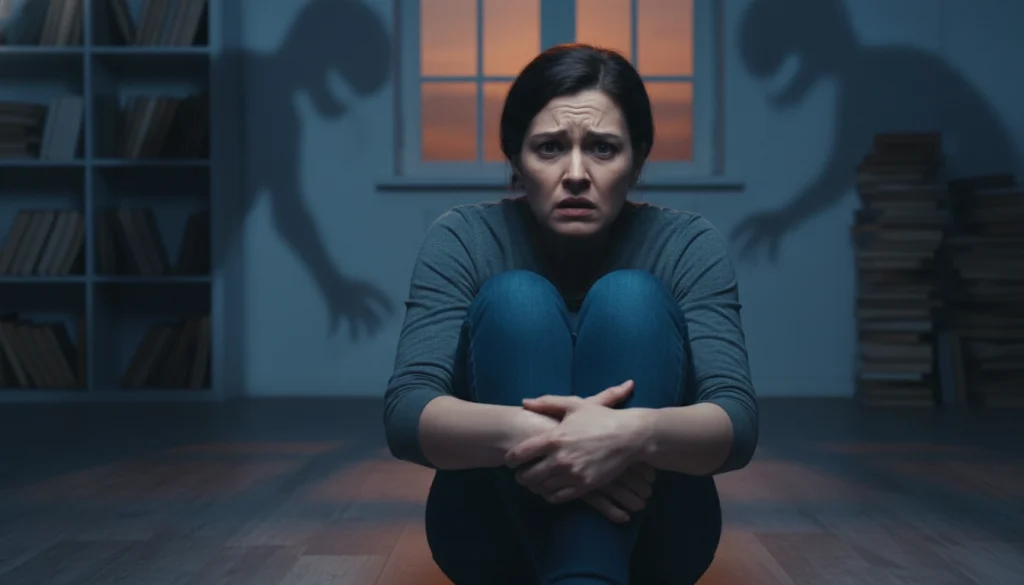
A panic attack is a sudden, intense fear that causes severe physical reactions. Your body might feel like it’s in danger, even when there’s no real threat.
These moments can feel overwhelming. It’s key to know that they don’t mean you’re weak or failing. Instead, they are treatable medical events that many people face with the right support.
We aim to offer clear, expert advice to help you manage your mental health. By understanding what a panic attack is, you can start to take back control. We’re here to help you understand your body and find a path to lasting well-being.
Key Takeaways
- A sudden surge of fear defines this clinical experience.
- Physical symptoms often mimic other serious health conditions.
- These episodes are not a reflection of personal character.
- Effective treatments exist to help manage and reduce symptoms.
- Professional support empowers patients to regain their daily confidence.
Understanding the Physiology of a Panic Attack
Learning about the panic attack can change how we see these intense moments. Instead of feeling out of control, we can see them as a complex body event. Our bodies try to protect us, but sometimes they get too sensitive.
The Fight or Flight Response Explained
The autonomic nervous system controls our body’s automatic actions. When we sense danger, it kicks in the “fight or flight” response. This ancient system helps us stay safe from harm.
The amygdala, a small almond-shaped part of the brain, is our alarm system. It deals with emotions and sends signals to the body when it sees danger. During a panic attack, this system gets too active, causing physical symptoms even without real danger.
Neurotransmitters and the Brain Chemistry of Fear
Chemical messengers called neurotransmitters are key in feeling fear and anxiety. Norepinephrine, for example, makes our heart race and us more alert when we’re stressed. When it increases, it makes the panic attack symptoms worse.
Serotonin helps keep our mood and emotions stable. If it’s out of balance, we’re more likely to feel sudden fear. Understanding how these chemicals work can help us manage our reactions and find calm.
Common Symptoms and Physical Manifestations
Knowing the signs of a panic attack can help clear up what’s happening. These feelings might seem intense, but they’re often just the body’s way of trying to protect itself. By understanding these physical reactions, we can handle them better.
Cardiovascular Sensations and Chest Tightness
Many people feel their heart racing during a panic attack. This fast heartbeat is the body getting ready to move quickly. It’s important to know that chest tightness usually comes from muscle tension, not heart problems.
Respiratory Changes and Hyperventilation
Feeling short of breath can lead to hyperventilation. This happens when we breathe too fast or deeply. It can upset the balance of carbon dioxide in our blood, causing more discomfort. Learning to control our breathing is key to calming down during these times.
Neurological Symptoms Including Dizziness and Tingling
Paresthesia, or tingling in hands, feet, or face, often comes from hyperventilation. It’s caused by changes in blood chemistry affecting nerve signals. Dizziness and feeling lightheaded are also common, due to similar physiological changes during a panic attack.
| Symptom | Physiological Origin | Common Perception |
|---|---|---|
| Tachycardia | Adrenaline surge | Heart health concern |
| Chest Tightness | Muscle tension | Cardiac distress |
| Paresthesia | Hyperventilation | Neurological issue |
| Dizziness | Blood flow shifts | Loss of consciousness |
Knowing these symptoms are temporary and not dangerous is a big step towards recovery. When you have a panic attack, remember your body is just reacting to fear. With time and practice, you can learn to watch these feelings without letting them control you.
Psychological Triggers and Root Causes
Finding out what causes a panic attack is key to feeling calm again. These episodes don’t just happen out of nowhere. They come from a mix of life events and how we feel inside.
Understanding these roots helps us see how our nervous system reacts to threats. This knowledge is the first step to building strength and mental health.
Identifying External Stressors
External stressors are often the first thing that triggers a panic attack. Big changes like starting a new job or moving can be stressful. Even good changes can be too much for us.
When we’re under too much pressure, our bodies can get overwhelmed. This can lead to sudden, intense anxiety.
Internal Triggers and Somatic Awareness
Sometimes, what triggers a panic attack is not something outside of us. It’s how we focus on our body’s feelings. This is called somatic awareness.
For instance, a small change in heart rate or breathing can seem like a danger sign. This makes us even more alert, leading to more symptoms.
The Impact of Traumatic Experiences
Experiences of trauma can affect our nervous system deeply. This makes us more likely to have a panic attack when stressed.
When we face something that reminds us of a past threat, our brain might react as if it’s a danger again. Seeing this connection is important for healing. It helps us deal with the underlying sensitivity, not just the symptoms.
Differentiating Panic Attacks from Generalized Anxiety
It’s key to tell the difference between a sudden panic attack and ongoing generalized anxiety. Both are linked to stress, but they show up in different ways. This means they need different treatments.
Duration and Intensity Comparisons
A panic attack is a quick rise in fear or discomfort that peaks in minutes. These episodes usually last from twenty to thirty minutes. But, they can feel much longer to the person going through it.
Generalized anxiety disorder, on the other hand, is a long-term worry. It’s a constant feeling of unease or fear about everyday life. This worry can last for months or even years.
Predictability Versus Sudden Onset
The biggest difference is how predictable the symptoms are. A panic attack can happen without warning, even when you’re relaxed.
Generalized anxiety, though, is often linked to specific worries or a constant fear of the future. Knowing these patterns helps find the right treatment for you.
| Feature | Panic Attack | Generalized Anxiety |
|---|---|---|
| Onset | Sudden and unexpected | Gradual and persistent |
| Intensity | High, peak-level distress | Moderate, chronic worry |
| Duration | Short (minutes) | Long-term (months/years) |
The Role of Genetics and Environmental Factors
Many people wonder why they get sudden panic attacks. The answer often lies in their genes and environment. We look at health through a wide lens to understand these complex origins.
Hereditary Predispositions to Anxiety Disorders
Studies show anxiety disorders often run in families. This means there’s a genetic link. If a close relative has anxiety, you might be more sensitive to stress.
This doesn’t mean you’ll definitely have a panic attack. It just means your nervous system might react more to stress than others.
Early Childhood Development and Learned Behaviors
Our DNA isn’t the only thing that shapes us. Our environment in childhood is huge. It shapes how we see danger and handle stress as adults.
If we grew up in a place where anxiety was common, we might have learned it as a way to survive. These habits can stick with us, making us more likely to have a panic attack today.
By recognizing these early influences, we can start to change. Knowing our reactions are learned behaviors is a powerful step towards healing and controlling our emotions.
Immediate Coping Strategies During an Episode
When you’re in the middle of a panic attack, everything can seem too much. But, you have the power to change how your body reacts. By focusing on what’s around you and how you feel, you can calm down and feel safer.
Grounding Techniques for Sensory Reconnection
Grounding helps you break free from fear by focusing on now. The 5-4-3-2-1 method uses your senses to keep you grounded.
- Acknowledge 5 things you can see around you.
- Identify 4 things you can touch or feel, such as the fabric of your chair.
- Listen for 3 distinct sounds in your environment.
- Notice 2 things you can smell.
- Identify 1 thing you can taste or a positive sensation in your body.
Controlled Breathing Exercises to Regulate the Nervous System
Your breathing rate often goes up during a panic attack. This can make your brain think there’s more danger. Diaphragmatic breathing, or belly breathing, can calm your nervous system.
Put one hand on your chest and the other on your belly. Breathe in slowly through your nose for four seconds, feeling your belly rise. Hold for a moment, then breathe out through pursed lips for six seconds. Doing this helps balance your body’s chemistry.
Cognitive Reframing During the Peak of Panic
When you’re at the worst of it, your mind might fill with scary thoughts. Cognitive reframing is about changing these thoughts to something calmer. Tell yourself it’s just a panic attack and it will pass.
Remind yourself, “This is just a panic attack, and it’s not dangerous.” Naming the experience helps reduce fear. Being kind to yourself is the best way to get through these tough times.
Long-term Therapeutic Approaches
Recovering from a panic attack cycle takes time and brain retraining. Immediate fixes help in the moment, but therapy tackles the root causes of anxiety. We focus on proven methods to help you take back control of your life.
Cognitive Behavioral Therapy Principles
Cognitive Behavioral Therapy (CBT) is key for those who often have panic attacks. It helps you spot and challenge negative thoughts that cause physical symptoms. By changing these thoughts, you can move away from fear and towards more balanced views.
- Identifying specific “catastrophic” thoughts.
- Testing the validity of anxious predictions.
- Developing healthier coping mechanisms for stress.
Exposure Therapy and Desensitization
Exposure therapy helps you get used to the physical feelings you fear. You’re slowly exposed to these sensations in a safe place. This teaches your body that these feelings aren’t dangerous.
Mindfulness-Based Stress Reduction
Mindfulness-Based Stress Reduction (MBSR) teaches you to be present. It helps you observe your thoughts and feelings without judgment. This can calm you down and keep you grounded, even when symptoms appear.
| Therapy Type | Primary Goal | Mechanism |
|---|---|---|
| CBT | Cognitive Restructuring | Challenging irrational thoughts |
| Exposure | Desensitization | Building physical tolerance |
| Mindfulness | Emotional Regulation | Present-moment awareness |
Choosing the right therapy is a team effort. Whether it’s CBT, exposure, or mindfulness, the goal is the same: reduce the impact of panic attacks on your life. Work with a mental health expert to find the best fit for you.
Medication Options and Clinical Interventions
Combining medication with therapy is often the best way to beat a panic attack. Lifestyle changes are key, but clinical help is needed to really heal.
Selective Serotonin Reuptake Inhibitors
SSRIs are the main treatment for panic attacks. They boost serotonin, which helps control mood and anxiety.
These drugs are taken daily to keep emotions stable. But, they take weeks to fully work.
Benzodiazepines and Short-term Management
Benzodiazepines are for quick relief during a panic attack. They calm the nervous system fast.
They’re meant for short use only. Doctors watch to avoid dependence.
The Importance of Psychiatric Supervision
A psychiatrist’s advice is vital when starting medication for a panic attack. They check if the dose is right and safe.
Don’t try to change doses yourself. It can be dangerous. Working with your doctor helps adjust treatment safely.
| Medication Type | Primary Purpose | Usage Frequency |
|---|---|---|
| SSRIs | Long-term stabilization | Daily |
| Benzodiazepines | Acute panic attack relief | As needed |
| Beta-Blockers | Physical symptom control | As needed |
Lifestyle Adjustments for Anxiety Management
Simple lifestyle choices can greatly affect how our body reacts to stress. By making small changes in our daily habits, we can build a stronger internal environment. This environment is less likely to experience a panic attack. Making these small, consistent changes can lead to big improvements in emotional stability.
The Impact of Caffeine and Stimulants
Many of us use coffee or energy drinks to stay awake. But these can actually make us feel more anxious. Caffeine can make our heart rate and blood pressure go up, which can feel like a panic attack.
This can trick our brain into feeling anxious, even when there’s no real danger. We suggest keeping track of how much caffeine you drink to see its effect on your anxiety. Here are some alternatives to keep your nervous system calm:
- Try herbal teas like chamomile or peppermint.
- Slowly cut down on caffeinated drinks before noon.
- Choose decaf coffee or water to stay hydrated without feeling jittery.
Sleep Hygiene and Circadian Rhythm Regulation
Good sleep is key for managing emotions and thinking clearly. Lack of sleep makes our brain less able to handle stress, making us more likely to have a panic attack. A regular sleep schedule helps keep your mood stable.
Try to have a calming routine before bed. Avoid screens an hour before bed and keep your bedroom cool. Better sleep helps protect you from anxiety’s overwhelming feelings.
Physical Activity as a Natural Stress Buffer
Regular exercise is a great way to deal with extra adrenaline. It helps burn off tension that can lead to a panic attack. Activities like walking, swimming, or yoga are great for managing stress.
Find something you like to do to stay active. Even just twenty minutes of moderate exercise can boost your mood. Being active teaches your body it can handle physical challenges without fear.
Supporting a Loved One Through a Panic Attack
Seeing a loved one have a panic attack can be scary. It’s normal to feel helpless. But, being there for them is very important.
Your calm helps them get through the tough feelings and physical symptoms. It’s a big help.
How to Remain Calm and Provide Reassurance
When someone has a panic attack, they can pick up on your feelings. Staying calm helps them feel more stable. Speak softly and slowly to help them breathe better.
Tell them they are safe and that it will pass. Say things like, “You are having a panic attack, but it will soon be over,” or “I am here with you, and you are safe.” Don’t tell them to “snap out of it.” This can make things worse.
What to Avoid Saying During an Episode
When someone is stressed, what you say matters a lot. Some things can make them feel worse. Try not to say:
- “Just calm down” or “Relax.”
- “It is all in your head.”
- “Why are you acting like this?”
- “You are overreacting to nothing.”
These comments can make them feel like you don’t get it. Instead, just be there for them. Show them you support and believe them.
Creating a Safe Environment for Recovery
When the panic attack starts to fade, help them feel better. A quiet, safe place is best. If it’s too loud or crowded, find a quieter spot.
Have them sit down and notice their surroundings. This helps them stay in the moment. Make sure they have water and fresh air. This helps their body calm down.
Debunking Myths Surrounding Panic Attack Episodes
We believe that clarity is the first step toward overcoming the fear of a panic attack. Misinformation often turns a difficult experience into a source of unnecessary shame. This prevents many from seeking the support they deserve. By separating clinical facts from common myths, we can help you regain a sense of safety and control.
Addressing the Fear of Losing Control
A frequent concern during a panic attack is the terrifying sensation that you are losing your mind or “going crazy.” It is important to understand that these feelings are merely the result of your nervous system being in a state of high alert. Your brain is not malfunctioning; it is simply misinterpreting a false alarm as a genuine threat.
You are not losing control of your reality or your sanity. These episodes are temporary, and your cognitive functions remain intact even when your body feels overwhelmed. Recognizing this distinction helps reduce the secondary anxiety that often fuels the intensity of the experience.
Clarifying the Misconception of Physical Danger
Many individuals mistakenly believe that the physical symptoms of a panic attack indicate an impending medical emergency, such as a heart attack. While the chest tightness, rapid heart rate, and shortness of breath feel incredibly real, they are physiological responses to adrenaline. These sensations are not signs of permanent physical damage to your heart or lungs.
To better understand these common myths, consider the following comparisons:
- Myth: I am having a heart attack. Fact: These symptoms are caused by hyperventilation and muscle tension, not cardiac failure.
- Myth: I will faint from lack of oxygen. Fact: Your blood pressure typically rises during an episode, making fainting highly unlikely.
- Myth: This will last forever. Fact: Most episodes peak within ten minutes and naturally subside as the body returns to homeostasis.
By grounding yourself in these clinical truths, you can navigate a panic attack with greater confidence. Knowledge serves as a powerful tool to dismantle the fear that often keeps us trapped in a cycle of worry. You are capable of managing these sensations, and you do not have to face them alone.
When to Seek Professional Medical Help
We think it’s strong and wise to know when to ask for help. Many people handle mild stress by themselves. But, sometimes, a panic attack is too much to handle alone.
If your symptoms are affecting your job, friends, or family, it’s time to seek help. Asking for help is not a sign of weakness. It’s a step towards getting better.
Recognizing Signs of Comorbid Conditions
Often, a panic attack is not alone. Many people also face other mental health issues like depression or anxiety.
If you feel sad all the time or always feel scared, it might mean you have something else going on. A professional can help figure out what’s going on and create a plan to help you.
The Necessity of Diagnostic Evaluation
Getting a full check-up is key to make sure you don’t have a physical problem. Some health issues, like thyroid problems or heart issues, can feel like a panic attack.
Seeing a doctor helps make sure you’re not dealing with a hidden health issue. It gives you peace of mind and helps you get better faster.
| Indicator | Self-Management | Professional Intervention |
|---|---|---|
| Frequency | Occasional, manageable | Frequent, disruptive |
| Daily Impact | Minimal disruption | Prevents normal activities |
| Physical Health | Clear medical history | Requires diagnostic testing |
| Panic Attack | Controlled by breathing | Requires clinical support |
Empowering Your Path Toward Mental Wellness
Managing your mental health is a personal journey. It takes patience and self-compassion. Every step toward understanding your triggers is a victory.
You have the inner strength to face panic attacks. By using grounding techniques and therapeutic tools, you can control your body’s responses. You are more than these moments of fear.
Seeking professional help is brave. It shows your commitment to healing. Experts can help you build resilience against panic attack symptoms. You deserve a life filled with peace, not fear.
At Acıbadem Healthcare Group, we’re committed to your recovery. Our team offers the clinical expertise and care you need. We encourage you to seek the resources for a better life.
FAQ
Q: What exactly is a panic attack, and is it a sign of a serious underlying condition?
A: A panic attack is a sudden, intense fear that makes your body react as if it’s in danger. It’s not a sign of personal failure or losing your mind. We treat it as a clinical condition that can be managed with the right help.
Q: What is happening inside my body during a panic attack?
A: Your body’s “fight or flight” response is triggered, even when there’s no danger. The brain’s fear center sends signals that make your body prepare for a threat. This changes your body’s chemistry, making you feel on high alert.
Q: Why does a panic attack often feel like a heart attack?
A: Panic attacks can feel like heart attacks because of symptoms like a fast heart rate and tight chest. But, these feelings are usually from muscle tension or breathing too fast, not a heart problem. Other symptoms include tingling and dizziness from changes in breathing.
Q: Can specific triggers or past experiences cause a panic attack?
A: Yes, panic attacks can come from stress and past experiences. Being very aware of your body can start an episode. Past traumas can also make you more likely to have sudden fear.
Q: How can I tell the difference between a panic attack and generalized anxiety?
A: Panic attacks are sudden and intense, lasting just minutes. Generalized anxiety is ongoing worry that lasts longer. Knowing the difference helps us give the right treatment.
Q: Are panic attacks hereditary, or are they learned behaviors?
A: Panic attacks can come from both genes and environment. Family history and how you learned to handle stress play a big role. We look at all these factors when treating anxiety.
Q: What are the most effective grounding techniques to use during an episode?
A: The 5-4-3-2-1 method is very helpful. It uses your senses to focus on the present. Belly breathing also helps calm your nervous system.
Q: What long-term therapies are available for managing panic disorders?
A: Cognitive Behavioral Therapy (CBT) is the best treatment. It helps you change negative thoughts. We also use exposure therapy and Mindfulness-Based Stress Reduction to help manage emotions.
Q: Are there medications that can help prevent or stop a panic attack?
A: Medications like SSRIs and benzodiazepines can help. But, they should only be taken with a doctor’s careful supervision. This is to keep you safe and avoid addiction.
Q: Can lifestyle changes like reducing caffeine help decrease the frequency of attacks?
A: Yes, avoiding stimulants like caffeine can help. Also, regular sleep and exercise can make you more resilient to stress.
Q: How can I best support a loved one who is having a panic attack?
A: Stay calm and create a safe space. Don’t tell them to “just relax.” Instead, reassure them they’re safe and it will pass. Your calmness helps them feel more stable.
Q: Is it possible to die or lose control permanently during a panic attack?
A: No, panic attacks are not life-threatening. They may feel like it, but they don’t cause permanent harm. They are temporary and don’t lead to lasting damage.
Q: When should I seek professional medical help for my symptoms?
A: See a doctor if panic attacks affect your daily life. A proper diagnosis is key to rule out other conditions. At Acıbadem Healthcare Group, we aim to provide top-notch care for your mental health.