

Treatment Snapshot
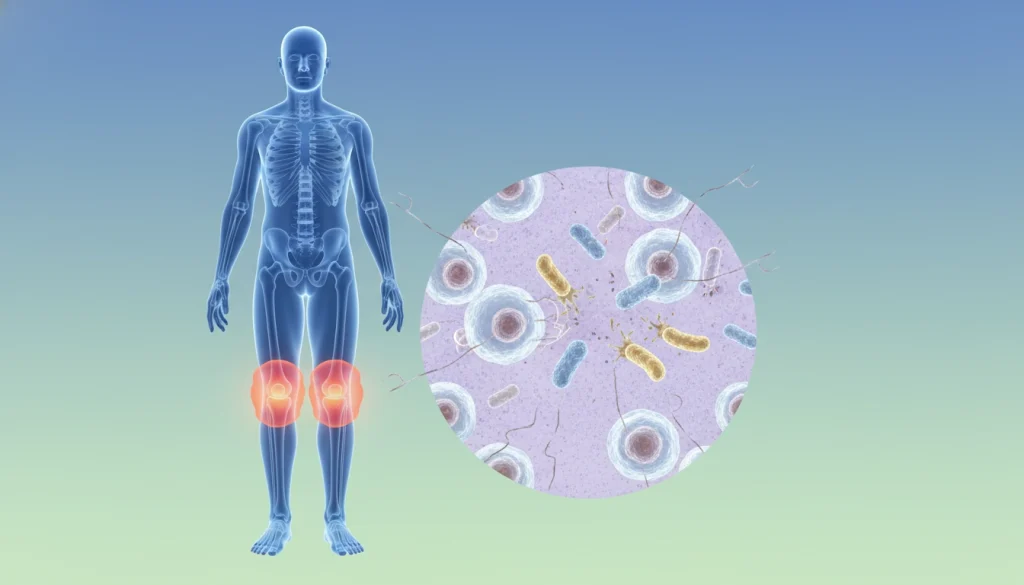
If you’ve had sudden joint pain after being sick, you might have Reactive Arthritis. This is when your immune system gets too active because of an infection. This can happen in your gut or urinary tract.
Getting a diagnosis can be tough, but you’re not alone. We’re here to help you understand and manage your symptoms.
Getting professional help is key to getting better. Working with your doctor, you can create a plan that fits you. Knowing about Reactive Arthritis helps you take charge of your health.
Key Takeaways
- This condition is an inflammatory joint response triggered by a prior infection.
- Symptoms often appear in the joints, eyes, or urinary system.
- Early medical evaluation is essential for an accurate diagnosis and treatment.
- Effective management strategies exist to help reduce inflammation and pain.
- We are committed to supporting your path toward recovery and long-term wellness.
Understanding the Nature of Reactive Arthritis
Many people are surprised to learn that Reactive Arthritis is not a direct infection of the joints. Instead, it’s an immune response to an infection elsewhere in the body. This helps us understand how our body fights off threats.
This condition falls under spondyloarthropathy. It’s a group of inflammatory diseases affecting joints and the spine. Unlike direct bacterial infections, Reactive Arthritis happens when the immune system attacks healthy tissues after fighting an infection.
Imagine your immune system mistaking healthy tissues for threats. After clearing the initial infection, immune cells stay alert. They then attack joints, causing inflammation, pain, and swelling without bacteria.
We aim to clear up this process for patients and their families. Knowing Reactive Arthritis is a secondary reaction empowers you in treatment. We’re here to guide you through this complex condition with confidence and peace of mind.
The Biological Mechanisms Behind Reactive Arthritis
The pain of Reactive Arthritis often comes from a mistaken immune response. When your body meets a bacterial infection, it fights to remove it. But sometimes, this fight doesn’t stop even after the infection is gone.
Your immune system stays on high alert. It starts to see healthy proteins in your joints as enemies. This leads to the body attacking its own tissues, causing pain and inflammation.
This reaction isn’t just in the joints. It can spread through your blood, affecting your eyes or skin too. Knowing how this works is key to managing Reactive Arthritis and keeping your joints healthy.
| Immune Stage | Biological Action | Resulting Effect |
|---|---|---|
| Initial Exposure | Bacterial infection occurs | Immune system activation |
| Molecular Mimicry | Antibodies target joint proteins | Systemic inflammation |
| Chronic Phase | Persistent immune signaling | Reactive Arthritis symptoms |
We aim to simplify these complex interactions. Understanding them can empower you in your health journey. Even though the body’s reaction seems wrong, it’s just a process gone awry. We’re here to guide you through these challenges with clarity and confidence.
Common Triggers and Bacterial Infections
A prior infection often starts Reactive Arthritis. When your immune system meets certain bacteria, it can cause inflammation. This inflammation can lead to joint pain and swelling.
Gastrointestinal Pathogens
The digestive system is a common entry point for harmful bacteria. These bacteria can cause inflammation in the body. This can lead to Reactive Arthritis symptoms weeks later.
Several common bacteria can start this immune response. These include:
- Salmonella: Often found in contaminated food or water.
- Shigella: A highly contagious bacterium that causes intestinal issues.
- Campylobacter: Often linked to undercooked poultry.
- Yersinia: A pathogen that can mimic other abdominal problems.
Genitourinary Tract Infections
Infections in the urinary or reproductive systems also lead to Reactive Arthritis. Chlamydia trachomatis is the most common pathogen in this group. It’s key to note that these infections might not show symptoms right away.
Finding out where the infection came from is important. This helps us create a better treatment plan for you. Knowing the cause helps us manage Reactive Arthritis better and support your health goals.
Genetic Predisposition and the HLA-B27 Marker
Infections often start Reactive Arthritis. But your genes play a big role in how likely you are to get it. Scientists study how genes and the immune system work together. They want to know why some people get sick and others don’t.
The HLA-B27 marker is a key area of research. It’s a protein on white blood cells that helps the immune system. It tells the difference between healthy cells and invaders.
Having the HLA-B27 marker doesn’t mean you’ll get Reactive Arthritis. Many people with this marker never get sick. It’s just one part of your genetic makeup.
Genetics is like a puzzle piece. The HLA-B27 marker might make you more likely to react strongly to infections. But it’s not the only reason for the disease.
We’re here to help you understand your health. By looking at everything, we can see your risks. Then, we can give you the best care for your health.
Clinical Presentation and Symptoms of Reactive Arthritis
The journey with Reactive Arthritis is unique for each person. It often brings a mix of joint pain, eye issues, and skin changes. Spotting these signs early is key to getting the right treatment.
Joint Involvement and Musculoskeletal Pain
Joint pain is a big part of this condition. People often feel a lot of musculoskeletal pain in their lower body. The knees, ankles, and feet are usually the most affected.
This pain can make it hard to walk or stand. Sometimes, the back or tendons can get involved, causing more pain. Watching for these changes is important for us to understand your condition.
Ocular Manifestations
Eye problems are common with Reactive Arthritis. The most seen issue is conjunctivitis, causing redness, itchiness, and a gritty feeling.
While this is usually mild, it can last. If your vision changes or you’re more sensitive to light, contact us right away. Catching eye problems early can prevent long-term issues.
Dermatological and Mucocutaneous Signs
This condition can also show up in the skin and mucous membranes. Some people get small, painless mouth or tongue ulcers. These usually go away without scarring.
Others might see skin rashes, mainly on their hands or feet. These can get thick or scaly as the body fights the infection. Here’s a quick guide to the main symptoms:
| Symptom Category | Common Presentation | Typical Location |
|---|---|---|
| Joint Issues | Swelling and stiffness | Knees, ankles, and feet |
| Ocular Signs | Redness and irritation | Conjunctiva of the eyes |
| Skin Changes | Rashes or scaly patches | Palms and soles |
| Mucosal Signs | Painless ulcers | Mouth and tongue |
Diagnostic Approaches and Clinical Evaluation
Getting a diagnosis can seem tough, but we’re here to help. Our team aims to give you a clear, accurate diagnosis. This is the first step towards a treatment plan made just for you. We use various tools to find Reactive Arthritis and rule out other conditions.
Physical Examination Techniques
At your first visit, we do a detailed physical exam. We check how much inflammation you have. We pay special attention to your knees, ankles, and feet.
Our experts also check other parts of your body. They look for signs that might point to this condition. This includes:
- Checking for redness or irritation in the eyes.
- Examining the skin for rashes or lesions, on your palms or soles.
- Evaluating the mouth for painless ulcers.
- Assessing the nails for signs of thickening or discoloration.
Laboratory Testing and Biomarkers
There’s no single test for Reactive Arthritis, but lab tests are key. We check your blood for signs of inflammation. This includes tests for CRP or ESR.
We might also do specific tests to learn more about your health:
- Genetic testing for the HLA-B27 marker, linked to joint conditions.
- Stool or urine cultures to find lingering infections.
- Synovial fluid analysis to check for infection or gout.
Imaging Modalities for Joint Assessment
Imaging studies help us see inside your joints. They’re important for tracking Reactive Arthritis and keeping your joints healthy.
| Imaging Tool | Primary Purpose | Clinical Benefit |
|---|---|---|
| X-ray | Bone structure | Rules out fractures or chronic damage |
| Ultrasound | Soft tissue | Detects early inflammation and fluid |
| MRI | Detailed view | Identifies subtle changes in cartilage |
We use these methods to give you clarity and peace of mind. By confirming inflammation, we can start your recovery plan.
Differential Diagnosis and Distinguishing Similar Conditions
Dealing with joint pain needs a careful approach to find the cause. When you see us with signs of inflammation, we work hard to find the main problem. Reactive Arthritis can look like other issues, so we do a detailed check to help you get better.
We look at your past health, focusing on any recent infections. This helps us tell if you have Reactive Arthritis or another disease. We use your symptoms and lab tests to make sure we get it right.
Distinguishing from Rheumatoid Arthritis
Rheumatoid Arthritis usually hits both sides of the body at once. Reactive Arthritis often affects one side more than the other, mainly the lower legs. We check for these signs to help figure out what you have.
Comparing with Psoriatic Arthritis
Psoriatic Arthritis often comes with skin or nail problems. Both can swell joints, but we look at your skin and family history to tell them apart. Our team is careful to spot these small differences for the right treatment.
Ruling Out Septic Arthritis
It’s very important to rule out septic arthritis because it’s an emergency. It’s a bacterial infection in the joint that can cause serious damage fast. We do quick tests to keep your joints safe from harm.
| Condition | Joint Pattern | Key Diagnostic Clue |
|---|---|---|
| Reactive Arthritis | Asymmetrical | Recent infection history |
| Rheumatoid Arthritis | Symmetrical | Positive blood markers |
| Psoriatic Arthritis | Variable | Skin/nail involvement |
| Septic Arthritis | Single joint | Fever and acute pain |
We share this to show how carefully we work to find the right diagnosis. Your health and comfort are always our top priority.
The Role of the Immune System in Disease Progression
The immune system plays a big role in Reactive Arthritis. It can fight off infections but also cause ongoing inflammation. This inflammation can make your symptoms last longer.
Understanding how your immune system works helps us find better treatments. We work together with your body to reduce inflammation and help you heal. Our team keeps a close eye on how you’re doing to make sure your treatment is working well.
Seeing Reactive Arthritis as different phases helps us understand it better. Each phase shows how your immune system reacts to past infections. Here’s how these phases affect you:
| Immune Phase | Biological Activity | Clinical Impact |
|---|---|---|
| Initial Trigger | Pathogen detection | Acute onset of symptoms |
| Systemic Activation | Cytokine release | Widespread joint inflammation |
| Chronic Persistence | Auto-reactive cell activity | Long-term joint stiffness |
| Resolution Phase | Immune system recalibration | Reduction in Reactive Arthritis pain |
Knowing your body can change is empowering. When we treat Reactive Arthritis, we aim to balance your immune system. This helps reduce pain and improves joint health over time.
Keep an eye on how your body reacts to treatments. This helps us tailor your care to fit you best. Working together, we can tackle Reactive Arthritis with confidence.
Current Pharmacological Treatment Strategies
When you face Reactive Arthritis, our team uses a tiered approach to help you feel better. We aim to ease your symptoms right away while also thinking about your long-term health. This way, your treatment plan is both effective and easy to keep up with.
Nonsteroidal Anti-Inflammatory Drugs
Nonsteroidal anti-inflammatory drugs, or NSAIDs, are often the first choice. They are great at reducing pain and swelling in your joints. By stopping certain enzymes that cause inflammation, they help you move better during the early stages of the condition.
- Ibuprofen and naproxen are commonly used to start managing symptoms.
- It’s important to take these drugs as your doctor advises to get the best results.
- We keep an eye on how you’re doing to make sure these drugs help without upsetting your stomach.
Disease-Modifying Antirheumatic Drugs
If your symptoms last or get worse, we might add disease-modifying antirheumatic drugs, or DMARDs. These drugs are different because they change how your immune system reacts to Reactive Arthritis. They are key in stopping long-term damage to your joints in more serious cases.
Consistency is key when using these drugs, as they take a few weeks to fully work. We work with you to track how you’re doing and adjust the dosage to keep you healthy. This teamwork helps make sure your treatment fits your health needs perfectly.
Corticosteroid Injections and Oral Therapy
Corticosteroid injections are a strong, targeted option for localized inflammation. By putting the medication directly into the affected joint, we can quickly ease severe pain and stiffness. This method helps avoid the side effects that can happen with oral drugs.
For widespread inflammation, we might use oral corticosteroids for a short time. These drugs quickly calm your immune system and reduce widespread flare-ups. We aim to use the smallest dose for the shortest time to protect your health in the long run.
Physical Therapy and Rehabilitation Protocols
We focus on your recovery by adding special physical therapy to your daily life. With Reactive Arthritis, we aim to get your joints moving freely again. We use gentle, controlled movements to help you move safely and easily.
Range of Motion Exercises
After joint inflammation, moving can feel hard. We start with exercises that keep your joints flexible. These exercises are easy on your joints to avoid extra stress.
Doing these exercises every day is key. They help keep your joints healthy and prevent scar tissue. This step is important for getting ready for more challenging exercises later.
Strengthening Programs for Joint Stability
When the inflammation goes down, we work on making your joints stronger. Strengthening exercises are important for keeping your joints stable. We use isometric exercises to work your muscles without moving your joints.
As you get stronger, we add more challenging exercises. This helps keep your joints safe from future injuries. Being active in these exercises is a big part of recovering from Reactive Arthritis.
| Rehabilitation Phase | Primary Goal | Exercise Type |
|---|---|---|
| Acute Phase | Reduce stiffness | Gentle stretching |
| Sub-acute Phase | Restore mobility | Range of motion |
| Recovery Phase | Improve stability | Resistance training |
Managing Chronic Symptoms and Long-Term Outlook
If you’re dealing with Reactive Arthritis, you’re not alone. Some people get better in a few months, but others need more time. We’re here to help you for the long haul, adjusting your care as needed.
Regular check-ups are key to managing your joints over time. They help us keep an eye on inflammation and catch problems early. This way, we can keep your joints working well and you feeling good.
Many people with this condition live active, happy lives with the right support. Remember, Reactive Arthritis can be managed, even when symptoms last a long time. We aim to find a balance between medical care and your lifestyle.
The table below shows the main differences between treating acute episodes and managing chronic care:
| Focus Area | Acute Management | Chronic Management |
|---|---|---|
| Primary Goal | Eliminate infection | Maintain joint function |
| Treatment Pace | Rapid intervention | Steady, long-term monitoring |
| Reactive Arthritis | Short-term medication | Adjustable care plans |
| Follow-up | Frequent, urgent visits | Scheduled, routine check-ups |
We want you to tell us about any changes in your symptoms. Your input helps us tailor your treatment to keep you comfortable and mobile. Let’s work together to manage Reactive Arthritis and support your long-term health.
Lifestyle Modifications for Improved Quality of Life
We think making lifestyle changes is key to living well with Reactive Arthritis. Medical treatments help with the symptoms, but your daily choices matter a lot. By making sustainable habits, you can manage your symptoms better and feel better every day.
Dietary Considerations and Anti-Inflammatory Nutrition
Nutrition is a powerful tool to fight body inflammation. Many people find that an anti-inflammatory diet helps with joint pain from Reactive Arthritis. We suggest eating whole, unprocessed foods for better immune health.
Here are some foods to add to your meals:
- Fatty fish like salmon or mackerel for omega-3 fatty acids.
- Colorful fruits and veggies for antioxidants.
- Whole grains and legumes for steady energy.
- Healthy fats like olive oil and nuts for joints.
Stress Management and Mental Health Support
Living with a chronic condition can be emotionally taxing. It’s vital to recognize how it affects your mental health. Stress can make symptoms worse, so finding ways to cope is important.
Try mindfulness like deep breathing or gentle yoga to lower stress. Also, talking to a counselor or joining a support group can help. Remember, you’re not alone, and asking for help is brave.
Pediatric Considerations for Reactive Arthritis
When kids deal with Reactive Arthritis, we take a special approach. We know treating them is different from adults. Our main goal is to manage symptoms well and keep them active and growing.
We work with families to make sure everyone is on the same page. We focus on the child’s growth stage to create a treatment plan that supports their health. This teamwork helps kids feel confident and comfortable during their recovery.
For kids, we watch their joints and overall health closely. Here’s how we care for them differently than adults:
| Focus Area | Pediatric Approach | Adult Approach |
|---|---|---|
| Treatment Goal | Growth and development preservation | Symptom control and function |
| Medication | Weight-based, low-dose focus | Standardized adult dosing |
| Reactive Arthritis | High emphasis on family education | Focus on patient autonomy |
| Monitoring | Frequent growth and milestone checks | Periodic joint assessment |
We aim to create a safe space for kids during treatment. By combining compassionate care with medical knowledge, we help families cope with Reactive Arthritis. Our goal is to ensure every child’s long-term health and happiness.
Preventive Measures and Reducing Infection Risk
We believe that teaching patients about preventing infections is key to managing Reactive Arthritis. Knowing how certain bacteria enter the body helps you protect your health. By adopting proactive habits, you can fight against joint inflammation.
Safe Food Handling Practices
Many joint problems start with food infections. To lower your risk, wash your hands well with soap and water before cooking. Keep raw meats away from fresh foods to stop harmful bacteria like Salmonella or Campylobacter.
Cooking food to the right temperature is also important. Use a food thermometer to check if poultry and ground meats are safe. These kitchen habits can greatly reduce the risk of infections that might lead to Reactive Arthritis.
Sexual Health and Infection Prevention
Some infections, like those from Chlamydia trachomatis, can cause joint problems. Keeping your sexual health safe is a big part of staying well. Using condoms is the best way to avoid passing on infections.
Getting regular tests is also important. If you’re active, talk to your doctor about getting tested. These steps help you stay in control of your health and avoid Reactive Arthritis problems.
| Infection Source | Primary Pathogen | Prevention Strategy |
|---|---|---|
| Undercooked Poultry | Salmonella | Cook to 165°F |
| Contaminated Water | Campylobacter | Use filtered sources |
| Sexual Contact | Chlamydia | Barrier protection |
| Unwashed Produce | Yersinia | Thorough rinsing |
Navigating Healthcare Support and Specialist Care
Getting different medical specialists to work together is key to managing Reactive Arthritis well. Having a strong support network helps you meet your recovery goals. A team of experts can give you the best care for your needs.
Your care team works best when everyone talks and works together. They might include:
- Rheumatologists: They focus on inflammatory joint conditions.
- Physical Therapists: They create exercise plans to improve your mobility.
- Primary Care Physicians: They oversee your overall health and wellness.
Talking well with your doctors is as important as the treatment. Make a list of questions for each visit. This way, you can be more confident and in charge of your health.
If you don’t understand something, ask for help. Our resources are here to help you find the right guidance. Working with your team can make managing Reactive Arthritis easier and less stressful.
Living Well with Reactive Arthritis
Managing your health is all about being proactive and understanding your body. Getting Reactive Arthritis doesn’t mean your life is over. You can live a full and vibrant life.
Knowing your condition well is key to recovery. Stick to your treatment plan to keep your joints healthy. Always talk to your doctor to make sure your care is right for you.
Making small changes every day can lead to big improvements in your health. Taking care of yourself helps you deal with Reactive Arthritis better. These habits are the base for an active life.
We’re here to support you on this journey. At Acıbadem Healthcare Group, we offer top-notch care for complex conditions. If you need help or have questions, our specialists are ready to assist you.
FAQ
Q: What exactly is Reactive Arthritis and how does it develop?
A: Reactive Arthritis is a type of joint disease. It’s not caused by a direct infection in the joint. Instead, it’s an immune reaction to an infection elsewhere in the body. At Acıbadem Healthcare Group, we explain it as the immune system attacking healthy joints after trying to fight off certain bacteria.
Q: Which bacterial infections are most commonly linked to this condition?
A: Common triggers are found in the gut or urinary tract. Salmonella, Shigella, and Yersinia are common gut pathogens. Chlamydia trachomatis often causes it in the urinary system. Finding these infections is key to understanding your joint pain.
Q: What is the significance of the HLA-B27 genetic marker?
A: The HLA-B27 marker can make you more likely to get Reactive Arthritis. It doesn’t mean everyone with it will get the disease. We use it to understand your risk and plan your care.
Q: What symptoms beyond joint pain should I be aware of?
A: Symptoms include joint pain, eye inflammation, and skin issues. You might experience pain in your knees and ankles. Look out for eye problems and skin rashes too.
Q: How do specialists distinguish Reactive Arthritis from other forms of arthritis?
A: We use a detailed process to tell it apart from other arthritis types. The key is the history of an infection and how the joints are affected. We quickly rule out Septic Arthritis, which needs urgent treatment.
Q: What treatment options are available to manage the inflammation?
A: We start with NSAIDs to reduce swelling. For longer-term cases, we use DMARDs. Sometimes, we use corticosteroids to calm the immune system and help your body heal.
Q: Can physical therapy help in the recovery process?
A: Yes. Physical therapy is a big part of our treatment plan. We focus on exercises that help you move better and strengthen your joints. This helps you stay mobile and independent without stressing your joints.
Q: Is Reactive Arthritis common in children?
A: While it’s more common in adults, kids can get it too. Our pediatric team takes a gentle approach. They work with families to make sure treatment fits the child’s needs and doesn’t disrupt their growth or daily life.
Q: What lifestyle changes can I make to support my long-term health?
A: We suggest a holistic approach. Eat foods that support your immune system and manage stress. Good nutrition and mental health support can greatly improve your life. Regular check-ups are also important to adjust your treatment plan as needed.
Q: How can I prevent future triggers of Reactive Arthritis?
A: Prevention starts with avoiding infections. Practice safe food handling and maintain good sexual health. These steps can help prevent future flares and support your overall health.