

Treatment Snapshot
Getting a diagnosis about your blood health can be scary. Von Willebrand Disease is the most common inherited bleeding disorder. It affects millions of people worldwide.
This condition happens when your body doesn’t make a key protein. This protein helps blood platelets stick together. Without it, making stable clots is hard. This can cause bleeding to last longer after injuries or surgeries.
We want to give you clear, easy-to-understand info. We aim to help you feel more confident on this journey. By explaining Von Willebrand Disease better, we want to help you take control of your health. This condition doesn’t have to control your life. With the right knowledge, you can manage your symptoms well.
Key Takeaways
- It is the most frequent inherited bleeding disorder worldwide.
- The condition affects how your blood forms stable clots.
- Many individuals live full, active lives with proper management.
- Early diagnosis is essential for effective health planning.
- We are here to provide the support and education you need.
Understanding the Biology of Von Willebrand Disease
Hemostasis is a vital process that stops bleeding after an injury. It’s at the core of our circulatory health. Von Willebrand Disease disrupts this essential system.
The Role of Von Willebrand Factor in Hemostasis
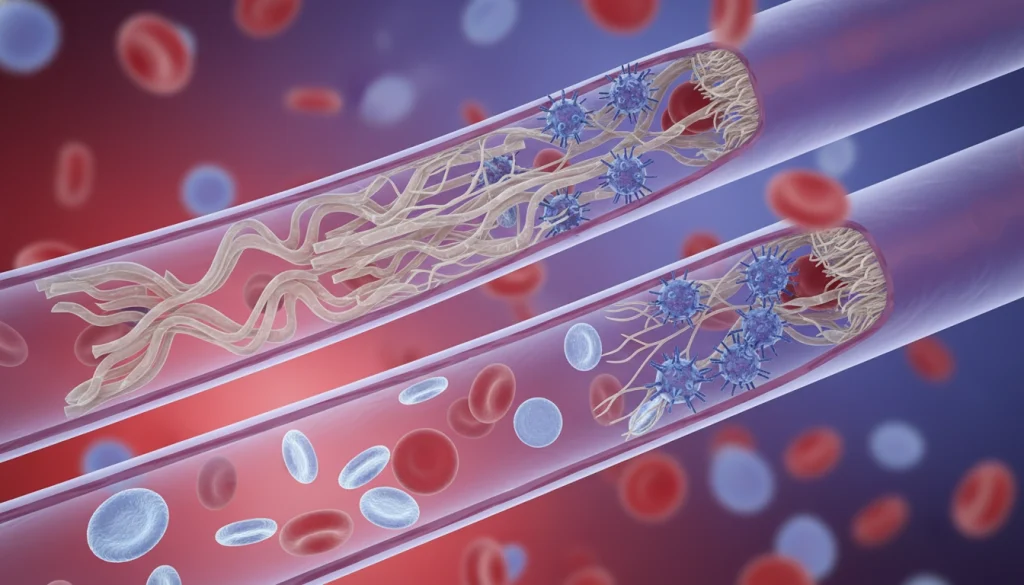
The Von Willebrand factor is a key protein in our blood. It keeps our blood vessels strong. Without it, our body can’t clot properly after an injury.
People with Von Willebrand Disease have too little or faulty protein. This makes it hard for blood to clot at wounds. Even small cuts can cause a lot of bleeding.
How Platelet Adhesion Functions in Healthy Blood
Platelets are tiny cells in our blood that look for damage. In a healthy body, they quickly stick to cuts or tears. They need the Von Willebrand factor to do this.
This sticking is the first step in forming a clot. Without the factor, platelets can’t stick well. This is why Von Willebrand Disease leads to more bleeding. Knowing this helps us see why early treatment is key.
Genetic Foundations and Inheritance Patterns
Looking into the genetic side of Von Willebrand Disease is key. It shows how this bleeding disorder moves through families. Most times, it’s passed down from parents to kids through their genes.
Knowing how it’s inherited helps families understand their health better. We think knowing is the first step to managing the condition and feeling at ease.
Autosomal Dominant vs Recessive Transmission
Von Willebrand Disease usually follows an autosomal pattern. This means the gene is on a non-sex chromosome. It affects both males and females the same.
In dominant cases, a child only needs one copy of the gene from a parent to possibly get the disease. But, in recessive cases, a child needs both genes from parents to show symptoms.
| Inheritance Type | Genetic Requirement | Likelihood of Expression |
|---|---|---|
| Autosomal Dominant | One affected parent | High (50% per child) |
| Autosomal Recessive | Both parents carry gene | Moderate (25% per child) |
| Spontaneous Mutation | No family history | Rare |
Spontaneous Mutations and Family History
Not all cases come from family history. Sometimes, a Von Willebrand Disease diagnosis is due to a new genetic change.
This change happens for the first time in the person, not passed down. Even without family history, the condition needs medical care.
We ask patients to share their full health history with their doctor. Knowing if it’s inherited or a new mutation helps us create the best care plan for you.
Classifying the Types of Von Willebrand Disease
We divide Von Willebrand Disease into different types for better treatment. Knowing the exact type helps us choose the right therapy. This way, we can manage each patient’s health more effectively.
Type 1: Partial Quantitative Deficiency
Type 1 is the most common Von Willebrand Disease. It means the body makes less of the needed protein. But, the protein that is made works as it should.
People with Type 1 might bleed a bit more than usual. They might not even know they have it until they have surgery or get hurt badly.
Type 2: Qualitative Defects and Subtypes
Type 2 has problems with the protein’s structure or function. Even if there’s enough protein, it doesn’t work right during clotting.
This type is split into subtypes like 2A, 2B, 2M, and 2N. Each needs a special care plan because of its unique defect. This affects how blood clots and interacts with platelets and the vessel wall.
Type 3: Severe Deficiency and Clinical Implications
Type 3 is the rarest and most severe Von Willebrand Disease. In these cases, almost no protein is in the blood. This makes clotting very hard.
Those with Type 3 often bleed a lot and often. We focus on detailed care plans to keep them safe and healthy. Knowing these types helps us give each patient the care they need.
Recognizing Common Symptoms and Warning Signs
Minor bleeding issues might seem small, but they can be big clues about Von Willebrand Disease. This condition makes blood clotting hard, so symptoms are often subtle. Spotting these signs early helps you take better care of your health.
Mucocutaneous Bleeding Patterns
Bleeding from skin or mucous membranes is a common sign. It shows up as hard-to-stop nosebleeds or heavy menstrual periods. These signs often need medical help to manage.
Other signs include bleeding a lot after dental work or small cuts. If your body takes too long to clot, keep track of it. Writing down these events can help when talking to a doctor.
Unexplained Bruising and Hematomas
Bruising easily is another sign of Von Willebrand Disease. You might see big or raised bruises on your body without any obvious reason. These bruises can happen from small impacts that wouldn’t usually cause them.
These bruises can turn into hematomas, which are blood collections under the skin. If you get bruises often, it’s time to see a doctor. Finding these signs early is key to getting the right help.
Diagnostic Procedures and Clinical Evaluation
Learning about the Von Willebrand Disease diagnostic process can ease stress. We focus on building a strong partnership with you. This way, you’re supported and informed at every step.
Initial Screening and Medical History Review
We start by talking about your health. We look into your history of bleeding, like nosebleeds or heavy periods. This helps us spot any patterns.
Family history is also key in finding Von Willebrand Disease. We ask about relatives with similar symptoms. This gives us important clues for our team. It helps us understand your health needs better.
Physical Examination Protocols
After reviewing your history, we do a physical exam. We look for signs of bleeding. Our team checks for:
- Unexplained bruising or hematomas on the skin.
- Signs of mucosal bleeding, such as gum sensitivity.
- General physical markers that might suggest an underlying clotting issue.
These steps are gentle and reassuring. By noting these findings, we decide the best next steps for you. Our aim is to make sure you feel heard and understood as we work toward a diagnosis of Von Willebrand Disease.
Laboratory Testing and Specialized Blood Panels
Laboratory tests are key to managing and treating Von Willebrand Disease. Symptoms can be similar to other health problems. So, we use a special set of tests to confirm the diagnosis. These tests help us understand the protein deficiency and create a treatment plan just for you.
Von Willebrand Factor Antigen Assays
The antigen assay measures the Von Willebrand factor protein in your blood. It shows if your body makes enough protein for clotting. Low levels often mean you have a common type of the disorder.
Ristocetin Cofactor Activity Testing
The Ristocetin cofactor test checks how well the protein works. It sees if the protein can bind to platelets to form a clot. If the activity is much lower than the antigen level, it means the protein is not working right.
Multimer Analysis for Structural Assessment
Multimer analysis looks at the protein’s structure. It separates the protein into different sizes to check if it’s built correctly. This test helps us find the right treatment by identifying the type of Von Willebrand Disease you have.
| Test Name | Primary Purpose | Clinical Insight |
|---|---|---|
| VWF Antigen | Measures protein quantity | Identifies deficiency levels |
| Ristocetin Cofactor | Assesses protein function | Detects binding ability |
| Multimer Analysis | Evaluates protein structure | Classifies disease subtype |
These tests give us a full picture of your blood health. By combining the results, we can make an accurate diagnosis. This helps us support your health for the long term.
Differential Diagnosis and Related Bleeding Disorders
Many bleeding disorders have similar symptoms, making precise medical evaluation key. If you often bruise or bleed for a long time, finding the cause is important. Accurate diagnosis is vital for managing Von Willebrand Disease effectively.
Distinguishing from Hemophilia A and B
Hemophilia A and B mainly affect clotting factors VIII and IX. They cause bleeding, but differ from Von Willebrand Disease. Hemophilia mostly affects males, while Von Willebrand Disease affects both genders equally.
Doctors use blood tests to check clotting factor levels. In Hemophilia, factors VIII or IX are low. Von Willebrand Disease involves a protein issue, not just low levels. Knowing the difference helps in choosing the right treatment.
Identifying Platelet Function Disorders
Platelet function disorders happen when blood cells don’t stick together right. They can look like Von Willebrand Disease symptoms. Advanced tests are needed to figure out the problem.
The table below shows the main differences between these bleeding conditions. It helps understand the diagnostic process:
| Condition | Primary Defect | Common Inheritance | Typical Gender Impact |
|---|---|---|---|
| Von Willebrand Disease | VWF Protein Deficiency | Autosomal | Both Genders |
| Hemophilia A | Factor VIII Deficiency | X-Linked | Mostly Males |
| Hemophilia B | Factor IX Deficiency | X-Linked | Mostly Males |
| Platelet Disorders | Platelet Aggregation | Variable | Both Genders |
By excluding other disorders, your team can make a plan just for you. Clear communication with your hematologist is key to understanding these complex tests.
Current Medical Treatment Strategies
We think informed patients can better handle Von Willebrand Disease treatment. Working with your hematology team helps create a care plan that fits your needs and lifestyle. The goal is to improve your body’s clotting ability during injuries or surgeries.
Desmopressin Acetate Therapy
Desmopressin acetate is often the first choice for many. It’s a synthetic hormone that boosts the release of clotting factors from your blood vessel linings into your blood.
You can get it as a nasal spray or through an IV. It works well for those with milder forms, helping your body use its own clotting resources better.
Von Willebrand Factor Replacement Concentrates
If desmopressin doesn’t work or isn’t right, replacement therapy might be suggested. These concentrates have purified human proteins that fill in the missing or defective factors in your blood.
This is key for those with more severe Von Willebrand Disease who need extra help. The infusions are closely watched to keep your clotting levels safe and effective.
| Treatment Type | Primary Mechanism | Common Use Case |
|---|---|---|
| Desmopressin | Stimulates factor release | Mild to moderate cases |
| Replacement Concentrates | Direct factor supplementation | Severe or unresponsive cases |
| Antifibrinolytics | Prevents clot breakdown | Mucosal bleeding control |
Choosing the right treatment depends on your specific type and medical history. We urge you to talk to your specialist to make sure your treatment is safe and effective for your long-term health.
Managing Bleeding Episodes and Emergency Care
We believe that preparation is key for those with Von Willebrand Disease. Knowing how to act when a bleed happens can make a big difference. By being informed, you can handle health emergencies with confidence.
Antifibrinolytic Agents for Minor Bleeds
For small injuries or dental work, your doctor might suggest antifibrinolytic agents. These drugs stop blood clots from breaking down. This helps keep a clot stable, which is great for bleeding in places like the mouth or nose.
These agents are often used before minor surgeries to prevent too much bleeding. They help keep a clot in place, reducing the chance of long bleeding. Always talk to your hematologist to see if these are right for you.
Protocols for Surgical Interventions
Surgery needs careful planning with your healthcare team. It’s vital to have a personalized plan ready before your surgery. This ensures your medical team knows how to handle your clotting needs during the surgery.
Your surgery plan will include checking your lab results and a plan for factor replacement if needed. Following these guidelines can greatly reduce the risk of problems. Proactive communication with your surgeon and hematologist is key to a safe recovery.
Von Willebrand Disease in Women and Reproductive Health
Von Willebrand Disease affects women in unique ways, impacting their menstrual and reproductive health. It’s important for women and their doctors to work together. This ensures safety and quality of life. By managing the condition proactively, we can reduce its risks.
Managing Menorrhagia and Heavy Menstrual Bleeding
Women with this disease often face heavy menstrual bleeding, known as menorrhagia. This can lead to iron-deficiency anemia if not treated. It’s key to work with a hematologist and gynecologist to create a treatment plan.
Effective management includes:
- Hormonal contraceptives to regulate cycles and reduce blood loss.
- Antifibrinolytic medications taken during the first few days of the period.
- Iron supplementation to maintain healthy hemoglobin levels.
- Regular monitoring of blood counts to prevent chronic fatigue.
Pregnancy and Delivery Considerations
Pregnancy is a big deal for women with Von Willebrand Disease. During pregnancy, clotting factors naturally increase, which helps. But, these levels drop quickly after childbirth, raising the risk of postpartum hemorrhage.
Creating a specialized birth plan is vital. It should involve a team of doctors, including obstetricians, hematologists, and anesthesiologists. By tracking factor levels and having treatments ready, we can make delivery safer for both mom and baby.
Pediatric Care and Developmental Considerations
Dealing with Von Willebrand Disease in kids needs careful care and clear talks. We think every child should feel brave, even with a health issue. Working with pediatric hematologists helps families make a safe and caring space for growth.
Early Detection in Infants and Children
Finding Von Willebrand Disease early is key for health. Watch for nosebleeds, long bleeding from small cuts, or unexplained bruises. These signs are more obvious when kids start moving around.
If you see these signs, get a specialist’s check-up. Early diagnosis helps make a plan that keeps your child’s life normal. Keeping a log of bleeding helps doctors understand how serious it is.
Managing Bleeding Risks During Childhood Activities
It’s important for kids with Von Willebrand Disease to stay active. While some sports might be too risky, many are safe and good. Talk to your doctor to find safe activities for your child.
Telling school staff and coaches about your child’s condition helps prevent injuries. Make sure they know how to handle small injuries. A written plan helps your child stay safe at school.
| Age Group | Common Focus | Safety Strategy |
|---|---|---|
| Infants | Monitoring bruising | Soft padding for play areas |
| Toddlers | Preventing falls | Supervised play and protective gear |
| School Age | Sports participation | Clear communication with coaches |
| Adolescents | Self-management | Education on Von Willebrand Disease |
Lifestyle Adjustments and Daily Management
Living with Von Willebrand Disease means taking charge of your daily life. Making smart choices helps you manage your health and enjoy life. Small, consistent changes can make you feel more in control and safe.
Medications to Avoid for Patient Safety
Some over-the-counter drugs can make it harder for your blood to clot. This is risky for those with Von Willebrand Disease. Always talk to your hematologist before trying new treatments or supplements. Stay away from drugs with aspirin or NSAIDs unless your doctor says it’s okay.
Here are some common drugs that might increase bleeding risks:
- Aspirin and aspirin-containing products
- Ibuprofen (Advil, Motrin)
- Naproxen (Aleve)
- Certain herbal supplements like ginkgo biloba or garlic extracts
Be careful with cold and flu medicines, as they might have hidden ingredients. Your safety is our priority. Keeping a list of safe pain relievers is a good idea.
Physical Activity and Injury Prevention
Staying active is key for your health, even with a bleeding disorder. Avoid high-impact sports that could hurt you. But, many exercises are safe and good for you.
Here are some tips for safe exercise:
- Choose low-impact activities like swimming, walking, or cycling.
- Always wear appropriate protective gear, such as helmets or knee pads, if you participate in recreational sports.
- Listen to your body and stop immediately if you experience any unusual pain or signs of injury.
By focusing on injury prevention, you can live an active and full life. Managing Von Willebrand Disease is a team effort. Work with your healthcare providers to find a balance that keeps you safe and happy.
Navigating Complications and Long-Term Health
Managing a lifelong bleeding disorder is more than just clinic visits. It’s about keeping your life quality high. Focus on both your body and mind to handle Von Willebrand Disease’s challenges.
Joint Health and Chronic Bleeding Risks
Keeping your joints healthy is key to your long-term health. Even though joint bleeds are rare in some types of Von Willebrand Disease, they can cause serious damage. Watch for swelling, warmth, or trouble moving your joints.
Act fast to avoid long-term joint problems. If you feel any pain, see your hematology team right away. Staying at a healthy weight and doing low-impact exercises can also help your joints.
- Schedule regular check-ups with your specialist to monitor joint function.
- Report any persistent pain or stiffness to your healthcare provider promptly.
- Incorporate gentle stretching to maintain flexibility and muscle strength.
- Use protective gear during physical activities to prevent accidental trauma.
Psychosocial Impact of Chronic Illness
Living with a chronic condition is an emotional journey that’s just as important as your physical health. It’s okay to feel anxious or frustrated. Acknowledging these feelings is a big step toward being strong and finding balance.
Talking to others who understand can really help. Support groups or counseling can offer comfort and new views. Remember, seeking help is a sign of strength, not weakness.
Open talks about how Von Willebrand Disease affects your life can improve your wellbeing. We aim to give you the tools and confidence to thrive at every life stage.
Advancements in Research and Therapeutic Innovation
We are entering a new era in treating Von Willebrand Disease. Scientists are now focusing on the causes of bleeding disorders. This is leading to new tools that go beyond just treating symptoms.
This progress brings hope to patients and their families. It shows that there is a way to improve their lives.
Gene Therapy Prospects
Gene therapy is a major area of research now. Scientists are working on introducing genes to help make clotting proteins. This could be a long-term fix by fixing the genetic problem at its source.
These early trials show promise. They could mean fewer infusions for patients. We keep a close eye on these trials to give our patients the latest news. Gene therapy could change the way we treat this disease, making life easier for many.
Novel Pharmacological Developments
New medicines are also being developed. These aim to make clotting factors last longer in the blood. This means patients might not need to get infusions as often.
The table below shows how these new treatments are different from old ones:
| Therapy Type | Primary Goal | Expected Benefit |
|---|---|---|
| Traditional Replacement | Immediate Hemostasis | Short-term bleeding control |
| Extended Half-Life Factors | Prolonged Protection | Fewer weekly infusions |
| Gene Therapy | Genetic Correction | Potential long-term remission |
These new treatments are part of our mission to educate and help. As we learn more about Von Willebrand Disease, we aim to make this knowledge useful. Keeping up with these advances helps you make informed choices about your health.
Building a Support System and Accessing Resources
You don’t have to face Von Willebrand Disease alone. Building a strong support network is key to managing your health well. It helps keep your quality of life high. Look for partners who focus on your well-being and offer the medical help you need.
Connecting with Hematology Specialists
Having a specialized hematologist is essential for good care with Von Willebrand Disease. They know how to make treatment plans just for you. Collaborative relationships between you and your doctor lead to better health and make you feel understood.
When looking for a specialist, find centers with full care teams. These teams include nurses, genetic counselors, and physical therapists who get bleeding disorders. Always ask about their experience and how they manage long-term care.
Patient Advocacy Groups and Educational Networks
Connecting with advocacy groups offers emotional support and useful advice. These groups provide lots of information to help understand Von Willebrand Disease. Joining them lets you share your story with others who get it, reducing feelings of loneliness.
We suggest checking out these resources to grow your support system:
- National bleeding disorder foundations with the latest research and guidelines.
- Local support groups for in-person connections.
- Educational webinars and workshops to boost self-advocacy skills.
- Online forums with expert moderation for accurate medical info.
Being part of these networks keeps you updated on new treatments. Knowledge is a powerful tool that lets you be involved in your healthcare decisions with your team.
Empowering Patients Toward a High Quality of Life
Living with Von Willebrand Disease means taking charge of your health. Knowing your body is key to managing this condition well.
At Acıbadem Healthcare Group, we’re here to guide you. We provide detailed educational materials to help you make smart health choices. You can also learn more about complex health conditions and how our care can help.
Working closely with your hematology team is important. This way, your treatment can grow with you. Talking regularly with your team helps make sure your care fits your life and goals.
You can lead a full and active life with Von Willebrand Disease. Regular check-ups and staying informed are key. We’re here to support you in your journey to a healthy future.
FAQ
Q: What is Von Willebrand Disease and how does it affect the body?
A: Von Willebrand Disease is a common bleeding disorder. It affects millions worldwide. At Acıbadem Healthcare Group, we tell patients it’s caused by a lack or problem with the Von Willebrand factor.
This protein is key for blood clotting. Without enough, the body can’t form stable clots. This leads to long bleeding episodes.
Q: How does the Von Willebrand factor contribute to healthy blood clotting?
A: The Von Willebrand factor is like a biological “glue” for blood clotting. It helps platelets stick to injuries in blood vessels. Without it, the body can’t stop bleeding right away.
Q: Is Von Willebrand Disease always inherited from parents?
A: While it’s often passed down, it’s not always the case. We see cases of spontaneous mutations too. Knowing your family’s medical history is key in our initial assessments.
Q: What are the different types of Von Willebrand Disease?
A: We categorize it into three main types. Type 1 has a partial protein deficiency. Type 2 has a qualitative defect. Type 3 is the rarest and most severe, with almost no protein.
Q: What are the most common warning signs and symptoms?
A: Look out for mucocutaneous bleeding patterns. This includes frequent or heavy nosebleeds and easy bruising. Unexplained bruising is also a sign to get checked.
Q: How do specialists diagnose Von Willebrand Disease?
A: We start with a detailed review of your medical and family history. A physical exam follows. We look for signs of abnormal bleeding before lab tests.
Q: Which laboratory tests are necessary for a definitive diagnosis?
A: We use blood panels like Von Willebrand factor antigen assays. Ristocetin cofactor activity testing is also key. A multimer analysis helps determine the disease subtype.
Q: How is Von Willebrand Disease distinguished from Hemophilia?
A: It’s important to tell the difference because VWD is often confused with Hemophilia. Both are bleeding disorders but involve different clotting factors. We use precise testing to ensure the right treatment plan.
Q: What medical treatments are currently available?
A: We use desmopressin acetate therapy for mild cases. For severe cases, Von Willebrand factor replacement concentrates are used. These treatments help the body clot quickly.
Q: How are bleeding episodes managed during surgery or emergencies?
A: For minor bleeds, antifibrinolytic agents are prescribed. During surgery, we follow strict protocols and work closely with surgeons. This ensures the procedure is safe.
Q: How does Von Willebrand Disease affect women’s reproductive health?
A: Women often face heavy or prolonged menstrual bleeding. At Acıbadem Healthcare Group, we focus on managing these symptoms. We also provide specialized care during pregnancy and delivery.
Q: Can children with Von Willebrand Disease participate in normal activities?
A: Yes, with early detection and proper management, children can be active. We work with parents to develop injury prevention strategies. This way, kids can enjoy childhood activities safely.
Q: Are there specific medications that patients with VWD should avoid?
A: We advise avoiding medications that affect platelet function, like aspirin. Always check with our team before starting new medications or supplements.
Q: What are the long-term health implications of the condition?
A: Most people with VWD lead healthy lives. But, chronic bleeding can affect joint health. We address the physical and emotional impact of the condition, supporting our patients throughout their lives.
Q: What does the future of Von Willebrand Disease research look like?
A: Research is advancing quickly, with hopes for gene therapy and new treatments. These innovations aim to provide better, more lasting treatments for our patients.
Q: How can I build a support system and access better care?
A: Building a support system is key. Connect with hematology specialists and join patient groups. These resources offer community support and the latest care strategies.
Q: Is it possible to maintain a high quality of life with this diagnosis?
A: Yes, it is. With expert guidance, staying informed, and following a care plan, people with VWD can live full lives. At Acıbadem Healthcare Group, we empower our patients to manage their health confidently.