

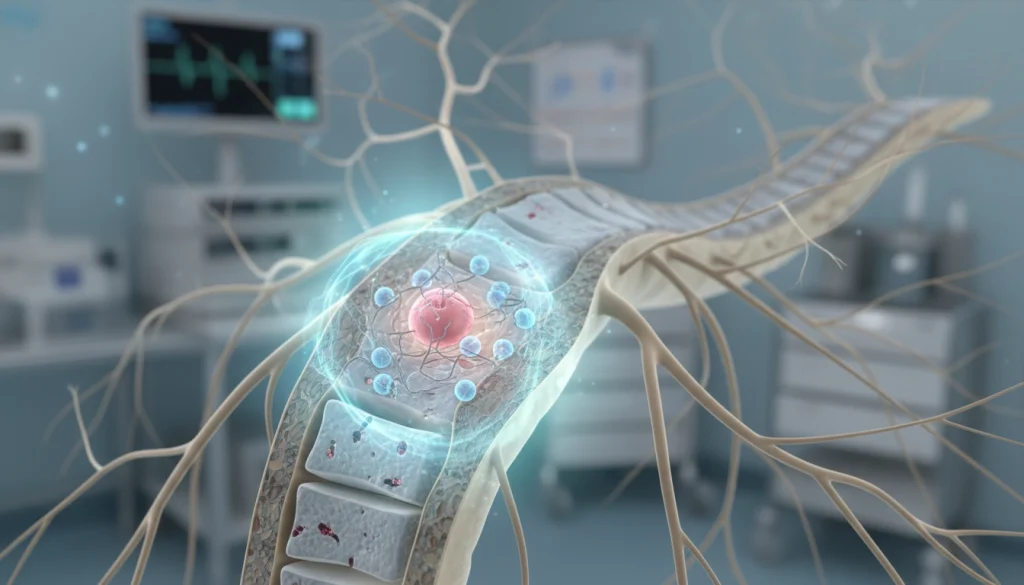
Treatment Snapshot
This guide aims to help you understand Flaccid Myelitis, a rare but serious condition. We want to give you clear, reliable information. This way, you and your family can feel more confident in your healthcare journey.
We make complex medical terms easy to understand. Our goal is to make you feel more at ease. We believe that when you know more, you can work better with your doctors.
Key Takeaways
- This guide offers evidence-based insights into a rare neurological condition.
- We prioritize clear, accessible language to help demystify complex medical terms.
- Empowering patients and families remains our primary mission for better health outcomes.
- Informed individuals can make more confident decisions alongside their healthcare providers.
- Our approach balances clinical expertise with a supportive, patient-centered perspective.
Understanding the Clinical Definition of Flaccid Myelitis
To understand Flaccid Myelitis, we need to look at the specific parts of the brain it affects. This rare condition mainly hits the central nervous system. It causes sudden changes in how we move and function physically.
Defining Acute Flaccid Myelitis
The term acute means symptoms come on fast. People often lose muscle tone quickly, which can affect one or more limbs. This fast change is a key sign of Flaccid Myelitis and needs quick medical help.
Doctors look for certain signs to spot this condition. These signs include:
- Sudden weakness or paralysis in limbs.
- Loss of deep tendon reflexes in affected areas.
- Significant changes in muscle tone, making limbs feel limp.
- Rapid symptom progression over hours to days.
The Neurological Impact on the Spinal Cord
Flaccid Myelitis mainly attacks the gray matter in the spinal cord. This area is key for motor neurons to work right. Motor neurons send signals from the brain to muscles.
When these neurons get damaged, the signals stop. This is why patients feel such strong muscle weakness. Without the signals, muscles can’t move or contract. Knowing this helps doctors help patients recover and manage long-term effects.
Epidemiology and Historical Context in the United States
The story of Flaccid Myelitis in the United States is marked by clear patterns. Public health experts keep a close eye on these patterns. By looking at historical data, we understand how this condition spreads.
This helps us get ready for more cases and improve our response. It’s all about being prepared and proactive.
Tracking Outbreaks and Seasonal Patterns
Since Flaccid Myelitis was first found, we’ve seen a pattern every two years. These outbreaks usually happen in late summer and early fall. This matches when certain viruses are most active.
We track these trends by getting reports from doctors all over the country. This is key to understanding the condition’s spread.
Public health looks at several important signs to track the condition:
- Where cases are happening.
- When they happen, matching with virus cycles.
- How symptoms are the same in different places.
- Confirming the viruses linked to it.
Demographic Trends Among Pediatric Populations
Flaccid Myelitis mostly hits young people. We’re still trying to figure out why kids are more at risk. But we know they are the main group affected.
This means we need to focus more on kids’ health and early treatment. It’s all about helping our youngest patients.
By understanding why kids get it more, we can make our help better. We keep studying these trends to support families and kids early on. This way, we can help keep our youngest patients healthy.
The Biological Mechanisms Behind Flaccid Myelitis
Looking into Flaccid Myelitis shows how viruses and our immune system interact. We want to make these complex processes easy to understand. This way, you can see how sudden symptoms appear.
By studying how our body reacts, we learn why Flaccid Myelitis affects the nervous system. It’s a specific way the condition impacts us.
Viral Pathogens and Immune Response
Many cases of Flaccid Myelitis start with viral infections. These infections cause inflammation in the body. The immune system tries to fight off the viruses but can sometimes harm healthy tissues.
This harm is often due to an overactive or misdirected immune response. When the body meets certain viruses, inflammation can reach the spinal cord. This swelling disrupts the signals between the brain and the rest of the body.
Understanding this is crucial for figuring out how Flaccid Myelitis starts in some people.
How Enteroviruses Affect Motor Neurons
Enteroviruses are often the main cause of Flaccid Myelitis. They target the gray matter of the spinal cord, where motor neurons are. These nerve cells control muscle movements.
When these neurons get infected, they can’t send signals well. This leads to muscle weakness or loss of tone. Protecting these delicate pathways is a key area of research.
Recognizing Early Warning Signs and Symptoms
Spotting the early signs of Flaccid Myelitis is crucial for timely care. This condition hits the nervous system fast, needing quick medical help. Keep an eye out for sudden changes in how well your body moves or muscle strength.
Sudden Onset of Limb Weakness
Flaccid Myelitis often starts with sudden muscle weakness in limbs. You might feel your arm or leg is too heavy to move. This weakness can grow fast, sometimes in just hours or days.
The affected limb might look limp or “floppy.” You’ll also notice a lack of reflexes in that area. Quickly noticing these changes is key for a correct diagnosis.
Cranial Nerve Dysfunction and Bulbar Symptoms
The condition can also affect the brain’s nerves, causing bulbar symptoms. These symptoms affect muscles controlled by the brainstem. Patients may find it hard to do everyday tasks.
Signs of cranial nerve problems include:
- Facial drooping or uneven smiles.
- Hard time swallowing or choking on liquids.
- Speech that’s slurred or a voice that sounds different.
- Droopy eyelids or trouble moving the eyes.
Identifying Respiratory Distress Indicators
In some cases, Flaccid Myelitis can weaken breathing muscles. This is a serious emergency that needs fast action. Watch for signs of trouble breathing, as they can get worse quickly.
Look out for these emergency signs:
- Feeling short of breath or breathing too fast.
- Using neck or chest muscles to breathe.
- Seeing a bluish color around the lips or fingernails.
- Feeling very tired or weak from trying to breathe.
If you see any of these signs, get emergency help right away. Catching it early is the best way to manage this condition.
Diagnostic Procedures and Clinical Evaluation
Diagnosing Flaccid Myelitis involves advanced imaging and lab tests. Symptoms can look like other conditions, so we use a careful method to get it right. Early detection is key to creating a good care plan for each patient.
Magnetic Resonance Imaging Techniques
MRI is our main tool for seeing the spinal cord. We look for signs of inflammation in the gray matter. These clear images help us find the exact spots affected.
Cerebrospinal Fluid Analysis and Findings
Testing cerebrospinal fluid (CSF) is crucial. A lumbar puncture lets us check for infection or inflammation. This helps us make sure Flaccid Myelitis is the right diagnosis.
Electromyography and Nerve Conduction Studies
EMG and nerve studies help us understand nerve and muscle function. They show how well nerves send signals and muscles work. This helps us see how bad the weakness is and how it changes over time.
| Diagnostic Tool | Primary Purpose | Clinical Insight |
|---|---|---|
| MRI Scan | Visualize spinal cord | Detects gray matter lesions |
| CSF Analysis | Examine spinal fluid | Rules out other infections |
| EMG/Nerve Study | Assess electrical signals | Evaluates motor neuron health |
Differential Diagnosis and Distinguishing Similar Conditions
Finding the cause of sudden muscle weakness is a big challenge for doctors. Many neurological disorders have similar symptoms. So, doctors must do a detailed check to confirm if a patient has Flaccid Myelitis. This ensures patients get the right treatment fast.
Comparing Against Guillain-Barre Syndrome
Guillain-Barre Syndrome (GBS) is often checked first because it also causes muscle weakness quickly. But, GBS starts with weakness in the feet and moves up. Flaccid Myelitis often has uneven weakness, with one limb being much weaker than the other.
GBS mainly affects the nerves, while Flaccid Myelitis targets the spinal cord’s gray matter. Tests like nerve conduction studies help doctors see these differences. These differences are key to figuring out the right treatment.
Distinguishing from Transverse Myelitis
Transverse Myelitis causes inflammation across the spinal cord, leading to sensory loss and bladder problems. Flaccid Myelitis also affects the spinal cord but mainly hurts the motor neurons. Patients with this condition often lose muscle tone suddenly without the sensory problems seen in other spinal disorders.
The table below shows the main differences that help doctors tell these conditions apart:
| Condition | Primary Site of Injury | Symptom Pattern | Sensory Involvement |
|---|---|---|---|
| Flaccid Myelitis | Spinal Cord Gray Matter | Asymmetrical Weakness | Rare |
| Guillain-Barre Syndrome | Peripheral Nerves | Ascending Paralysis | Common |
| Transverse Myelitis | Spinal Cord (Full Width) | Bilateral Weakness | Frequent |
Doctors use advanced imaging and careful observation to tell these conditions apart. Knowing these details helps them give better care and plan for recovery.
Current Treatment Modalities and Therapeutic Approaches
We focus on treating Flaccid Myelitis by fighting inflammation in the spinal cord. Symptoms can come on fast, so we aim to keep the patient stable and prevent more damage. We try to calm down the immune system to help the body heal.
Intravenous Immunoglobulin and Corticosteroids
Doctors often start with intravenous immunoglobulin (IVIG) and corticosteroids. These drugs help control the immune system when it gets too active. This can reduce swelling in nerves and protect them from more harm during the early stages of Flaccid Myelitis.
Patients on these treatments are watched closely for any changes in their condition. While these treatments are common, how well they work can depend on when they’re given and how severe the symptoms are. We try to start treatment early to help the patient recover better.
The Role of Plasma Exchange in Acute Care
In some cases, we suggest plasma exchange, or plasmapheresis. This process filters the blood to remove harmful antibodies attacking the nervous system. By removing these antibodies, we can lessen the damage caused by the immune system in Flaccid Myelitis.
This treatment is part of a bigger plan to help the body through the worst of the illness. Our teams work together to make sure each treatment fits the patient’s needs. Here are the main goals of these treatments:
- Lowering inflammation in the spinal cord.
- Removing antibodies that harm nerves.
- Keeping the patient stable to prevent more motor function loss.
- Setting the stage for later rehabilitation.
The Importance of Early Physical and Occupational Therapy
Physical and occupational therapy are key to getting movement back for those with Flaccid Myelitis. Starting these therapies early can greatly improve recovery chances. Therapists and families work together to make a recovery plan that fits each person.
Restoring Motor Function Through Targeted Exercises
Exercises are made to strengthen weak muscles and help the nervous system. Therapists focus on specific muscles to help patients regain control and build strength. Consistency is key as it helps the brain and muscles work better together.
Our rehabilitation goals are clear to ensure progress:
- Improving range of motion in affected limbs.
- Increasing muscle endurance through low-impact resistance training.
- Enhancing coordination and balance to prevent falls.
- Reducing the risk of muscle atrophy through daily activity.
Adaptive Equipment and Long-term Mobility Support
Adaptive equipment is crucial for those recovering from Flaccid Myelitis. It helps them stay independent. We choose the right tools for each patient’s needs.
For long-term support, we use bracing, orthotics, and assistive technology. These tools help patients do daily tasks at home, school, or work. Early use of these tools helps patients regain their independence and work on their health goals.
Navigating the Long-term Prognosis and Recovery
The journey to recovery from Flaccid Myelitis is not straightforward. It often needs a long-term plan. Each patient’s path is unique, and we aim to help set realistic goals for the future.
Factors Influencing Neurological Recovery
Recovering from a spinal cord injury varies greatly. Some regain a lot of motor function, while others face ongoing weakness. This requires ongoing support.
Getting help early is key to better outcomes. Neuroplasticity, or the brain’s ability to adapt, is crucial for recovery from Flaccid Myelitis.
Managing Chronic Complications and Secondary Health Issues
It’s important to manage complications early to avoid further problems. Regular check-ups help catch issues like joint contractures or breathing problems.
Keeping quality of life high needs a team effort. Early treatment of secondary health issues helps prevent decline. It supports the patient’s overall health.
| Recovery Phase | Primary Focus | Management Goal |
|---|---|---|
| Acute Phase | Stabilization | Preventing further damage |
| Sub-acute Phase | Early Rehabilitation | Improving Flaccid Myelitis symptoms |
| Chronic Phase | Long-term Maintenance | Maximizing functional independence |
Being proactive in long-term care planning is crucial. It helps families adjust to the patient’s evolving needs. We encourage talking openly with your healthcare team to address all aspects of recovery.
The Role of Public Health Surveillance and Research
Keeping our communities safe means we must watch and study rare conditions like Flaccid Myelitis closely. By collecting data regularly, we learn how this condition affects people and find what might cause outbreaks. This work is key to making good health plans for everyone.
Centers for Disease Control and Prevention Monitoring
The Centers for Disease Control and Prevention (CDC) is crucial in tracking Flaccid Myelitis in the U.S. Their work helps spot unusual illness patterns quickly. This helps doctors stay ready for new health dangers.
The CDC uses several ways to keep accurate records, including:
- Standardized reporting protocols for hospitals and clinics.
- Comprehensive analysis of clinical and laboratory data.
- Public awareness campaigns to encourage early reporting of symptoms.
- Collaboration with state health departments to investigate localized outbreaks.
Advancements in Vaccine Development and Prevention
Research into Flaccid Myelitis is a big focus for scientists. Even though there’s no vaccine yet, they’re studying the viruses that cause it. Knowing how these viruses work is a big step toward making vaccines.
Researchers are looking into many ways to lower Flaccid Myelitis cases. They’re working on vaccines for common viruses and better tests for quicker help. With more research, we aim to give families the safety and protection they need.
Psychosocial Support for Patients and Families
Flaccid Myelitis affects more than just the body. It also impacts the mind and emotions of patients and their families. Prioritizing mental well-being is key when facing a rare condition.
Coping with Chronic Neurological Conditions
Life changes from Flaccid Myelitis can be tough. Recognizing these feelings early helps build strength. It’s okay to feel overwhelmed, and talking to therapists or counselors can help.
Healthy coping starts with small goals. Celebrating small wins keeps hope alive. Keeping open about fears and successes helps reduce stress.
Accessing Community Resources and Support Networks
Meeting others with similar experiences is powerful. Support networks offer a place to share and find encouragement. It shows that you’re not alone with Flaccid Myelitis.
Here are ways to connect with support:
- Joining national patient advocacy organizations to stay informed on the latest research.
- Participating in moderated online forums or local support groups for families.
- Utilizing hospital-based social work services to find specialized counseling and financial assistance programs.
- Engaging with peer-mentorship programs that pair newly diagnosed families with experienced mentors.
We think a strong support system is crucial for care. By reaching out, families can find the strength and resources they need.
Ethical Considerations in Pediatric Neurological Care
When a child is diagnosed with Flaccid Myelitis, the journey ahead is complex. Families face tough decisions that shape their child’s future. We aim to offer a balanced approach that respects medical advice and family values.
Informed Consent and Treatment Decision-Making
Informed consent is key in ethical medicine. It’s more than just a signature; it’s ongoing talk between doctors and families. We make sure to explain things clearly, so parents understand the good and bad of treatments.
We want families to ask questions and share their worries. Together, we craft a care plan that puts the child first. This teamwork reduces stress and builds trust in treating Flaccid Myelitis.
Balancing Aggressive Intervention with Quality of Life
Choosing the right level of care is a thoughtful decision. Aggressive treatments might help, but they can also affect a child’s daily life. We help families think about this carefully, balancing hope with what’s best for their child.
The table below shows important things to consider when choosing treatments for kids with neurological issues:
| Decision Factor | Aggressive Approach | Supportive Approach |
|---|---|---|
| Primary Goal | Maximum physical recovery | Comfort and stability |
| Clinical Focus | Intensive rehabilitation | Symptom management |
| Family Impact | High time commitment | Focus on home life |
| Condition Context | Early Flaccid Myelitis | Chronic phase management |
What makes a treatment good is very personal. We help families decide what’s most important to them. This could be regaining skills or keeping their child happy and comfortable. By focusing on what matters most, we make sure care for Flaccid Myelitis prioritizes the child’s well-being.
Future Directions in Managing Flaccid Myelitis
Medical science is always moving forward to help those with Flaccid Myelitis. We keep up with the latest to give our patients the best care. At Acıbadem Healthcare Group, we focus on new ways to improve lives and function.
Scientists are looking into new treatments like antiviral therapies and immune modulators. They want to stop Flaccid Myelitis from harming the nervous system. We think working together will lead to better ways to diagnose and treat it.
By staying updated on neurological research, you help us move forward. If you have questions, don’t hesitate to contact our specialists. Together, we can face this condition with hope and confidence.
FAQ
Q: What exactly is Flaccid Myelitis?
A: Flaccid Myelitis, or Acute Flaccid Myelitis (AFM), is a rare and serious condition. It affects the spinal cord’s gray matter. This leads to sudden muscle weakness and loss of muscle tone.
Q: How does this condition impact the human nervous system?
A: It disrupts communication between the brain and muscles. The motor neurons in the spinal cord are affected. This prevents them from sending signals for movement, causing muscles to appear limp.
Q: Why is Flaccid Myelitis more common in children?
A: The CDC tracks data showing kids are more likely to get it. The exact reason is still being researched. In the U.S., outbreaks often happen in late summer and early fall, when certain viruses are more common.
Q: What are the primary biological causes of Flaccid Myelitis?
A: Viral pathogens, like enteroviruses, are often linked to it. EV-D68 and EV-A71 are common culprits. The body’s immune response might also damage motor neurons while fighting the virus.
Q: What are the early warning signs that require immediate attention?
A: Look out for sudden limb weakness. Also, watch for signs like drooping eyelids, trouble swallowing, or slurred speech. Respiratory distress, like labored breathing, is a medical emergency.
Q: How is Flaccid Myelitis diagnosed by specialists?
A: At Acıbadem Healthcare Group, we use advanced tools. MRI shows inflammation in the spinal cord’s gray matter. We also do cerebrospinal fluid analysis and Electromyography (EMG) to check muscle and nerve activity.
Q: How does Flaccid Myelitis differ from Guillain-Barre Syndrome?
A: Both cause weakness, but they affect different parts of the nervous system. Flaccid Myelitis targets the spinal cord’s gray matter. Guillain-Barre Syndrome affects peripheral nerves. MRI and spinal tap results help us tell them apart.
Q: What acute treatments are currently available?
A: We use Intravenous Immunoglobulin (IVIG) and corticosteroids to manage the initial phase. In some cases, plasma exchange is done to remove harmful antibodies from the blood.
Q: What is the role of physical therapy in recovery?
A: Early physical and occupational therapy is crucial. It helps patients regain motor function through exercises. We also provide guidance on adaptive equipment for those with long-term mobility issues.
Q: What can families expect regarding the long-term prognosis?
A: Recovery is a long journey. Some regain function, while others face chronic weakness. We focus on managing secondary health issues and continuous monitoring for the best outcomes.
Q: Are there vaccines or preventative measures for Flaccid Myelitis?
A: There’s no specific vaccine for the enteroviruses linked to it. We stress the importance of hygiene, like frequent handwashing. We also support research into vaccine development and public health surveillance.
Q: How can families navigate the emotional challenges of this diagnosis?
A: A diagnosis of Flaccid Myelitis is life-changing. We encourage families to seek psychosocial support and connect with community networks. Mental and emotional well-being is a key part of our care plan at Acıbadem Healthcare Group.