

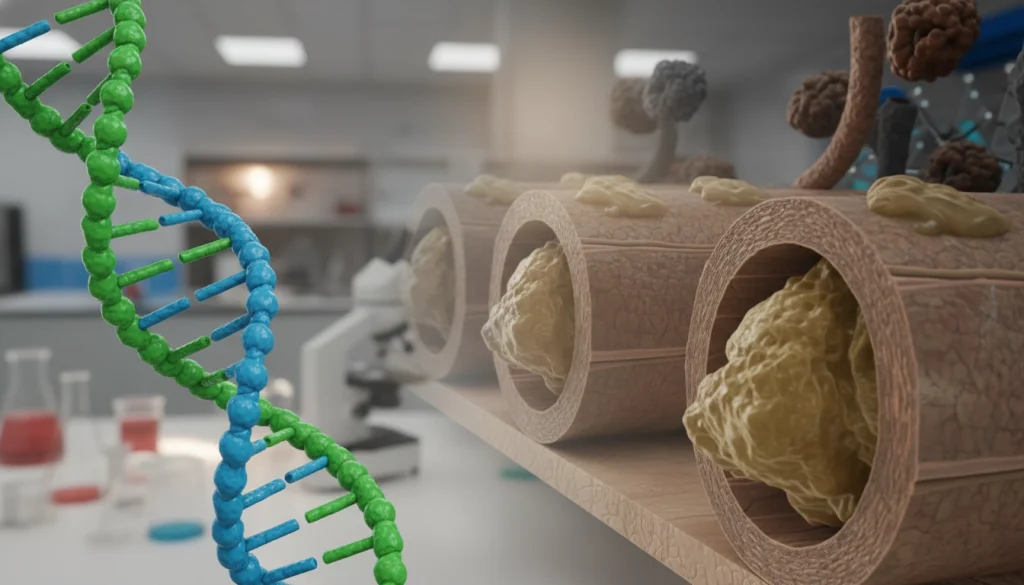
Treatment Snapshot
This guide aims to help you grasp Cystic Fibrosis, a complex genetic condition. It affects the body’s mucus-producing cells. Our goal is to give you clear, accurate health information. This way, patients and their families can face their health journey with confidence.
We aim to explain how this condition affects daily life and long-term health. We are committed to helping you make informed health choices. We offer expert education and caring guidance.
Key Takeaways
- This condition is a genetic disorder impacting mucus-producing cells.
- Understanding the physiological effects helps improve daily management.
- We prioritize clear, medically accurate information for all patients.
- Empowerment comes from knowing how the body functions.
- Our team provides expert guidance to support your health journey.
Understanding the Biological Basis of Cystic Fibrosis
Cystic Fibrosis is a condition that affects how our cells handle salt and water. It’s not just a lung problem; it’s a widespread issue that starts at the cellular level.
The Role of the CFTR Protein
The CFTR protein is like a guard for our cells. It controls how chloride, a part of salt, moves in and out.
When it works right, it keeps salt and water balanced on cell surfaces. This balance is key for healthy, thin mucus in our organs.
Genetic Inheritance Patterns
Cystic Fibrosis is a genetic disorder passed down in an autosomal recessive pattern. This means you need two copies of the mutated gene to have the condition.
If you have only one copy, you’re a carrier. Carriers usually don’t show symptoms but can pass the gene to their kids. Knowing this helps families plan for the future.
How Mutations Affect Cellular Function
CFTR gene mutations can make the protein not work or not reach the cell surface. Without it, salt can’t move, and water balance fails.
This causes thick, sticky mucus that blocks organs like the lungs and pancreas. The table below shows how healthy cells differ from those with CF.
| Feature | Healthy Cellular Function | Cystic Fibrosis Impact |
|---|---|---|
| Salt Movement | Balanced chloride flow | Blocked or absent flow |
| Mucus Consistency | Thin and slippery | Thick and sticky |
| Organ Impact | Clear airways and ducts | Clogged and inflamed |
| Cellular Hydration | Optimal moisture levels | Dehydrated cell surfaces |
Understanding these details helps us see why Cystic Fibrosis needs careful treatment. Every treatment tries to fix these cell problems to improve life quality.
Common Symptoms and Clinical Manifestations
Knowing the signs of Cystic Fibrosis helps families and patients. This disease makes it hard for the body to make thin, flowing secretions. It leads to many challenges that need to be managed well.
Respiratory System Challenges
The lungs are often where the disease’s effects are first seen. Thick, sticky mucus builds up, making it easy for bacteria to grow. This causes ongoing respiratory infections.
These infections can damage the lungs over time. Patients may cough a lot, wheeze, and breathe less efficiently. They need close medical care to manage these issues.
Digestive and Nutritional Impacts
The digestive system also faces big challenges. The blockage of pancreatic ducts makes it hard for the body to digest fats and proteins.
- It’s hard to gain weight even when hungry.
- Stools are often bulky or greasy.
- Abdominal pain and discomfort happen because of poor nutrient absorption.
Managing these issues is key for those with Cystic Fibrosis. The right supplements and diet are crucial to help the body stay healthy.
Sweat Gland Abnormalities
Sweat glands show a unique sign of the disease. People with it often sweat a lot of salt. This is because the body can’t reabsorb chloride properly.
This trait is a key indicator for early diagnosis. Parents might notice a salty taste when kissing their child. This is a clue for doctors to look into further. Spotting these signs early is vital for getting the right care and support.
Diagnostic Procedures and Newborn Screening
Modern medicine has developed precise tools to spot Cystic Fibrosis soon after birth. Early detection is key to managing this condition well. It lets families and doctors start care plans right away. This early action can greatly improve health outcomes over time.
The Sweat Chloride Test
The sweat chloride test is the top choice for diagnosing. It checks the salt in sweat, which is high in Cystic Fibrosis patients.
A technician makes a small area of skin sweat. Then, the sweat is tested in a lab to see if it shows the condition.
Genetic Testing and Carrier Screening
Genetic testing is vital for families planning a baby. It looks at DNA to find CFTR gene mutations that cause Cystic Fibrosis.
It’s suggested for couples planning a family or those with a family history of the disease. Knowing these genetic markers helps parents make informed health choices.
Newborn Screening Programs in the United States
Newborn screening in the U.S. has changed early intervention. Almost every state tests for Cystic Fibrosis in newborns.
These tests take a small blood sample from a heel prick. If it shows high levels of immunoreactive trypsinogen, more tests are needed to confirm and start care.
| Diagnostic Method | Primary Purpose | Clinical Utility |
|---|---|---|
| Sweat Chloride Test | Confirming diagnosis | High sensitivity |
| Genetic Testing | Mutation identification | Carrier status insight |
| Newborn Screening | Early detection | Public health intervention |
| Clinical Evaluation | Symptom assessment | Ongoing monitoring |
The Impact of Cystic Fibrosis on Respiratory Health
We focus on keeping lungs healthy to help patients live better lives with Cystic Fibrosis. Since lungs are at risk, we take early steps to keep them working well for a long time.
Chronic Lung Infections and Inflammation
In people with Cystic Fibrosis, thick mucus in the lungs is a big problem. This mucus traps bacteria, causing infections and inflammation over and over.
This ongoing inflammation can harm the lungs. We aim to stop this cycle early on and keep an eye on lung health closely.
Airway Clearance Techniques
Clearing the airways is key every day. These methods help move mucus out, making it easier to breathe and less likely to get sick.
Some common ways include:
- High-frequency chest wall oscillation vests.
- Positive expiratory pressure (PEP) therapy devices.
- Manual chest physiotherapy done by trained helpers.
Managing Bronchiectasis
Bronchiectasis happens when airways get damaged and stay wide due to long-term inflammation. This makes it tough to get rid of mucus, so we need a detailed care plan.
We aim to lessen damage by cutting down inflammation and stopping infections. By sticking to a daily routine, patients can protect their lungs and breathe better with Cystic Fibrosis.
Nutritional Management and Digestive Support
Proper diet is key for lung health and strength in Cystic Fibrosis patients. The pancreas often can’t release digestive enzymes. This makes it hard for the body to absorb nutrients from food. We focus on giving each patient the right nutrition to help them do well.
Pancreatic Enzyme Replacement Therapy
Pancreatic Enzyme Replacement Therapy, or PERT, helps mimic digestion. It includes enzymes for breaking down fats, proteins, and carbs.
By taking these enzymes with meals and snacks, Cystic Fibrosis patients can better absorb nutrients. This is crucial for staying healthy and fighting off lung problems.
Nutritional Requirements and High-Calorie Diets
People with this condition burn energy quickly. We suggest a diet rich in calories, fat, and protein to meet their needs.
- Eat foods like avocados, nuts, and healthy oils that are full of nutrients.
- Have snacks often to keep energy levels up all day.
- Check growth and weight with a dietitian to make sure you’re getting enough.
Managing Distal Intestinal Obstruction Syndrome
Distal Intestinal Obstruction Syndrome, or DIOS, is when the intestines get blocked by thick stool. We use hydration, fiber, and stool softeners to help.
Spotting symptoms like pain or bloating early is important. It helps avoid serious problems. Keeping the digestive system stable lets patients enjoy their daily life without pain.
| Nutritional Strategy | Primary Goal | Implementation Method |
|---|---|---|
| Enzyme Therapy | Nutrient Absorption | Taken with all meals |
| High-Calorie Diet | Energy Balance | Frequent, dense snacks |
| Hydration Support | Intestinal Health | Consistent fluid intake |
| Cystic Fibrosis Care | Overall Stability | Multidisciplinary monitoring |
Current Pharmacological Treatments
Thanks to new medicines, we can tackle the core issues of Cystic Fibrosis. These treatments aim at the genetic problems, making life better for those with the disease. They work together to keep health stable and prevent harm.
CFTR Modulator Therapies
These new drugs are a big step forward in treating the disease. They fix the faulty protein, helping salt and water move right. This is key for healthy airways.
These drugs help keep airways moist and mucus thin. This means fewer lung problems and better lung health over time.
Antibiotics for Chronic Infection Control
Patients often face lung infections because bacteria get trapped. We use special antibiotics to fight these infections and lower inflammation.
These medicines can be given in different ways to reach the lungs well. Common methods include:
- Inhaled nebulized solutions for direct airway delivery.
- Oral tablets for systemic coverage.
- Intravenous therapy during acute flare-ups of Cystic Fibrosis.
Mucolytics and Bronchodilators
It’s crucial to manage mucus for good lung health. Mucolytics break down thick mucus, making it easier to cough out or clear through therapy.
We also use bronchodilators to relax airway muscles. This keeps airways open, making breathing easier. These treatments help patients with Cystic Fibrosis stay well for a long time.
The Role of Physical Therapy and Exercise
Movement is like medicine for your lungs and airways. For those with Cystic Fibrosis, staying active is key to keeping fit and healthy.
We suggest a mix of activities that fit your health needs. Being active regularly helps you stay well in the long run.
Benefits of Aerobic Activity for Lung Function
Aerobic exercises boost lung capacity and clear mucus from airways. Activities like swimming, brisk walking, or cycling increase heart rate and breathing.
This boosts ventilation, helping to clear lung secretions. Regular cardio also makes breathing easier and less strained.
Chest Physiotherapy Methods
Specific chest physiotherapy is crucial for better breathing. These methods help loosen and clear mucus through coughing.
Techniques like postural drainage use gravity to drain mucus. Percussion or vibration by a therapist helps dislodge stuck secretions. PEP devices also help keep airways open during exhalation.
Integrating Exercise into Daily Routines
It’s important to make movement a part of your daily life. Start with small, achievable goals that you can grow into over time.
Being consistent is more important than how hard you exercise when starting. Every bit of movement helps manage Cystic Fibrosis.
| Activity Type | Primary Benefit | Frequency Recommendation |
|---|---|---|
| Aerobic Exercise | Improves lung capacity | 3-5 times per week |
| Chest Physiotherapy | Clears airway mucus | Daily as prescribed |
| Strength Training | Supports posture/breathing | 2 times per week |
| Stretching/Yoga | Enhances chest wall mobility | Daily or as needed |
Always talk to your healthcare team before starting a new exercise plan. Combining targeted physiotherapy with regular activity can greatly improve your life and lung function.
Managing Complications and Secondary Conditions
Managing secondary conditions is key for those with Cystic Fibrosis. Medical progress lets patients live longer, so we watch the whole body for problems. Proactive care is crucial for a good quality of life.
Cystic Fibrosis-Related Diabetes
Cystic Fibrosis-related diabetes (CFRD) is different from Type 1 and Type 2 diabetes. It happens when thick mucus harms the pancreas, making it hard to control blood sugar.
CFRD is not linked to obesity like other diabetes types. We start screening for it in teens to spot early signs. Early treatment keeps energy up and supports health.
Liver Disease and Gallbladder Issues
The liver and gallbladder can get affected by Cystic Fibrosis’s thick secretions. These blockages can cause liver inflammation or scarring over time.
- Regular blood tests to monitor liver enzyme levels.
- Abdominal ultrasounds to check for gallbladder stones or sludge.
- Prompt reporting of jaundice or persistent abdominal pain to your care team.
Bone Health and Osteoporosis Prevention
Keeping bones strong is vital for long-term health. People with Cystic Fibrosis are at risk for low bone density and osteoporosis due to poor nutrition and chronic inflammation.
We stress the need for weight-bearing exercises and enough calcium and Vitamin D. Regular bone density scans, or DEXA scans, help spot risks early. This way, we can protect bones and ensure mobility for years to come.
Psychosocial Aspects and Mental Health Support
We know that a patient’s emotional health is key to their care. Living with Cystic Fibrosis brings big emotional and social changes for patients and their families. It’s as important as treating the physical symptoms.
Coping with Chronic Illness
Dealing with treatment every day can feel too much. It’s crucial to find ways to stay positive and strong. We suggest setting small, achievable goals to lower stress and avoid burnout.
Mindfulness and counseling are great tools for managing Cystic Fibrosis. Remember, asking for help is brave, not weak. Talking openly with your healthcare team about your mental health can improve your care.
Support Systems for Families and Caregivers
Caregivers are key in a patient’s health journey but face their own challenges. Having a strong support network is essential for caring consistently. Joining local or online support groups can help you feel connected and understood.
It’s important for families to talk openly to feel supported. When caregivers look after their mental health, they can better support their loved ones. We’re here to help with your mental wellbeing at every stage of life.
Transitioning from Pediatric to Adult Care
Switching from pediatric to adult care is a big step for young adults. It means becoming more independent and managing Cystic Fibrosis on your own. We help patients feel ready to handle their medical needs and schedules.
Learning these skills early helps young adults feel in control of their health. Our team guides you through this transition. Embracing this new chapter is a big step towards a full and empowered life.
Advancements in Research and Gene Therapy
We are seeing big changes in treating Cystic Fibrosis through new research. Doctors are now focusing on the genetic causes of this disease. This brings renewed hope for those looking for lasting solutions.
The Future of mRNA Therapeutics
Messenger RNA (mRNA) technology is a big step forward in medicine. It sends genetic instructions to cells. This helps the body make proteins it’s missing due to Cystic Fibrosis.
This method is exciting because it doesn’t change the patient’s DNA forever. It’s a temporary fix that can be repeated. Scientists are working on making sure these treatments get to the lungs right.
Gene Editing and CRISPR Potential
Gene editing tools like CRISPR-Cas9 are making big waves in genetic diseases. They can cut out the bad genes causing Cystic Fibrosis. This could fix the problem at its source.
- Precision targeting of faulty genetic sequences.
- Potential for permanent correction of the underlying defect.
- Ongoing studies to ensure safety and minimize off-target effects.
This technology is still in its early days, but it’s inspiring. We’re keeping a close eye on it as it moves towards being used in people.
Clinical Trials and Patient Participation
Clinical trials are key to turning new discoveries into treatments. Patients are essential to this process. Without them, new treatments wouldn’t be possible.
By joining a clinical trial, patients help us learn how new treatments work. We urge everyone to talk to their doctors about these options. They might be right for their health journey.
Daily Life and Infection Prevention Strategies
Managing your daily routine while protecting your lungs is key to living well with Cystic Fibrosis. Your environment greatly affects your health. Small, consistent steps can make a big difference in your long-term wellness. By adding smart habits to your day, you can stay independent and reduce harmful bacteria exposure.
Hygiene Practices and Cross-Infection Risks
People with Cystic Fibrosis have lungs that are very sensitive to germs. Keeping clean is the best way to avoid getting sick in public. Here are some important habits to keep your lungs healthy:
- Wash your hands often with soap and water for at least twenty seconds.
- Use an alcohol-based hand sanitizer when soap is not available.
- Stay at least six feet away from people who look sick.
- Avoid touching your face, especially your eyes, nose, and mouth, in public.
Navigating School and Workplace Environments
Doing well in school or work needs clear communication and planning. You can ask for changes that help your health, like clean air or breaks for treatments. Being open about your Cystic Fibrosis helps others create a safer, more supportive place for you.
Work with your HR or school admin to make a plan that meets your health needs and goals. Having a clean, well-ventilated workspace can lower your daily risks. Remember, your health is the base for your success in all areas of life.
Travel Considerations for Patients
Traveling with Cystic Fibrosis is doable with the right planning. Make a travel kit with all your meds, nebulizers, and medical records. Always check with airlines or transport providers about medical equipment and liquids policies.
Planning ahead lets you enjoy your trips without worry. Find the nearest medical center at your destination before you go. Being organized and informed helps you focus on the fun of your journey, not the care details.
The Multidisciplinary Care Team Approach
Getting the best care for Cystic Fibrosis means working together. A team of experts focuses on all parts of your health. They make a plan that meets your needs now and in the future.
The Role of Pulmonologists and Dietitians
Pulmonologists lead your care team. They handle the breathing problems that come with this disease. They keep an eye on your lungs and adjust treatments to help you breathe better.
Dietitians are key in managing nutrition. They help you eat enough calories and take the right amount of enzymes. This is crucial for your growth and energy.
Coordinating Care with Specialized Centers
Getting care at a specialized center is a good idea. These places have the latest treatments and research. It helps your team work together better, avoiding mistakes.
| Specialist | Primary Responsibility | Frequency of Interaction |
|---|---|---|
| Pulmonologist | Lung health and infection control | Quarterly or as needed |
| Registered Dietitian | Nutritional support and enzyme dosing | Regularly during check-ups |
| Physical Therapist | Airway clearance and exercise plans | As part of daily routine |
| Social Worker | Mental health and resource navigation | During life transitions |
Empowering Patients in Shared Decision-Making
Your opinion is crucial in your healthcare. We want you to be involved in making decisions. This way, treatments fit your goals.
This teamwork makes you feel in control of your health. By sharing your wishes, your team can tailor care to your life. We work together to improve your health and life quality.
Empowering Patients Through Informed Health Decisions
Managing your health means knowing your body and the tools you have. Learning about Cystic Fibrosis helps you speak up for what you need.
Knowledge is your biggest strength in managing long-term care. We think informed patients get better health results by taking part in their care. You’re a key part of your medical team.
At Acıbadem Healthcare Group, we’re here to help you with top-notch resources. We want to help you live a full life, even with Cystic Fibrosis challenges.
Keep looking for trustworthy info and talk openly with your doctors. Your drive to learn ensures you get the best care at every life stage.
FAQ
Q: What is the primary cause of Cystic Fibrosis?
A: Cystic Fibrosis is caused by a genetic mutation in the CFTR gene. This gene helps control salt and water in cells. Without it, mucus builds up, clogging organs like the lungs and pancreas.
Q: How do healthcare providers confirm a diagnosis of Cystic Fibrosis?
A: At Acıbadem Healthcare Group, we use several tests to diagnose Cystic Fibrosis. The sweat chloride test is the most reliable. It checks for high salt levels in sweat. Newborn screening and genetic tests also help find the condition early.
Q: What are CFTR modulator therapies and how do they work?
A: CFTR modulators are a new type of treatment. They help the CFTR protein work better in cells. This can improve lung function and quality of life for some patients.
Q: Why is nutritional management so important for patients?
A: Many with Cystic Fibrosis have trouble digesting food because of mucus. We use Pancreatic Enzyme Replacement Therapy (PERT) to help. A high-calorie diet is also recommended to keep strength up.
Q: How does the condition affect the respiratory system long-term?
A: Mucus buildup leads to lung infections and inflammation. Over time, this can cause bronchiectasis. We use airway clearance, mucolytics, and inhaled antibiotics to manage this.
Q: What are the benefits of exercise for someone with Cystic Fibrosis?
A: Exercise is key for respiratory care. Aerobic exercise boosts lung capacity and helps clear mucus. Regular exercise also supports heart health and lung function.
Q: What is Cystic Fibrosis-Related Diabetes (CFRD)?
A: CFRD is a diabetes type that affects people with Cystic Fibrosis. It happens when the pancreas is scarred and can’t make enough insulin. We screen for it regularly to manage it effectively.
Q: How can patients minimize the risk of lung infections in daily life?
A: Preventing infections is crucial for those with Cystic Fibrosis. We teach good hygiene and how to avoid infections in public. We also give advice for safe travel and work environments.
Q: What role does a multidisciplinary care team play in treatment?
A: A team approach is vital for managing Cystic Fibrosis. Our team includes doctors, dietitians, and mental health professionals. This ensures all aspects of health are well-managed.
Q: Are there new treatments on the horizon for Cystic Fibrosis?
A: Molecular medicine is advancing fast. Research focuses on mRNA therapeutics and gene editing like CRISPR. We encourage patients to join clinical trials for these promising treatments.