

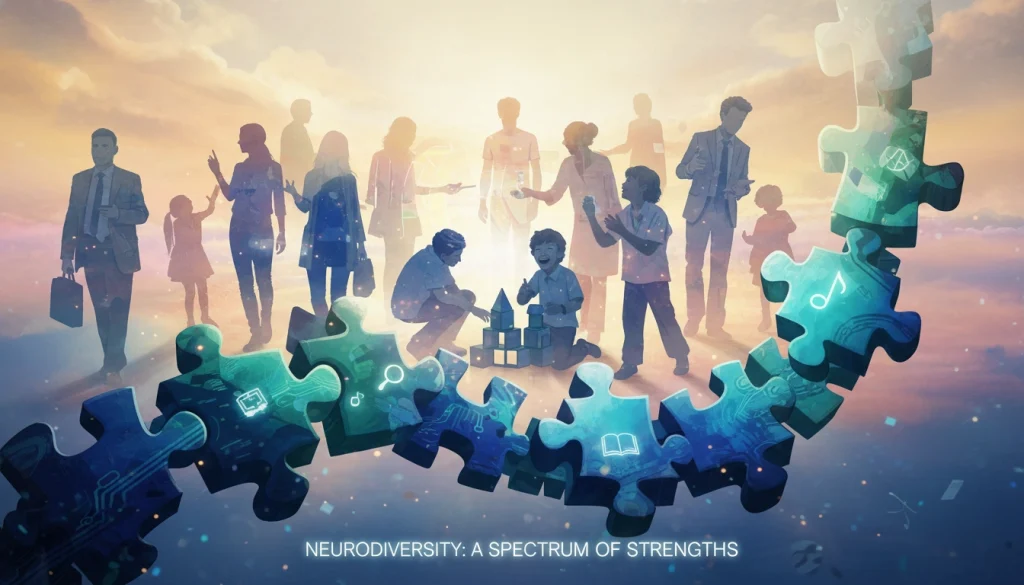
Treatment Snapshot
Dealing with Autism Spectrum Disorders can be tough for families. We’ve created this guide to help you grasp these conditions. We aim to share clear, evidence-based info to support your health journey.
We think knowing is key to managing these conditions well. By helping patients and their families, we want to enhance life quality for those on the spectrum. Making informed choices is crucial for better health, and we’re here to help you.
Key Takeaways
- Understanding these conditions is vital for effective support.
- Evidence-based info helps families make confident health decisions.
- Early knowledge leads to better long-term management and life quality.
- Our approach combines clinical expertise with deep, patient-centered compassion.
- We aim to make complex medical concepts simple for your peace of mind.
Defining Autism Spectrum Disorders
Autism Spectrum Disorders cover a wide range of experiences, not just one condition. These conditions affect how people process information, interact, and see their world. We see them as a broad range of human experiences.
The Spectrum Concept Explained
The term spectrum is key because it shows each person has unique strengths and needs. Some need a lot of help every day, while others are very independent. This means care must be tailored to each person’s needs.
Here’s a table to help families see how different areas can vary:
| Developmental Domain | Potential Strength | Common Challenge |
|---|---|---|
| Social Interaction | Deep focus on shared interests | Interpreting non-verbal cues |
| Communication | High precision in language | Understanding figurative speech |
| Sensory Processing | Heightened attention to detail | Overstimulation from environment |
| Cognitive Style | Exceptional pattern recognition | Adapting to sudden changes |
Core Diagnostic Criteria
Doctors use specific markers to diagnose Autism Spectrum Disorders. They look at two main areas. First, they check for persistent problems in social communication and interaction.
Second, they look for repetitive behaviors or interests. These can show up in different ways, like:
- Stereotyped or repetitive motor movements or use of objects.
- Insistence on sameness and inflexible adherence to routines.
- Highly restricted, fixated interests that are abnormal in intensity.
- Hyper- or hypo-reactivity to sensory input in the environment.
By identifying these traits, we can better support individuals. Early recognition allows for more effective, tailored interventions that respect each person’s neurodiversity.
Early Signs and Developmental Milestones
Spotting small changes in a child’s behavior is key to understanding their needs. Parents and caregivers should watch how kids act around others and their surroundings. This helps spot early signs of Autism Spectrum Disorders.
Social Communication Red Flags
Social communication is about sharing thoughts and feelings with others. Some kids might have trouble with this, like not making eye contact or not responding when called. These signs can show a child might see social cues differently.
Another important sign is not sharing attention with others. For example, a child might not show a toy to a parent. Spotting these signs early helps support them better.
Repetitive Behaviors and Restricted Interests
Children often repeat actions or have strong interests. While some kids like routines, those with Autism Spectrum Disorders might get upset if these are changed. This could be lining up toys or repeating phrases.
They might also be very sensitive to sounds, textures, or lights. These behaviors help them cope with a world that feels too much. Knowing these helps create a supportive space.
The Importance of Early Screening
Early screening is crucial for getting the right help and resources. Finding developmental differences early means kids can get support that improves their future. We believe early help lets kids reach their full potential.
| Developmental Area | Typical Milestone | Potential Red Flag |
|---|---|---|
| Social Interaction | Responds to name | Does not turn when called |
| Communication | Uses gestures to point | Rarely uses pointing to show |
| Play Patterns | Engages in pretend play | Focuses on parts of toys |
| Emotional Regulation | Seeks comfort from others | Prefers solitary play consistently |
Professional evaluations offer clarity and help families understand Autism Spectrum Disorders. We suggest regular check-ups with pediatricians. Early action is the best way to ensure success.
The Diagnostic Process in the United States
The journey to diagnose Autism Spectrum Disorders can be tough for parents. It’s filled with steps that need patience and a clear plan. Knowing what to expect can help families feel more in control.
The Role of Pediatricians and Specialists
Your child’s pediatrician is usually the first stop. They watch for developmental signs and do initial checks. If they see something that worries them, they’ll send you to a team of experts.
This team includes doctors who specialize in child development, neurologists, and psychologists. They work together to look at how your child acts and talks. Their skills help make sure the diagnosis is right and complete.
Standardized Assessment Tools
Doctors use special tools to check for certain behaviors. These tools help them see how your child interacts and communicates. The Autism Diagnostic Observation Schedule (ADOS-2) and the Autism Diagnostic Interview-Revised (ADI-R) are two common ones.
These tools are more than just lists. They’re detailed ways for experts to understand Autism Spectrum Disorders in each person. This information is key for making a support plan that fits your child.
| Specialist | Primary Focus | Diagnostic Contribution |
|---|---|---|
| Pediatrician | General Health | Initial screening and referrals |
| Psychologist | Behavioral Analysis | Cognitive and social testing |
| Neurologist | Brain Function | Ruling out physical conditions |
Navigating Insurance and Healthcare Systems
Dealing with insurance can be hard. Keep all your records and reports in order. Most insurance in the U.S. needs a formal diagnosis to cover therapy.
If you’re unsure about your insurance, call your case manager. Knowing your policy helps make sure you get the support your child needs. Remember, you’re a big part of your child’s care team, and your efforts matter a lot.
Understanding the Biological and Environmental Factors
Scientists are still learning about how biology and environment mix to shape Autism Spectrum Disorders. There’s no single cause, but research shows a mix of factors affects brain growth. Knowing this helps families understand their journey better.
Genetic Contributions and Heritability
Genetics are key in these conditions. Twin and family studies show some genes can raise the risk of a diagnosis. These genes affect how brain cells talk to each other.
Having a genetic risk doesn’t mean you’ll definitely get diagnosed. It’s like a complex blueprint that interacts with other factors. Scientists are finding specific genes linked to neurodivergent traits.
Prenatal and Perinatal Influences
The environment before and at birth also matters. Prenatal factors like older parents or health issues during pregnancy are being studied. They might affect fetal development.
Birth complications are also being looked into. While they’re not the only cause, they might play a role in those already at risk. We’re studying these areas to help both mom and baby.
Debunking Common Myths Regarding Causes
It’s important to clear up false information about these conditions. We focus on science to empower families, not scare them. It’s crucial to know what doesn’t cause these differences.
- Vaccines are not linked to these conditions.
- Parenting styles or emotional detachment don’t cause these traits.
- Diet alone doesn’t start these conditions.
We rely on solid, peer-reviewed evidence to move past old theories. Our aim is to give accurate info that supports everyone’s well-being. Talking to medical experts is the best way to address concerns.
Common Co-occurring Conditions
We know that Autism Spectrum Disorders often come with other health issues. This means we need to give our patients a full care plan. We want to help them feel better physically and emotionally.
Anxiety and Mood Disorders
Anxiety is a big problem for many with Autism Spectrum Disorders. It can make people worry a lot, avoid social situations, or feel sick. Finding anxiety early is key to helping them feel better.
Depression can also show up later in life. We check for it to help our patients early. Working together, we can help them face these tough feelings.
Gastrointestinal Issues
Many people with Autism Spectrum Disorders have long-term stomach problems. These can include pain, constipation, or diarrhea. These issues can really affect how they feel every day.
- Chronic abdominal discomfort
- Dietary sensitivities or restrictive eating
- Frequent digestive distress
Fixing these stomach problems can also help with mood and behavior. We team up with experts to take care of their stomach health too.
Sleep Disturbances
People with Autism Spectrum Disorders often have trouble sleeping. This can make it hard to behave and think clearly during the day. Starting a regular bedtime routine is a good first step.
We ask parents and caregivers to keep track of sleep patterns. If simple steps don’t work, we look at medical options. Quality sleep is very important for everyone’s health and growth.
Evidence-Based Therapeutic Interventions
Helping those with Autism Spectrum Disorders needs a careful plan. We use methods proven by research and fit them to each person’s needs. This way, we support independence and better lives.
Applied Behavior Analysis
Applied Behavior Analysis (ABA) is a well-known method for improving behaviors. It uses learning principles to encourage good social actions and skills. Consistency is key, helping build lasting habits.
Experts break down big tasks into smaller steps. This lets people with Autism learn at their own speed. ABA rewards good actions, creating a supportive space for growth.
Speech and Language Therapy
Speech therapy is crucial for communication, a basic human need. Therapists work on verbal and non-verbal skills. They help with vocabulary, social cues, and using tech to share thoughts.
The aim is to help people connect better. Therapy tackles language issues, reducing frustration and boosting social confidence. We believe every voice is important, no matter how it’s expressed.
Occupational Therapy for Daily Living
Occupational therapy helps with everyday skills. It supports self-care and fine motor tasks. This is key for independence and less need for others.
Therapists make plans that fit each person’s needs and abilities. By making daily tasks easier, occupational therapy helps people with Autism succeed at home and in the community. Here’s how these interventions help with different areas:
| Intervention | Primary Focus | Key Benefit |
|---|---|---|
| Applied Behavior Analysis | Behavioral patterns | Skill acquisition |
| Speech Therapy | Communication | Social connection |
| Occupational Therapy | Daily living skills | Increased independence |
Educational Support and Individualized Programs
Education is key for growth and independence for students with Autism Spectrum Disorders. Every learner is unique, with their own strengths and challenges. Structured support helps students reach their academic potential.
Individualized Education Programs
The Individualized Education Program, or IEP, is a roadmap for a student’s education. It’s made by parents, teachers, and specialists working together. It sets goals tailored to the student’s needs, helping them succeed.
These programs change as the student grows. Consistent communication between home and school is crucial. This ensures support for Autism Spectrum Disorders keeps up with the child.
Inclusive Classroom Strategies
Creating an inclusive classroom takes careful planning and a welcoming atmosphere. Teachers use special techniques to make students feel at ease. These strategies help everyone in the classroom.
- Utilizing visual schedules to provide clear expectations for the day.
- Implementing quiet zones to help students manage sensory input.
- Encouraging peer-mediated social interactions to build meaningful connections.
- Breaking complex tasks into smaller, manageable steps to reduce anxiety.
Teachers who focus on these methods create a sense of belonging. This helps students with Autism Spectrum Disorders do well with their peers. It’s all about making learning accessible and understanding.
Transition Planning for Higher Education
As students near the end of high school, planning for the future is key. Transition planning prepares them for college or vocational training. We teach self-advocacy skills so they can ask for help when needed.
This process includes exploring campus resources or workplace accommodations. By setting clear goals, we help students move smoothly from high school to their next step. This way, they feel confident and prepared to achieve their goals.
Navigating Social and Communication Challenges
We believe everyone should have the tools to express themselves and make lasting connections. For those with Autism Spectrum Disorders, social and verbal communication can be tough. Personalized strategies can help bridge these gaps and boost confidence in daily life.
Developing Social Skills in Natural Settings
Traditional therapy often happens in a clinical office. But real growth occurs in the real world. We encourage practicing social skills in places like parks, grocery stores, or community centers.
This approach lets individuals apply what they’ve learned in authentic, unpredictable situations. It’s crucial to provide support that’s flexible and meets the individual’s specific needs. This turns everyday interactions into valuable learning experiences.
Augmentative and Alternative Communication
Communication is a basic human right, no matter how it’s achieved. For those who struggle with verbal speech, Augmentative and Alternative Communication (AAC) devices are a powerful tool. These devices ensure everyone has a voice and can connect with the world.
AAC tools, like picture boards, speech-generating devices, or mobile apps, empower users to fully participate in their communities. We help families find the best AAC options for their loved ones. Learn more about supporting neurodivergent individuals on our dedicated resources page.
Building Meaningful Peer Relationships
Forming friendships is key to the human experience, but it takes patience and understanding. For those with Autism Spectrum Disorders, friendships often start with shared interests and structured groups. These spaces are safe for practicing important social skills like turn-taking and empathy.
We focus on the quality of friendships rather than the quantity. Even a few strong, supportive friendships can greatly improve a person’s sense of belonging. By celebrating neurodiversity, we create a world where everyone feels valued and understood.
Sensory Processing Differences
People with Autism Spectrum Disorders often face a world that feels too much. Their brains handle information differently. Understanding these differences is key to helping them live comfortably.
Hypersensitivity and Hyposensitivity
Those with Autism may react to sensory input in two ways. Hypersensitivity means they’re too sensitive to sounds, lights, or textures. It can make them want to stay away from certain places or activities.
Hyposensitivity is the opposite. They might seek out more stimulation, like deep pressure or loud noises. Finding the right balance is important for their emotional well-being.
| Sensory Type | Common Reaction | Typical Behavior |
|---|---|---|
| Hypersensitivity | Over-stimulated | Covering ears or avoiding bright lights |
| Hyposensitivity | Under-stimulated | Seeking deep pressure or movement |
| Mixed Profile | Fluctuating | Varies based on environment and mood |
Creating Sensory-Friendly Environments
Changing physical spaces can help reduce stress. At home, soft lighting and sound-dampening curtains can create a calm place. These changes can make a big difference.
In public, preparation is crucial. Carrying noise-canceling headphones or fidget tools can help. These small steps can make community activities more enjoyable.
Managing Sensory Overload
Sensory overload happens when the brain can’t handle too much information. It’s important to have a plan for these moments. Identifying early warning signs helps us act fast.
- Move to a quiet, low-stimulation area immediately.
- Use deep pressure techniques, like a weighted blanket, to provide comfort.
- Practice rhythmic breathing to help regulate the nervous system.
- Communicate clearly using simple, calm language to reduce further stress.
By using these strategies, we can make life easier for those with Autism. It’s not about avoiding the world. It’s about finding ways to engage with it comfortably.
Supporting Autistic Adults in the Workplace
We think the work world gets better when we welcome neurodiversity. As more people with Autism Spectrum Disorders join the workforce, companies can create better places for everyone. By seeing that different minds solve problems in unique ways, businesses can tap into great potential.
Reasonable Accommodations and Modifications
Small changes in the office can make a big difference in productivity and comfort. These adjustments help not just those with Autism Spectrum Disorders but the whole team. They make the workspace more welcoming for everyone.
- Providing noise-canceling headphones to manage auditory sensitivities.
- Offering flexible work hours or remote options to reduce sensory fatigue.
- Using written instructions to supplement verbal communication for clarity.
- Creating quiet zones or private spaces for focused, deep work.
Strengths-Based Career Development
By focusing on what each person does well, employees can shine in their roles. Many adults with Autism Spectrum Disorders are detail-oriented, analytical, and dedicated. Managers should help find these talents.
Personalized career paths ensure growth matches an individual’s abilities. This approach boosts confidence and job happiness. It’s a move away from focusing on what’s lacking and towards empowerment.
Promoting Neurodiversity in Corporate Culture
Creating an inclusive culture is more than just policies; it’s about changing how we think. Leaders must highlight the importance of diverse views in their teams. When companies embrace neurodiversity, they create a safe space for authenticity.
Education is key to this change. Training staff on Autism Spectrum Disorders helps reduce stigma and fosters teamwork. A culture that values different thinking is stronger and more innovative for all.
Family Dynamics and Caregiver Well-being
Managing Autism Spectrum Disorders is a family effort that needs everyone’s attention. When a family member gets a diagnosis, everyone has to adjust. We aim to make sure everyone feels understood and supported.
Supporting Siblings of Autistic Individuals
Siblings often feel a mix of emotions, from pride to frustration. It’s important to give them time for their own interests. Talking openly helps them understand their sibling’s world.
Helping siblings find friends who get their family situation is very helpful. Many places offer workshops for siblings. These help them feel less alone and learn how to cope.
Accessing Respite Care and Support Groups
Caregivers often need a break. Respite care is key to keeping a family stable. It lets parents rest and take care of themselves.
Support groups are a great way for families to connect. They share experiences and advice. We suggest checking out local and national resources for support.
- Local community centers offering specialized respite programs.
- National advocacy organizations providing online forums and regional chapters.
- Educational workshops focused on stress management for caregivers.
Prioritizing Mental Health for Parents
Parents’ mental health is crucial for the family’s well-being. Chronic stress can lead to burnout. Counseling helps parents manage stress and stay emotionally strong.
| Support Resource | Primary Benefit | Accessibility |
|---|---|---|
| Respite Care | Temporary relief for caregivers | High |
| Support Groups | Emotional connection and advice | Medium |
| Professional Therapy | Personalized mental health support | High |
Self-care is not selfish; it’s essential for good caregiving. By taking care of their mental health, parents create a better home for their kids. Asking for help shows strength and is a step towards family harmony.
Advances in Research and Future Directions
We are entering a new era in managing Autism Spectrum Disorders. This era is marked by fast innovation and a deeper understanding of individual needs. The care landscape is changing as researchers find new biological insights to improve life quality.
This progress shows a commitment to practices based on evidence. It honors the unique experiences of every person.
Emerging Pharmacological Treatments
Research into Autism Spectrum Disorders is moving toward targeted treatments. Scientists are looking at medications that target specific brain pathways. These efforts aim to offer more precise support for those who may need medical help.
While no single medication treats the core of the condition, new trials focus on co-occurring challenges. These include severe irritability or sleep disturbances. It’s important that these treatments are part of a comprehensive care plan. Collaboration between families and medical professionals is key for safety and effectiveness.
Technological Innovations in Assistive Devices
Technology is bridging communication and sensory gaps for many. We see big advancements in wearable devices that monitor stress markers. These tools empower users by providing real-time data to manage their environment better.
Artificial intelligence is also changing augmentative and alternative communication (AAC) systems. Modern software now offers more intuitive interfaces that adapt to a user’s specific needs. The following table shows how these technological shifts compare to traditional support methods:
| Feature | Traditional Approach | Modern Innovation |
|---|---|---|
| Communication | Static picture boards | AI-driven dynamic apps |
| Sensory Support | Reactive environmental changes | Predictive wearable sensors |
| Data Tracking | Manual paper logs | Automated digital analytics |
The Shift Toward Neurodiversity-Affirming Care
The most significant change is the move toward neurodiversity-affirming care. This approach prioritizes autonomy, dignity, and lived experiences of those with Autism Spectrum Disorders. Clinicians now focus on building on individual strengths and fostering self-advocacy.
- Respecting individual communication styles and sensory needs.
- Valuing the unique perspectives of autistic individuals in research design.
- Promoting environments that accommodate diverse neurological profiles.
We believe that by centering the voices of the community, we create more effective healthcare systems. This shift ensures support is not just about clinical outcomes. It’s about enhancing well-being and independence. Empowerment is the cornerstone of our future direction in supporting the neurodivergent community.
Empowering Individuals Through Comprehensive Care
Dealing with Autism Spectrum Disorders is a big challenge. It needs a strong partnership between families and healthcare providers. We are dedicated to giving caring, evidence-based care that sees the unique potential in every person. Our method combines clinical skills with a deep respect for each person’s needs.
Real empowerment happens when we mix medical knowledge with a supportive community. This helps patients grow and do well in their everyday lives. We urge families to keep looking for more information and resources as they go on this journey.
Acıbadem Healthcare Group is here to help you achieve your goals at every step. We think that making informed choices leads to better results for those with Autism Spectrum Disorders. Contact our specialists to talk about how we can help create a personalized path to a brighter future.
FAQ
Q: What does the “spectrum” in Autism Spectrum Disorders actually mean?
A: The term “spectrum” shows the wide range of challenges and strengths in individuals. At Acıbadem Healthcare Group, we see that people can have different skills. For example, one person might talk well, while another might not speak at all.
Every person has their own unique signs, which means we need to care for them in a way that fits them best.
Q: What are the early social communication red flags parents should look for?
A: Look for signs like not making eye contact or not responding to their name by 12 months. Also, watch for delayed speech. Repetitive actions, like hand-flapping, or being very focused on certain things are other signs.
Spotting these early helps get the right help and support sooner.
Q: How do families navigate the diagnostic process for Autism Spectrum Disorders in the United States?
A: It starts with a pediatrician who might send you to specialists. Places like the Mayo Clinic can help. We guide families through this, using tools like the ADOS-2 and helping with insurance.
Q: What are the known causes of Autism Spectrum Disorders?
A: Research shows it’s a mix of genetics and early life factors. But, we still don’t know all the details. Debunking myths, like no link to vaccines, is important.
Groups like the CDC have done a lot of research to clear up these misconceptions.
Q: Are there other health issues commonly associated with ASD?
A: Yes, many people with ASD also have other health problems. These can include stomach issues, sleep problems, and mood disorders. It’s key to treat these issues to improve overall health and happiness.
Q: What therapeutic interventions are considered evidence-based?
A: We recommend a mix of therapies. This includes ABA for skills, Speech and Language Therapy for talking, and Occupational Therapy for daily tasks. These help each person reach their full potential.
Q: How can we secure appropriate educational support for a student with ASD?
A: In the U.S., we help create an Individualized Education Program (IEP). This ensures the student gets the right classroom help and adjustments. We also focus on planning for their future, like college or vocational training.
Q: What is Augmentative and Alternative Communication (AAC)?
A: AAC helps people who have trouble speaking to communicate. This can be simple picture boards or advanced apps like Proloquo2Go. We use these tools to help everyone have a voice and connect with others.
Q: How can sensory processing differences be managed in daily life?
A: Sensory issues can make things like light, sound, or touch too much. We suggest making environments more friendly. Places like AMC Theatres and Target offer special hours for this.
Q: How can employers better support autistic adults in the workforce?
A: We push for a workplace that values neurodiversity. This means making adjustments like flexible hours or special workspaces. Companies like Microsoft and SAP have programs that celebrate the talents of autistic employees.
Q: Why is caregiver well-being a priority in ASD management?
A: Taking care of a loved one with ASD can be tough. We focus on the mental health of parents and siblings. We encourage families to get respite care and join support groups for help and understanding.
Q: What is neurodiversity-affirming care?
A: This approach values the autonomy and experiences of autistic individuals. At Acıbadem Healthcare Group, we use this approach with new treatments and technology. Our goal is to empower individuals, not “fix” them, by respecting their natural way of interacting.