

Treatment Snapshot
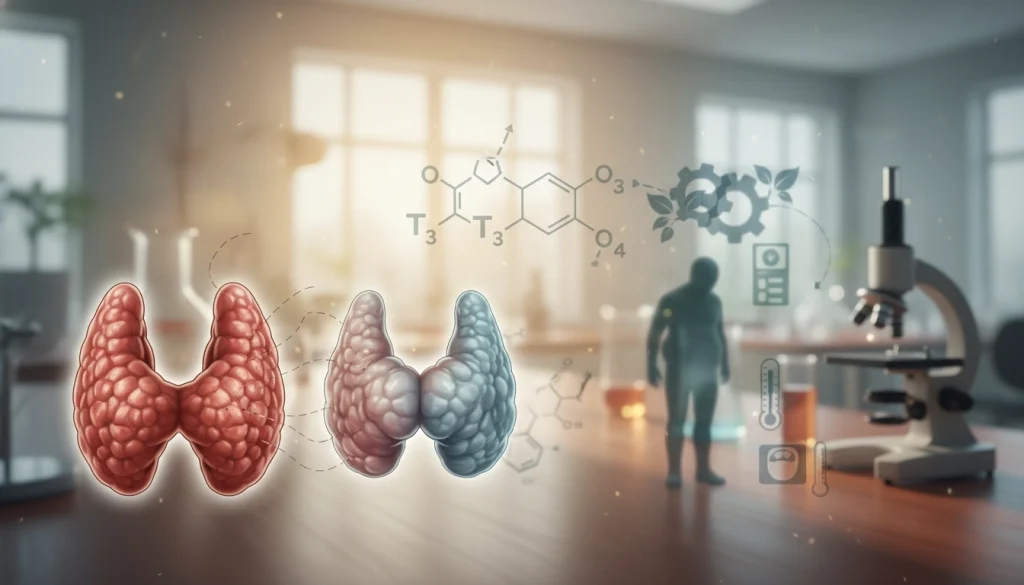
The thyroid gland is a key part of your endocrine system. It’s located at the base of your neck. This small, butterfly-shaped organ makes hormones that control your metabolism, energy, and body temperature.
When it works right, your body stays healthy and balanced. But, hypothyroidism happens when it doesn’t make enough hormones. This can make you feel tired or slow.
Knowing about hypothyroidism is important for your health. Spotting early signs lets you work with your doctor to manage symptoms. Getting professional help is key to feeling better and staying well.
Key Takeaways
- The thyroid gland is essential for regulating your metabolism and energy.
- This condition happens when hormone production falls below your body’s requirements.
- Early recognition of symptoms helps in managing your health more effectively.
- Professional medical guidance is vital for creating a personalized treatment plan.
- Empowerment through education leads to better long-term health outcomes.
Understanding the Thyroid Gland and Its Functions
The thyroid gland is a small, butterfly-shaped organ in your neck. It’s crucial for your health, acting like an internal engine. It controls how your body uses energy. If it doesn’t work right, you might get hypothyroidism, affecting many in the U.S.
The Role of Thyroid Hormones in Metabolism
The thyroid gland makes two main hormones: thyroxine (T4) and triiodothyronine (T3). These hormones travel through your blood to every cell. They help your body burn fuel at the right speed.
These hormones also affect your heart rate and body temperature. When they’re just right, you feel full of energy. But if there’s too little, your body slows down, showing signs of hypothyroidism.
| Hormone | Primary Function | Impact on Body |
|---|---|---|
| T4 (Thyroxine) | Pro-hormone storage | Regulates baseline energy |
| T3 (Triiodothyronine) | Active metabolic driver | Controls cellular activity |
| TSH | Pituitary signal | Stimulates thyroid output |
How the Pituitary Gland Regulates Thyroid Activity
Your body has a fine balance, thanks to a feedback loop. The pituitary gland, at the brain’s base, is like the thyroid’s thermostat. It checks your blood for thyroid hormones.
If it finds too little, it sends Thyroid Stimulating Hormone (TSH). This tells the thyroid to make more hormones. Knowing this helps diagnose hypothyroidism and keeps your body working well.
Defining Hypothyroidism and Its Prevalence in the United States
Understanding hypothyroidism is key for thyroid health in the U.S. It happens when the thyroid gland doesn’t make enough hormones. This affects millions of Americans, making it a common endocrine issue.
Many people don’t get diagnosed because symptoms can be similar to other health issues. We think clear, easy-to-understand information is the first step to better health. Knowing how the condition shows up can help you take charge of your health.
Primary Versus Secondary Hypothyroidism
Doctors divide hypothyroidism into primary and secondary types. Primary hypothyroidism happens when the thyroid gland is damaged. This is often due to autoimmune diseases or past treatments.
Secondary hypothyroidism is rarer and comes from problems outside the thyroid gland. It usually starts with the pituitary gland not sending the right signals. Knowing the difference is crucial for the right diagnosis and treatment.
Subclinical Hypothyroidism Explained
Subclinical hypothyroidism shows a small change in hormone levels that’s not yet a full disease. Your TSH levels might be a bit high, but your T4 levels are still normal.
People with this condition might have mild symptoms or none at all. We watch these levels over time to see if the condition gets worse or stays the same. Here’s a table showing the main differences between these thyroid states:
| Condition Type | Primary Cause | TSH Level | T4 Level |
|---|---|---|---|
| Primary Hypothyroidism | Thyroid gland failure | High | Low |
| Secondary Hypothyroidism | Pituitary dysfunction | Low or Normal | Low |
| Subclinical Hypothyroidism | Early-stage insufficiency | Slightly High | Normal |
Looking at these markers with your doctor can help you understand your test results. Knowing this information lets you ask better questions at your next doctor’s visit. We’re here to help you understand these complex medical findings with confidence.
Common Causes and Risk Factors
Many things can lead to hypothyroidism. This includes mistakes by the immune system and medical treatments. Knowing what causes it helps us find the best care for each person.
Hashimoto’s Thyroiditis and Autoimmune Origins
Hashimoto’s thyroiditis is the main reason for this condition. It happens when the body sees the thyroid as a threat.
This makes the gland inflamed and damaged over time. Eventually, it can’t make enough hormones for the body.
Post-Surgical and Radioactive Iodine Treatment Effects
Medical treatments can also cause hypothyroidism. For example, removing part of the thyroid gland is done for nodules or cancer.
Radioactive iodine therapy treats hyperthyroidism but often makes the gland work too little. This means a person needs hormones for life.
Congenital Hypothyroidism in Infants
Some babies are born without a thyroid gland or with a small one. This is called congenital hypothyroidism. Finding it early is key for their growth and brain development.
In the U.S., newborns are tested for this. Early treatment helps avoid developmental problems later on.
- Autoimmune destruction (Hashimoto’s)
- Surgical removal of the gland
- Radioactive iodine exposure
- Congenital developmental issues
Recognizing the Symptoms of Hypothyroidism
The thyroid gland affects almost every organ in the body. This means the symptoms of hypothyroidism can be quite varied. Many people think these changes are just signs of aging or stress. But it’s important to know how your body signals a hormonal imbalance for your health.
Metabolic and Physical Manifestations
When the thyroid gland doesn’t make enough hormones, your body’s metabolism slows down. This can cause persistent fatigue that doesn’t get better with rest. You might also gain weight easily or feel cold more than usual.
Changes in your skin and hair are common too. People often have dry, itchy skin and hair that’s brittle or thinning. These signs can show that your body needs medical help.
Cognitive and Emotional Impacts
Thyroid hormones affect more than just your body. Many with hypothyroidism experience brain fog. This makes it hard to focus or remember things.
Feeling sad, irritable, or anxious without reason is also common. Seeing these feelings as symptoms, not just mood swings, is key to getting help.
Variations in Symptom Presentation Across Age Groups
Symptoms of hypothyroidism can differ from person to person. Younger adults might notice changes in their menstrual cycles or fertility. Older adults often have more subtle signs. In seniors, these symptoms can look like other age-related issues, like cognitive decline or heart problems.
Because of these differences, seeing a doctor is crucial to figure out if it’s thyroid issues or something else. The table below shows how symptoms can affect different areas of your life.
| Symptom Category | Common Physical Sign | Impact on Daily Life |
|---|---|---|
| Metabolic | Unexplained weight gain | Reduced energy levels |
| Dermatological | Dry, coarse skin | Increased discomfort |
| Cognitive | Difficulty concentrating | Decreased productivity |
| Emotional | Persistent low mood | Social withdrawal |
By paying attention to these changes, you can work better with your doctor. Catching hypothyroidism early helps you get better faster and live better.
Diagnostic Procedures and Laboratory Testing
We use precise blood work to find the cause of your symptoms. This helps us decide the best treatment for you. If you think your thyroid isn’t working right, lab tests can show if you have hypothyroidism.
Understanding TSH, Free T4, and T3 Levels
The first test is usually the Thyroid Stimulating Hormone (TSH) test. This hormone tells your thyroid to release hormones into your blood.
- TSH: Often the first indicator of thyroid dysfunction.
- Free T4 (Thyroxine): Measures the inactive form of the hormone circulating in your blood.
- Free T3 (Triiodothyronine): Evaluates the active hormone levels that your body uses for metabolism.
High TSH levels mean your body is trying hard to get your thyroid to work. Watching these levels helps us see if you have hypothyroidism.
The Importance of Thyroid Antibody Testing
Autoimmune reactions can also cause thyroid problems. We test for antibodies to see if your immune system is attacking your thyroid.
The Thyroid Peroxidase (TPO) antibody test is common. A positive result often means you have Hashimoto’s thyroiditis, a common cause of hypothyroidism in the US.
Interpreting Reference Ranges in Clinical Practice
Lab reports give reference ranges, but they’re not always perfect. A “normal” range might not be right for you.
We look at more than just numbers. Your symptoms, physical check-ups, and medical history are key. They help us manage hypothyroidism well.
Standard Medical Treatments for Hypothyroidism
Fixing your endocrine system often starts with the right medication. When you’re diagnosed with hypothyroidism, the main goal is to replace the hormones your body can’t make enough of.
Levothyroxine Therapy and Proper Dosing
The main treatment for hypothyroidism is synthetic levothyroxine, a man-made T4 hormone. Doctors figure out your starting dose based on your weight, age, and health.
Your doctor will also set a target TSH level to guide your treatment. Starting with a calculated dose helps bring your hormone levels back to normal. This way, we avoid side effects.
Combination Therapy with Liothyronine
Some people need more than just levothyroxine, even with normal blood tests. In these cases, doctors might add liothyronine, a synthetic T3 hormone.
This mix of hormones tries to match what a healthy thyroid gland makes. It’s a tailored approach for those not feeling well on T4 alone.
Monitoring and Adjusting Medication Over Time
Regular checks are key for managing hypothyroidism long-term. Your body’s needs can change due to weight, age, or health issues. So, your medication might need to be adjusted.
- Regular blood tests to track TSH, Free T4, and T3 levels.
- Scheduled follow-up appointments to discuss symptom relief.
- Fine-tuning dosages to maintain the therapeutic window.
We work with you to keep your treatment plan working over time. By being proactive, you can keep your hormone levels stable and support your health.
The Role of Nutrition in Thyroid Health
We think food is a powerful tool for better thyroid health. While medicine is key for hypothyroidism, a balanced diet is crucial. It gives your body the essential nutrients it needs to work well.
Iodine Intake and Its Impact on Thyroid Function
Iodine is vital for making thyroid hormones. Without enough, your metabolism can’t be regulated well.
In the U.S., most people get enough iodine from iodized salt and dairy. But, it’s important to keep iodine intake steady. Too much can cause problems for those with thyroid issues.
Selenium and Zinc for Optimal Hormone Conversion
Your body needs trace minerals for hormone conversion. This process happens in your liver and kidneys. It’s key for feeling energetic and alert.
- Selenium: Found in Brazil nuts and sunflower seeds, this mineral helps activate hormones.
- Zinc: It’s crucial for making thyroid hormones and supports your endocrine system.
- Balanced Intake: Eating whole foods rich in these nutrients helps manage hypothyroidism well.
Foods to Avoid or Limit When Taking Thyroid Medication
Some foods can affect how well your body absorbs thyroid medication. To keep your treatment effective, watch what you eat and when you eat it.
Calcium-rich foods and iron supplements can block medication absorption. Too much soy can also affect hormone levels in some people.
Here are some tips for better medication absorption:
- Wait at least 60 minutes after taking your medication before eating foods high in calcium or coffee.
- Take your medication at the same time every day to keep hormone levels stable.
- Talk to your doctor before changing your diet while managing hypothyroidism.
Lifestyle Modifications to Support Thyroid Function
We think small, daily changes can greatly help your thyroid health. While medicine is key for hypothyroidism, your daily habits are crucial for your overall health.
Managing Stress and Its Effect on the Endocrine System
Stress can raise cortisol levels, upsetting your endocrine system’s balance. High cortisol can make it hard for your body to manage thyroid hormones.
Try mindfulness like deep breathing or meditation. These can lower stress and ease the load on your system while you manage hypothyroidism.
The Importance of Consistent Sleep Patterns
Good sleep is key for metabolic health and hormone balance. Irregular sleep can make you tired and lower your energy.
Go for seven to nine hours of sleep each night. A regular bedtime routine helps your body heal and function better.
Physical Activity and Metabolic Support
Regular, moderate exercise boosts metabolism and mood. It fights the tiredness of hypothyroidism by improving circulation and energy.
Choose low-impact activities like walking, swimming, or yoga. They meet your metabolic needs without straining your body. Always check your limits and talk to your doctor before starting new exercises.
| Lifestyle Habit | Primary Benefit | Impact on Hypothyroidism |
|---|---|---|
| Stress Management | Cortisol Regulation | Reduces hormonal interference |
| Consistent Sleep | Circadian Balance | Improves daily energy levels |
| Moderate Exercise | Metabolic Support | Enhances physical vitality |
Hypothyroidism During Pregnancy and Postpartum
Managing thyroid health during pregnancy and after giving birth can be tough. Keeping hormone levels stable is key. Your thyroid is crucial for your health and your baby’s growth. Proper hypothyroidism management is vital for good prenatal care.
Risks to Fetal Development
Thyroid hormones are vital for a growing fetus, especially for brain and nerve development. In the first trimester, the baby gets all its thyroid hormones from the mother.
If there’s not enough, it can cause growth problems. Regular checks help make sure your baby gets what it needs.
Adjusting Medication Dosages During Gestation
Pregnancy increases your body’s needs, often requiring more medication. We often see patients need more medication in the first trimester to keep hormone levels right.
Regular blood tests are key to tracking these changes. This way, we can manage hypothyroidism and keep your body working well for you and your baby.
Postpartum Thyroiditis Considerations
After giving birth, your body goes through big changes that can affect your thyroid. Some people get postpartum thyroiditis, which can cause hormone level changes.
Stay alert after birth, as symptoms can be mistaken for tiredness. Here’s how to monitor your health:
- Get blood work as your doctor advises.
- Track any new or ongoing symptoms, like mood swings or extreme tiredness.
- Talk to your doctor about hypothyroidism symptoms during postpartum visits.
Open communication with your healthcare team is crucial. With careful monitoring, most people can manage their thyroid health and focus on recovery and their new baby.
Potential Complications of Untreated Hypothyroidism
When hypothyroidism is not treated, serious health problems can occur. Many people manage their condition well, but ignoring treatment can cause big issues. It’s crucial to keep an eye on your health and follow your treatment plan to stay well.
Cardiovascular Risks and Cholesterol Levels
An underactive thyroid can harm your heart. Without enough hormones, your body has trouble with fats, leading to high LDL cholesterol. This can harden arteries and stress your heart.
Long-term, this stress may raise your risk of heart disease or high blood pressure. Proper treatment for hypothyroidism helps keep your metabolism balanced and protects your heart.
Myxedema Coma as a Medical Emergency
Severe and long-lasting thyroid hormone deficiency can cause myxedema coma. This is a life-threatening condition that needs quick medical help.
Symptoms include very low body temperature, extreme tiredness, and even loss of consciousness. Spotting early signs of thyroid problems is key to avoiding this emergency.
Impact on Fertility and Reproductive Health
Thyroid hormones are vital for reproductive health. Untreated hypothyroidism can mess with ovulation and menstrual cycles, making it hard to get pregnant. Hormonal imbalances can also harm a pregnancy.
We stress the importance of thyroid health for reproductive wellness. Keeping hormone levels stable is essential for those trying to conceive or grow their family.
- Increased risk of high cholesterol and heart strain.
- Potential for severe metabolic slowing or myxedema coma.
- Disruption of ovulation and reproductive cycles.
- Heightened risk of complications during pregnancy.
Knowing these risks shows why ongoing care is so important. By actively managing your hypothyroidism, you help your body work its best every day.
Integrative Approaches and Complementary Therapies
Many people find that adding complementary therapies to their treatment plan improves their life quality. While traditional medicine is key for managing hypothyroidism, a holistic approach can also support your health and mood.
Think of these practices as a way to enhance your treatment, not replace it. By mixing medical care with healthy habits, you can tackle your health from all angles.
The Role of Supplements in Thyroid Management
When it comes to supplements, be careful. Some, like selenium or zinc, might help your thyroid, but they can also mess with your meds or cause imbalances if taken too much.
Choose high-quality, tested products to stay safe and avoid contamination. Always talk to your doctor before adding any supplements to your routine to avoid messing with your hypothyroidism treatment.
Mind-Body Practices for Symptom Relief
Living with a chronic illness can be stressful, which can hurt your thyroid even more. Mind-body practices are great for managing stress and making you feel better every day.
- Yoga: It can help relax your muscles and boost blood flow.
- Meditation: Regular mindfulness can lower stress hormones and keep your emotions stable.
- Deep Breathing: It’s a simple way to calm your nervous system when you’re feeling tired.
Working with Healthcare Providers on Integrative Plans
Talking openly with your healthcare team is crucial for a good integrative plan. Keep a detailed log of any new therapies or lifestyle changes you want to try.
Working together, you and your doctor can keep an eye on your progress and adjust your care as needed. This ensures your safety and meets your specific needs for hypothyroidism.
| Practice | Primary Benefit | Frequency |
|---|---|---|
| Yoga | Flexibility and Stress Reduction | 2-3 times weekly |
| Meditation | Mental Clarity and Calm | Daily (10-15 mins) |
| Nutritional Support | Metabolic Optimization | As directed by MD |
| Sleep Hygiene | Hormonal Regulation | Consistent nightly |
Navigating Challenges in Thyroid Medication Absorption
Stable hormone levels need more than just a pill. You must focus on how your body absorbs the medication. Managing hypothyroidism means paying close attention to your daily routine. This routine affects how well your body uses synthetic hormones.
The Impact of Coffee and Calcium on Levothyroxine
Some common foods and drinks can block levothyroxine absorption. Coffee, calcium supplements, and iron tablets can lower how much medication your body absorbs.
Drinking these substances too close to your medication can bind to it. This stops the hormone from getting into your blood. This can cause your hormone levels to swing and your hypothyroidism symptoms to stay the same.
Timing Medication for Maximum Efficacy
For the best results, take your medication on an empty stomach. The best time is 30 to 60 minutes before your first meal.
This way, your medication can dissolve and be absorbed without food or drinks getting in the way. A consistent morning routine helps keep your hormone levels steady all day.
Interactions with Other Common Medications
Other medications can also affect how your body handles thyroid therapy. Always check with your healthcare provider about any potential issues.
If you take other supplements or medications, wait a few hours. The table below shows common substances that need careful timing to avoid affecting your treatment.
| Substance | Effect on Absorption | Recommended Action |
|---|---|---|
| Calcium Supplements | Decreases absorption | Wait 4 hours after dose |
| Iron Supplements | Blocks uptake | Wait 4 hours after dose |
| Coffee/Caffeine | Reduces efficacy | Wait 60 minutes after dose |
| Antacids | Interferes with digestion | Consult your physician |
Pediatric Hypothyroidism and Developmental Milestones
We understand that managing thyroid issues in kids is very important. It’s about keeping their hormone levels right and helping them grow and learn. When a child is diagnosed with hypothyroidism, we aim to make sure they keep up with their growth and learning milestones.
Screening Newborns for Thyroid Disorders
In the U.S., newborn screening is key to catching thyroid problems early. This early catch helps prevent delays in growth and development.
Early detection means we can start treatment right away. This helps support the baby’s brain growth. It’s a crucial step in caring for kids with congenital hypothyroidism.
Managing Thyroid Health in Children and Adolescents
As kids get older, their needs change fast. We adjust their treatment often to keep up. We work with families to watch how the treatment affects their child’s growth and school work.
It’s important to have a team effort between doctors, parents, and kids. This teamwork helps keep the treatment working well as kids go through puberty and adolescence.
Long-term Monitoring Requirements
Keeping a close eye on thyroid health is key for kids’ whole lives. Regular blood tests help us check hormone levels. This ensures they’re right for each stage of growth.
These check-ups let us address any growth or emotional concerns. We’re dedicated to helping young patients succeed as they grow into adults.
| Developmental Stage | Primary Focus | Monitoring Frequency |
|---|---|---|
| Infancy | Brain development | Monthly |
| Childhood | Physical growth | Every 3-6 months |
| Adolescence | Puberty and metabolism | Every 6 months |
| Young Adulthood | Hypothyroidism stability | Annually |
The Connection Between Hypothyroidism and Mental Health
When the body has hypothyroidism, the mind can feel off. Hormones from the thyroid gland send messages to the brain. This affects mood and emotional balance. It’s key to understand this link for full care.
Distinguishing Thyroid-Related Depression from Clinical Depression
Many feel sad or unmotivated. These feelings might be from hormonal issues, not just depression. Treatment for hypothyroidism can help these mood swings.
Anxiety and Cognitive Fog as Thyroid Symptoms
Some people struggle with brain fog or trouble focusing. This makes everyday tasks hard and can cause anxiety. Low hormone levels slow down the brain, making it hard to think clearly.
| Symptom Type | Thyroid-Related Presentation | Clinical Depression Presentation |
|---|---|---|
| Primary Cause | Hormonal Imbalance | Neurochemical/Psychological |
| Cognitive Impact | Brain Fog/Slowness | Rumination/Negative Bias |
| Treatment Focus | Thyroid Hormone Replacement | Therapy and Medication |
| Symptom Pattern | Fluctuates with TSH levels | Persistent/Chronic |
Seeking Support for Mental Well-being
Talk to your healthcare team about emotional changes. If you have hypothyroidism, your mental health matters. Professional help ensures you get the care you need.
- Monitor your mood alongside your physical symptoms.
- Discuss persistent anxiety with your endocrinologist.
- Prioritize consistent medication adherence to stabilize hormone levels.
Advancements in Thyroid Research and Future Therapies
The world of endocrinology is changing, offering better care for thyroid issues. We aim to share these new discoveries with our community. This way, every patient gets the best support for hypothyroidism and other thyroid problems.
Emerging Treatments for Autoimmune Thyroid Disease
Scientists are finding new ways to tackle autoimmune thyroid diseases like Hashimoto’s. They’re focusing on the immune system, not just symptoms. This could slow or stop thyroid damage.
New treatments for hypothyroidism are a big step forward. We’re hopeful these advances will give patients better health and stability in the long run.
Personalized Medicine in Endocrinology
Personalized medicine is the future of care. It creates treatment plans based on your genes and body. This means no more one-size-fits-all treatments.
With personalized care, we can adjust hormone replacement more accurately. This approach considers your unique biology. It helps manage hypothyroidism better, reducing side effects and improving life quality.
Ongoing Clinical Trials and Scientific Breakthroughs
Keeping up with clinical trials is key for those seeking the latest medical advancements. These studies drive progress in endocrinology today.
- New drug delivery systems for consistent hormone absorption.
- Advanced diagnostic tools for early detection of thyroid dysfunction.
- Innovative therapies designed to improve the conversion of T4 to T3 hormones.
We urge our patients to talk about new research with their doctors. By staying updated, we can navigate the changing world of hypothyroidism treatment together.
Empowering Your Journey Toward Better Thyroid Health
Managing your health is all about being proactive and caring for yourself. By taking charge of your care plan, you can better handle the challenges of hypothyroidism.
You have the power to improve your life by staying informed and sticking to your treatment plan. Knowing your body well helps you talk better with your healthcare team. This teamwork is key to managing your condition long-term.
We urge you to keep up with the latest in endocrine care. By tracking your symptoms and following your treatment, you can achieve better health. Making small, daily choices about what you eat and how you handle stress can also help a lot.
At Acıbadem Healthcare Group, we’re here to support your journey to better health. We offer the knowledge and tools you need to manage hypothyroidism and thrive. Your path to balance and energy is something we’re committed to helping you with every step.
FAQ
Q: What exactly is hypothyroidism and how does it affect the body?
A: Hypothyroidism is when your thyroid gland doesn’t make enough hormones. This gland is in your neck. Thyroid hormones help your cells use energy. Without enough, your body’s functions slow down.
At Acıbadem Healthcare Group, we focus on balancing your hormones. This is key to managing hypothyroidism.
Q: What is the difference between primary, secondary, and subclinical hypothyroidism?
A: Primary hypothyroidism means your thyroid gland is damaged. Secondary is when your pituitary gland doesn’t signal it right. Subclinical is when your TSH levels are a bit high but your Free T4 is normal.
Knowing the type helps us create a treatment plan just for you.
Q: What are the most common symptoms I should look for?
A: Symptoms can be hard to spot and come on slowly. Look for fatigue, weight gain, feeling cold, and dry skin. Mood changes and brain fog are common too.
Older adults might feel tired or forgetful, thinking it’s just aging. But it could be a thyroid issue.
Q: Is Hashimoto’s thyroiditis the same thing as hypothyroidism?
A: Hashimoto’s is a common cause of hypothyroidism in the US. But they’re not the same. Hashimoto’s is an autoimmune disease that attacks your thyroid.
Not everyone with hypothyroidism has Hashimoto’s. But knowing the cause helps us plan your care.
Q: How do healthcare providers diagnose hypothyroidism?
A: We use blood tests to check your thyroid health. We look at TSH and Free T4 levels. If it’s Hashimoto’s, we test for Thyroid Peroxidase (TPO) antibodies.
We consider your symptoms and lab results together for an accurate diagnosis.
Q: What is the standard medical treatment for an underactive thyroid?
A: The main treatment is hormone replacement therapy. We use a synthetic T4 called levothyroxine. Sometimes, we add T3 if T4 alone doesn’t work.
At Acıbadem Healthcare Group, we aim to find the right dosage for you.
Q: Can my diet or morning coffee affect my thyroid medication?
A: Yes, what you eat and drink can affect your medication. Take levothyroxine on an empty stomach, 30 to 60 minutes before breakfast. Coffee, calcium, and iron can block absorption.
For best results, take your medication with water only. Wait the recommended time before eating or drinking other things.
Q: Why is thyroid management so important during pregnancy?
A: Thyroid hormones are crucial for your baby’s growth, especially in the first trimester. We may increase your medication during pregnancy. After giving birth, we watch for postpartum thyroiditis.
Q: What are the risks of leaving hypothyroidism untreated?
A: Untreated hypothyroidism can cause serious problems. These include high cholesterol, heart disease, and fertility issues. In rare cases, it can lead to myxedema coma, a life-threatening condition.
Regular monitoring and treatment are key to avoiding these risks.
Q: Are there lifestyle changes that can support my thyroid health?
A: Lifestyle changes can help, but they can’t replace medication. Managing stress is important. Stress hormones can affect your thyroid.
We also recommend regular sleep and exercise. Certain nutrients like iodine and selenium can help. But always talk to our specialists before starting supplements.