

Treatment Snapshot
Have you ever thought about the small, hard pieces in your gallbladder? These are called gallstones. They form when digestive fluids turn into hard stones. They can be tiny or quite big, causing discomfort.
Many people don’t even know they have gallstones because they don’t show symptoms. But for some, these stones can cause a lot of pain or other serious problems. Knowing your body is key to staying healthy.
If you think you might have symptoms, it’s important to see a doctor. We want to help you understand your health better. With the right help, you can manage your gallstones and take care of your health.
Key Takeaways
- Gallstones are hardened deposits of digestive fluid that form inside the gallbladder.
- Many individuals remain asymptomatic and may not require immediate treatment.
- Symptoms often arise when these deposits block bile ducts, causing pain.
- Professional medical evaluation is necessary to determine the best course of action.
- Early diagnosis helps prevent potential complications and supports better health outcomes.
Understanding the Anatomy of the Gallbladder
The gallbladder is located under your liver. It’s a small, pear-shaped organ that stores digestive fluids. Gaining a clear picture of this anatomy helps us understand how our digestive system works.
The Role of Bile in Digestion
Bile is a fluid made by the liver that helps digest fats. Without it, our body can’t absorb nutrients and fatty acids well. When you eat fat, the gallbladder releases bile into your small intestine.
The main jobs of bile are:
- Breaking down fats into smaller pieces for digestion.
- Helping absorb vitamins A, D, E, and K.
- Neutralizing stomach acid in the intestines.
- Removing waste like cholesterol and bilirubin.
How Gallstones Form
Gallstones form when bile’s chemical balance is upset. Bile has water, cholesterol, bile salts, and bilirubin. If these mix unevenly, they can solidify.
These particles can grow into gallstones, from sand to golf ball size. This happens when the gallbladder doesn’t empty or if bile has too much cholesterol. Knowing these causes helps keep your gallbladder healthy and prevent gallstones.
Types of Gallstones and Their Composition
Knowing about the different types of gallstones is key to taking care of your gallbladder. We sort these stones by their chemical makeup. This helps us choose the best treatment for you.
Cholesterol Stones
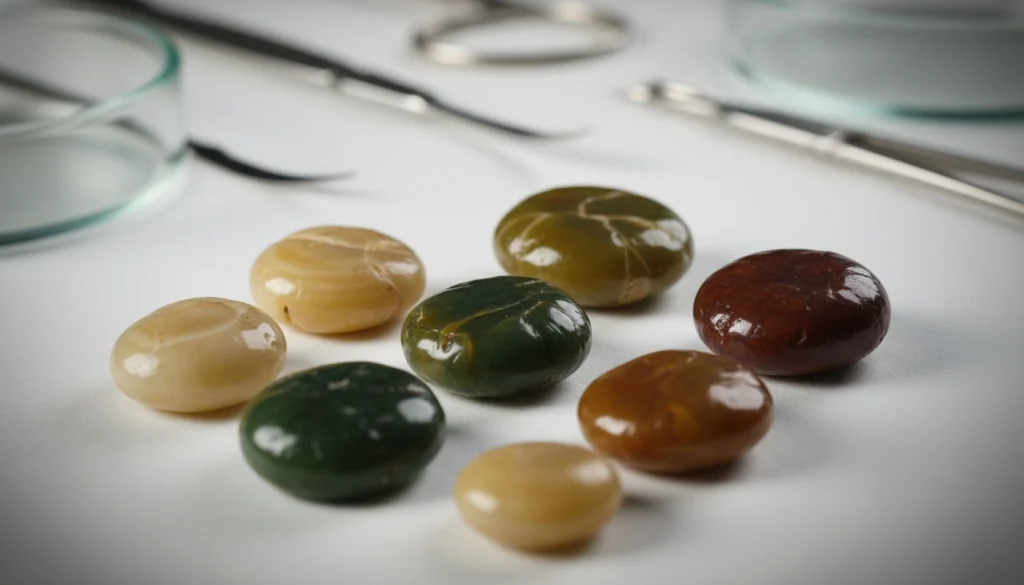
Cholesterol stones are the most common type we see. They look like yellow-green deposits in the gallbladder.
These stones form when there’s too much cholesterol in your bile. The body can’t dissolve it, so it turns into crystals and hardens into gallstones.
Pigment Stones
Pigment stones are smaller and darker. They’re made mostly of bilirubin, a waste product from breaking down red blood cells.
These stones are often related to health issues like:
- Chronic blood disorders
- Liver cirrhosis
- Biliary tract infections
We treat pigment stones differently because their causes are unique. This requires a special approach.
| Feature | Cholesterol Stones | Pigment Stones |
|---|---|---|
| Primary Component | Cholesterol | Bilirubin |
| Typical Color | Yellow-Green | Dark Brown/Black |
| Common Cause | Bile saturation | Blood/Liver issues |
By knowing the type of stone, we can tailor treatments better. Our aim is to create a plan that tackles the problem at its source.
Risk Factors and Predisposing Conditions
Many things can lead to gallbladder problems. Some are beyond our control, but knowing them helps us stay healthy. It’s key to prevent gallstones by understanding these risks.
Genetic and Demographic Influences
Some traits increase your chance of gallbladder issues. Age and gender are big factors. Women are more likely to face gallbladder problems due to hormonal changes.
Family history also matters a lot. If your relatives had gallbladder issues, you might too. People of Native American or Hispanic descent are more likely to get gallstones than others.
Lifestyle and Dietary Contributors
Our daily habits affect our digestive health a lot. Being inactive can slow down the gallbladder. Regular exercise helps keep digestion healthy.
What we eat is also crucial. Eating too much saturated fat and not enough fiber can upset bile balance. Choosing the right foods can lower your risk of gallstones.
| Risk Category | Primary Factor | Impact Level |
|---|---|---|
| Biological | Gender (Female) | High |
| Genetic | Family History | Moderate |
| Lifestyle | Sedentary Habits | Moderate |
| Dietary | High Fat Intake | High |
Talk to your doctor about these factors to make a plan. Taking care of yourself is the best way to avoid gallstones and their pain.
Recognizing the Symptoms of Gallstones
Spotting gallstones symptoms early helps manage them better. Some people don’t show symptoms for years, but others notice sudden changes that need quick action. Knowing these signs is key to improving your digestive health.
Identifying Biliary Colic
Biliary colic is the most common symptom. It’s a sharp pain in the upper right abdomen. This pain often starts after eating fatty foods, when the gallbladder contracts.
The pain might spread to your right shoulder or back. These episodes can last from 30 minutes to hours. The pain can get worse and then lessen as the stone moves.
Distinguishing Between Mild and Severe Pain
It’s crucial to tell apart mild discomfort and serious blockage signs. Mild pain or bloating is normal, but sharp, lasting pain is a warning. If you can’t find comfort or have a fever, see a doctor right away.
Severe pain means a stone has blocked more or caused inflammation. Watch your symptoms closely and keep a log. Seeing a specialist for recurring pain ensures you get the right care early.
Diagnostic Procedures for Detecting Gallstones
Understanding your gallbladder health is the first step to feeling better. We use tests to find out if you have gallstones accurately. This helps us create a treatment plan that fits you perfectly.
Imaging Techniques
Imaging lets us see inside your gallbladder. It helps us find any stones or blockages. These methods are key to planning your recovery.
Abdominal Ultrasound
An ultrasound is often our first choice for finding gallstones. It uses sound waves to show us your gallbladder in real-time. It’s safe, doesn’t use radiation, and is usually comfortable for patients.
HIDA Scans
For harder cases, we might use a HIDA scan. It tracks a radioactive tracer through your bile ducts. This test shows if your gallbladder is working right or if there’s a blockage.
Blood Tests and Liver Function Panels
Blood tests give us more information than images alone. They help us understand your health and look for signs of gallstone problems.
- Liver Function Panels: These tests check if your bile ducts are blocked.
- Complete Blood Count (CBC): We look for high white blood cell counts, which might mean infection or inflammation.
- Bilirubin Levels: High levels often mean a stone has blocked your bile duct.
By combining these tests, we get a full picture of your health. This lets us suggest the best treatment for you.
Complications Associated with Untreated Gallstones
Choosing to not treat gallstones can lead to serious health problems. Some people might not show symptoms, but others could face sudden, severe issues. These problems often need quick hospital care.
Cholecystitis and Inflammation
A stone stuck in the gallbladder’s neck can cause inflammation and infection. This is called cholecystitis. It brings on sharp pain and fever. If not treated, the gallbladder might get weak or even burst, which is a medical emergency.
Bile Duct Obstruction
Gallstones can move into the common bile duct. This blockage stops bile from reaching the small intestine. People often see jaundice, or yellow skin and eyes, as a sign of this blockage.
If you notice any of these symptoms, get medical help right away:
- Persistent pain in the upper right abdomen
- Unexplained high fever or chills
- Yellowing of the skin or the whites of the eyes
- Dark-colored urine or pale stools
Gallstone Pancreatitis
A stone blocking the pancreatic duct is very dangerous. It stops digestive enzymes from leaving the pancreas. This causes gallstone pancreatitis, a painful condition that inflames the pancreas.
Quick action is key to avoid lasting damage to your digestive system. Early treatment can prevent serious health risks from chronic or acute gallbladder disease.
Surgical Treatment Options for Gallstones
When symptoms or problems keep coming back, we often suggest a cholecystectomy. This surgery removes the gallbladder, solving the main problem of gallstones. Our aim is to improve your life quality with safe, effective treatments.
Laparoscopic Cholecystectomy
The laparoscopic cholecystectomy is today’s top choice. It’s a small incision surgery to take out the gallbladder. This method is popular because it leads to quicker healing and less pain for gallstones patients.
Open Cholecystectomy Procedures
For some cases, an open cholecystectomy is better. It uses a bigger cut for clearer access to the gallbladder. This is often needed when the gallbladder is very inflamed or scarred from gallstones.
Our team offers top-notch care, no matter the surgery type. We focus on your safety and comfort at every step. By treating gallstones surgically, our patients can feel better and live their lives again.
Non-Surgical Management Approaches
We know surgery isn’t the best choice for everyone. That’s why we explore non-surgical options. For some, surgery to remove gallstones is too risky. In these cases, we look for other ways to manage symptoms and improve life quality.
Oral Dissolution Therapy
Oral dissolution therapy uses special medicines to break down cholesterol stones. These medicines change the bile’s chemistry, helping dissolve the gallstones over time. It’s a slow process that needs patience and regular check-ups with your doctor.
This treatment works best for small, cholesterol stones. Success depends on sticking to the long-term medication plan. We suggest it when the benefits of waiting outweigh the risks.
Shock Wave Lithotripsy
Extracorporeal shock wave lithotripsy breaks down gallstones without surgery. It uses sound waves to shatter large stones into smaller pieces. These smaller pieces can then pass through the digestive system.
This method is used less today. We consider it carefully, looking at several factors:
- The size and number of the gallstones in the gallbladder.
- The health and stability of the gallbladder wall.
- The chance of the fragments passing through the bile duct without blockage.
- The patient’s ability to handle the procedure and any follow-up treatments.
Dietary Adjustments for Managing Gallstone Symptoms
Nutrition is key for managing gallstones symptoms. Changing your diet can help your digestive system. This might also cut down on painful episodes.
Foods to Include for Gallbladder Health
Eating nutrient-rich, whole foods is great for bile flow. High-fiber foods are especially good. They help keep your digestive system running smoothly.
- Fresh fruits and berries for natural antioxidants.
- Leafy green vegetables and cruciferous plants.
- Whole grains like oats, brown rice, and quinoa.
- Legumes, such as lentils and beans, which provide sustained energy.
Foods to Avoid During Flare-ups
Some foods can make gallbladder contractions worse. This can cause a lot of pain if you have gallstones. It’s smart to avoid foods that stress your system during flare-ups.
Here are some foods to limit or avoid:
- High-fat dairy products, including full-fat cheese and cream.
- Fried foods and heavy, greasy fast-food meals.
- Processed snacks that contain high levels of saturated or trans fats.
- Rich, sugary desserts that may disrupt healthy digestion.
Changing your diet is a smart move for better health. Choosing gentle, wholesome foods helps your body manage gallstones. It also supports your overall well-being.
The Connection Between Rapid Weight Loss and Gallstones
Shedding extra pounds is good for health, but it can also lead to unexpected problems. Many people find out that losing weight fast can cause gallstones. It’s important to know this if you’re starting a new diet or exercise plan.
Why Sudden Weight Changes Trigger Stone Formation
When you lose weight quickly, your body changes a lot. Your liver makes more cholesterol to help break down fat.
This extra cholesterol makes bile too rich. It’s the perfect mix for gallstones to form. Also, losing weight fast can slow down the gallbladder. This lets bile sit there, raising the chance of stones.
Strategies for Safe and Sustainable Weight Management
We recommend losing weight slowly to keep your digestive system healthy. Losing one to two pounds a week is safe and works well for many.
Eating healthy fats helps your gallbladder work right. This keeps bile moving and lowers the risk of gallstones.
Stay away from extreme diets that promise quick results. Focus on sustainable habits to reach your health goals without harming your gallbladder.
Gallstones in Special Populations
Gallstones pose unique challenges for pregnant women and older adults. It’s crucial to understand these specific needs for better care.
Pregnancy and Gallbladder Health
Pregnancy brings hormonal changes that raise the risk of gallstones. These changes slow down the gallbladder, making it easier for stones to form.
Doctors usually stick to safe management plans to protect both mom and baby. They watch closely unless symptoms get worse or complications happen.
Managing Gallstones in Older Adults
In older adults, gallstones can be hard to spot. Symptoms are often mild or hidden by other health issues, making diagnosis tough.
We’re always on the lookout for gallstones in elderly patients with belly pain. This careful approach helps us catch gallstones early. It ensures they get the care they need to stay healthy and comfortable.
The Role of Medications in Gallstone Development
Medications you take every day might affect your gallbladder more than you think. Many drugs help manage chronic conditions, but some can change your bile’s chemistry. This change can lead to gallstones over time.
Hormonal Contraceptives and Estrogen Therapy
Hormonal medications, like birth control pills and estrogen therapy, are common. They can increase cholesterol in your bile. This can cause crystals to form and grow into gallstones.
If you have a family history of gallbladder problems, talk to your doctor about these risks. It’s important to weigh the benefits of hormone therapy against its side effects. Your doctor can help keep your treatment safe and effective.
Cholesterol-Lowering Drugs
Drugs that lower blood cholesterol can also affect your gallbladder. These medications are good for your heart but can increase bile cholesterol. This might lead to gallstones in some people.
Not everyone taking these drugs will get gallbladder problems. Here’s how different medications can affect your digestive health:
| Medication Category | Primary Function | Potential Impact on Bile |
|---|---|---|
| Estrogen-based therapies | Hormone regulation | Increases cholesterol saturation |
| Fibrates | Lipid management | Alters bile acid secretion |
| Oral contraceptives | Pregnancy prevention | Elevates biliary cholesterol levels |
Check your medications with your doctor often. Knowing how your treatments affect your body helps protect your gallbladder. Talking openly with your doctor is key to managing your health and avoiding gallstones.
Preventative Strategies for Long-Term Gallbladder Health
Keeping your gallbladder healthy starts with simple daily choices. Your weight and activity levels play a big role. Making small, consistent changes can greatly reduce your risk of gallstones.
Maintaining a Healthy Body Mass Index
A healthy body mass index (BMI) is key for digestive health. Carrying extra weight, especially around the belly, increases the risk of gallstones.
Extra weight can lead to more cholesterol production. This can cause bile imbalances. Staying at a healthy weight helps your gallbladder work better.
The Importance of Regular Physical Activity
Staying active is as important as managing your weight. Regular exercise helps keep your metabolism and digestion healthy. This keeps bile flowing smoothly.
Even simple activities like brisk walking or swimming can help. Consistent movement gives your body the tools to fight gallstones and keep you healthy long-term.
Myths and Misconceptions About Gallstones
Knowing the truth about your health is key, especially with gallbladder stones. Today, it’s easy to find wrong advice online. We want to give you the right, science-backed info to help you stay healthy.
Debunking Natural Remedies and Flushes
You might have seen “gallbladder flushes” or herbal cleanses online. These methods don’t have scientific backing and doctors don’t recommend them. Using them can lead to serious problems or delay real treatment.
These remedies often involve drinking lots of oil or juice. This can cause a gallbladder attack. Instead of helping, it might block a stone, causing a lot of pain or infection. Always talk to a doctor, not just online advice.
Clarifying Common Patient Concerns
Many think getting gallstones means a bad life. They worry the gallbladder is key for digestion and removing it will limit their diet. But, after surgery, most people get back to normal easily.
Another worry is that diet alone can get rid of stones. While eating well is good, it can’t dissolve stones that are already there. Here are some common myths and the truth to help you.
| Common Myth | Medical Reality | Risk Level |
|---|---|---|
| Gallbladder flushes dissolve stones | No scientific proof exists | High |
| Surgery ruins digestion | Body adapts to life without it | Low |
| Diet can remove all gallstones | Diet prevents, but rarely cures | Moderate |
| Only older adults get stones | Anyone can develop gallstones | Low |
Navigating Your Path to Recovery and Wellness
Your journey to wellness starts with knowing your health. Working with your medical team is key to managing your health. We offer the support and advice you need for your gallbladder health.
By using the strategies in this guide, you can manage your symptoms. Knowing about Gallstones helps you spot problems early. Early detection is crucial for avoiding serious issues and keeping your life quality high.
Get in touch with our specialists at Acıbadem Healthcare Group to talk about your needs. Our team is eager to help you begin your recovery journey. A plan that fits your health history and lifestyle goals is essential for tackling Gallstones. We’re here to support your health and well-being for the long term.
FAQ
Q: What exactly are gallstones and why do they form?
A: Gallstones are hardened deposits in the gallbladder. They form when there’s a chemical imbalance in bile. This imbalance causes substances like cholesterol or bilirubin to harden into stones.
Q: How does the anatomy of the gallbladder relate to stone formation?
A: The gallbladder stores bile and releases it when you eat. If the bile has too much cholesterol or doesn’t empty right, stones can form.
Q: What is the difference between cholesterol stones and pigment stones?
A: Cholesterol stones are yellow-green and common. Pigment stones are darker and smaller, made of bilirubin. Knowing the type helps us choose the best treatment.
Q: What are the primary risk factors for developing gallstones?
A: Being female, older, or having a family history increases your risk. A sedentary lifestyle or a diet high in fat also plays a role.
Q: What does a gallstone attack feel like?
A: It feels like sudden, intense pain in the upper right abdomen. This is called biliary colic. Mild pain is different from severe pain that needs urgent care.
Q: How does Acıbadem Healthcare Group diagnose gallstones?
A: We use advanced imaging like ultrasound to see the gallbladder. Sometimes, we do HIDA scans or blood tests to check for complications.
Q: What are the potential complications if gallstones are left untreated?
A: Untreated gallstones can cause inflammation, blockages, or pancreatitis. Pancreatitis is serious and needs immediate treatment.
Q: What surgical options are available for gallbladder removal?
A: The main treatment is cholecystectomy. We prefer laparoscopic surgery for a quicker recovery. But, sometimes open surgery is needed for safety.
Q: Are there any non-surgical treatments for gallstones?
A: For those not good for surgery, we might use medication or shock wave lithotripsy. But surgery is usually the best choice.
Q: How can I adjust my diet to manage gallbladder symptoms?
A: Eat foods high in fiber like fruits and whole grains. Avoid fried and high-fat foods to prevent pain.
Q: Why does rapid weight loss increase the risk of gallstones?
A: Quick weight loss makes the liver put more cholesterol in bile. This can cause gallstones. Slow, steady weight loss is better.
Q: Do pregnancy or hormonal changes affect the risk of gallstones?
A: Yes, hormonal changes in pregnancy can lead to gallstones. We monitor pregnant women closely to manage these risks.
Q: Can common medications lead to the development of gallstones?
A: Some medications, like birth control or cholesterol drugs, can increase cholesterol in bile. Talk to our specialists about your medications.
Q: What are the best strategies for long-term prevention?
A: Keep a healthy BMI and exercise regularly. These habits help your metabolism and digestive system work well.
Q: Are “gallbladder flushes” a safe way to remove gallstones?
A: No, we advise against natural “flushes” or home remedies. They’re not proven and can be dangerous. We focus on safe, evidence-based treatments.
Q: How can I start my journey toward recovery with Acıbadem Healthcare Group?
A: Start with a consultation from our experts. We offer top-notch care and help you manage your gallstones. Contact us to create a personalized plan.