

Treatment Snapshot
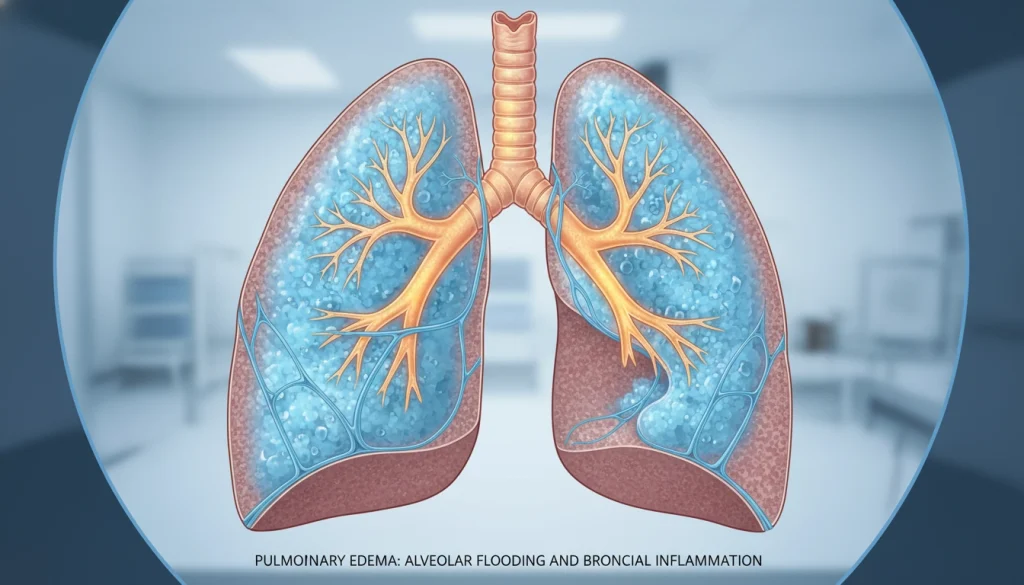
Pulmonary edema is a serious condition that needs quick attention. It happens when too much fluid builds up in the lungs’ tiny air sacs. This makes it hard for your body to get the oxygen it needs.
Understanding this condition is key to managing it well. Knowledge helps you make smart choices for your health. By spotting signs early, you can get the care needed to protect your lungs and heart.
We aim to give you a solid base to understand this diagnosis. The term might sound scary, but knowing how it affects you can make recovery easier. We’re here to help you learn the important facts about pulmonary edema.
Key Takeaways
- This condition involves fluid buildup in the lungs that hinders oxygen exchange.
- Immediate medical intervention is often required to stabilize breathing.
- Early recognition of symptoms is vital for successful treatment and recovery.
- Education serves as a primary tool for managing long-term lung health.
- Professional medical guidance remains the safest path for addressing respiratory distress.
Understanding the Mechanics of Pulmonary Edema
To grasp pulmonary edema, we must understand the balance of fluid in our lungs. Normally, our lungs efficiently move oxygen into the blood and remove carbon dioxide. But, when our lungs face pressure or injury, fluid can leak into wrong places, posing a serious health risk.
Fluid Accumulation in the Alveoli
The alveoli are tiny air sacs at the end of our bronchial tubes. In good health, these sacs are filled with air for gas exchange. But, with pulmonary edema, they fill with fluid, making it hard for the body to get oxygen.
This fluid buildup makes breathing hard. As the fluid increases, the lungs lose their elasticity. This leads to symptoms of respiratory distress.
The Role of the Pulmonary Capillaries
Pulmonary capillaries are small blood vessels around the alveoli. They help oxygen get into the blood and waste gases leave. Normally, they keep fluid in the blood by maintaining pressure.
If the capillary pressure gets too high or the vessel walls get damaged, fluid leaks out. This leakage is what causes pulmonary edema, as the tissue around the capillaries gets flooded.
Distinguishing Between Cardiogenic and Non-Cardiogenic Types
Doctors divide pulmonary edema into two types based on the cause. Knowing the difference is key to finding the right treatment for the patient.
| Feature | Cardiogenic | Non-Cardiogenic |
|---|---|---|
| Primary Cause | Heart dysfunction | Direct lung injury |
| Fluid Source | High capillary pressure | Increased vessel permeability |
| Common Trigger | Heart failure | Infection or trauma |
| Clinical Focus | Improving heart function | Treating lung inflammation |
By figuring out if the pulmonary edema is cardiogenic or non-cardiogenic, doctors can give better care. This helps us tackle the real problem, not just the symptoms.
Common Causes of Cardiogenic Pulmonary Edema
The main reason for lung congestion is often a heart that doesn’t pump well. When the heart can’t move blood forward, pressure builds up in lung vessels. This high pressure pushes fluid into the air sacs, causing pulmonary edema.
Congestive Heart Failure and Fluid Overload
Congestive heart failure happens when the heart can’t pump enough blood. As the heart weakens, blood backs up into the lungs, raising pressure. This is a key step towards pulmonary edema.
When the heart can’t clear blood, the body holds onto extra fluid. This fluid overload makes it harder for the heart to work, leading to more lung congestion. It’s crucial to manage fluid levels to help patients.
Coronary Artery Disease and Myocardial Infarction
Coronary artery disease blocks blood flow to the heart muscle, often due to plaque. A complete blockage causes a heart attack. This damage makes it hard for the heart to pump blood.
A heart that’s been damaged can’t move blood well, leading to fluid buildup. People who’ve had heart attacks are at risk for pulmonary edema. We watch them closely to avoid sudden fluid shifts.
Valvular Heart Disease Complications
Heart valves control blood flow, ensuring it goes in one direction. When valves get stiff or leaky, the heart works harder. This can lead to heart failure and fluid in the lungs.
Valve problems disrupt blood flow, raising pressure in the left atrium. This pressure goes back to the lungs, causing pulmonary edema. Fixing these valve issues is key to preventing more problems.
| Condition | Primary Mechanism | Impact on Lung Pressure |
|---|---|---|
| Congestive Heart Failure | Weakened pumping action | High venous pressure |
| Coronary Artery Disease | Reduced blood supply to muscle | Increased filling pressure |
| Valvular Heart Disease | Obstructed or leaky valves | Backflow into pulmonary veins |
Non-Cardiogenic Triggers and Environmental Factors
External stressors and toxins can harm lung function, causing a dangerous buildup of fluid called pulmonary edema. This condition is not just about heart health. The lungs can also get injured by outside forces. We need to understand and treat these non-cardiac triggers differently.
Acute Respiratory Distress Syndrome (ARDS)
ARDS is a severe lung condition. It causes widespread inflammation in the lungs. This inflammation damages the tiny air sacs and the blood vessels around them.
When these areas are damaged, fluid leaks into the lungs. This makes breathing very hard. ARDS is often caused by infections, severe injuries, or pneumonia.
High-Altitude Pulmonary Edema (HAPE)
Going up high too fast is very stressful for the body. At high altitudes, there’s less oxygen. This makes the pulmonary arteries narrow, increasing lung pressure.
This pressure pushes fluid into the air spaces. Hikers and climbers need to watch out for this. The best way to treat HAPE is to go down to a lower altitude.
Exposure to Toxins and Inhaled Irritants
Breathing in harmful substances can hurt the lungs. Common irritants include smoke, industrial chemicals, and certain gases.
These substances start an inflammatory process. This makes the lung membranes more permeable. Fluid then builds up, making it hard to breathe.
| Trigger Type | Primary Mechanism | Common Setting |
|---|---|---|
| ARDS | Systemic Inflammation | Hospital/ICU |
| HAPE | Hypoxic Vasoconstriction | High Mountains |
| Toxins | Direct Membrane Injury | Industrial/Home |
| Pulmonary Edema | Fluid Leakage | Various Environments |
Recognizing the Early Symptoms of Pulmonary Edema
Spotting the first signs of pulmonary edema is crucial. It can lead to quick, life-saving care. Fluid in the lungs sends early warnings that should not be ignored. Being alert can help you get medical help before it’s too late.
Shortness of Breath and Dyspnea
Dyspnea, or shortness of breath, is a key symptom. You might feel like you can’t breathe, even when resting. This feeling of air hunger grows as fluid builds up.
Persistent Cough and Frothy Sputum
A cough that won’t go away is another warning sign. It often brings up frothy, pink or blood-tinged mucus. This means fluid is leaking into your lungs and needs urgent care.
Orthopnea and Paroxysmal Nocturnal Dyspnea
Changes in breathing while lying down are important. Orthopnea makes you feel breathless when flat, so you use extra pillows. Paroxysmal nocturnal dyspnea causes sudden, severe suffocation at night.
- Sudden onset of breathlessness during physical activity.
- A cough that does not improve with standard cold remedies.
- The need to sit upright to breathe comfortably at night.
- Wheezing or a rattling sound in the chest.
If you or a loved one has these symptoms, see a doctor fast. Catching pulmonary edema early is key to managing it and avoiding worse problems.
Diagnostic Procedures and Clinical Evaluation
To confirm pulmonary edema, doctors use several key steps. When someone has trouble breathing, doctors must quickly find the cause. They use data to see how bad it is and start treatments right away.
Physical Examination and Auscultation
The first step is a detailed physical check-up. Doctors listen to the lungs with a stethoscope. They look for sounds that mean fluid is trapped in the lungs.
They also check for swelling in the legs and look at the neck veins. These signs help understand how the heart and lungs work together.
Chest X-ray Imaging Findings
A chest X-ray is key for seeing inside the chest. It shows if fluid is in the lungs. This is a clear sign of pulmonary edema.
Radiologists look for patterns like an enlarged heart or fluid in the chest. These signs help pick the right treatment.
Pulse Oximetry and Arterial Blood Gas Analysis
Checking oxygen levels is very important. Pulse oximetry shows how much oxygen is in the blood. Low levels mean the lungs are not working right.
An arterial blood gas (ABG) analysis gives more details. It checks the blood’s acidity, oxygen, and carbon dioxide levels. This helps decide how much oxygen therapy is needed for pulmonary edema.
| Diagnostic Tool | Primary Purpose | Clinical Insight |
|---|---|---|
| Auscultation | Detect abnormal lung sounds | Identifies fluid-filled alveoli |
| Chest X-ray | Visualize lung density | Confirms fluid distribution |
| Pulse Oximetry | Measure oxygen saturation | Assesses immediate respiratory distress |
| ABG Analysis | Evaluate blood gas levels | Determines severity of gas exchange failure |
The Role of Echocardiography in Assessment
Echocardiography is key in finding out why fluid builds up in the lungs. It’s a non-invasive test that uses sound waves to see the heart’s inner workings. This lets us spot if heart problems are causing the fluid buildup.
Evaluating Left Ventricular Function
The left ventricle is the heart’s main pumping part. If it doesn’t pump well, blood can leak into the lungs. Echocardiography checks how well the heart pumps by looking at the ejection fraction.
This info helps us see how bad heart failure is. We can then make treatment plans to boost heart function and cut down fluid buildup.
Assessing Valvular Integrity
Heart valves control blood flow. If they’re narrow or leaky, the heart has to work harder. This can lead to fluid buildup in the lungs.
Ultrasound imaging shows if valves are not working right. Finding these problems early helps us fix them before they get worse.
Identifying Structural Heart Abnormalities
Some heart changes aren’t seen in a regular check-up. Echocardiography spots enlarged chambers, thick walls, or birth defects that might cause fluid buildup. Finding these issues helps us plan better care for the long term.
By using what we see in echocardiograms and what we know from the patient, we give a full picture. This makes our treatments more accurate and caring.
Emergency Management and Immediate Care
When a patient comes in with severe breathing problems, our team must act fast. We aim to stabilize their condition quickly. Managing Pulmonary Edema requires a fast and coordinated effort to protect vital organs.
Our main goal is to ease breathing problems and find out why fluid is building up.
Oxygen Therapy and Ventilatory Support
The first thing we do is make sure the patient gets enough oxygen. We use masks or nasal cannulas to boost oxygen levels right away. This helps the heart and lungs work less hard during a crisis.
If the patient is still in a lot of distress, we might use mechanical ventilation. This method pushes fluid out of the lungs and back into the blood. It’s crucial for preventing lung failure and making sure the body gets enough oxygen.
Pharmacological Interventions for Fluid Removal
Once the patient is stable, we focus on getting rid of extra fluid. We give strong diuretics through an IV to help the kidneys remove it. This reduces pressure on the heart and lungs, making breathing easier.
In some cases, we also have to watch out for pulmonary hemorrhage. We monitor how the patient reacts to the medication and adjust it as needed. This careful approach is key to managing Pulmonary Edema well in emergency situations.
Stabilizing Hemodynamics in Acute Settings
Keeping blood pressure stable is crucial in emergency care. We use special medicines to support the heart and ensure blood reaches all vital organs. These steps are done in controlled settings to avoid further problems and keep blood pressure stable.
The table below shows the main treatments used in acute management:
| Intervention Type | Primary Goal | Clinical Benefit |
|---|---|---|
| Oxygen Therapy | Increase blood oxygen | Reduces respiratory effort |
| Diuretic Therapy | Remove excess fluid | Decreases cardiac workload |
| Vasodilators | Lower blood pressure | Improves blood circulation |
| Mechanical Support | Assist lung function | Prevents respiratory failure |
By combining these treatments, we offer a complete approach to managing Pulmonary Edema. Our team closely watches every patient to keep vital signs safe during recovery.
Medications Used in Pulmonary Edema Treatment
We use many medications to treat fluid buildup in the lungs. These drugs are key in helping patients with pulmonary edema feel better. They help balance the body’s functions.
Diuretics for Rapid Fluid Reduction
Diuretics are often the first choice for managing fluid buildup. They tell the kidneys to make more urine. This helps remove salt and water from the blood.
By reducing fluid in the body, diuretics lower blood pressure in the lungs. This makes it easier for the heart to pump blood during an edema episode.
Vasodilators and Inotropic Agents
Vasodilators widen blood vessels. This makes it easier for the heart to pump blood. It also reduces fluid buildup in the lungs.
Inotropic agents, on the other hand, make the heart stronger. They help the heart pump blood more efficiently. This prevents blood from pooling in the lungs.
Morphine and Its Role in Symptom Management
Morphine has been used for a long time to help with breathing problems. It helps reduce anxiety and the urge to breathe deeply in severe cases.
Morphine helps calm the patient and stabilize breathing. We watch its use closely to make sure it doesn’t harm breathing.
Managing Underlying Cardiovascular Conditions
We believe that managing heart conditions is key to preventing pulmonary edema. By tackling the causes of fluid buildup, we can greatly improve your health and life quality. A proactive approach helps the heart work better, lowering the risk of sudden problems.
Long-term Heart Failure Management Strategies
Managing heart failure needs a strong partnership between you and your doctors. Taking your medicines as directed is crucial to keep your heart strong and avoid fluid buildup. Regular check-ups are also important to monitor your heart and adjust your treatment if needed.
Keep track of your symptoms every day and tell your doctor about any sudden changes. Being alert to early signs of trouble can help prevent serious pulmonary edema. Knowing your condition well helps you take charge of your health.
Controlling Hypertension to Prevent Recurrence
High blood pressure puts extra strain on your heart, making it work too hard. Over time, this can weaken your heart and cause fluid buildup in your lungs. Keeping your blood pressure in a healthy range is crucial for your heart’s long-term health.
Using home monitoring tools to track your blood pressure is a good idea. This information helps your doctor adjust your treatment plan. Keeping your blood pressure under control is a strong defense against future health problems.
Lifestyle Modifications for Heart Health
Making small changes to your daily life can greatly improve your heart health. Eating a heart-healthy diet, low in sodium and saturated fats, can help reduce fluid buildup and lower blood pressure. Regular, approved exercise also strengthens your heart and improves blood flow.
The table below shows important lifestyle changes that support heart health and help prevent pulmonary edema:
| Lifestyle Category | Recommended Action | Primary Benefit |
|---|---|---|
| Dietary Habits | Limit sodium intake | Reduces fluid retention |
| Physical Activity | Daily light exercise | Strengthens heart muscle |
| Monitoring | Daily weight checks | Detects early fluid gain |
| Habit Control | Smoking cessation | Improves oxygen flow |
We encourage you to slowly add these habits to your life to make them a lasting part of your routine. Every positive change you make helps make your heart stronger. Your dedication to these changes is the best investment in your future health.
Pulmonary Edema in the Context of Chronic Illness
When chronic diseases are present, the risk of respiratory distress grows. This is because these conditions often make it hard for the body to keep a healthy balance of fluids. It’s key to understand how these diseases interact to prevent pulmonary edema and ensure long-term health.
Kidney Disease and Fluid Retention
The kidneys are crucial for removing excess water and waste. If kidney function drops, the body can’t get rid of fluid properly. This leads to a buildup of fluid in the blood, raising the risk of pulmonary edema.
Liver Cirrhosis and Systemic Fluid Shifts
Liver cirrhosis changes how the body makes proteins, like albumin. Albumin helps keep fluid in blood vessels. Without enough, fluid leaks into tissues and cavities. This puts extra pressure on the heart and lungs, making pulmonary edema more likely in at-risk patients.
Managing Comorbidities to Reduce Risk
We think a team effort is best for patients with many chronic conditions. Working together, doctors from different fields can manage fluid levels and prevent problems. Handling these conditions well is key to lowering the risk of pulmonary edema.
- Regular monitoring of weight and blood pressure.
- Strict adherence to sodium and fluid intake guidelines.
- Consistent follow-up appointments with your care team.
- Prompt reporting of new symptoms like swelling or shortness of breath.
Preventive Strategies for High-Risk Patients
Knowing how to prevent fluid in the lungs is your best defense. Taking care of your health is key to staying stable and well. By adding certain habits to your daily life, you can lower your risk of pulmonary edema happening again.
Monitoring Daily Weight and Fluid Intake
Checking your weight every morning is a smart way to keep track of fluid balance. If your weight goes up quickly, it means your body is holding onto too much water. Keeping a log of these weights helps you catch any patterns early.
It’s also important to watch how much fluid you drink each day, as your doctor advises. Drinking the right amount helps your heart work better and avoids pulmonary edema. Doing these simple tasks helps you make better choices for your health.
Adherence to Prescribed Medication Regimens
Following your medication schedule is crucial for those at risk. These medicines help your heart work right and stop fluid from building up in your lungs. Missing doses can cause big problems and make it harder to control your condition.
Use pill boxes or reminders on your phone to remember to take your meds. If you have side effects or worries about your medicines, talk to your doctor right away. Staying consistent is the best way to stop pulmonary edema from coming back.
Recognizing Warning Signs Early
Being able to spot early signs is very important for those at risk. Catching problems early means you can get help before it gets worse. Look out for these signs:
- Feeling out of breath more easily during everyday tasks.
- Waking up at night and feeling like you can’t breathe.
- Swelling in your ankles, feet, or belly.
- A dry cough that gets worse when you lie down.
By paying attention and telling your doctor about these signs, you can take charge of your health. Quick action helps avoid hospital stays and keeps your life better while managing pulmonary edema.
The Impact of Pulmonary Edema on Quality of Life
Getting a pulmonary edema diagnosis can be tough. It affects your energy and peace of mind. Making small, steady changes can help you live a full life despite the challenges.
Physical Limitations and Activity Tolerance
Having this condition can make you feel tired more often. Simple tasks like climbing stairs or walking short distances might now feel hard. It’s key to listen to your body and take breaks to avoid getting too tired.
Work with your doctor to find safe exercises that fit your current abilities. Taking breaks and choosing activities you enjoy can help manage symptoms. Always remember to respect your body’s limits.
Psychological Effects and Anxiety Management
Feeling anxious or scared when you can’t breathe is common. It’s your body’s way of reacting to the stress. Finding healthy ways to cope is crucial for your mental health.
Try deep breathing or meditation to calm down when you’re stressed. Talking to a counselor or joining a support group can also help. Remember, taking care of your mind is as important as your body.
Support Systems and Caregiver Involvement
Having a strong support network can greatly improve your life. Family and caregivers are key in helping you stay on track with your health. Talking openly with them ensures they know how to help.
Professional caregivers or home health services can also provide extra support. They can help with medication or household tasks, making life easier for you. You don’t have to face pulmonary edema by yourself.
| Activity Level | Management Strategy | Expected Outcome |
|---|---|---|
| Light Daily Tasks | Pacing and frequent rest | Improved energy conservation |
| Moderate Exercise | Supervised cardiac rehab | Increased physical tolerance |
| High-Stress Situations | Anxiety reduction techniques | Better emotional stability |
| Routine Monitoring | Daily weight tracking | Early pulmonary edema detection |
Pulmonary Edema in Pediatric and Geriatric Populations
Treating pulmonary edema is not the same for everyone, especially kids and older adults. Each group has its own special needs. This affects how fluid builds up in the lungs and how we should treat it.
Unique Challenges in Older Adults
Older adults often have many health problems like high blood pressure, diabetes, and kidney disease. These issues can make it hard to spot pulmonary edema early.
Their hearts also might not handle sudden changes in fluid as well. We watch them closely to avoid serious problems and make sure treatments are safe and work well.
Congenital Heart Defects in Children
In kids, pulmonary edema often comes from heart problems they were born with. These defects can mess up blood flow and increase pressure in the lungs.
When the heart can’t pump right, fluid can leak into the lungs. Finding these heart problems early is key to preventing breathing trouble in young ones.
Age-Specific Treatment Considerations
We tailor our care to meet the needs of each group. For kids, we adjust medicine doses based on their weight and age to avoid harm.
For older adults, we balance removing fluid with keeping the kidneys and electrolytes in check. By adjusting our approach based on age, we can improve care and quality of life for those with pulmonary edema.
Advanced Therapies and Surgical Interventions
When standard treatments don’t work, we turn to advanced clinical interventions. These procedures are a lifeline for those with severe pulmonary edema. They address the heart’s mechanical failures, offering hope when usual treatments fail.
Mechanical Circulatory Support Devices
In critical cases, we use mechanical circulatory support to help the heart pump blood. Devices like Ventricular Assist Devices (VADs) or Extracorporeal Membrane Oxygenation (ECMO) ease the heart’s workload. This is key to preventing more fluid in the lungs during acute episodes.
Surgical Repair of Heart Valves
Leaking or narrowed valves often cause pulmonary edema. Repairing or replacing these valves can improve blood flow and lower lung pressure. We assess each patient to see if surgery is the best option for long-term health.
Heart Transplantation Considerations
For those with severe heart disease, transplantation is an option. This process involves careful screening to find a suitable donor organ. Though challenging, it’s a cutting-edge treatment for the most severe cases.
| Intervention Type | Primary Goal | Best For |
|---|---|---|
| Mechanical Support | Immediate hemodynamic stability | Acute, life-threatening failure |
| Valve Surgery | Correct structural blood flow | Chronic valvular dysfunction |
| Heart Transplant | Restore long-term heart function | End-stage refractory disease |
These advanced strategies are part of our commitment to comprehensive care. By using these interventions, we aim to enhance the lives of patients with pulmonary edema and heart issues.
Navigating Recovery and Rehabilitation
Recovering from pulmonary edema is a journey we take with our patients. The first step is urgent medical care. Then, we focus on building your strength and health back up. A clear plan is key for lasting success and health.
Cardiac Rehabilitation Programs
Joining a cardiac rehab program is a big step towards feeling better. These programs offer a safe place to start exercising again. You’ll work with experts to make sure your heart and lungs are getting stronger.
These sessions do more than just improve your physical health. They also help you feel less anxious and connect with others who understand what you’re going through. We see these programs as a crucial part of getting back to your active life.
Pulmonary Function Recovery
Getting your lungs back to normal after pulmonary edema takes time. You might notice your breathing gets easier as the fluid and swelling go down. It’s okay to feel tired as your body heals.
We keep a close eye on how you’re doing to make sure your lungs get back to where they should be. It’s important to not push yourself too hard too soon. Slowly increasing your activity helps your lungs heal without extra stress.
Follow-up Care and Monitoring
Regular check-ups are crucial to avoid future problems. These visits help us check your heart and adjust your treatment plan if needed. They’re also a chance to talk about any new symptoms or worries.
By staying active in your care, we can catch any small changes early. This teamwork helps keep you on track for the best health and stability in the long run.
| Recovery Phase | Primary Focus | Expected Outcome |
|---|---|---|
| Early (1-2 Weeks) | Fluid clearance and rest | Stabilized breathing |
| Intermediate (3-8 Weeks) | Cardiac rehabilitation | Increased physical endurance |
| Long-term (3+ Months) | Lifestyle maintenance | Improved quality of life |
Long-Term Outlook and Proactive Health Maintenance
Managing your health after a diagnosis is a team effort. You and your medical team need to work together. The long-term outlook for patients with Pulmonary Edema gets better with consistent care and open communication.
Knowing your health needs helps you take charge of your daily life. Following a treatment plan tailored to you can manage Pulmonary Edema. This also lowers the chance of future problems.
At Acıbadem Healthcare Group, we’re here for you at every step. Our experts offer the guidance and care you need to face life with confidence.
We think that being proactive is key to better heart and lung health. Let’s work together for a future with improved cardiovascular and respiratory wellness. Talk to your healthcare provider today to plan your ongoing care and keep moving towards better health.
FAQ
Q: What is Pulmonary Edema and why is it considered a medical emergency?
A: Pulmonary edema is when too much fluid builds up in the lungs. This fluid makes it hard for oxygen to get into the blood. At Acıbadem Healthcare Group, we treat it as an emergency because we need to act fast to help the patient breathe.
Q: What is the difference between cardiogenic and non-cardiogenic pulmonary edema?
A: Cardiogenic pulmonary edema happens when the heart can’t pump well. This causes fluid to leak into the lungs. Non-cardiogenic pulmonary edema is when the lung tissue gets damaged. This makes the capillaries leak, even if the heart is okay.
Q: How does congestive heart failure lead to fluid in the lungs?
A: When the heart’s left ventricle is weak, it can’t pump enough blood. This causes blood to back up in the lungs. We focus on fixing the heart problems to reduce the pressure and clear the fluid.
Q: Can environment or lifestyle factors cause pulmonary edema?
A: Yes. High altitudes can cause HAPE. Breathing in harmful substances can also hurt the lungs. Severe infections or trauma can trigger an inflammatory response in the lungs.
Q: What are the primary symptoms I should be aware of?
A: Look out for extreme shortness of breath, especially when lying down. A persistent cough with frothy, pink sputum is also a sign. If you experience these symptoms, seek medical help right away.
Q: How do clinicians diagnose this condition?
A: Doctors listen to the lungs for “crackles” and use chest X-rays to see fluid. They also check oxygen levels and heart function with tests. This helps figure out if the heart is the cause.
Q: What are the immediate treatments for acute pulmonary edema?
A: We start by giving oxygen or using a ventilator to help breathing. We also use medicines to remove excess fluid. Sometimes, we give drugs to help the heart work better.
Q: How do chronic illnesses like kidney or liver disease affect risk?
A: Chronic conditions can mess with fluid balance. Kidney disease can cause fluid retention. Liver cirrhosis can lead to fluid buildup in the lungs. Managing these conditions is key to our care.
Q: What steps can I take to prevent a recurrence?
A: Keep an eye on your weight and take your medicines as directed. A healthy lifestyle and watching for early signs can help avoid future hospital stays.
Q: Are there different considerations for children and the elderly?
A: Yes. Kids with heart defects are at risk. Older adults face challenges from multiple chronic conditions. We tailor our care to meet the needs of each age group.
Q: What does the recovery and rehabilitation process involve?
A: Recovery includes cardiac rehab to improve heart health. We follow up regularly to check lung function and adjust treatment plans. Working together with our team helps ensure the best outcome.