

Treatment Snapshot
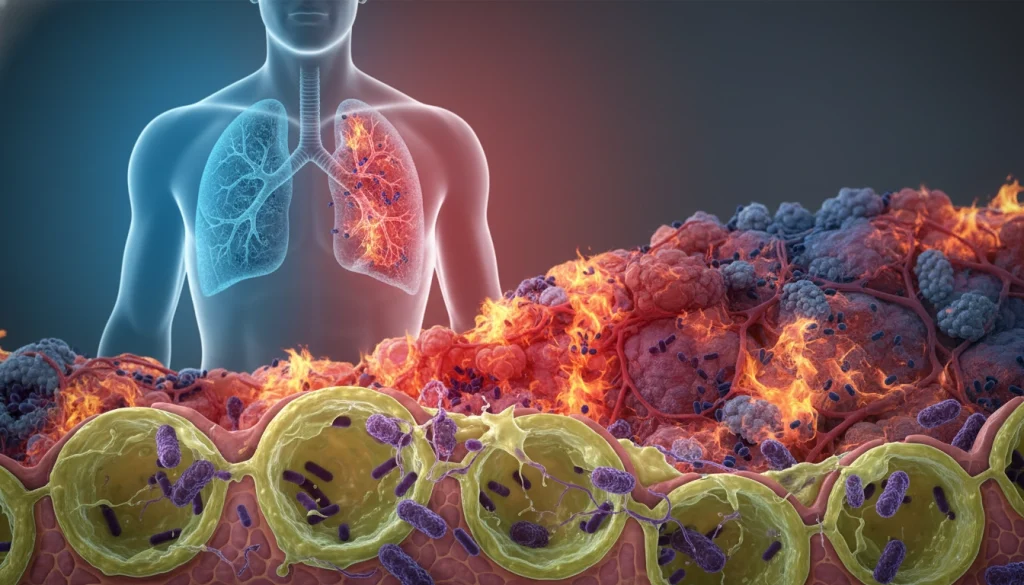
Our lungs are key to breathing and staying healthy. Pneumonia is a serious lung infection. It mainly affects the tiny air sacs in our lungs, called alveoli.
When these sacs get inflamed or filled with fluid, it’s hard to breathe. This makes it tough for our bodies to get the oxygen we need. Knowing how pneumonia affects us is the first step to getting better.
We think knowing about health helps us make better choices. Spotting pneumonia early means you can get the help you need fast. This helps keep your lungs healthy for the long term.
Key Takeaways
- Pneumonia is a serious infection that causes inflammation in the lung’s air sacs.
- The condition often leads to fluid accumulation, which makes breathing challenging.
- Early detection is critical for preventing complications and ensuring a faster recovery.
- Professional medical evaluation is essential for an accurate diagnosis and treatment plan.
- Maintaining lung health involves staying informed about common respiratory risks.
Understanding the Basics of Pneumonia
Pneumonia is a serious inflammation in our lungs. It happens when harmful agents like bacteria, viruses, or fungi attack the lung tissue.
Defining the Lung Infection
When these pathogens get into our respiratory system, they start an immune response. This leads to inflammation in the lung’s tissue. The tiny air sacs in our lungs, called alveoli, then fill with fluid or pus.
This buildup of fluid is a key sign of pneumonia. It blocks the lungs from working right. Since the alveoli are key for gas exchange, this blockage causes discomfort and health issues.
How Pneumonia Affects Respiratory Function
Our respiratory system is key for exchanging oxygen and carbon dioxide. Normally, oxygen moves from the alveoli into the blood, and carbon dioxide is exhaled.
But with pneumonia, this process is disrupted. The fluid-filled air sacs can’t transfer oxygen well. This makes the body work harder to get enough oxygen.
This effort is why people with pneumonia often have trouble breathing. Knowing how pneumonia affects our lungs helps us see why medical help is crucial. It ensures our body gets the oxygen it needs to heal.
Common Symptoms and Early Warning Signs
Spotting small changes in your health is key when it comes to pneumonia. Many people first think it’s just a cold or flu. But, pneumonia can get worse fast. Knowing your body’s signs is crucial for getting the right help on time.
Distinguishing Between Mild and Severe Symptoms
The way pneumonia shows up can vary a lot. Mild cases might have a cough, low fever, and feeling a bit tired. But, severe cases can get worse fast, making it hard to breathe.
| Symptom Category | Mild Presentation | Severe Presentation |
|---|---|---|
| Respiratory Rate | Normal or slightly elevated | Rapid, shallow breathing |
| Body Temperature | Low-grade fever | High fever with chills |
| Mental State | Alert and oriented | Confusion or disorientation |
| Chest Discomfort | Mild cough | Sharp, stabbing chest pain |
When to Seek Immediate Medical Attention
Some signs mean you need to see a doctor right away. If you have trouble breathing, chest pain, or low oxygen, call 911. These are signs your lungs are in trouble.
Also, if you feel confused, very tired, or see blue lips and fingernails, get help fast. These are signs you’re not getting enough oxygen. Quick action is vital to avoid more problems and help you get better from pneumonia.
Primary Causes and Pathogens
Finding the right treatment for pneumonia starts with knowing the pathogen. Since many different microorganisms can cause it, we tailor our treatment to match the specific infection.
Knowing if it’s bacterial, viral, or fungal helps us choose the best treatment. This knowledge is key to a successful recovery.
Bacterial Infections and Their Impact
Bacterial pneumonia often starts with a high fever, chills, and a cough that brings up mucus. These infections happen when bacteria in the upper airways move to the lungs, especially when our immune system is weak.
Common bacteria include:
- Streptococcus pneumoniae, the top cause of community-acquired cases.
- Haemophilus influenzae, common in people with lung diseases.
- Staphylococcus aureus, which can cause serious problems if not treated.
Viral Pneumonia and Seasonal Trends
Viral pneumonia often comes with the flu or other respiratory viruses. It starts with mild symptoms that get worse over days.
Viral infections can harm the airway lining, making lungs more open to bacterial infections. Knowing when these viruses are most common helps us guide patients better.
Fungal and Atypical Causes
Fungal pneumonia is rare in healthy people but can hit those with weak immune systems or exposure to certain spores. Finding the fungus is crucial for treatment.
Some infections are “atypical” because they don’t respond to common antibiotics. These usually cause milder symptoms but still need doctor’s care to fully recover.
Risk Factors and Vulnerable Populations
Life stages and health conditions greatly affect our body’s defense against lung infections. While anyone can get pneumonia, some groups are at higher risk. Knowing these risks helps us protect our respiratory health.
Age-Related Susceptibility
Age is a big factor in how severe infections can be. Young children and infants have developing immune systems. They’re still learning to fight off common germs.
On the other hand, older adults over 65 face a decline in immune strength. This makes it harder for their bodies to fight off germs. So, they’re more likely to get pneumonia.
Chronic Health Conditions and Immune System Status
Medical issues can weaken our defenses, leaving lungs open to threats. Heart, lung, or metabolic problems need extra care.
People with diabetes or heart disease often struggle to fight off infections. Here are some health factors that increase risk:
- Chronic Obstructive Pulmonary Disease (COPD) or asthma.
- Autoimmune disorders that require immunosuppressive therapy.
- Recent recovery from a severe viral illness or surgery.
- Diabetes, which can impair white blood cell function.
Lifestyle Factors and Environmental Exposures
Our daily habits and surroundings also impact lung health. Exposure to certain irritants can harm the respiratory tract. This makes it easier for pneumonia to develop.
Smoking is a major risk factor, as it damages cilia that clear mucus. Air pollution and chemical fumes in the environment also weaken defenses. Making lifestyle changes can help lower pneumonia risk and support overall health.
Diagnostic Procedures and Clinical Testing
Figuring out what causes lung inflammation takes a mix of physical checks and lab tests. We follow a detailed plan to make sure you get the right treatment. Finding out what’s wrong is key to treating pneumonia well, so we can tailor our care to fit your needs.
Physical Examinations and Stethoscope Assessment
At your first visit, we do a full check-up to see how your lungs are doing. We listen with a stethoscope to hear your lungs. This helps us spot any odd sounds, like crackles or wheezing, which might mean there’s fluid or swelling in your lungs.
Imaging Techniques Including Chest X-rays
If we think you might have pneumonia, we’ll get a chest X-ray. This lets us see how bad the infection is. It shows us if the problem is just in one spot or if it’s spread out, helping us decide what to do next.
Laboratory Tests for Sputum and Blood Analysis
To give you the best care, we need to know what’s making you sick. We take blood tests to see if you have an infection. We also check your sputum to find out if it’s bacteria, viruses, or fungi causing your pneumonia.
| Diagnostic Tool | Primary Purpose | Clinical Insight |
|---|---|---|
| Stethoscope | Auscultation | Detects abnormal breath sounds |
| Chest X-ray | Imaging | Visualizes lung inflammation |
| Blood Test | Pathogen ID | Measures infection markers |
| Sputum Culture | Microbiology | Identifies specific pneumonia bacteria |
These steps help us tackle your health issues with accuracy. By using physical checks and lab tests, we can confidently help you get better from pneumonia.
Standard Treatment Protocols for Pneumonia
Once we confirm a diagnosis, we focus on specific treatments to help your lungs heal. Since pneumonia can be caused by different things, our treatment must be tailored to each patient.
Antibiotic Therapy for Bacterial Cases
If tests show a bacterial infection, doctors prescribe antibiotics. These medicines stop or kill bacteria, helping your body fight back.
It’s crucial to finish all the medicine, even if you start feeling better. Stopping too soon can let resistant bacteria survive, leading to a comeback of the infection.
Antiviral Medications and Supportive Care
For viral infections, antibiotics won’t work. Instead, we might use antiviral drugs for viruses like the flu. These drugs can shorten and lessen the illness if taken early.
Supportive care is key for viral infections. We make sure you drink enough water, check your oxygen levels, and rest. These steps help keep you stable while your body fights the virus.
Managing Fever and Pain at Home
Reducing discomfort is important in recovering from pneumonia. Over-the-counter medicines like acetaminophen or ibuprofen can help lower fever and ease chest pain from coughing.
Creating a supportive home environment is also crucial. Here are some tips to help you feel better:
- Use a humidifier to keep the air moist and soothe irritated airways.
- Drink plenty of fluids to help thin mucus and prevent dehydration.
- Prioritize rest to conserve energy for the body’s healing processes.
- Practice controlled breathing exercises to maintain lung capacity.
| Infection Type | Primary Treatment | Supportive Focus |
|---|---|---|
| Bacterial | Antibiotics | Hydration and Rest |
| Viral | Antivirals | Fever Control and Oxygen |
| Atypical | Specialized Antibiotics | Symptom Management |
By following these protocols, we can manage pneumonia effectively. Always talk to a healthcare provider to find the best treatment for you.
Hospitalization and Intensive Care Requirements
Going to the hospital can seem scary, but it’s often the best way to get better. When pneumonia gets worse, we have the right tools to help. Our hospitals offer care that can’t be done at home.
Criteria for Inpatient Treatment
Deciding if you need to stay in the hospital depends on a few things. We look at how bad the infection is to decide if you need hospital care.
- Persistent low oxygen saturation levels that require supplemental support.
- The need for intravenous antibiotics to fight aggressive bacterial pneumonia.
- Signs of confusion or significant changes in mental status.
- Inability to maintain adequate hydration or oral medication intake.
Oxygen Therapy and Mechanical Ventilation
If your lungs can’t get enough oxygen, we use special help. Oxygen therapy is the first step to keep your organs working right.
For serious cases, we might need to use a breathing machine. This lets your body rest while we treat the pneumonia. It keeps your breathing stable during tough times.
Monitoring Vital Signs in a Clinical Setting
Watching you closely is key in our care. Our team checks your vital signs all the time to catch any small changes.
By watching your heart rate, blood pressure, and breathing, we can change your treatment as needed. This helps us fight pneumonia well and give you the best care possible.
Potential Complications and Long-Term Health Effects
Recovery is common, but we must watch for risks with severe lung infections. Most people get better, but pneumonia can cause serious problems if not treated right away.
Pleural Effusion and Lung Abscesses
The space around the lungs, called the pleural cavity, can get fluid. This is called pleural effusion and can make breathing hard and hurt.
Lung abscesses are another issue. They are pockets of pus in the lung. These need careful watching and sometimes special treatments to heal right.
Bacteremia and Systemic Infection Risks
When the infection spreads to the blood, it’s called bacteremia. This is a big worry that needs quick and strong treatment.
Bacteria in the blood can harm other organs. It’s key to follow your doctor’s advice to avoid this.
Respiratory Failure and Chronic Lung Damage
In severe cases, the lungs can’t breathe well. This might need help from a machine to breathe.
Some people may have lasting lung problems. These can include:
- Less lung power when active.
- Scarring in the lungs.
- Being more sensitive to lung irritants.
Knowing about these risks helps you see why early treatment is crucial. Properly managing pneumonia protects your lungs for the long term.
Preventive Measures and Vaccination Strategies
Keeping yourself safe from pneumonia involves smart vaccine choices and good hygiene. We think being proactive is the best way to keep your lungs healthy and avoid serious illness.
Pneumococcal Vaccines and Their Efficacy
The pneumococcal vaccine is a key defense for those at high risk. It helps your body fight off specific bacteria, lowering the risk of serious pneumonia.
It’s especially important for older adults and those with ongoing health issues. Studies prove that getting vaccinated can cut down on both the number and severity of these infections.
Annual Influenza Immunization
Getting the flu can lead to secondary infections, which can harm your lungs. Getting your annual flu shot is crucial to keep your lungs healthy.
By preventing the flu, you also lower your risk of getting viral pneumonia. We urge everyone to make this yearly shot a part of their health routine.
Hygiene Practices to Reduce Transmission
Your daily habits are key in stopping germs. Simple steps can build a strong defense against pneumonia-causing pathogens.
Here are some basic hygiene tips to follow:
- Wash your hands often with soap and water for at least twenty seconds.
- Use an alcohol-based hand sanitizer when soap is not available.
- Cover your mouth and nose with a tissue or your elbow when coughing or sneezing.
- Avoid close contact with people showing signs of respiratory illness.
Pneumonia in Pediatric Patients
Seeing a child struggle to breathe is very stressful for families. Pneumonia in kids is different from in adults. We watch their behavior and breathing closely because they can’t tell us how they feel.
Recognizing Symptoms in Infants and Children
In babies, lung infection signs are subtle. They might be fussier or eat less. A fever or cough that doesn’t get better is a sign to see a doctor.
Older kids show signs of trouble breathing. Look for fast breathing or chest pulling in. If they use their neck to breathe or their lips turn blue, get help fast.
Special Considerations for Childhood Recovery
Helping a child recover is more than just medicine. We make sure they drink plenty of water to help clear their airways. A quiet place helps them heal better.
Watching them closely is key. Even if they seem better, keep an eye on their energy and breathing. If things get worse, call your pediatrician right away.
| Age Group | Common Respiratory Sign | Action Required |
|---|---|---|
| Infants | Grunting or nasal flaring | Immediate medical consult |
| Toddlers | Rapid, shallow breathing | Monitor and contact doctor |
| School-Age | Chest pain or deep cough | Rest and professional evaluation |
By being alert and following doctor’s advice, most kids get better from pneumonia. We want to help you know what to do to help your child get well.
Managing Pneumonia in Older Adults
Managing lung infections in older adults needs extra care. The immune system changes with age. This affects how seniors respond to pneumonia differently than younger people.
Atypical Presentations in the Elderly
Older adults often don’t show typical signs of infection. They might not have a high fever or a cough. Instead, they may have less obvious symptoms that can make diagnosis harder.
We look for these signs during our checks:
- Sudden confusion or delirium
- Unexplained falls or loss of appetite
- Increased fatigue or weakness
- A drop in body temperature instead of a fever
Family and caregivers must watch closely. If an older loved one’s mental or physical state changes suddenly, seek medical help for pneumonia right away.
Challenges in Recovery and Rehabilitation
Recovering from pneumonia in older adults takes a special approach. Seniors often need more time to get back to normal because of underlying health issues.
We tailor rehabilitation to each person. This includes gentle physical therapy and nutrition to build up strength and energy.
Keeping a close eye on them is key to avoid more problems. With comprehensive care, we help seniors recover with confidence. They get back to their health after pneumonia effectively.
Lifestyle Adjustments During and After Recovery
We believe that true recovery from pneumonia starts with healthy lifestyle changes. Clinical treatment helps fight the infection, but your body needs ongoing support. This support helps repair tissues and regain full lung function.
By adopting these habits, you can regain your strength and protect your lungs from future problems.
Nutritional Support for Healing
Good nutrition is key for your immune system to heal. We suggest a balanced diet full of vitamins and minerals to fight off pneumonia. Choose whole foods for sustained energy and to help repair cells.
- Eat more vitamin C-rich fruits like oranges and strawberries to boost your immune system.
- Add lean proteins like chicken, fish, or legumes to help your body recover.
- Drink plenty of water and herbal teas to thin mucus and keep airways open.
Gradual Return to Physical Activity
Feeling tired after illness is normal. We recommend a gentle approach to exercise. Avoid pushing too hard too soon to prevent setbacks.
Begin with short, easy walks at home or a quiet park. If you feel too tired or breathless, rest right away. As you get stronger, you can do more and regain your fitness.
Smoking Cessation and Lung Health Maintenance
Quitting smoking is crucial for your lung health. Smoking harms your airways and raises the risk of pneumonia. If you smoke, getting help to quit is essential for your lungs to heal.
Avoid secondhand smoke, air pollution, and harsh chemicals. Keeping your lungs clean helps them stay strong. Making these choices helps you stay healthy and full of energy for the future.
Navigating the Path to Full Respiratory Recovery
Healing from pneumonia takes time and patience. It’s important to listen to your body and follow your doctor’s advice. Your recovery is a team effort with your self-care and your doctor’s help at Acıbadem Healthcare Group.
Going to all your follow-up appointments is crucial for your health. These visits help your doctor check if your lungs are fully healed. They also make sure you don’t have any ongoing problems after pneumonia.
Resting and eating well are key to getting your strength back. Start slowly with physical activities again. This careful approach helps your lungs get back to normal without any setbacks.
We’re here to help you get back to full health. Stay informed and proactive in your recovery. If you notice any new symptoms or if your energy doesn’t improve, talk to your doctor right away.
FAQ
Q: What exactly is pneumonia and how does it affect the lungs?
A: Pneumonia is a serious lung infection. It causes inflammation in the tiny air sacs of the lungs. At Acıbadem Healthcare Group, we tell our patients that when these sacs fill with fluid or pus, it makes it hard for the body to breathe.
This can range from mild to very serious, depending on the cause and the patient’s health.
Q: How can I distinguish between mild symptoms and a medical emergency?
A: Mild pneumonia might just make you cough a lot, feel a bit feverish, and tired. But, if you have trouble breathing, chest pain, or blue lips, you need to get help right away. These signs mean you might have a serious problem.
Q: What are the primary causes and pathogens responsible for this infection?
A: Many things can cause pneumonia, like bacteria, viruses, and fungi. Bacterial pneumonia often starts suddenly. Viral pneumonia might follow the flu season. Fungi are more common in people with weak immune systems.
Knowing what causes it helps us choose the right treatment.
Q: Who is considered most at risk for developing severe pneumonia?
A: Some people are more likely to get very sick from pneumonia. This includes older adults, young kids, and those with health problems like diabetes or heart disease. Smoking and being exposed to pollution can also weaken your immune system.
Q: What diagnostic procedures do physicians use to confirm pneumonia?
A: At Acıbadem Healthcare Group, we start by listening to your lungs with a stethoscope. We then use chest X-rays to see how much inflammation there is. Sometimes, we test blood and sputum to find out what’s causing the infection.
Q: How is pneumonia treated, and do I always need antibiotics?
A: Treatment depends on what’s causing the pneumonia. Antibiotics work well for bacterial infections but not for viruses. For viral pneumonia, we might give antiviral meds or focus on rest and hydration. We also tell patients how to manage fever and pain at home.
Q: Under what circumstances is hospitalization required?
A: You might need to stay in the hospital if you need close monitoring or special treatments. This includes if you’re not getting enough oxygen, need IV antibiotics, or need a breathing machine. Our hospitals are set up to watch your vital signs closely.
Q: What are the potential long-term complications of a pneumonia infection?
A: Even though most people get better, some can face serious problems. These include fluid in the lungs or abscesses. There’s also a risk of the infection spreading to the blood, which can harm organs. Taking all your medicine as directed is key to avoiding these issues.
Q: Can pneumonia be prevented through vaccination?
A: Yes, vaccines are a great way to prevent pneumonia. We recommend the pneumococcal vaccine for those at high risk. Getting a flu shot every year also helps prevent pneumonia caused by the flu. Washing your hands often can also help stop the spread of the infection.
Q: How do symptoms of pneumonia differ in pediatric patients?
A: In babies and young kids, pneumonia might not show up like it does in adults. Look for signs like fast breathing, nasal flaring, or “grunting” sounds. They might also pull their chest in when they breathe in. We give our young patients quick, special care to help them get better.
Q: Why is pneumonia sometimes harder to detect in older adults?
A: Older adults often have different symptoms that can be hard to spot. Instead of a fever or cough, they might get confused, dizzy, or have trouble doing things they used to do easily. We watch them closely to catch any problems early.
Q: What lifestyle adjustments should I make during the recovery phase?
A: Getting back to normal slowly is important for your lungs to heal. Eating well and quitting smoking are key. Smoking can make your lungs worse and increase your risk of getting pneumonia again.
Q: Is it necessary to have a follow-up appointment after the symptoms disappear?
A: Yes, follow-up visits are important. Even if you feel better, we might need to check with a chest X-ray to make sure you’re fully recovered. At Acıbadem Healthcare Group, we want to make sure you’re back to your normal self before we let you go.