

Treatment Snapshot
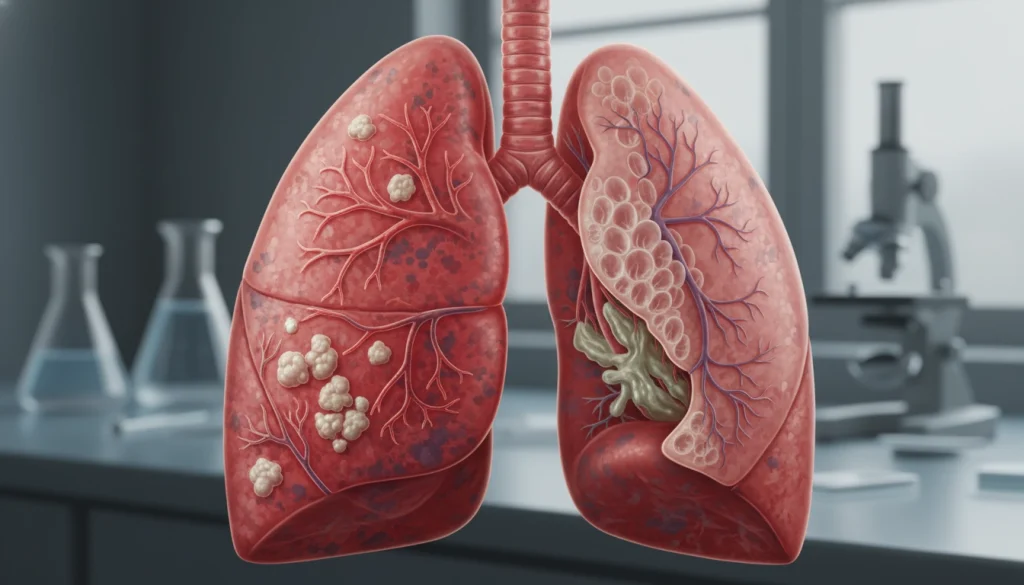
A lung infection happens when germs like bacteria, viruses, or fungi attack your lungs. This can cause mild pain or serious health problems that need quick action.
Knowing about your lung health is key to getting better. Spotting early signs helps you get medical help before things get worse.
Getting help fast is crucial for people of all ages. With the right care, we can fight this lung infection and keep your lungs healthy for the future.
Key Takeaways
- Respiratory issues often stem from viral, bacterial, or fungal pathogens.
- Professional medical evaluation is essential for an accurate diagnosis.
- Early detection significantly improves the chances of a quick recovery.
- Ignoring persistent symptoms can lead to severe health complications.
- Timely treatment is vital for patients across all age groups.
Understanding the Anatomy and Physiology of Lung Infections
Your lungs are key for breathing and fighting off threats. They start with the trachea, then smaller tubes like bronchi and bronchioles. These lead to alveoli, where oxygen and carbon dioxide exchange. Keeping these parts healthy is crucial for good respiratory health.
The Respiratory System Defense Mechanisms
Our bodies have a strong respiratory system defense. A key part is the mucociliary escalator. It’s a layer of mucus that catches dust and microbes. Tiny cilia then move this debris up and out of the airways.
Special immune cells called alveolar macrophages also protect the lungs. They find and eat foreign particles. Here’s a table showing these important defense parts:
| Defense Component | Primary Function | Location |
|---|---|---|
| Mucus Layer | Traps pathogens and debris | Bronchi and Bronchioles |
| Cilia | Sweeps debris out of lungs | Airway Lining |
| Alveolar Macrophages | Engulfs and destroys invaders | Alveoli |
How Pathogens Breach Lung Defenses
Even with strong defenses, pathogens can sometimes get through. This often happens when our health is already weak or when we’re exposed to too many germs. When our immune system is down, it can’t fight off infections well.
Too much exposure to germs can also wear down our defenses. When pathogens reach the alveoli, they can cause inflammation and infection. Knowing how our bodies fight off infections helps us see why keeping our immune system strong is so important for respiratory health.
Common Types of Lung Infection
Understanding the different types of lung infections is key to better health. When we get lung inflammation, it’s usually our body’s way of fighting off an invader. These invaders are mostly bacteria, viruses, or fungi.
Bacterial Pneumonia and Its Characteristics
Bacterial pneumonia is a serious issue that needs quick medical help. It often starts with a sudden high fever, chills, and a cough that brings up thick mucus.
It’s crucial to catch this infection early. Knowing the bacteria helps doctors choose the right antibiotic to treat it.
Viral Respiratory Infections
Viral lung infections grow slowly. Symptoms start with a sore throat, runny nose, or a low fever. These symptoms get worse over time.
While many viral infections get better on their own, they can still be very uncomfortable. It’s important to watch your breathing closely. Viral illnesses can weaken the lungs, making them more likely to get a bacterial infection.
Fungal Lung Infections and Risk Factors
Fungal lung infections are rare and usually affect people with weak immune systems. They can also happen to those exposed to certain spores in the environment.
People at risk often take long-term immunosuppressive drugs or live in areas with lots of fungi in the soil. Accurate testing is key to treating these infections successfully.
| Infection Type | Typical Onset | Primary Indicator |
|---|---|---|
| Bacterial | Sudden | High fever and productive cough |
| Viral | Gradual | Systemic fatigue and mild congestion |
| Fungal | Variable | Persistent cough in high-risk groups |
Recognizing the Symptoms of a Lung Infection
Your body often sends subtle signals when a respiratory infection begins to take hold. By paying close attention to these changes, you can take proactive steps to protect your health. Understanding common pneumonia symptoms is the first step toward effective management and recovery.
Early Warning Signs to Monitor
Most respiratory infections start with mild discomfort that may mimic a common cold. You might notice a persistent cough that produces mucus, often accompanied by a low-grade fever or chills. Fatigue is another frequent indicator, as your immune system works hard to fight off the invading pathogen.
Other early pneumonia symptoms to watch for include mild chest discomfort when you breathe deeply or cough. If you feel unusually winded during routine activities, it is important to take note of these shifts. Early detection allows for timely medical intervention before the condition progresses.
Distinguishing Between Mild and Severe Symptoms
It is helpful to differentiate between symptoms that can be managed at home and those requiring professional care. Mild cases often involve manageable congestion and a cough that does not significantly disrupt your daily life. In these instances, rest and hydration are usually the primary focus of your recovery plan.
However, symptoms become concerning when they begin to impact your ability to function. If your cough worsens or your chest pain becomes sharp and stabbing, these are clear indicators that you need a medical evaluation. Monitoring these pneumonia symptoms helps you decide when to schedule an appointment with your healthcare provider.
When to Seek Emergency Medical Attention
Certain signs indicate that your lungs are struggling to provide enough oxygen to your body. You must seek emergency medical attention immediately if you experience severe shortness of breath or difficulty catching your breath while resting. These are critical pneumonia symptoms that require urgent hospital care.
Watch for the following red flags that signal a medical emergency:
- Bluish tint to your lips, face, or fingernails, known as cyanosis.
- Sudden confusion, disorientation, or extreme lethargy.
- High fever that does not respond to over-the-counter medication.
- Rapid, shallow breathing that feels impossible to control.
Do not hesitate to contact emergency services if you or a loved one shows these signs. Your safety is our priority, and prompt action is vital when dealing with severe respiratory distress.
Primary Causes and Risk Factors
Your risk of getting a lung infection comes from many factors. It’s not just one thing. By knowing what these factors are, you can take steps to protect yourself. This knowledge helps keep your lungs healthy for a long time.
Environmental and Lifestyle Triggers
The air we breathe is very important for our lungs. Things like industrial chemicals, car fumes, and secondhand smoke can harm our airways. This makes it easier for germs to get in.
Our lifestyle choices also matter a lot. Smoking is a big risk because it damages the tiny hairs in our lungs. These hairs help keep our lungs clean. Without them, we’re more likely to get sick.
Underlying Health Conditions That Increase Susceptibility
Some health problems make it easier for germs to spread. People with asthma or COPD have airways that are more likely to get infected. This is because their airways are inflamed and can trap mucus.
Diabetes is another big risk factor. High blood sugar weakens our immune system. When our body is fighting inflammation, it can’t fight off new infections as well.
The Role of Age and Immune System Status
Age affects how well our bodies fight off infections. Young kids and older adults are more at risk. Kids’ immune systems are still learning, while older adults’ immune systems weaken with age.
Our immune system’s overall health is also important. People with autoimmune diseases or those on immune-suppressing treatments are at higher risk. Keeping a healthy lifestyle helps support our immune system at any age.
| Risk Factor Category | Primary Impact | Management Strategy |
|---|---|---|
| Environmental | Airway inflammation | Avoid pollutants and smoke |
| Chronic Disease | Reduced lung clearance | Strict condition monitoring |
| Age-Related | Immune system variance | Vaccination and hygiene |
| Lifestyle | Cilia damage | Smoking cessation |
The Diagnostic Process for Lung Infection
Getting a correct lung infection diagnosis is key to treating and recovering well. When you show signs of respiratory issues, we take a detailed approach to find the cause. This method helps us tailor a care plan that meets your specific health needs.
Physical Examination and Medical History
We start by reviewing your medical history and doing a thorough physical check-up. We use a stethoscope to listen to your lungs for any unusual sounds. These clinical clues give us our first hints about your lung health.
We also ask about your symptoms, like how long you’ve had a cough or if you have a fever. Knowing about your lifestyle and any possible environmental exposures helps us guess what might be wrong. This conversation is crucial for understanding your health fully.
Imaging Techniques Including Chest X-rays and CT Scans
To see how far a pulmonary infection has spread, we use advanced imaging. A chest X-ray is usually the first step. It shows us if there’s inflammation or fluid in the lungs. This tool is vital for spotting pneumonia or other serious infections.
For more complicated cases, we might use a CT scan. This gives us a detailed, 3D view of your lungs. It helps us see small changes that might not show up on a regular X-ray. These images are key for figuring out how serious the infection is.
Laboratory Tests and Sputum Analysis
Finding out what’s causing your illness is the last step. We often take samples for lab tests to identify the pathogen. Tests like sputum analysis, blood cultures, and complete blood counts are common.
These tests help us choose the right medicine. By combining physical checks, imaging, and lab results, we make sure we diagnose your lung infection accurately. This careful process is how we help you get back to full respiratory health.
Current Medical Treatments for Lung Infection
After a diagnosis, we tailor treatments to fight the infection. Choosing the right lung infection treatment is key for quick recovery. Our approach uses proven methods to help every patient.
Antibiotic Therapy for Bacterial Infections
Antibiotics are the top choice when bacteria cause your illness. They kill or stop bacteria from growing in your airways.
It’s crucial to finish all antibiotics, even if you start feeling better. Stopping early can let resistant bacteria survive, making future health issues worse.
Antiviral Medications and Their Efficacy
Viral infections need a different approach since antibiotics don’t work on viruses. We use antiviral drugs to slow virus growth, easing symptoms.
These drugs work best when started early. Quick action can stop illness from getting worse and help your body fight off the virus.
Antifungal Treatments for Specialized Cases
Fungal lung infections are rare but need special care. We use specific drugs to treat these, mainly for those with weak immune systems or certain exposures.
We closely watch how you’re doing during treatment. This helps us see if the treatment is working and make changes if needed.
| Infection Type | Primary Treatment | Goal of Therapy |
|---|---|---|
| Bacterial | Antibiotics | Eliminate bacterial growth |
| Viral | Antivirals | Inhibit viral replication |
| Fungal | Antifungals | Clear fungal pathogens |
Choosing the right lung infection treatment is a team effort. We’re here to guide you through recovery, ensuring you feel confident and supported.
Supportive Care and Home Management Strategies
We think home management is key to staying healthy when fighting a lung infection. While treatments target the infection, your daily habits help your body heal. Simple strategies can make your home a place of healing and comfort.
Hydration and Nutritional Support
Drinking enough water is crucial when your body is fighting off infection. Water, herbal teas, or clear broths help clear mucus from your lungs. Keep a water bottle with you to stay hydrated all day.
Eating right is also important for your immune system. Choose foods rich in nutrients to give your body the energy it needs. Include fruits, vegetables, and lean proteins to help you recover.
Managing Fever and Pain at Home
Fever and pain are common when you have a lung infection. You can manage them safely at home. Use over-the-counter meds like acetaminophen or ibuprofen to help. Always follow the dosage instructions carefully and talk to a doctor if you have other health issues or take other meds.
Watch your symptoms closely while using these treatments. If you have bad reactions or your fever doesn’t go down, call your doctor right away. Keeping a log of your temperature and symptoms can help your doctor.
| Strategy | Primary Benefit | Recommended Action |
|---|---|---|
| Hydration | Thins mucus | Drink 8+ glasses of water daily |
| Fever Control | Reduces discomfort | Use OTC meds as directed |
| Rest | Immune support | Prioritize 8-10 hours of sleep |
| Nutrition | Tissue repair | Eat protein-rich, balanced meals |
The Importance of Rest and Recovery Time
Rest is essential for healing. It lets your immune system focus on fixing lung tissue. Don’t push yourself too hard too soon. Listen to your body and get plenty of sleep.
Everyone recovers at their own pace. Be patient with yourself. Start with light activities again once you feel better. Taking time to recover now helps keep your lungs healthy in the long run.
Complications Associated with Untreated Lung Infections
Many respiratory issues can be solved with rest. But, ignoring a lung infection can lead to serious problems. It’s crucial to see a doctor at the first sign of symptoms to avoid these dangers.
Respiratory Failure and Acute Distress
An untreated infection can make it hard for the lungs to breathe. This might cause respiratory failure, where the blood doesn’t get enough oxygen. In bad cases, this can turn into acute respiratory distress syndrome, needing hospital care right away.
Sepsis and Systemic Infection Risks
A lung infection can spread to the blood, causing sepsis. This is a serious condition that can harm organs. Sepsis is an emergency that needs quick treatment with antibiotics and care to keep the body stable.
Long-term Lung Damage and Chronic Issues
Even after the infection goes away, lung damage can stay. This can cause scarring or chronic bronchitis. These problems can make it hard to breathe and do everyday activities.
| Complication | Primary Impact | Clinical Urgency |
|---|---|---|
| Respiratory Failure | Inadequate oxygen exchange | Critical |
| Sepsis | Systemic organ stress | Emergency |
| Pulmonary Fibrosis | Permanent tissue scarring | Long-term monitoring |
| Chronic Bronchitis | Persistent airway inflammation | Ongoing management |
Knowing about these risks shows why we must take lung health seriously. Early action can protect your lungs and help you recover faster. Your health is our top concern, and making informed choices can prevent these problems.
Preventive Measures and Vaccination Strategies
Protecting your respiratory health starts with proactive steps. By focusing on lung infection prevention, we can lower the risk of serious complications. We aim to give you the tools to defend against common pathogens.
The Role of Annual Flu and Pneumococcal Vaccines
Vaccination is key to keeping your respiratory system healthy. Annual flu vaccines help fight off seasonal viruses. Pneumococcal vaccines protect against bacteria that cause pneumonia.
Talk to your healthcare provider about your vaccination schedule. Keeping up with these shots is crucial for lung infection prevention at any age.
Hygiene Practices to Reduce Transmission
Simple habits can stop the spread of germs. Germs often spread through droplets or contaminated surfaces. Here are some practices to keep you and others safe:
- Wash your hands often with soap and water for at least twenty seconds.
- Use an alcohol-based hand sanitizer when soap is not available.
- Cover your mouth and nose with a tissue or your elbow when coughing or sneezing.
- Avoid touching your face, especially your eyes, nose, and mouth, to prevent germ entry.
Lifestyle Modifications for Better Lung Health
Your daily choices affect your body’s ability to fight illness. Eating a balanced diet supports a strong immune system. Staying hydrated keeps your airways healthy.
Also, avoid environmental irritants like tobacco smoke and heavy air pollution. Making these changes helps your body stay healthy all year.
Pediatric Considerations for Lung Infections
Spotting a pediatric lung infection in kids is tricky because they can’t always tell us how they feel. Unlike adults, young ones might not say they have chest pain or discomfort. This makes it harder for doctors to figure out what’s wrong.
Watching your child have trouble breathing is very stressful. We want to help you know the signs early and get help when needed.
Unique Challenges in Diagnosing Children
Diagnosing a pediatric lung infection is tough because early signs are not clear. Babies and toddlers might just seem more upset, tired, or lose their appetite without coughing.
Doctors have to use special checks and exams to see if a child’s lungs are okay. Parents are key in spotting signs of trouble, like:
- Nasal flaring during inhalation.
- Retractions, where the skin pulls in between the ribs or at the base of the throat.
- Rapid or shallow breathing patterns.
- Bluish tint around the lips or fingernails.
Common Pediatric Respiratory Pathogens
Many viruses and bacteria can cause a pediatric lung infection. Some are more common at certain times of the year. RSV and flu are big culprits in young lungs.
These germs can quickly make airways swell, making it hard to breathe. Knowing how these illnesses act helps tell if it’s just a cold or something more serious.
| Pathogen | Common Age Group | Primary Symptom |
|---|---|---|
| RSV | Infants/Toddlers | Wheezing and congestion |
| Influenza | All ages | High fever and body aches |
| Bacterial Pneumonia | School-age children | Persistent cough and fever |
Knowing about these risks helps you fight for your child’s health. Always talk to a pediatrician if your child’s breathing or energy changes. Early action is key for quick recovery.
Lung Infection in the Elderly Population
Keeping elderly lung health safe is very important. As people get older, their immune system changes. This can affect how they fight off germs. We need to understand these changes to help seniors quickly.
Atypical Presentations in Older Adults
Older adults might not show typical signs of a lung infection. They might not have a high fever or a cough that lasts. Instead, they might seem confused, tired, or less able to do things.
These signs are not always easy to spot. So, it’s key to watch seniors closely if they seem different. Catching these signs early helps keep their lungs healthy and stops the illness from getting worse.
| Symptom Category | Classic Presentation | Atypical Presentation |
|---|---|---|
| Cognitive State | Alert and oriented | Sudden confusion or delirium |
| Physical Energy | Normal activity levels | Severe lethargy or weakness |
| Respiratory Signs | High fever and cough | Shortness of breath without fever |
| Appetite | Normal | Sudden loss of appetite |
Managing Comorbidities During Treatment
Treating lung infections in older patients is complex. They often have other health problems like heart disease or diabetes. These issues can make treatment harder and limit the medicines we can use.
We work hard to treat the infection while keeping these conditions stable. We team up with different doctors to make sure the patient gets all the help they need. This approach is crucial for keeping their lungs healthy and helping them get better safely.
The Impact of Smoking and Air Quality on Lung Health
Many people don’t realize how their daily habits and environment affect their respiratory health. We often focus on medical treatments, but the air we breathe and our choices are just as important. By knowing these external factors, we can protect our lungs from harm.
How Tobacco Smoke Compromises Lung Immunity
The link between smoking and lungs is very harmful. Tobacco smoke has thousands of chemicals that irritate the airways, causing chronic inflammation.
This habit damages the cilia, tiny hairs that help remove mucus and debris from the lungs. Without these defenses, the body is more open to infections. This constant attack weakens the immune system, making it harder for the lungs to fight off illnesses.
Environmental Pollutants and Chronic Respiratory Risk
The air quality around us also affects our respiratory health. Particulate matter, industrial emissions, and vehicle exhaust can harm lung tissue, causing long-term irritation.
Being exposed to these pollutants can lead to chronic issues like reduced lung capacity and increased sensitivity to allergens. We suggest keeping an eye on local air quality reports and staying indoors when pollution is high. Here are some ways to reduce your exposure:
- Use high-quality air purifiers in your home to filter out fine particles.
- Avoid exercising near busy roads or industrial zones during peak traffic hours.
- Advocate for cleaner air policies in your community to protect public wellness.
Understanding the connection between smoking and lungs and environmental factors is key to better care. By making smart choices about your surroundings, you can improve your health and keep your airways clear.
Rehabilitation and Recovery After a Severe Infection
After a lung infection, the real work starts. It’s not quick, and you need a plan to get better. We help you get back to your life with confidence and more energy.
Pulmonary Rehabilitation Programs
Pulmonary rehab helps those who’ve had big respiratory problems. It mixes exercise with learning to improve your life. You’ll work with experts to manage symptoms and get stronger.
These programs focus on several key areas to help you heal:
- Guided exercise training to improve cardiovascular and muscular endurance.
- Instruction on specialized breathing techniques to reduce shortness of breath.
- Nutritional counseling to support tissue repair and immune function.
- Psychological support to manage the stress associated with chronic or severe illness.
Monitoring Lung Function Post-Recovery
It’s important to keep an eye on your lung health after recovery. Regular check-ups help your healthcare team see how you’re doing. This helps prevent future problems and makes sure your lungs are healing right.
Here are some key milestones we watch during recovery:
| Recovery Phase | Primary Goal | Monitoring Method |
|---|---|---|
| Early Recovery | Stabilize breathing | Pulse oximetry |
| Mid-Recovery | Increase endurance | Six-minute walk test |
| Long-term | Maintain capacity | Spirometry testing |
Consistency is key for long-term success. By sticking with your recovery plan and your medical team, you can get your strength back. We’re here to support you every step of the way.
Navigating the Healthcare System for Respiratory Care
Understanding the healthcare system is key to better lung health. It might seem complex, but proactive steps help. Clear communication and organization make medical visits more productive.
Choosing the Right Specialist
Finding the right doctor is crucial for respiratory issues. A pulmonologist specializes in the lungs and airways. They handle conditions like asthma and lung cancer.
Look for a specialist with experience in your condition. Check their board certification and read reviews. A good doctor listens to your concerns.
Preparing for Consultations with Pulmonologists
Preparation is key for a valuable visit. Organize your medical records and list current medications. This helps your doctor focus on your health.
Keep a symptom log to track when and why symptoms occur. Write down questions before your visit. This helps your doctor provide the best care.
| Preparation Step | Why It Matters | Action Item |
|---|---|---|
| Medical Records | Provides a clear history | Gather recent X-rays and lab reports |
| Symptom Log | Identifies patterns | Track daily breathing difficulties |
| Medication List | Prevents drug interactions | Include dosages and frequency |
| Question List | Ensures clarity | Write down three main concerns |
By following these steps, you take control of your respiratory care. We aim to make your journey smooth. Your voice is your most powerful tool in healthcare.
Empowering Your Health Decisions Through Informed Care
Managing a Lung Infection well needs both expert advice and your active help. You are key to your recovery by watching for changes in your breathing.
Knowledge is your strongest ally for long-term health. Knowing about Lung Infections lets you act fast and follow treatment plans. This way, you protect your lungs from harm.
At Acıbadem Healthcare Group, we aim to give you top-notch education. We’re here to help you make smart choices for your health. Your health journey is a team effort with your doctors.
We encourage you to talk to our specialists about any breathing concerns. Together, we’ll focus on your health and give you the best care. Your journey to better health begins with knowing and staying involved with your doctors.
FAQ
Q: What exactly is a lung infection and why is medical evaluation necessary?
A: A lung infection is when the lungs get inflamed due to germs like bacteria, viruses, or fungi. It’s important to see a doctor quickly because these infections can get worse fast. A doctor can find out what’s causing the infection and help prevent serious problems.
Q: How does the body naturally protect itself from a lung infection?
A: The body has many ways to fight off germs in the lungs. It uses things like the mucociliary escalator and alveolar macrophages to catch and kill germs. Keeping your immune system strong is key because germs can only make you sick if they get past these defenses.
Q: What are the most common types of lung infections?
A: Lung infections are usually caused by different things. Bacterial pneumonia can make you very sick fast, with a high fever and cough. Viral infections might take longer to show up. Fungal infections are rare but can happen in people with weak immune systems or certain exposures.
Q: What are the primary symptoms of a lung infection that I should monitor?
A: Watch for a cough that won’t go away, chest pain, and trouble breathing. Some symptoms might seem minor, but serious signs like confusion or a bluish skin color need emergency help right away.
Q: Who is most at risk for developing severe respiratory issues?
A: People with health problems like asthma, COPD, or diabetes are more likely to get sick. Age also matters. Young kids and older adults have special challenges that can affect their immune system and fight against infections.
Q: How do clinicians reach a definitive lung infection diagnosis?
A: At Acıbadem Healthcare Group, we start with a physical check-up and looking at your medical history. Then, we use X-rays, CT scans, and lab tests to find out what’s causing the infection and how bad it is.
Q: What are the standard medical treatments for these infections?
A: Treatment depends on the cause of the illness. For bacterial infections, we use antibiotics. Viral infections need antiviral meds. Fungal infections require special treatments to safely clear the infection.
Q: What role does supportive care play in recovery?
A: Supportive care is key to getting better. Drinking plenty of water, eating well, and resting are important. Using over-the-counter meds for fever and pain can also help you feel better while you recover.
Q: What are the risks of leaving a lung infection untreated?
A: Not treating a lung infection can lead to serious problems like respiratory failure or sepsis. It can also cause long-term lung damage, like scarring or chronic bronchitis, which can really affect your life.
Q: Can I prevent a lung infection through lifestyle or medical interventions?
A: Yes, you can prevent lung infections. Getting flu and pneumococcal vaccines every year is important. Washing your hands often and eating well can also help keep your lungs healthy.
Q: Why are pediatric lung infections treated differently?
A: Children often show different symptoms and can get worse fast. Parents should watch for signs like nasal flaring or retractions. We use special tests to find common germs in kids, like RSV or influenza.
Q: How do symptoms differ in the elderly population?
A: Older adults might not show typical symptoms like fever. Instead, they might seem very tired or confused. We focus on managing their health problems to help them recover safely.
Q: How does smoking impact my susceptibility to lung infections?
A: Smoking weakens your lungs’ natural defenses, making it easier for germs to infect you. Avoiding smoke and pollutants is crucial for keeping your lungs healthy.
Q: What is involved in rehabilitation after a severe infection?
A: After a severe lung infection, we often recommend pulmonary rehab. This includes exercises and breathing techniques to improve lung function and overall health.
Q: How should I prepare for a consultation with a pulmonologist?
A: To get the most out of your doctor’s visit, organize your medical records and make a list of your symptoms and health history. Choosing the right specialist is important for getting the best care at Acıbadem Healthcare Group.