

Treatment Snapshot
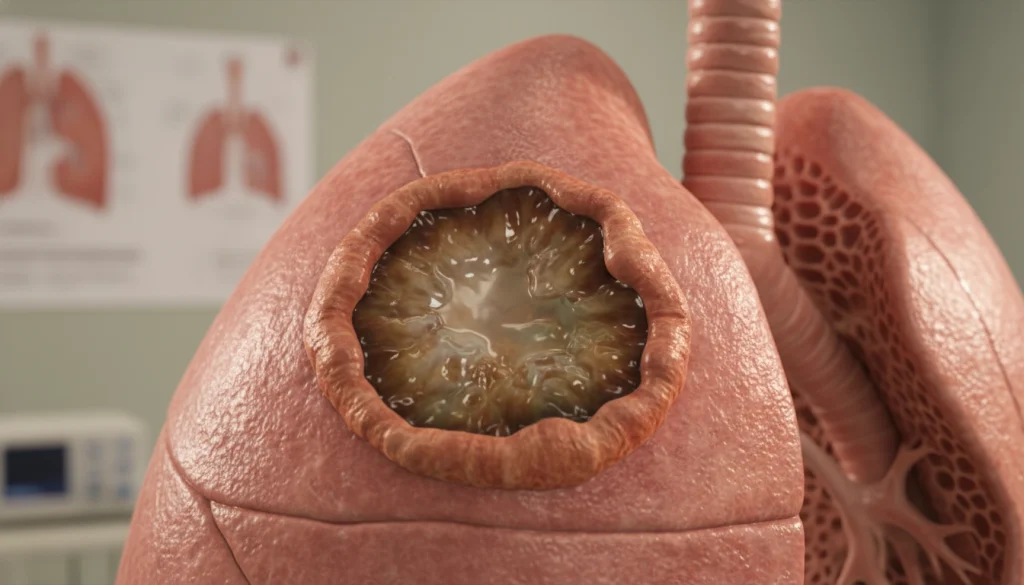
A lung abscess is a pocket of pus in the lung tissue. It usually comes from a bacterial infection. This causes inflammation and damage to the tissue. Knowing about this condition is the first step to managing it.
Getting medical help quickly is very important. It helps avoid more harm to your lungs and ensures the right treatment. Modern medicine offers strong ways to heal and stay healthy.
Handling this diagnosis needs teamwork between you and your doctor. With the right care, you can get better and breathe easier again. We’re here to help you every step of the way.
Key Takeaways
- A localized infection creates a pocket of pus within the respiratory tissue.
- Early medical intervention is critical to prevent complications and tissue damage.
- Modern treatments are highly effective at resolving these infections.
- Professional guidance ensures a safe and structured path to recovery.
- Patient-centered care focuses on both physical healing and long-term respiratory health.
Understanding the Pathophysiology of a Lung Abscess
A lung abscess is a complex fight between harmful germs and our immune system. It’s a localized infection that kills lung tissue. Knowing this helps us see why treating it early is crucial.
The Formation of Necrotic Cavities
A necrotic cavity forms when an infection isn’t cleared. The immune system tries to fight it, but it fails. This leads to the death of lung tissue, known as necrosis.
As the dead tissue breaks down, it turns into a cavity. This cavity is a breeding ground for more bacteria. It’s hard for our immune system to reach the infection’s core. Here’s how it happens:
| Stage | Biological Process | Clinical Observation |
|---|---|---|
| Initial Infection | Bacterial colonization | Mild cough and fever |
| Inflammatory Response | Immune cell recruitment | Increased chest discomfort |
| Necrosis | Tissue death and liquefaction | Production of foul-smelling sputum |
| Cavitation | Formation of a hollow space | Visible cavity on imaging |
Microbial Colonization and Tissue Destruction
A lung abscess starts when germs from the mouth or throat get into the lungs. These germs damage the lung lining. This damage causes a big inflammatory response, bringing white blood cells to fight the germs.
The fight leads to a buildup of dead cells and debris. This creates a pus-filled, acidic environment. This environment breaks down healthy lung tissue. Treating a lung abscess means fighting the germs and repairing the tissue damage.
Primary Causes and Common Pathogens
Many things can lead to a lung abscess. These include inhaled particles and certain bacterial infections. Knowing what causes it is key to healing and keeping your lungs healthy.
Aspiration Pneumonia as a Leading Trigger
Aspiration pneumonia is a top reason for lung abscesses. It happens when you accidentally breathe in food, saliva, or stomach acid. This is instead of swallowing it properly.
This foreign material in the lungs can make bacteria grow. If your body can’t get rid of it, a lung abscess might form.
Bacterial Agents Involved in Abscess Formation
The type of bacteria in a lung abscess can affect how serious it is. We sort these pathogens by their need for oxygen and how they fight your immune system.
Anaerobic Bacteria
Anaerobic bacteria are usually to blame. They grow well in places with little oxygen, like inside a lung abscess. Since they live in your mouth and throat, they can easily get into your lungs during aspiration.
Fixing a lung abscess caused by these bacteria needs special antibiotics. These drugs must reach deep into the infected area.
Aerobic and Polymicrobial Infections
Sometimes, a lung abscess has both aerobic and anaerobic bacteria. This is called a polymicrobial infection. It’s harder to treat than infections from just one type of bacteria.
Aerobic bacteria need oxygen and cause a quick inflammatory response. Knowing which bacteria are involved helps doctors choose the best treatment for you.
Identifying Key Risk Factors
Understanding the risks for a lung abscess helps us support people better. This condition can happen to anyone, but some health issues make it more likely. Knowing these risks lets us take steps to prevent it.
Underlying Dental and Periodontal Disease
Good oral health is key to keeping your lungs healthy. Poor dental care can lead to bacteria in the mouth and gums. These bacteria can then travel to the lungs and cause a lung abscess.
Going to the dentist regularly is important. It helps keep your mouth clean and reduces the chance of bacteria reaching your lungs.
Neurological Impairments and Swallowing Difficulties
The body needs a good swallowing reflex to keep food out of the lungs. Neurological problems can disrupt this, raising the risk of aspiration. Aspiration happens when something foreign gets into the airway, leading to infection and possibly a lung abscess.
- Stroke or post-stroke complications.
- Neuromuscular disorders affecting throat muscles.
- Reduced consciousness or sedation.
Alcohol Use Disorder and Substance Misuse
We talk about substance misuse with care and honesty. Alcohol and drug problems can weaken the body’s defenses. This makes it harder for the body to clear out harmful substances from the lungs.
When the body can’t fight off invaders, the risk of a lung abscess goes up. We aim to spot these risks early to help people stay healthy.
Clinical Presentation and Symptom Recognition
When your body fights a lung infection, it sends clear signals. Recognizing the early signs of a lung abscess is crucial for recovery. Watch for any changes in your breathing or physical state.
Common Respiratory Indicators
A persistent cough with foul-smelling or blood-tinged sputum is a common sign. Many also experience sharp chest pain, especially when taking deep breaths or coughing.
Shortness of breath is another indicator as the infection affects lung capacity. If these symptoms last more than a few days, see a healthcare professional.
Systemic Manifestations of Infection
A lung abscess can trigger a systemic response. You might experience recurring fevers, chills, and night sweats that leave you exhausted.
Unexplained weight loss and feeling unwell are also common. These symptoms show your body is under stress and needs medical help.
Distinguishing Symptoms from Other Pulmonary Conditions
It’s easy to confuse a lung abscess with pneumonia or bronchitis. However, foul-smelling sputum and symptom duration are key clues for doctors.
While bronchitis usually clears up in weeks, an abscess may worsen without antibiotics. The table below shows how these conditions differ.
| Symptom | Lung Abscess | Standard Pneumonia | Acute Bronchitis |
|---|---|---|---|
| Sputum Quality | Foul-smelling/Purulent | Yellow/Green/Clear | Clear/Mucoid |
| Onset Speed | Gradual/Subacute | Rapid/Acute | Rapid |
| Chest Pain | Localized/Pleuritic | Generalized | Soreness from coughing |
| Night Sweats | Common | Occasional | Rare |
Understanding these differences helps you talk better with your doctor. If you think you have a lung abscess, get a professional check-up for the right diagnosis and treatment.
Diagnostic Procedures and Imaging Techniques
We use a careful method to find and check a lung abscess in each patient. First, we use non-invasive images to see the lungs. Then, we do lab tests to find out what’s causing the infection. Sometimes, we might need a lung cancer screening to check for other problems. But our main goal is to find the pus in the lung tissue.
Chest Radiography and Computed Tomography
The first step is usually a chest X-ray. It gives us a quick look at the chest area. It helps us spot any problems like consolidation or cavitation.
If the X-ray shows a lung abscess, we use a CT scan next. This scan gives us detailed pictures of the lungs. It shows us the size, location, and how the abscess is related to other parts.
Sputum Culture and Sensitivity Testing
When we find an infection, we need to know which bacteria are causing it. We take a sputum sample for lab tests.
By growing the bacteria in a lab, we can identify the exact pathogen. This helps us choose the right antibiotic for your lung abscess.
Bronchoscopy for Diagnostic Precision
In tough cases, we might do a bronchoscopy. This involves using a thin, flexible tube with a camera through the airways.
It lets us see the airways directly and take samples from the infection site. This precision is key for planning your treatment and helping you get better.
| Diagnostic Method | Primary Purpose | Invasiveness |
|---|---|---|
| Chest X-ray | Initial screening | None |
| CT Scan | Detailed visualization | None |
| Sputum Culture | Pathogen identification | Low |
| Bronchoscopy | Direct tissue sampling | Moderate |
Comprehensive Treatment Strategies for Lung Abscess
Managing a lung abscess requires a detailed plan. We use strong medicine and support the patient in many ways. This approach helps get rid of the infection and helps the body heal.
Antibiotic Therapy Protocols
Antibiotics are key in treating this condition. Since the infection can be caused by different bacteria, we start with broad-spectrum antibiotics. This covers most likely pathogens.
After getting lab results, we tailor the treatment. We focus on the specific bacteria found. This makes treatment more effective and reduces drug side effects.
Duration and Monitoring of Pharmacological Treatment
Treating a lung abscess takes time. Patients often need weeks of antibiotics to clear the infection.
We check on patients regularly. This includes clinical checks and imaging. It helps us see how the treatment is working and adjust as needed.
Supportive Care and Nutritional Optimization
Recovery is not just about medicine. The body needs energy to fix damaged lung tissue. We focus on supportive care to boost strength and immune function.
Nutrition is crucial for recovery. We suggest:
- More protein to help repair tissues and keep muscles strong.
- Drinking enough water to make breathing easier.
- Eating foods rich in vitamins to fight off infection.
By focusing on these areas, we help patients recover from a lung abscess. They can then live their lives with better lung health.
Surgical Interventions and Drainage Methods
When antibiotics can’t fix a lung abscess, we use surgery and drainage. These methods help clear the infection. Our aim is to make your lungs healthy again through safe, effective treatments.
Percutaneous Drainage Techniques
Percutaneous drainage is a less invasive way to remove fluid from the abscess. A specialist uses ultrasound or CT scans to guide a small needle or catheter into the abscess.
This method is effective for those who can’t handle big surgeries. It quickly relieves symptoms by targeting the lung abscess.
Indications for Surgical Resection
Sometimes, the lung damage is too much for drainage alone. Surgery is needed if antibiotics don’t work or if the abscess is very big.
We also consider surgery if the infection might spread. Removing the infected lung part gets rid of the lung abscess source. This is for cases where surgery is the best cure.
Post-Surgical Recovery and Management
Recovery after surgery is a team effort. We manage pain, help with physical therapy, and watch your breathing. This ensures a smooth return to daily life.
Thanks to modern surgery, many people recover well from a lung abscess. Our team will support you every step of the way. With the right care, most people regain their strength and function.
Potential Complications and Long-Term Health Impacts
Untreated lung abscess poses serious risks. Early treatment is key to avoiding these issues. Following your treatment plan helps protect your lungs.
Empyema and Pleural Space Involvement
When infection spreads to the pleural space, it’s called empyema. This is a serious condition. It requires drainage to help the lung function properly again.
Bronchopleural Fistula Development
A lung abscess can damage tissue, creating a bronchopleural fistula. This abnormal connection makes breathing hard. It might need surgery to fix.
Systemic Spread and Sepsis Risks
Untreated infection can spread to the blood, causing sepsis. Sepsis is dangerous and can harm organs. Watch for symptoms and seek help if they worsen.
- Persistent high fever and chills.
- Increased difficulty breathing or shortness of breath.
- Confusion or extreme fatigue.
- Signs of systemic inflammation.
Managing a lung abscess is crucial. Stay informed and work with your doctor. This helps avoid serious complications and protects your lung health.
Prognosis and Recovery Expectations
We think it’s key to talk openly about your lung abscess prognosis for a good recovery. Even though the news might seem tough, most people get better with the right medical care. We aim to give you the info you need to feel confident and calm during your healing.
Factors Influencing Patient Outcomes
Many things affect how fast you get better from a lung abscess. Your immune system’s strength is a big factor in fighting off the infection. Also, the size of the abscess and the type of bacteria matter for how long you’ll need treatment.
Starting treatment early is crucial for a good outcome. Early action helps avoid lasting damage to your lungs. We’ll work with you to manage these factors and help your body heal.
Monitoring Resolution via Follow-up Imaging
We use follow-up imaging to check if your lung abscess is getting better. Chest X-rays or CT scans show us if the abscess is shrinking. These tests are key to making sure the infection is going away and your lungs are healing.
The table below shows what can affect your recovery time and success:
| Recovery Factor | Impact on Healing | Clinical Goal |
|---|---|---|
| Immune Status | High impact on speed | Support systemic health |
| Treatment Adherence | Critical for resolution | Complete all antibiotics |
| Abscess Size | Determines imaging frequency | Document cavity closure |
| Smoking Habits | Slows tissue repair | Promote cessation |
We’re here to support you every step of the way. By keeping the lines of communication open and following your care plan, we can track your progress toward full lung health.
Preventative Measures and Lifestyle Adjustments
Keeping your lungs healthy starts with simple habits. These habits can be added to your daily routine. By focusing on care, you can lower the chance of getting a lung abscess. These steps are powerful ways to improve your health.
Maintaining Oral Hygiene Standards
The mouth is a key entry point for harmful bacteria. Bad dental health can lead to these bacteria reaching your lungs. Good oral hygiene is key to avoiding a lung abscess.
- Brush your teeth at least twice daily with fluoride toothpaste.
- Floss regularly to remove plaque from between teeth.
- Schedule professional dental cleanings every six months to address hidden decay.
Managing Chronic Conditions to Reduce Aspiration Risk
Some health issues can make it harder to protect your airways. Conditions like GERD or neurological disorders can raise the risk of inhaling stomach contents or saliva. It’s crucial to manage these conditions well to prevent a lung abscess.
Work closely with your healthcare team to watch your symptoms. Simple changes, like elevating your bed or changing your diet, can help. Regular medical check-ups are key to catching any problems early.
Smoking Cessation and Pulmonary Health
Smoking is a big threat to your lung health. It damages the cilia, which help clear your airways. Without these defenses, your lungs are more open to infection.
Quitting smoking is the best thing you can do for your lungs. It lets your body start repairing itself and fight off infections better. We’re here to help you find the support you need to quit.
Pediatric Considerations in Lung Abscess Management
When a child gets a lung abscess, we focus on their health now and their future. We know kids are different from adults and infections affect them in unique ways. We use our medical skills and care deeply for our young patients.
Unique Challenges in Diagnosing Children
Finding a lung abscess in kids is tough because they might not say what hurts. Young ones might seem tired, eat less, or act upset instead of coughing like adults. We watch for these signs to find the problem fast.
We look at how kids breathe and move to check for problems. Signs that mean we need to look closer include:
- Persistent fever that doesn’t go away with usual medicine.
- Fast or hard breathing when they’re resting.
- Chest pain or discomfort that stops them from playing.
- Unexplained weight loss or not growing well.
Age-Specific Treatment Approaches
After finding a lung abscess, we choose safe treatments that won’t harm them later. We often start with antibiotics to help the body heal itself. This way, we avoid big surgeries that could hurt their growth or cause stress.
We make sure every treatment fits the child’s age and needs. We work with families to keep the child well-nourished and hydrated while they get better. Our goal is to help kids get back to their usual activities safely and quickly.
Living with the Aftermath of Pulmonary Infection
Recovering from a pulmonary infection means getting stronger and taking care of your emotional health. The body needs time to heal after a lung abscess. A full recovery takes more than just medicine.
Rehabilitation and Breathing Exercises
Getting your lungs back to normal is a big part of recovery. Exercises help clear out what’s left and make breathing easier. Doing these exercises regularly is crucial.
Here are some daily activities to help you recover:
- Diaphragmatic breathing: Practice deep, slow breaths that use your diaphragm.
- Controlled coughing: Use gentle coughs to clear your airways without hurting your lungs.
- Gradual activity: Start with small steps in walking or light exercise to build up your strength.
- Hydration: Drink lots of water to keep mucus thin and easy to cough up.
Psychological Support During Recovery
Feeling anxious or overwhelmed is normal after a serious illness like a lung abscess. It’s okay if progress seems slow. Be kind to yourself during this time.
Talking to loved ones or a counselor can really help. Emotional well-being is just as important as physical health. Our team is here to support you every step of the way.
Prioritizing Long-Term Respiratory Wellness
Healing from a lung abscess is more than just taking medicine. It’s about caring for your lungs every day. This means making healthy choices and staying active.
Regular doctor visits are key to tracking your recovery. They help doctors see how your lungs are healing. This ensures you’re on the right path to full recovery.
Living a healthy lifestyle helps prevent future problems. Good oral care and managing chronic conditions are crucial. These habits protect your lungs and keep you healthy for years to come.
At Acıbadem Healthcare Group, we offer top-notch advice for your health. We work with you to build a plan that keeps your lungs strong.
We want you to stay in touch with your healthcare team. If you have questions or concerns, don’t hesitate to reach out. Your commitment to health is the first step to a full and active life.
FAQ
Q: What exactly is a lung abscess, and how serious is it?
A: A lung abscess is a pocket of pus in the lung tissue, caused by infection. It’s a serious condition because it damages lung tissue and creates cavities. At Acıbadem Healthcare Group, we stress the need for quick medical help to prevent more damage and ensure recovery.
Q: How does a lung abscess form within the respiratory system?
A: It starts when harmful bacteria infect the lungs. This causes inflammation and tissue death. The body tries to fight the infection, creating a cavity filled with fluid and debris. Knowing this helps us treat the condition effectively.
Q: What are the primary causes of a lung abscess?
A: Aspiration pneumonia is the main cause, happening when stomach acid or saliva gets into the lungs. This introduces harmful bacteria. Finding out which bacteria are involved is key to choosing the right antibiotics.
Q: Why are dental hygiene and swallowing difficulties considered risk factors?
A: Poor dental health can lead to bacteria getting into the lungs. Swallowing problems also increase this risk. Alcohol and substance misuse weaken the body, making it harder to fight off infections.
Q: What symptoms should I look for if I suspect a lung infection?
A: Look for a persistent cough, chest pain, and trouble breathing. A lung abscess also causes fever, night sweats, and weight loss. If these symptoms last, seek medical help to rule out other conditions.
Q: How do specialists at Acıbadem Healthcare Group diagnose this condition?
A: We use X-rays and CT scans to see the abscess. We might do a bronchoscopy or take sputum samples for testing. This helps us find the right medicine.
Q: What does the treatment process for a lung abscess involve?
A: Treatment includes long-term antibiotics to kill the infection. We also focus on nutrition and supportive care. Regular check-ups are important to see if the abscess is getting better.
Q: When is surgical intervention necessary for a lung abscess?
A: Surgery might be needed if antibiotics don’t work or if the abscess is very large. We use minimally invasive techniques to drain the abscess. In some cases, removing part of the lung is necessary.
Q: What are the potential complications of an untreated lung abscess?
A: Untreated, the infection can spread to the pleural space, causing empyema. It can also lead to a bronchopleural fistula or sepsis. Early treatment is crucial to avoid these serious problems.
Q: Can children develop lung abscesses, and how is their care managed?
A: Yes, children can get lung abscesses, but it’s harder to spot. Our pediatric team uses special treatments that consider the child’s age and needs. We use gentle tests to ensure the best care for kids.
Q: What steps can I take to prevent a lung abscess and maintain respiratory health?
A: Good oral hygiene is key to preventing lung abscesses. Managing chronic conditions and quitting smoking also help. We encourage lifestyle changes to protect lung health.
Q: What should I expect during the recovery and rehabilitation phase?
A: Recovery is more than just treating the infection. It includes exercises to improve lung function and physical therapy. We also offer psychological support to help with emotional recovery. At Acıbadem Healthcare Group, we support your complete recovery.